Colombo Travel Guide: Sri Lanka’s Vibrant Gateway City
Colombo serves as the dynamic entry point to Sri Lanka, blending colonial architecture with modern skyscrapers and vibrant street markets. Your Colombo travel guide reveals a city of fascinating contrasts, where you can explore Dutch-era forts in the morning and enjoy rooftop cocktails at dusk. This guide provides the essential details for navigating the capital’s traffic, cuisine, and culture to craft a perfect urban Sri Lankan adventure.
Essential Colombo Information
Colombo is Sri Lanka’s commercial capital and largest city, located on the country’s western coast. The urban area houses approximately 5.6 million people in its metro region, creating a bustling, energetic atmosphere. The city’s development spans centuries, with influences from Portuguese, Dutch, and British colonial rule visible in its diverse architecture.
English is widely spoken in business and tourist areas, making communication straightforward for international visitors. The local currency is the Sri Lankan Rupee (LKR), but US dollars are accepted at many hotels, tour operators, and larger shops. You will need a visa for entry, which most Western passport holders can obtain easily through the official Electronic Travel Authorization (ETA) system online before arrival.
Climate and Weather Patterns
Colombo features a tropical rainforest climate with consistently high humidity and temperatures. Understanding the weather patterns is crucial for comfortable exploration and packing appropriately for your urban adventure.
- Temperatures remain steady year-round, averaging 86°F (30°C) during the day and 75°F (24°C) at night, with high humidity often exceeding 70%.
- The city experiences two monsoon seasons: the Southwest monsoon brings heavy rain from May to September, while the Northeast monsoon affects December to February with lighter showers.
- The inter-monsoonal periods in March-April and October-November can produce sudden, intense thunderstorms, usually brief but requiring quick shelter.
- Budget travelers can manage on $35-50 per day by staying in guesthouses in areas like Bambalapitiya, eating at local “rice and curry” buffets ($2-4 per meal), and using buses and trains for transport ($0.25-0.50 per ride). Free attractions include exploring Pettah Market, Galle Face Green, and the Seema Malaka temple.
- Mid-range visitors spending $80-120 daily enjoy comfortable boutique hotels in Cinnamon Gardens, diverse dining from street food to casual restaurants, and convenient Uber/tuk-tuk rides. This budget allows for paid entrance to museums, a guided half-day tour, and perhaps a cooking class.
- Luxury travel at $200+ per day grants access to five-star oceanfront hotels, gourmet dining at Ministry of Crab or Nihonbashi, private car hire with a driver for day trips, and exclusive experiences like sunset cruises from the Port City Marina.
- Sri Lanka Tourism Development Authority
- Lonely Planet – Colombo Guide
City Layout and Neighborhoods
Colombo is informally divided into numbered zones and distinct districts, each with its own character and attractions. Fort and Pettah (Colombo 01) form the historic and commercial heart, home to the old Dutch fort walls, the iconic Lighthouse Clock Tower, and the bustling Pettah Market. This area buzzes with activity but quiets down significantly after business hours, offering a different atmosphere in the evening.
South of Fort, you find the upscale areas of Colombo 03 (Kollupitiya) and Colombo 07 (Cinnamon Gardens). These districts feature wide boulevards, colonial mansions, major museums like the National Museum, and high-end shopping at places like Colombo City Centre. Galle Face Green, a vast oceanfront promenade, separates these areas from the Indian Ocean and is perfect for sunset walks and local street food.
Cultural Context and Etiquette
Sri Lankan culture in Colombo is generally conservative but welcoming to visitors who show respect. Dress modestly when visiting religious sites, covering shoulders and knees; this is required at temples like the iconic Gangaramaya. When interacting with locals, a slight nod or placing your palms together in a “namaste” gesture is a polite form of greeting, though handshakes are also common in business contexts.
Tipping is appreciated but not mandatory. In restaurants, a service charge of 10% is often included in the bill. For exceptional service, leaving an additional 5-10% in cash for the staff is a kind gesture. Always use your right hand for giving and receiving items, including money, as the left hand is considered unclean in traditional customs.
Alt: “colombo-skyline-galle-face-green-sunset-ocean”
Colombo Travel Guide – Planning Your Trip
Effective planning transforms your visit to Sri Lanka’s capital from overwhelming to outstanding. Begin by deciding your trip’s primary focus: history, cuisine, shopping, or using the city as a comfortable base for day trips. Allocate at least two full days to experience Colombo’s core attractions without rushing, allowing time for both scheduled sightseeing and spontaneous discovery in its diverse neighborhoods.
Budget planning requires understanding the city’s dual economy. Upscale hotels, fine dining, and private tours operate at near-international price points. Meanwhile, local restaurants, public transport, and market shopping offer exceptional value. Your daily budget can swing dramatically based on your chosen accommodation and dining style, making a clear plan essential for financial control.
Best Time to Visit Colombo
The optimal window for a Colombo visit falls between December and March. During these months, the Northeast monsoon brings drier, slightly cooler weather with lower humidity, making extensive outdoor exploration much more pleasant. Daytime temperatures average a comfortable 84°F (29°C), with minimal rainfall and plenty of sunshine, ideal for walking tours and beachside strolls along Galle Face.
Shoulder seasons in April and November offer a trade-off. You may encounter higher heat and brief, intense thunderstorms, but you’ll also benefit from fewer tourists and potentially lower accommodation rates. The main Southwest monsoon from May to September brings persistent heavy rain, which can disrupt outdoor plans, though cultural sites and museums remain fully accessible.
Budget Planning and Costs
Your daily expenses in Colombo vary significantly based on travel style. Here is a realistic breakdown for different budget levels.
Essential Preparation Checklist
Secure your Sri Lankan ETA visa online at least one week before departure; the standard 30-day tourist visa costs $50-75 USD. Ensure your passport has at least six months’ validity from your entry date. Purchase comprehensive travel insurance that specifically covers medical evacuation, as healthcare standards vary. Check with your doctor about recommended vaccinations, including Hepatitis A and Typhoid.
Pack light, breathable clothing made from natural fabrics like cotton or linen to combat the humidity. Include a sturdy umbrella or a lightweight rain jacket regardless of season. A universal power adapter is essential (Sri Lanka uses Type D, M, and G plugs, 230V). Download useful apps before you arrive: PickMe for ride-hailing, Google Maps (with offline Colombo downloaded), and XE Currency for exchange rates.
Top Attractions and Colombo Activities
The city offers a compelling mix of historical landmarks, spiritual sites, and contemporary leisure spaces. Start your exploration in the Fort District, where history is layered in the architecture. From the Old Parliament Building to the Cargills & Millers building, a walking tour reveals stories of colonial trade and independence. This area contrasts sharply with the modern Port City financial development rising nearby on reclaimed land.
For cultural immersion, the National Museum in Cinnamon Gardens provides essential context with artifacts spanning Sri Lanka’s 3,000-year history. Meanwhile, the vibrant Gangaramaya Temple showcases eclectic Buddhist architecture and hosts the magnificent Navam Perahera festival each February. These sites offer deep insights into the nation’s heritage within the bustling capital environment.
Must-See Highlights
Gangaramaya Temple is an unmissable complex blending Sri Lankan, Thai, Indian, and Chinese architectural styles. Visit in the early morning to observe prayer rituals in relative peace before the crowds arrive. Nearby, the Beira Lake offers a tranquil escape; take a short boat ride to the Seema Malaka meditation center, designed by Geoffrey Bawa, which appears to float serenely on the water.
The Colombo National Museum, established in 1877, houses the throne and crown of the last King of Kandy. Allocate two hours to explore its galleries, which provide crucial background for travels elsewhere in Sri Lanka. For a modern contrast, the Lotus Tower—the tallest self-supported structure in South Asia—offers panoramic city views from its observation deck, especially stunning at sunset.
Hidden Gems and Local Favorites
Venture into the crowded, colorful lanes of Pettah Market for an authentic sensory experience. Beyond the main drag, find the Red Mosque (Jami Ul-Alfar) with its striking candy-striped minarets—photograph it from the street as non-Muslims cannot enter. For a quiet retreat, the “Arcade” in the Old Dutch Hospital in Fort has been beautifully restored into a dining and shopping precinct with historic charm.
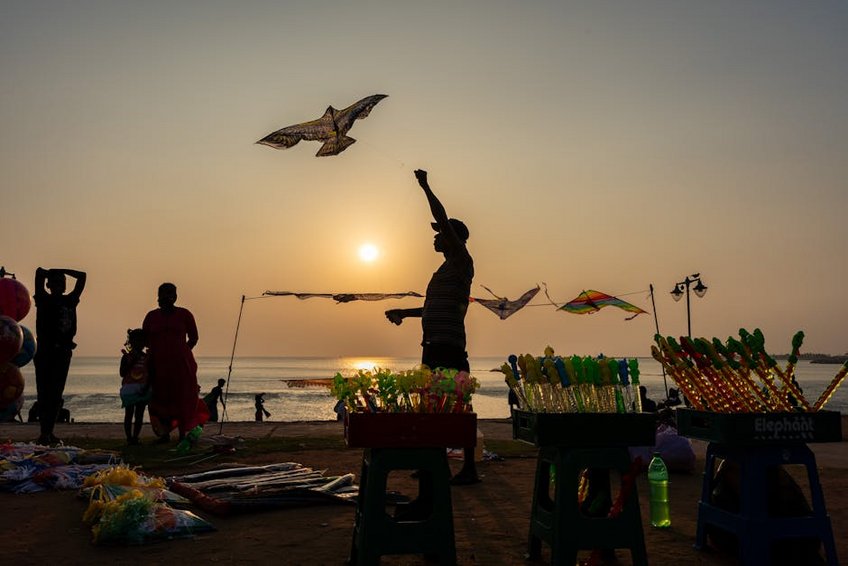
Locals flock to “Galle Face Green” as the sun sets, creating a festive atmosphere. Join them for a “thambili” (king coconut) drink and crispy, spicy “isso wade” (shrimp fritters) from the street vendors. For a unique shopping experience away from modern malls, explore the barefoot handicraft store in Colombo 07 for high-quality textiles, art, and crafts in a beautiful garden setting.
Art and Design Exploration
Colombo’s contemporary art scene thrives in galleries scattered across the city. The Saskia Fernando Gallery in Colombo 07 promotes cutting-edge Sri Lankan artists. For a deeper dive into the island’s design identity, visit the Paradise Road Studio and its associated café, which celebrates the work of renowned local designer Shanth Fernando.
The architecture of Geoffrey Bawa, Sri Lanka’s most famous architect, defines many spaces. While his major works are outside the city, his influence is palpable. Visit the brief but beautiful courtyard garden at the number 11 house on Bagatalle Road, a small-scale example of his genius for blending indoor and outdoor spaces.
Practical Travel Information
Navigating Colombo requires a blend of patience and strategy. The city’s traffic is notoriously congested, especially during morning and evening rush hours (7:30-9:30 AM and 4:30-7:00 PM). Plan your movements to avoid crossing the city at these times. For shorter trips within neighborhoods, walking can be faster than driving, but always be cautious of uneven sidewalks and unpredictable traffic flow.
Accommodation options range from international luxury chains to family-run guesthouses. Location is paramount; staying in Colombo 01, 03, or 07 places you within walking distance or a short ride from major attractions. Booking platforms like Booking.com and Agoda offer the widest selection, and reserving at least a month in advance is advised for peak season visits.
| Category | Options/Features | Price Range (USD/Night) |
|---|---|---|
| Budget Guesthouse | Basic room, fan, shared bathroom, often includes simple breakfast. Areas: Bambalapitiya, Wellawatte. | $15 – $35 |
| Mid-Range Boutique Hotel | Comfortable AC room, private bathroom, restaurant, often in a restored colonial house. Areas: Cinnamon Gardens, Kollupitiya. | $60 – $120 |
| Business Hotel | Modern amenities, pool, fitness center, multiple dining options. Convenient for Fort business district. | $100 – $180 |
| Luxury 5-Star | Oceanfront location, spacious suites, multiple pools, spa, gourmet restaurants, butler service. Areas: Galle Face, Port City. | $200 – $500+ |