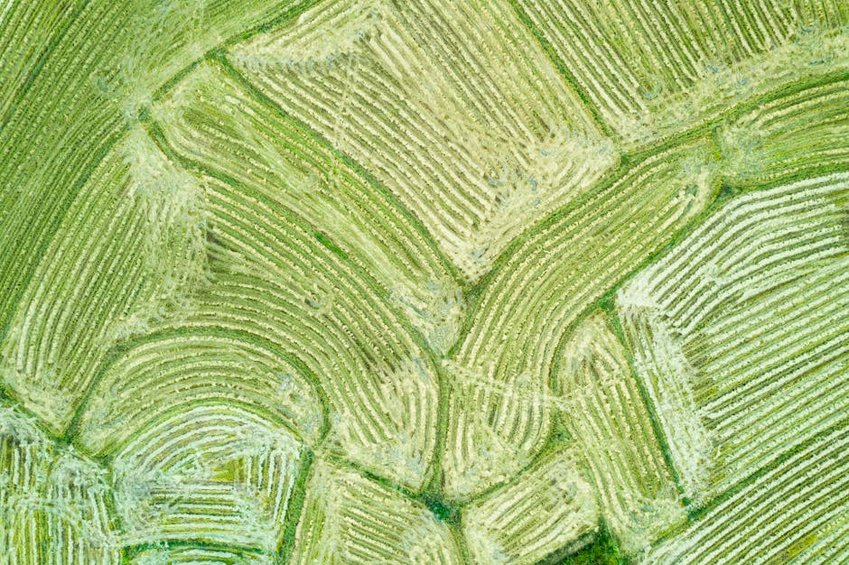
China Longji Rice Terraces: Ancient Agricultural Marvels
The China Longji Rice Terraces represent one of humanity’s most stunning agricultural achievements, carved into mountainsides over 650 years by Zhuang and Yao ethnic minorities. These cascading fields create a breathtaking landscape that changes with seasons, offering lush green vistas in summer and golden hues during autumn harvests. This guide covers essential travel planning, cultural insights, and practical tips for experiencing these terraced wonders firsthand.
Essential Historical and Cultural Background
Dating to the Yuan Dynasty (1271-1368), the Longji Terraces demonstrate sophisticated ancient farming techniques perfected across generations. Local communities developed complex irrigation systems using mountain springs, creating sustainable agriculture across steep slopes exceeding 45 degrees. These engineering marvels supported rice cultivation at elevations between 300-1,100 meters above sea level.
The terraces span approximately 66 square kilometers across Longsheng County, featuring over 10,000 individual paddies following mountain contours. This Dragon’s Backbone landscape represents both practical farming and deep spiritual connection to the land. Visitors discover how traditional practices continue alongside modern tourism development.
Key Historical Facts
Understanding these chronological developments enhances appreciation for the terraced fields.
- Yuan Dynasty (1271-1368): Initial terrace construction began using simple tools and manual labor over decades.
- Ming Dynasty (1368-1644): Irrigation systems expanded with bamboo pipes and gravity-fed water channels.
- Qing Dynasty (1644-1912): Terraces reached current scale while maintaining traditional farming methods.
- Budget travelers spend $25-40 daily using hostel dorms, local eateries, and public transportation from Guilin.
- Mid-range visitors allocate $50-80 for private guestrooms, restaurant meals, and guided village tours.
- Luxury experiences cost $100-150 featuring boutique hotels, private guides, and cultural performances.
- China Highlights Longji Guide
- Lonely Planet Longsheng
Ethnic Communities and Traditions
Zhuang and Yao people maintain vibrant cultural traditions within terrace villages like Ping’an and Dazhai. Women often wear elaborate silver headdresses and embroidered clothing representing marital status and village identity. These communities celebrate harvest festivals with lion dances and traditional songs.
Local families frequently invite visitors to experience rice wine making and bamboo rice cooking demonstrations. Respectful tourism supports village economies while preserving intangible cultural heritage. Learning basic greetings in local dialects enhances interactions.
Geographical and Environmental Features
The terraces cascade across steep mountains in Guangxi’s karst landscape, creating microclimates supporting diverse ecosystems. Elevations range from 300 meters at base villages to 1,100 meters at summit viewpoints. Temperature variations create distinct seasonal appearances.
Spring brings water-filled paddies reflecting sky and clouds, while summer showcases vibrant green rice shoots. Autumn transforms the landscape with golden mature rice, and winter occasionally features frost or light snow accents. These seasonal changes offer different photographic opportunities.
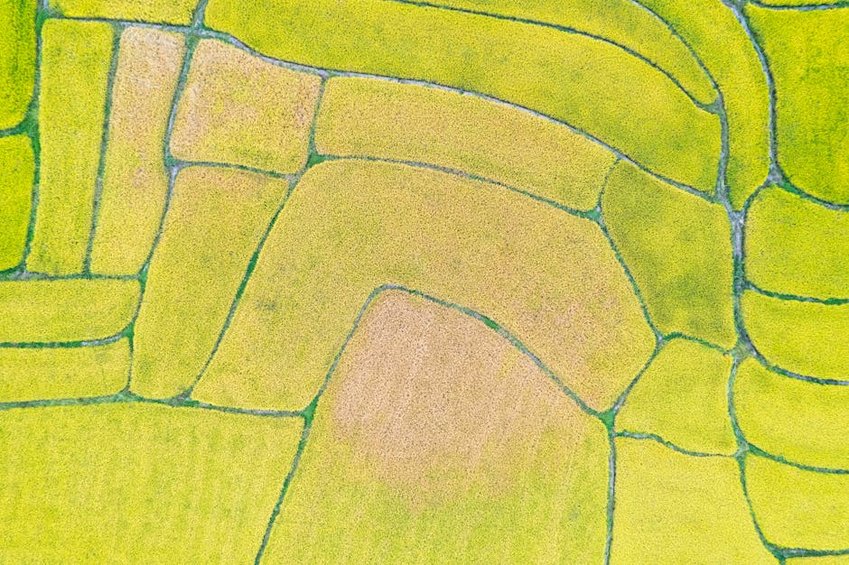
Alt: “longji-rice-terraces-dragon-backbone-mountain-view”
China Longji Rice Terraces – Planning Your Trip
Successful visits to the Longji Terraces require careful timing between April and November for optimal viewing conditions. Accommodation books quickly during October’s golden season, so reserve three months ahead for best selection. Transportation combines buses from Guilin with local shuttle services accessing different terrace sections.
Budget approximately $45-75 daily for moderate travel including lodging, meals, and entrance fees. The Longji Scenic Area ticket costs $15-20 depending on exchange rates, valid for multiple days across all terrace villages. Comfortable hiking shoes and rain gear prove essential for exploring stone paths.
Best Time to Visit Longji Rice Terraces
April through June offers brilliant green terraces with moderate crowds and temperatures between 60-75°F (15-24°C). July and August bring warmer weather around 68-82°F (20-28°C) with occasional afternoon showers. September and October provide the famous golden harvest views with crisp 55-70°F (13-21°C) conditions.
Shoulder seasons in November and March see fewer visitors but potentially foggy conditions. Winter months from December to February occasionally feature light snow at higher elevations, with temperatures dropping to 32-50°F (0-10°C). Avoid Chinese national holidays when domestic tourism surges.
Budget Planning and Costs
Daily expenses vary significantly based on accommodation choices and dining preferences.
Essential Preparation Checklist
Pack sturdy hiking shoes with grip soles for slippery stone paths and layered clothing for changing mountain weather. Waterproof jackets and quick-dry pants handle sudden rain showers common in this region. Bring multiple memory cards and backup batteries for photography.
Secure China tourist visas before departure and purchase travel insurance covering mountain activities. Download offline maps and translation apps since English availability decreases in remote villages. Carry small bills for local purchases and entrance fees.
Top Attractions and Activities
Ping’an Village serves as the most accessible terrace area with well-maintained paths connecting seven famous viewpoints. The Golden Buddha Peak and Nine Dragons and Five Tigers platforms deliver panoramic vistas across layered paddies. Dazhai Village features longer hiking trails through Zhuang communities to the magnificent Golden Summit.
Ancient Stone Village preserves original architecture with fewer tourists, while Jinkeng Terraces offer cable car access to highest viewpoints. Morning fog often creates dramatic photography conditions before clearing around 10 AM. Local guides provide cultural context unavailable through independent exploration.
Must-See Highlights
Nine Dragons and Five Tigers Viewpoint in Ping’an showcases terrace patterns resembling mythical creatures when viewed from specific angles. Visit early morning to capture sunrise illuminating the layered landscape. The site sits 30 minutes hike from village center with minimal elevation gain.
Golden Summit at Dazhai requires two hours strenuous hiking but rewards with 360-degree views across entire terrace system. Cable car alternatives reduce physical effort while maintaining visual impact. Photography sessions work best during late afternoon golden hour.
Music From Heaven platform features terraces designed with acoustic properties amplifying natural sounds. Local musicians occasionally perform traditional instruments here. The location provides excellent mid-level perspectives without summit crowds.
Hidden Gems and Local Favorites
TianTou Village remains less visited despite stunning terrace views and authentic Yao community experiences. Reach this hidden gem via three-hour hike from Ping’an or local motorcycle taxi. Homestay opportunities include participation in rice planting or harvesting seasons.
Zhuang embroidery workshops in Dazhai teach traditional textile techniques using natural dyes. These sessions support women’s cooperatives preserving cultural heritage. Visitors create souvenir handkerchiefs while learning symbolic patterns.
Hiking Trails and Photography Spots
The Ping’an to Dazhai trail spans approximately 4-5 hours through working terraces and minority villages. Start early to avoid midday heat and carry sufficient water since services remain limited between settlements. Stone steps vary greatly in condition and steepness.
Photography enthusiasts find ideal conditions during April water season and October harvest. Use polarizing filters to reduce glare from watery paddies and tripods for stable low-light shots. Local guides know optimal sunrise and sunset locations for each season.
Practical Travel Information
Guilin serves as the primary gateway city with international airport connections and high-speed rail links. Buses depart regularly from Guilin Bus Station to Longsheng Town, followed by local shuttles to terrace villages. Private car transfers cost approximately $60-80 roundtrip but provide flexibility.
Accommodation ranges from basic homestays to luxury resorts with terrace views. Ping’an offers most options while Dazhai features newer developments. Book directly with properties for best rates and confirm heating availability during cooler months.
| Category | Options/Features | Price Range (USD) |
|---|---|---|
| Budget Accommodation | Basic homestays, shared bathrooms, village locations | $15-30/night |
| Mid-Range Hotels | Private bathrooms, terrace views, restaurant access | $40-70/night |
| Luxury Resorts | Spacious rooms, balconies, guided tours included | $90-150/night |
| Transportation | Bus from Guilin, local shuttles, private cars | $10-80 roundtrip |