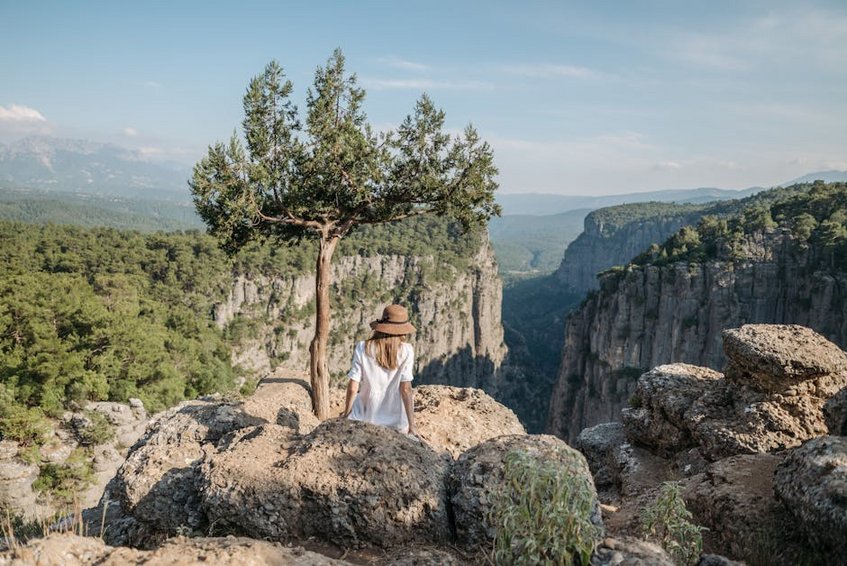
Canyon Exploration in Turkey: Your Guide to Epic Adventures
Turkey’s landscape hides some of the world’s most dramatic and accessible canyon systems, carved over millennia by rivers through limestone and basalt. This unique geography creates playgrounds for hiking, canyoning, photography, and immersive nature experiences across diverse regions like Cappadocia and the Mediterranean coast. Our guide covers essential planning, top destinations, safety tips, and cultural insights for your canyon exploration in Turkey.
Essential Information on Turkish Canyons
Turkey’s canyons are geological wonders, formed by the powerful erosion of rivers like the Köprülü and Göksu. These natural corridors offer more than just scenic beauty; they are historical pathways and ecological havens. Many contain ancient ruins, hidden waterfalls, and unique microclimates supporting diverse flora and fauna.
The variety is staggering, from the trekker-friendly Ihlara Valley to the technical canyoning routes of Saklıkent. Each region presents a different experience, influenced by altitude, rock type, and water flow. Understanding these differences is key to choosing the right adventure for your skill level and interests.
Key Geological Regions
Turkey’s canyons are primarily concentrated in three distinct geological areas.
- Taurus Mountains (Mediterranean): Features deep, water-filled gorges like Saklıkent and Köprülü Canyon, ideal for summer canyoning and rafting due to snowmelt runoff.
- Cappadocia (Central Anatolia): Offers dry, volcanic rock formations such as Ihlara Valley and Red Valley, perfect for hiking and exploring rock-cut churches and dwellings.
- Black Sea Region: Contains lush, verdant gorges like Valla Canyon and Horma Canyon, known for challenging trekking routes through dense forest and high rainfall.
- Budget Hiker: ($25-50/day) Includes public transport (dolmuş), guesthouse stays, self-guided hikes, and grocery meals. Focus on free-access canyons like Ihlara. A rental car split between four people significantly increases flexibility for $40-60/day.
- Adventure Traveler: ($80-150/day) Covers guided half-day canyoning trips, mid-range hotels, and restaurant meals. This tier allows for professional gear rental and instruction on technical routes like Köprülü Canyon.
- Premium Experience: ($200+/day) Features private guided multi-day expeditions, luxury cave hotels in Cappadocia, and all-inclusive packages with photography guides and gourmet picnics in remote locations.
- Republic of Turkey Ministry of Culture and Tourism
- Lonely Planet Turkey Travel Guide
Understanding the Adventure Spectrum
Canyon activities in Turkey range from simple, family-friendly walks to demanding technical expeditions. A dry canyon hike requires good footwear and water, while a canyoning descent demands wetsuits, helmets, and professional guidance for rappelling and swimming. The season dramatically alters conditions, with spring bringing high, cold water and summer offering warmer, lower flows.
Always verify the current conditions and required permits with local authorities or licensed tour operators. Routes can change after winter storms, and water levels can rise rapidly. Your safety depends on accurate, up-to-date local knowledge and proper equipment for the specific canyon you choose.
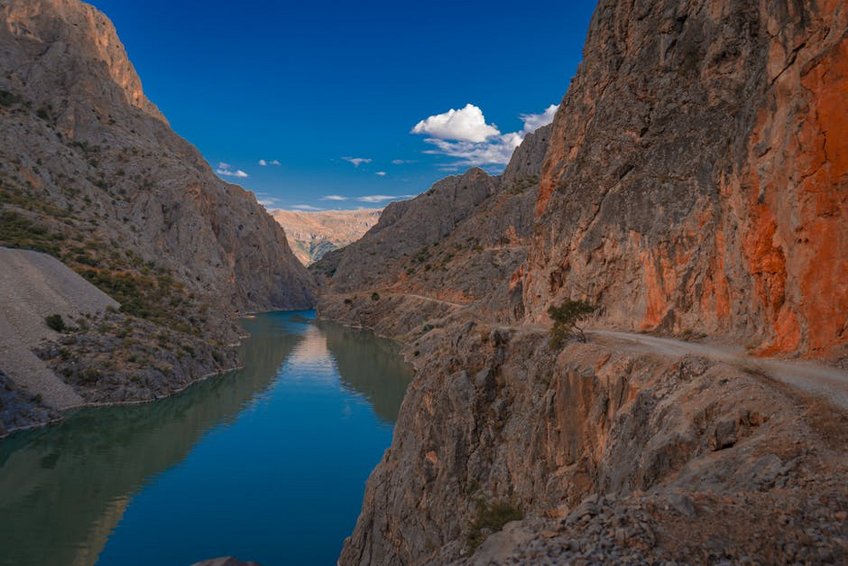
Alt: “saklikent-canyon-turkey-hikers-wading-through-turquoise-water”
Canyon Exploration in Turkey – Planning Your Trip
Successful canyon exploration in Turkey hinges on precise seasonal timing and regional selection. The Mediterranean canyons are best from late May to September when water temperatures are tolerable, while Cappadocia’s dry valleys are pleasant from April to June and September to October. Winter visits are possible but require preparation for cold, and some gorges close entirely.
Budgeting is flexible. Independent hiking can cost as little as $10-20 per day for transport and food. Guided canyoning trips range from $50-80 for half-day excursions to $150+ for full-day technical adventures with gear and lunch. Allocate funds for reliable footwear, a dry bag, and travel insurance covering adventure sports.
Best Time to Visit Turkish Canyons
The prime season for most Turkish canyon activities is between May and October. For water-based canyoning in Saklıkent, aim for June to September when air temps hit 80-95°F (27-35°C) and water is around 60-68°F (16-20°C). This period offers the best balance of warm weather and manageable water flow from melting mountain snow.
Shoulder seasons like April-May and late September-October are perfect for hiking in Cappadocia’s Ihlara Valley, with pleasant temperatures of 60-75°F (15-24°C) and fewer crowds. Avoid peak summer heat there, which can exceed 95°F (35°C). The Black Sea canyons are wettest in spring and fall, requiring quality rain gear.
Budget Planning and Costs
Costs vary widely based on your chosen activity and style.
Essential Preparation Checklist
Footwear is your most critical item. For hiking, use sturdy, ankle-supporting trail shoes with good grip. For canyoning, you need closed-toe water shoes or canyoning boots that drain water; guides usually provide these. Pack quick-dry clothing, a sun hat, biodegradable sunscreen, and a minimum 2-liter water bladder.
Secure a travel insurance policy that explicitly covers “canyoning” or “technical trekking.” Make copies of your passport and visa. Book guided tours at least 48 hours in advance, especially for weekend dates. Check if your destination requires a permit, which operators typically handle. Learn basic Turkish phrases for directions and assistance.
Top Canyons and Adventure Activities
Turkey’s canyon network offers iconic highlights and secret spots waiting for discovery. The most famous sites provide developed infrastructure and easy access, while lesser-known gorges reward visitors with solitude and raw nature. Combining a major destination with a hidden gem creates a perfectly balanced itinerary.
Each canyon has a defining character. Some are museums of human history, others are natural water parks. Matching your activity preference—be it a cultural stroll, a challenging swim, or a heart-pumping rappel—to the right gorge ensures a memorable and satisfying adventure.
Must-See Canyon Highlights
Saklıkent Gorge is Turkey’s deepest and most famous canyon, a 18km-long slash through the Taurus Mountains. You wade and swim through icy, turquoise water between 300m-high walls. The first 1km is a boardwalk, after which you need a guide for further exploration. Visit from June to September and expect entry fees around $2-3.
Ihlara Valley in Cappadocia is a 14km hiking paradise alongside the Melendiz River. Its main draw is over 100 Byzantine rock-cut churches with frescoes, carved directly into the canyon walls. The 4km hike from Ihlara village to Belisırma passes the most accessible churches. Entrance costs about $5, and it’s a year-round destination.
Köprülü Canyon National Park is the epicenter for rafting. The 14km stretch of the Köprüçay River features Class II-III rapids suitable for beginners, with stunning Roman-era Oluk Bridge as a backdrop. Full-day rafting trips including lunch cost $30-40. The area is also excellent for hiking and camping.
Hidden Gems and Local Favorites
Göksu Canyon near Mut offers a spectacular, less-visited alternative for canyoning. Its multi-day expedition requires technical skills for rappels and swims, but day-trip sections are accessible with local guides from Silifke. The canyon cuts through marble, creating stunning blue pools, and is a summer refuge from the heat.
Valla Canyon in the Kastamonu region of the Black Sea is one of the world’s deepest and most challenging trekking canyons. It’s for experienced adventurers only, requiring days of trekking, climbing, and potentially kayaking. Local villages like Pınarbaşı can connect you with certified mountain guides essential for navigation.
For a unique cultural twist, seek out the canyon monasteries of the Black Sea, like the Sumela Monastery perched on a cliff. While not a canyon hike per se, the approach walks through steep, forested valleys offer a similar majestic atmosphere with a profound historical endpoint.
Practical Travel Information
Navigating Turkey’s canyon regions requires understanding the local transportation networks, which blend modern buses with shared minibuses called dolmuş. Major destinations like Cappadocia and Antalya are well-connected by air and long-distance bus. Reaching specific canyon trailheads often requires a final leg by taxi or arranged transfer.
Accommodation ranges from treehouses near Köprülü Canyon to luxurious cave suites in Göreme. Booking platforms like Booking.com work well for standard hotels, but for unique stays like riverside bungalows, contacting the property directly via email or phone often yields better rates and information.
| Destination | Primary Activity & Features | Recommended Stay (USD/Night) |
|---|---|---|
| Göreme, Cappadocia | Base for Ihlara/Red Valley hikes; cave hotels, balloon rides | $80-200 |
| Antalya | Gateway to Saklıkent & Köprülü; resort amenities, old city | $50-150 |
| Fethiye/Ölüdeniz | Access to smaller canyons; beach combo, paragliding | $40-120 |
| Kaş | Launch point for Göksu Canyon; diving, bohemian vibe | $60-180 |