Cambodia Kep Crab Market: Coastal Culinary Adventure
The Cambodia Kep Crab Market delivers fresh seafood directly from fishing boats to your plate in a vibrant waterfront setting. You will find blue swimmer crabs cooked with Kampot pepper alongside local vendors serving authentic Khmer dishes. This guide covers market logistics, cultural insights, and regional attractions for your coastal journey.
Essential Kep and Crab Market Information
Kep transformed from a colonial-era resort town into Cambodia’s premier seafood destination after decades of renewal. The crab market operates daily from sunrise until evening along the Kep Beach waterfront area. Local fishers land their catches at wooden piers where restaurants immediately prepare meals.
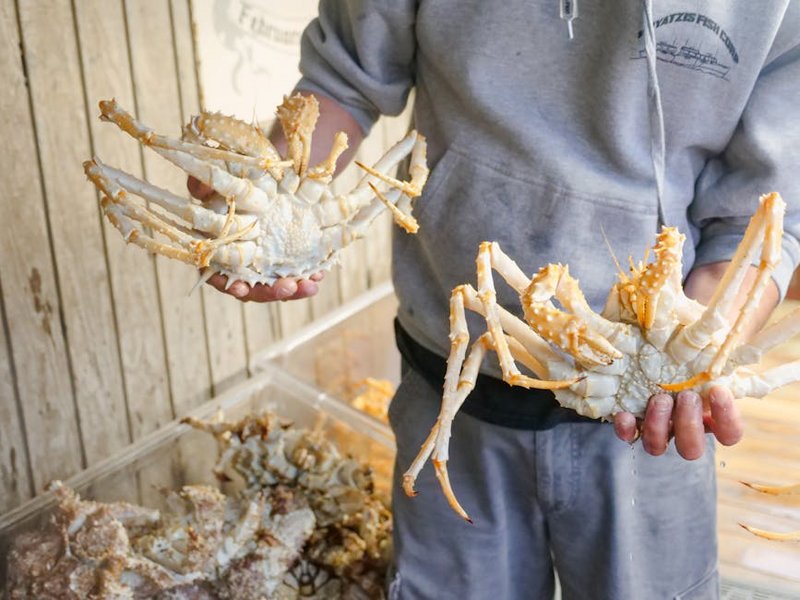
Blue swimmer crabs dominate the market offerings, distinguished by their vibrant blue claws and sweet flesh. Vendors typically charge $3-5 USD per kilogram for live crabs selected from seawater tanks. You point to your chosen seafood, and kitchens grill, steam, or fry it within minutes.
Market History and Significance
Kep’s crab industry dates to the 1960s when French colonists developed the coastline as a retreat. The Khmer Rouge era destroyed infrastructure, but reconstruction began during the 1990s peace period. Today, the market supports hundreds of fishing families and represents Cambodia’s culinary revival.
- Colonial villas abandoned during civil wars now stand as ruins near the market, creating atmospheric photography opportunities amid modern development.
- Kampot pepper farms supply the market’s signature seasoning, featuring protected geographical indication status since 2010 for its unique terroir.
- Community tourism initiatives train former fishers as guides, offering boat trips to nearby Rabbit Island and fishing demonstrations.
- Budget travelers spend $15-25 USD daily using guesthouses, local buses, and market meals featuring crab with rice for $4-6 USD. Save by visiting nearby Kep National Park for free hiking and swimming at public beaches.
- Mid-range visitors allocate $40-70 USD for boutique hotels, tuk-tuk rentals, and crab feasts with multiple courses. Splurge on sunset boat tours to Rabbit Island costing $15-20 USD including snorkeling gear rental.
- Luxury experiences cost $100-200 USD nightly at colonial-era villas with private chefs preparing market seafood. Charter fishing boats for $80-120 USD per half-day to catch your own crabs with local guides.
- Cambodia Ministry of Tourism
- Lonely Planet Kep Travel Guide
What to Expect at the Market
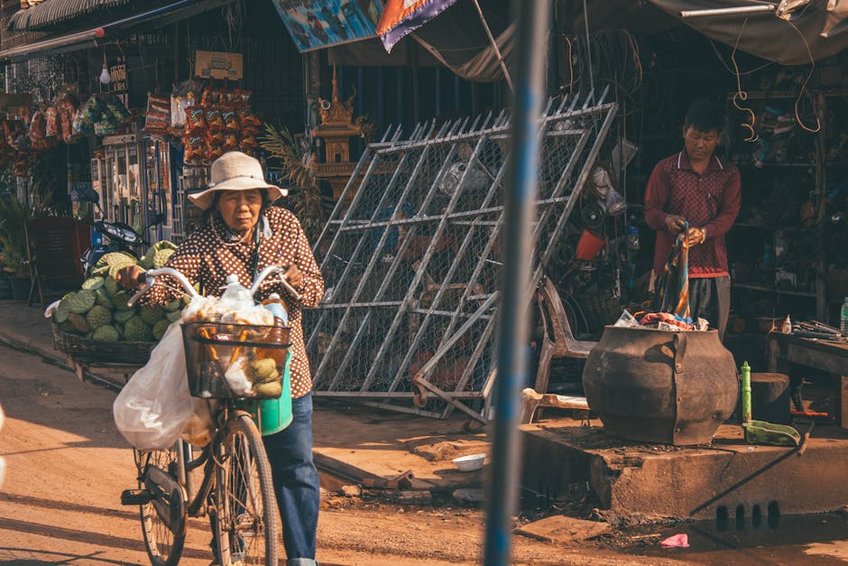
Prepare for bustling crowds during peak hours between 11 AM and 2 PM when Cambodian families arrive for lunch. Concrete platforms display seafood on ice while smoke from grills fills the air with aromatic spices. You negotiate directly with vendors rather than using fixed-price menus.
Bring small US dollar bills since Cambodian riel serves as secondary currency, and credit cards receive limited acceptance. Communal plastic tables overlook the Gulf of Thailand, creating casual dining environments. Servers bring complimentary dipping sauces like tuk meric (lime-pepper) and fermented fish paste.
Seafood Variety and Selection Tips
Beyond crabs, the market offers squid, prawns, clams, and seasonal fish like barracuda and mackerel. Live specimens guarantee freshness, so avoid pre-cooked items sitting under heat lamps. Vendors appreciate when customers inspect gills for redness and eyes for clarity in fish.
Negotiate politely by asking “t’lay ponman?” (how much?) before countering with “t’lay choh” (too expensive). Successful haggling typically achieves 10-20% discounts during slower afternoon periods. Pointing and smiling works effectively across language barriers.
Alt: “kep-crab-market-vendors-cooking-fresh-seafood”
Cambodia Kep Crab Market – Planning Your Trip
Your Cambodia Kep Crab Market visit requires strategic timing between November and April when dry conditions optimize coastal exploration. Budget $25-50 USD daily for market meals, transportation, and incidental expenses during your stay. Reserve accommodations early during Cambodian holidays when domestic travelers fill beachside guesthouses.
Western passport holders receive 30-day visa-free entry to Cambodia, though visa-on-arrival remains available at major airports. Purchase reliable travel insurance covering food poisoning and heat-related illnesses common in tropical climates. Download Grab or PassApp ride-hailing applications for convenient transportation between attractions.
Best Time to Visit Kep Crab Market
Visit between December and February when temperatures range from 75°F to 89°F (24°C to 32°C) with minimal rainfall and comfortable humidity levels. Morning visits around 9 AM avoid lunch crowds while ensuring seafood selection remains plentiful. Shoulder months like November and March offer lighter tourism with occasional brief showers.
May through October constitutes rainy season, characterized by short afternoon downpours and 90% humidity, though seafood prices drop 20-30%. Khmer New Year in mid-April brings massive crowds, requiring restaurant reservations days in advance. Check lunar calendars for Pchum Ben festival in September when many vendors close for ancestral ceremonies.
Budget Planning and Costs
Kep accommodates various spending levels through these tiered options.
Essential Preparation Checklist
Pack quick-dry clothing, reef-safe sunscreen, and waterproof bags for sudden tropical showers during market visits. Bring digestive aids like probiotics since Cambodian cuisine introduces unfamiliar spices and preparation methods. Comfortable sandals prove essential for navigating wet market floors and sandy pathways.
Secure comprehensive travel insurance covering medical evacuation, as provincial hospitals lack advanced facilities found in Phnom Penh. Book domestic flights from Siem Reap to Sihanoukville or buses from Phnom Penh 2-3 weeks ahead for peak season travel. Obtain Vietnamese visas beforehand if planning side trips to Ha Tien via the nearby border crossing.
Top Attractions and Activities in Kep
Kep extends beyond crab consumption with historical sites, natural wonders, and cultural encounters across its compact coastline. The Kep National Park features 8 hiking trails through jungle canopy with viewpoints overlooking neighboring Vietnam. Abandoned 1960s villas scattered throughout the town create haunting architectural photography opportunities.
Rabbit Island (Koh Tonsay) sits 20 minutes offshore via fishing boat, offering pristine beaches and rustic bungalows for overnight stays. The Kep Butterfly Farm educates visitors about local conservation efforts while providing enclosed gardens for photography. Local guides lead kayaking tours through mangrove forests where migratory birds nest seasonally.
Must-See Highlights
The Crab Statue at Kep Beach serves as the town’s iconic landmark, depicting giant crustaceans amid fountains and seating areas. Visit around golden hour for optimal photography with sunset reflections on the water. Entrance remains free with nearby parking costing $1 USD for motorcycles or $2 USD for cars.
Kep National Park’s main trail loops 8 kilometers through dense forest with signed viewpoints like Sunset Rock and Lone Tree. Hire local guides at the entrance for $5-10 USD to identify medicinal plants and wildlife including macaques and hornbills. The park opens daily from 6 AM to 6 PM with $1 USD admission supporting maintenance.
Koh Tonsay (Rabbit Island) features thatched-roof restaurants serving lobster and grilled fish right on the sand. Boat departures from Kep Pier cost $10 USD roundtrip with flexible return timing throughout the day. Pack snorkeling gear to explore coral reefs visible from the main beach during low tide.
Hidden Gems and Local Favorites
Veranda Natural Resort’s secret beach access reveals tidal pools and volcanic rock formations rarely visited by tourists. Follow the staircase beside the resort’s restaurant downward during low tide for secluded swimming. Local families picnic here on weekends, offering opportunities for cultural exchange.
Knai Bang Chatt Hotel’s Sailing Club hosts sunset cocktail hours with complimentary canapés for non-guests purchasing drinks. The modernist architecture contrasts with traditional Khmer design, creating sophisticated ambiance. Reserve waterfront daybeds 24 hours ahead during high season from December to February.
Coastal Exploration and Water Activities
Private boat charters from Kep Harbor visit multiple islands like Koh Pos and Koh Svay for snorkeling and beach combing. Negotiate rates directly with boat owners at $50-80 USD for four-hour excursions including equipment. Morning departures ensure calmer seas and better underwater visibility before afternoon winds.
Stand-up paddleboard rentals available at Kep Beach cost $8-10 USD hourly for exploring coastline caves and inlets. Beginners should opt for morning sessions when water remains glassy, while experienced paddlers can journey to nearby fishing villages. Guides provide safety briefings and route suggestions based on current conditions.
Practical Travel Information
Kep’s compact size makes navigation easy, with most attractions within 3 kilometers of the crab market area. Transportation options include tuk-tuks, motorbike rentals, and bicycle hires for economical exploration. Accommodation ranges from beachfront bungalows to luxury resorts, though advance booking proves essential during holidays.
| Category | Options/Features | Price Range (USD) |
|---|---|---|
| Budget Accommodation | Guesthouses with fan rooms, shared bathrooms, and basic breakfast included | $12-25 |
| Mid-Range Accommodation | Boutique hotels with air conditioning, private balconies, and swimming pools | $35-80 |
| Luxury Accommodation | Villas with sea views, spa services, and private chefs available | $120-300 |
| Transportation | Tuk-tuks per ride, motorbike rentals daily, bicycle hires including locks | $2-8 |