Bogotá Travel Guide: Navigate Colombia’s Bustling Capital with Confidence
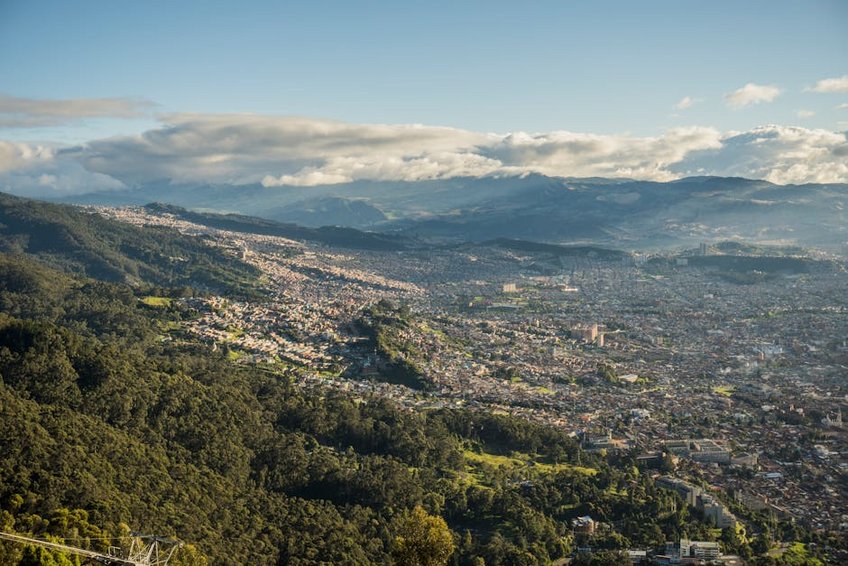
Bogotá sprawls across an Andean plateau at 8,660 feet, offering a dynamic blend of colonial history, world-class museums, and cutting-edge gastronomy. This Bogotá travel guide provides the essential framework for navigating its diverse neighborhoods, from the cobblestone charm of La Candelaria to the gourmet hubs of Chapinero Alto. You will learn practical strategies for altitude acclimation, budget-friendly exploration, and experiencing the city’s renowned cultural pulse safely and efficiently.
Essential Bogotá Information
Colombia’s capital is a city of contrasts, where glass skyscrapers tower over historic plazas. Founded in 1538 by Spanish conquistador Gonzalo Jiménez de Quesada, its growth has been shaped by pre-Columbian history, colonial rule, and rapid 20th-century modernization. Today, it’s the political, economic, and cultural heart of the nation, home to nearly 8 million people in its metropolitan area.
The city’s high-altitude location significantly influences its climate and your experience. Temperatures remain spring-like year-round, typically ranging from 46°F to 66°F (8°C to 19°C). This stability means you can plan a visit during any month without extreme weather concerns. However, frequent cloud cover and afternoon showers are common, earning Bogotá its nickname “La Nevera” (The Refrigerator).
Understanding the city’s layout is your first step to easy navigation. The sprawling urban area is divided by number streets (calles) running east-west and number avenues (carreras) running north-south. The historic downtown, La Candelaria, sits at the city’s southern end, while the modern financial and entertainment districts extend northward into areas like Zona T, Parque 93, and Usaquén.
Key Facts at a Glance
Before you pack, here are the foundational details every visitor should know.
- Language: Spanish is the official language. While English is spoken in tourist areas and upscale establishments, learning basic Spanish phrases greatly enhances your experience and interactions with locals.
- Currency: The Colombian Peso (COP). As of recent rates, 1 USD equals approximately 3,900 COP. You’ll find ATMs widely available, and credit cards are accepted in most shops and restaurants.
- Visa Requirements: U.S., Canadian, U.K., Australian, and EU passport holders do not need a visa for tourist stays of up to 90 days. Your passport must be valid for the duration of your stay.
- Budget Traveler ($50-70 USD/day): Stay in a highly-rated hostel in La Candelaria ($15-25/night). Eat at local markets and ‘menu del dia’ lunch spots ($3-7/meal). Use the TransMilenio bus system ($0.70/ride) and walk extensively. Enjoy free walking tours and visit museums on free admission days (often Sundays).
- Mid-Range Traveler ($100-150 USD/day): Opt for a boutique hotel or Airbnb in Chapinero ($60-90/night). Dine at a mix of local eateries and nice restaurants in Zona G ($10-25/meal). Use a mix of TransMilenio and occasional ride-shares for longer distances. Book a few guided tours, like a graffiti walking tour or a food tasting experience.
- Luxury Traveler ($250+ USD/day): Choose a five-star hotel in the Zona Rosa or Parque 93 area ($150-300/night). Enjoy degustation menus at top-tier restaurants like Leo or El Chato ($80+ per person). Arrange private drivers or guided day trips. Experience exclusive cultural performances or spa treatments.
- Bogotá Tourism Official Website
- Lonely Planet Bogotá Guide
Climate and Weather Patterns
The Andean climate is famously unpredictable within a single day. Mornings often dawn clear and sunny, perfect for outdoor sightseeing. By early afternoon, clouds typically roll in from the mountains, frequently leading to rain showers that last a few hours. Evenings can become quite chilly once the sun sets.
This pattern dictates a strategic packing approach. You should dress in layers every day. A typical outfit includes a t-shirt, a light sweater or fleece, and a waterproof windbreaker or jacket. Always carry a compact umbrella or a rain poncho in your daypack. The city’s elevation also demands sun protection, as UV rays are stronger at altitude.
Safety Considerations and Neighborhood Awareness
Bogotá’s safety landscape has improved dramatically, yet smart precautions remain essential. Petty theft, like pickpocketing and phone snatching, is the most common issue for tourists. You can mitigate these risks by staying alert in crowded areas, not flashing expensive electronics, and using ride-sharing apps like Uber or Cabify at night instead of hailing street taxis.
Neighborhood safety varies considerably. La Candelaria requires extra vigilance, especially after dark and on its quieter side streets. For evening activities, stick to well-lit, busy areas like the Plaza Chorro de Quevedo. The northern districts of Chapinero, Zona G, and Usaquén generally feel safer and are bustling with cafes and restaurants into the night.
Alt: “bogota-colombia-la-candelaria-historic-district-colonial-architecture”
Bogotá Travel Guide – Planning Your Trip
Successfully exploring this vast metropolis requires thoughtful preparation centered on its unique elevation and urban sprawl. Your Bogotá travel guide strategy should allocate days based on your interests, mixing high-energy cultural exploration with relaxed neighborhood immersion. Most visitors find four to five days sufficient to experience the major highlights without feeling rushed, allowing time for day trips to nearby attractions like the Salt Cathedral of Zipaquirá.
Budget planning is highly flexible. A daily budget of $50-$70 USD covers hostel dorms, local meals, public transit, and museum entry. A mid-range budget of $100-$150 USD allows for boutique hotel stays, nicer restaurant meals, and guided tours. Luxury travelers can expect world-class hotels and dining for $250+ USD per day. Always keep some cash in small denominations for markets and tiendas.
Logistics begin with booking accommodations in a neighborhood that matches your travel style. La Candelaria is ideal for history buffs on a budget, while Chapinero offers a more local, residential vibe with great food. Zona T and Parque 93 are perfect for those seeking nightlife and upscale shopping. Book your hotel at least a month in advance for peak season visits.
Best Time to Visit Bogotá
The city enjoys consistent temperatures year-round, making any month viable. However, the dry seasons, from December to March and July to August, are considered peak. These months see less daily rainfall, providing more reliable hours for outdoor exploration and clearer views from Monserrate. Expect higher hotel rates and more tourists during these periods, especially around Christmas and Easter.
The rainy seasons, April-May and September-November, offer their own advantages. You will encounter fewer crowds and better hotel deals. While afternoon showers are more frequent, mornings are often still clear. This is an excellent time for museum-hopping and enjoying the city’s thriving cafe culture. The city’s many indoor attractions make a Bogotá visit enjoyable regardless of rainfall.
Budget Planning and Costs
Your daily costs will vary dramatically based on accommodation and dining choices. Here is a realistic breakdown for different travel styles.
Essential Preparation Checklist
Packing correctly is crucial for comfort in Bogotá’s climate. Your suitcase must include layered clothing: moisture-wicking base layers, insulating mid-layers like fleece, and a waterproof outer shell. Sturdy, comfortable walking shoes are non-negotiable for navigating hills and cobblestones. Also pack altitude sickness remedies if you’re sensitive, and a portable power bank for your phone.
Beyond gear, secure comprehensive travel insurance that covers medical emergencies and trip interruptions. While no special vaccinations are required for entry, standard ones like Hepatitis A and Typhoid are recommended. Download offline maps on Google Maps and the Spanish dictionary app on your phone. Notify your bank of your travel plans to avoid card blocks on international transactions.
Top Attractions and Cultural Experiences
Bogotá’s cultural wealth is staggering, from its pre-Columbian gold artifacts to its politically charged street art. The city rewards visitors who look beyond the surface, offering deep dives into Colombia’s complex history and vibrant contemporary arts scene. You should balance iconic must-see sites with immersive neighborhood walks to capture the full spectrum of its character.
Many top museums are concentrated in the historic center, allowing for an efficient cultural circuit. The famous Gold Museum and Botero Museum are just a short walk from the grand Plaza de Bolívar. Meanwhile, the city’s creative pulse is best felt in the graffiti-covered streets of La Candelaria and the independent galleries of Chapinero Alto. Each district tells a different part of the Colombian story.
Must-See Highlights
The Museo del Oro (Gold Museum) is simply unmissable, housing the world’s largest collection of pre-Hispanic gold artifacts. Plan for at least two hours to appreciate its 55,000 pieces, with the stunning Muisca raft being the centerpiece. Admission is under $1 USD, and it’s closed on Mondays. Arrive early to avoid the largest school group crowds.
Riding the cable car or funicular to the top of Monserrate mountain provides the definitive panoramic view of the city sprawling across the savanna. Visit on a clear morning for the best visibility, or in the late afternoon to see the city lights begin to twinkle. At the summit, you’ll find a church, gardens, and several restaurants. The round-trip ticket costs about $7 USD.
The Botero Museum in La Candelaria showcases the whimsical, voluminous works of Colombia’s most famous artist, Fernando Botero, alongside his personal collection of international masters. Housed in a beautifully restored colonial mansion, it offers free admission, making it one of the city’s most accessible cultural treasures. Allow an hour to wander its airy galleries.
Hidden Gems and Local Favorites
For a break from the downtown bustle, seek out the Quinta de Bolívar. This preserved country estate was once home to Simón Bolívar and offers a tranquil glimpse into 19th-century aristocratic life amidst lush gardens. It’s a serene spot often overlooked by tourists rushing between bigger museums. The quiet ambiance provides a perfect historical counterpoint.
Explore the Mercado de las Pulgas de Usaquén, a sprawling flea market held every Sunday in the charming northern district of Usaquén. Here, you can browse antiques, handicrafts, and local artwork while soaking in the neighborhood’s colonial atmosphere. Afterwards, enjoy a leisurely brunch at one of the many excellent cafes lining the square, a favorite weekend ritual for locals.
Exploring the Street Art Scene
Bogotá is a global street art capital, with murals serving as a vibrant, open-air dialogue on politics, peace, and social issues. The best way to experience it is through a guided walking tour in La Candelaria or the downtown financial district. Knowledgeable guides explain the symbolism behind the works of famous artists like DJLU and Crisp, transforming walls into narrative canvases.
You can also explore independently along Calle 26, where large-scale murals dominate, or in the bohemian neighborhood of Chapinero Alto. Remember to be respectful; this is considered art, not vandalism. Never take a tour that encourages painting or defacing property. The art is ephemeral, changing constantly, making each visit a unique snapshot of the city’s contemporary voice.
Practical Travel Information
Navigating Bogotá’s size and traffic requires a smart mix of transportation options. The TransMilenio bus rapid transit system is efficient for traveling along its main dedicated lanes, especially during rush hour when car traffic stalls. For cross-town trips or travel at night, ride-sharing apps like Uber, Beat, or Cabify are safer, more comfortable, and reasonably priced, with trips across the city rarely exceeding $10-15 USD.
Accommodation choices define your trip’s rhythm. Staying in La Candelaria places you steps from history but with limited nightlife. The Chapinero district strikes an excellent balance, with great local dining and easy transit access. Zona T (Zona Rosa) is the epicenter of upscale shopping, dining, and clubs, ideal for those wanting vibrant nightlife right outside their door.
| Accommodation Type | Best Neighborhoods & Features | Price Range (USD/Night) |
|---|---|---|
| Hostels & Budget Guesthouses | La Candelaria (historic, social), Chapinero (local vibe). Look for 24hr reception and secure lockers. | $15 – $40 |
| Mid-Range Boutique Hotels | Chapinero, Quinta Camacho (gourmet area). Often include breakfast and stylish, localized design. | $60 – $120 |
| Upscale Business Hotels | Zona T, Parque 93 (nightlife, dining). Feature gyms, multiple restaurants, and concierge services. | $130 – $250 |
| Luxury & International Chains | Usaquén (charming), North of Calle 100 (exclusive). Offer spas, fine dining, and panoramic city views. | $250 – $400+ |