Barbados February Climate: Your Guide to the Perfect Winter Escape
February offers the absolute best of the Barbados climate, delivering consistently sunny skies, warm trade winds, and blissfully low humidity. This month sits firmly in the island’s dry season, providing visitors with reliably perfect beach weather and ideal conditions for everything from snorkeling to exploring historic plantations. This guide covers exactly what to expect from Barbados February weather patterns, helping you plan your activities, pack smart, and enjoy every moment of your Caribbean getaway.
Understanding Barbados’s Seasonal Weather
The island’s tropical climate is moderated by northeastern trade winds, creating a year-round warm environment divided into two main seasons. The dry season runs from December to May, characterized by less rainfall, lower humidity, and more consistent sunshine. The wetter season spans June to November, bringing higher humidity and a greater chance of brief, intense showers, though sunny days are still common.
February is arguably the peak of the dry season, benefiting from the cumulative effect of several months of minimal rain. This results in landscapes that are lush from earlier rains but not overgrown, and ocean visibility that is exceptionally clear. The consistent weather patterns make planning outdoor activities weeks in advance a reliable endeavor.
Key Weather Drivers in February
The primary factors shaping your experience are the Atlantic trade winds and the island’s position outside the main hurricane belt.
- Northeast Trade Winds: These constant breezes from the Atlantic keep the air fresh and comfortable, preventing the heat from becoming oppressive even during the midday sun. They average 14-18 mph, making them perfect for sailing and windsurfing.
- Low Hurricane Risk: Barbados is situated at the easternmost edge of the Caribbean, and the official Atlantic hurricane season runs from June to November. February carries virtually no risk of tropical storms, contributing to its popularity.
- Ocean Currents: Warm currents maintain superb water temperatures while cooler upwellings on the east coast create the famous surf at Soup Bowl, attracting experienced surfers from around the globe.
- Budget-Conscious: ($2,800-$3,500 total) Stay in a south coast guesthouse or Airbnb, use public ZR vans, focus on free beaches like Accra, and eat at local rum shops and food vans. Allocate funds for one or two paid excursions like a Friday night fish fry.
- Mid-Range Comfort: ($4,500-$6,500 total) This covers a boutique hotel on the south coast, a rental car for 3-4 days, several nice dinners at restaurants like The Tides or Champers, and multiple booked tours such as a snorkel trip and a Harrison’s Cave tour.
- Luxury Experience: ($9,000+ total) Includes a villa or suite on the Platinum Coast, a premium rental car for the week, private charters, dining at fine establishments like The Cliff, and spa treatments. This tier offers maximum privacy and tailored service.
- Barbados Tourism Marketing Inc.
- Barbados.org Historical Climate Data
Monthly Climate Breakdown for Winter Visitors
Understanding the subtle shifts from December through March helps explain why February stands out. December and January are beautiful but can occasionally see a passing weather front. By February, these fronts have typically dissipated, leading to supreme stability.
March begins the gradual transition towards warmer and slightly more humid conditions as the island moves toward the end of the dry season. Therefore, February often represents the sweet spot: guaranteed dry weather, manageable crowds post-Christmas, and a truly idyllic environment. The agricultural harvest season also begins, meaning fresh produce is abundant.
Microclimates Across the Island
While uniformly warm, conditions can vary slightly from coast to coast. The west and south coasts, home to the famous Platinum Coast and Bridgetown, are typically the driest and calmest, with sheltered beaches. The Atlantic-facing east coast is windier, cooler, and receives marginally more rainfall, creating dramatic cliffs and powerful surf. The central highland area, around Cherry Tree Hill, can be a few degrees cooler due to elevation.
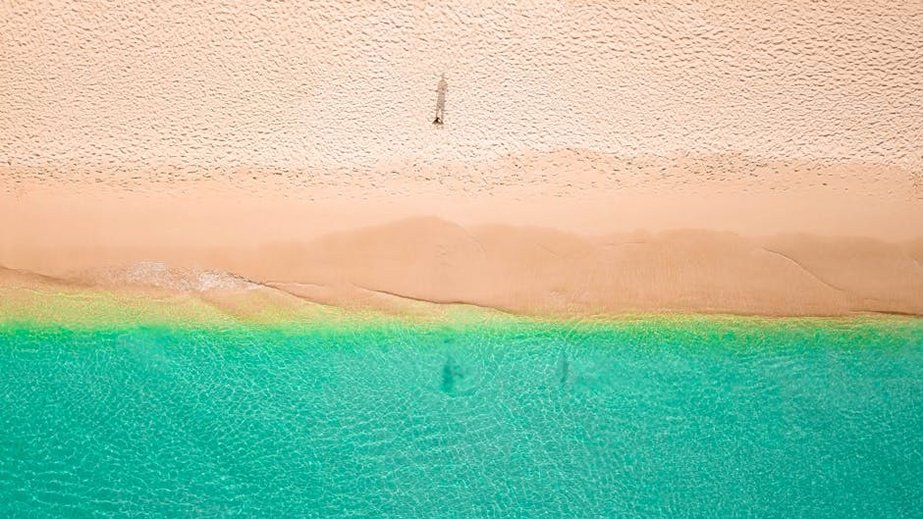
Alt: “barbados-february-beach-calm-turquoise-water-palm-trees”
Barbados February Climate – Planning Your Trip
To fully capitalize on the superb Barbados February climate, strategic planning is essential. This month is one of the most popular for travel, so early bookings for flights and coveted accommodations are a must. You will be competing with other winter-weary travelers and visitors attending events like the Holetown Festival, which commemorates the island’s first settlement.
Your daily itinerary should leverage the predictable weather pattern: mornings are perfect for active adventures or sightseeing, midday is ideal for lounging by the pool or beach, and late afternoons are excellent for scenic drives or enjoying the golden hour light. The consistency of the conditions allows for a perfectly balanced vacation schedule.
Consider splitting your stay between different coasts to experience the varied microclimates. A few nights in a serene east coast villa offer a different perspective from a south coast hotel. This approach lets you enjoy both the calm Caribbean Sea and the rugged Atlantic energy.
Best Time to Visit for Specific Activities
For classic beach relaxation and calypso music, February is unbeatable. Peak beach weather occurs between 10 a.m. and 3 p.m., when sun intensity is highest. Always use reef-safe sunscreen. Water sports like snorkeling at Carlisle Bay or a catamaran cruise are best booked for morning departures when seas are typically calmest.
If your goal is surfing, the east coast’s Soup Bowl delivers world-class waves consistently throughout the month. Hikers and nature enthusiasts should plan explorations of Welchman Hall Gully or the Scotland District in the early morning to avoid the peak heat. The cooler, lush interior is a pleasant contrast to the coastal warmth.
Budget Planning and Costs
February is a premium travel period, so costs reflect high demand. Here is a realistic budget breakdown for a one-week trip for two.
Essential Preparation Checklist
Packing for the Barbados February climate is straightforward but requires sun protection. Essentials include high-SPF reef-safe sunscreen, a wide-brimmed hat, UV-protection sunglasses, and a reusable water bottle. Pack light, breathable clothing, a cover-up for beach-to-street transitions, and a light sweater or shawl for occasionally breezy evenings.
Ensure your travel documents are in order. U.S., Canadian, and EU citizens need a valid passport but not a visa for stays under 90 days. Purchase comprehensive travel insurance that covers medical emergencies and trip interruption. Book popular restaurants at least two weeks in advance, especially for Valentine’s Day weekend.
What to Expect Day by Day
A typical February day in Barbados dawns bright and clear, with temperatures already pleasant. Morning humidity is low, making it an excellent time for exercise or exploration. The sun climbs steadily, reaching its peak intensity by midday, which is when you’ll appreciate the shade of a palm tree or a cool dip in the pool.
The trade winds provide a constant, refreshing breeze throughout the afternoon, keeping the heat comfortable. As the sun begins its descent, the light turns golden, creating spectacular photo opportunities, particularly along the west coast. Evenings are warm and comfortable, rarely requiring more than a light layer, perfect for open-air dining.
Average Daily Temperature and Sea Conditions
Daily high temperatures reliably range from 84°F to 86°F (29°C to 30°C). Overnight lows dip to a comfortable 72°F to 75°F (22°C to 24°C). The sea temperature is incredibly inviting, averaging 80°F (27°C), which feels like bathwater and allows for extended swimming and snorkeling sessions without a wetsuit.
Rainfall is minimal, with an average of just 1.5 inches for the entire month, typically manifesting as a brief, light passing shower if it occurs at all. You can expect an average of 9 hours of brilliant sunshine per day. UV indexes are consistently “Very High” (8-10), so sun protection is non-negotiable.
Sunlight and Sunset Timeline
Days in February are gradually lengthening. Sunrise occurs around 6:15 a.m., offering early risers stunning morning light. Sunset is around 6:00 p.m., providing a consistent 12 hours of daylight for activities. The twilight period is relatively short, so plan to be in position for the famous green flash—a rare optical phenomenon—about 20 minutes before the sun fully dips below the horizon.
Top Activities and Coastal Experiences
The guaranteed good weather opens up the full spectrum of Barbadian adventures. From underwater exploration to cultural festivals, every day can be packed with memorable experiences. The calm Caribbean Sea on the leeward side is ideal for beginners in water sports, while the Atlantic side offers thrilling spectacles for observers and challenges for experts.
Beyond the beach, the pleasant climate makes exploring the island’s UNESCO World Heritage site of historic Bridgetown, lush botanical gardens, and sprawling rum distilleries a joy. You can comfortably spend hours outdoors without the discomfort of extreme heat or rain interruptions.
Must-Do Water-Based Activities
With sea temperatures this warm, spending time in the water is essential. Snorkeling and turtle encounters at spots like Carlisle Bay or over shallow wrecks are fantastic. Chartering a catamaran for a sail and swim lunch cruise along the coast is a quintessential Barbados experience, best enjoyed in February’s steady breezes.
For something unique, try a submarine tour to view coral reefs and marine life without getting wet, or take a surfing lesson on the gentle waves of the south coast. The clear water visibility, often exceeding 100 feet, also makes February a prime month for scuba diving to explore reefs, walls, and wrecks.
Cultural and Land-Based Explorations
Attend the Holetown Festival in mid-February, a week-long celebration of music, food, and history commemorating the 1627 landing of the first settlers. Tour the historic plantation houses like St. Nicholas Abbey, where the grounds are particularly beautiful during the dry season. Visit one of the famed rum distilleries, such as Mount Gay or Foursquare, for a tasting and to learn about the island’s most famous export.
Practical Travel Information for February
Navigating logistics during this busy month requires some foresight. Flight prices are at their annual peak, so book airfare three to six months in advance for the best deals. Rental cars are in high demand; reserve yours as soon as your flights are confirmed to avoid limited selection and higher prices.
Accommodation rates reflect the peak season. Many hotels enforce minimum stay requirements of 5-7 nights. Consider your priorities: the west coast offers luxury and calm seas, the south coast has more vibrancy and mid-range options, and the east coast provides seclusion and dramatic scenery.
| Accommodation Type | Best For & Features | Avg. Nightly Rate (USD) |
|---|---|---|
| Luxury Resort (West Coast) | Couples, luxury service, private beaches, gourmet dining | $800 – $2,000+ |
| Boutique Hotel (South Coast) | Social travelers, walkable to restaurants, good value | $300 – $600 |
| Self-Catering Villa | Families & groups, privacy, kitchen facilities, pools | $500 – $1,500 |
| Guesthouse / B&B | Solo travelers & budget-conscious, local experience | $120 – $250 |