

Baby Travel Checklist: Essentials for Stress-Free Journeys
Traveling with a baby transforms any trip into an adventure that requires detailed preparation and the right gear. A comprehensive baby travel checklist ensures you don’t forget critical items that can make the difference between a smooth journey and a stressful ordeal. This guide covers everything you need to pack, from daily essentials to emergency supplies, tailored for plane rides, road trips, and international travel.
Essential Information for Traveling with an Infant
Planning a trip with a little one involves more than just packing a diaper bag. You must consider your baby’s age, the destination’s infrastructure, and the mode of transportation. Infants under three months have different needs than mobile toddlers, and a beach vacation requires different items than a city break.
Always check your destination’s access to pharmacies and grocery stores that stock your preferred baby brands. International travel adds layers of complexity, including passport requirements and airline policies for carry-ons and liquids. A successful family trip starts with anticipating needs before they arise.
Critical Documentation and Health Items
Before you pack a single outfit, ensure all paperwork is in order. These documents are non-negotiable for a hassle-free journey.
- Passport and visa: Every traveler, including newborns, needs their own passport for international flights. Apply at least three months before departure, as processing times vary. Some countries also require a visa for infant visitors.
- Health insurance cards and vaccination records: Carry a copy of your baby’s immunization records and your health insurance card. For international trips, consider purchasing supplemental travel insurance that covers pediatric care.
- Pediatrician’s contact information and a signed medical consent form: Have your doctor’s phone number handy. If traveling without your partner, a notarized letter of consent is wise for crossing borders to prove you have permission to travel with the child.
- Budget Option ($50-150 extra): Focus on borrowing gear like portable cribs and car seats. Book flights during off-peak times where lap infants (under 2) fly free on domestic routes. Stay in vacation rentals with kitchenettes to prepare your own baby food and bottles.
- Mid-Range Option ($150-400 extra): Invest in key travel-specific items like a lightweight umbrella stroller and a compact travel crib. Purchase a seat for your baby on the plane for comfort and safety, bringing your FAA-approved car seat. Choose hotels with family-friendly amenities like cribs and microwaves.
- Luxury Option ($400+ extra): Utilize premium airport lounges for calm pre-flight spaces. Hire baby gear rental services at your destination to avoid packing entirely. Book tours with private guides who can accommodate your family’s pace and needs.
- TSA Guidelines for Traveling with Children
- American Academy of Pediatrics HealthyChildren.org
- CDC Travelers’ Health
Climate and Destination-Specific Considerations
Your packing list changes dramatically based on weather and location. A ski trip demands insulated layers, while a tropical destination requires sun protection and lightweight fabrics. Research average temperatures and weather patterns for your travel dates.
Consider the availability of laundry facilities at your accommodation. This allows you to pack fewer clothing items. For city travel, a compact, lightweight stroller is essential. For outdoor adventures, a robust baby carrier might be more practical than a stroller.
Transportation Mode Essentials
Your packing strategy depends heavily on how you’re traveling. Air travel has strict limits on liquids and carry-on sizes, while car trips offer more space but require careful planning for comfort and safety.
Flying with a baby means preparing for ear pressure during takeoff and landing. Pack a pacifier or bottle for them to suck on. For long car rides, plan for frequent stops every two hours for diaper changes, feeding, and letting your baby stretch out.
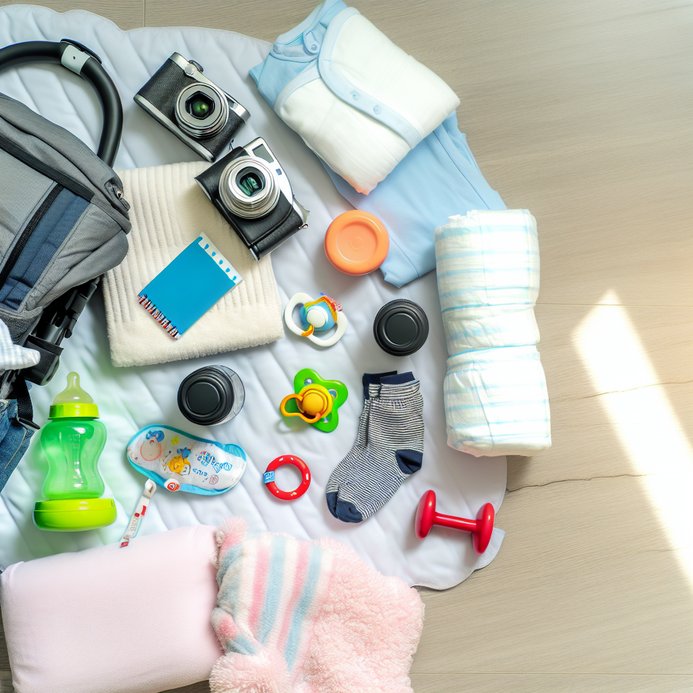
Alt: “packed-diaper-bag-essentials-for-baby-travel”
Baby Travel Checklist: Planning Your Trip
Creating a master packing list is the most effective way to ensure you have everything for your infant’s needs. Start your list a week or two before departure, adding items as you think of them. Categorize items by function, such as feeding, diapering, clothing, and comfort.
Check airline policies regarding strollers, car seats, and baby food. Most airlines allow you to check a stroller and car seat for free. They also permit reasonable amounts of baby formula, breast milk, and baby food in your carry-on, even if it exceeds the standard liquid limit.
Build a compact “diaper bag” version of your checklist for daily outings at your destination. This should include just the essentials for a few hours away from your home base, like diapers, wipes, a change of clothes, and snacks.
Best Time to Travel with a Baby
The ideal window for infant travel is often between 3 and 9 months old. Babies at this age are not yet mobile, often sleep a lot, and can be easily comforted. They also usually have established feeding and sleeping routines, which are easier to manage on the go.
Avoid peak travel seasons like major holidays if possible, as airports and roads are more crowded and stressful. Shoulder seasons—late spring and early fall—typically offer milder weather and fewer tourists, making outings more pleasant for the whole family.
Budget Planning and Costs
Traveling with a baby introduces new costs. Budget for gear, possible extra baggage fees, and accommodations that suit family needs.
Essential Preparation Checklist
Finalize your plans one week before departure. Confirm all bookings, including requests for cribs or bassinets. Do a trial pack of your diaper bag and suitcases to ensure everything fits. Wash and set aside all baby clothes and linens you plan to bring.
Pack a separate, easily accessible “flight bag” or “car trip bag” with immediate needs: diapers, wipes, a full change of clothes for baby (and one for you), bottles, formula or snacks, favorite small toys, and any medications. This bag should never be checked.
Top Baby Gear and Must-Pack Items
The right equipment can make traveling with an infant manageable and even enjoyable. Focus on items that serve multiple purposes, collapse for easy transport, and meet safety standards for your mode of travel. Test new gear, like a new carrier or travel crib, at home before your trip.
Prioritize items that will help your baby sleep and eat comfortably in a new environment. Familiar sleep sounds, a favorite lovey, and their usual brand of formula or baby food provide crucial consistency. Don’t forget items for your comfort, like a hands-free pumping bra or a comfortable baby carrier.
Must-Have Travel Gear
These items consistently top lists for smart family travel. A lightweight, compact stroller that reclines fully is invaluable for airport navigation and naps on the go. Look for models that fold easily with one hand and meet airline size requirements for gate-checking.
A structured baby carrier or soft wrap allows you to be mobile in crowded spaces or uneven terrain where strollers can’t go. For sleep, a portable travel crib or bassinet that is easy to set up provides a safe, familiar sleeping space in any hotel room or rental home.
Feeding and Diapering Essentials
Feeding logistics require careful planning. For formula-fed babies, pre-measured formula dispensers are more convenient than bringing a whole can. Bring more formula than you think you’ll need for the journey itself, in case of delays.
Pack a large supply of diapers and wipes in your checked luggage, but also keep a full pack in your carry-on. A compact, portable changing pad is essential for public restrooms or quick changes on airplane lavatory fold-down tables. Include a small bottle of hand sanitizer and diaper rash cream.
Clothing and Comfort Items
Pack baby clothes in easy, mix-and-match outfits. The rule of thumb is one outfit per day, plus two extras. Always include layers, like lightweight jackets and breathable hats, regardless of destination. Footie pajamas with zippers are ideal for overnight trips and easy changes.
Comfort items are crucial for helping your baby adjust. Bring their favorite small toy, pacifier clips to prevent drops, a familiar blanket, and a portable white noise machine to drown out unfamiliar hotel sounds. These small pieces of home provide immense comfort.
Practical Travel Logistics
Navigating airports, security, and accommodations with a baby is easier with a plan. At security, inform TSA agents you are traveling with an infant. You can carry breast milk, formula, juice, and baby food in reasonable quantities exceeding 3.4 ounces, but they may be screened separately.
When booking flights, consider red-eyes or times that align with your baby’s natural sleep schedule. Bulkhead seats often offer more floor space, and some airlines provide bassinets for long-haul flights upon request. Always confirm policies when you book.
| Gear Category | Top Recommended Items & Features | Price Range (USD) |
|---|---|---|
| Transportation | Lightweight umbrella stroller (one-hand fold, under 15 lbs), FAA-approved car seat, structured baby carrier | $50 – $300 |
| Sleep Solutions | Portable travel crib (easy 1-minute setup), compact bassinet, travel blackout blinds, portable white noise machine | $40 – $250 |
| Feeding | Insulated bottle bag, portable bottle warmer, collapsible silicone feeding set, disposable bibs, formula dispenser | $20 – $150 |
| Health & Safety | Compact first-aid kit (infant Tylenol, thermometer), portable diaper changing pad, travel-sized diaper cream, sanitizing wipes | $15 – $80 |


