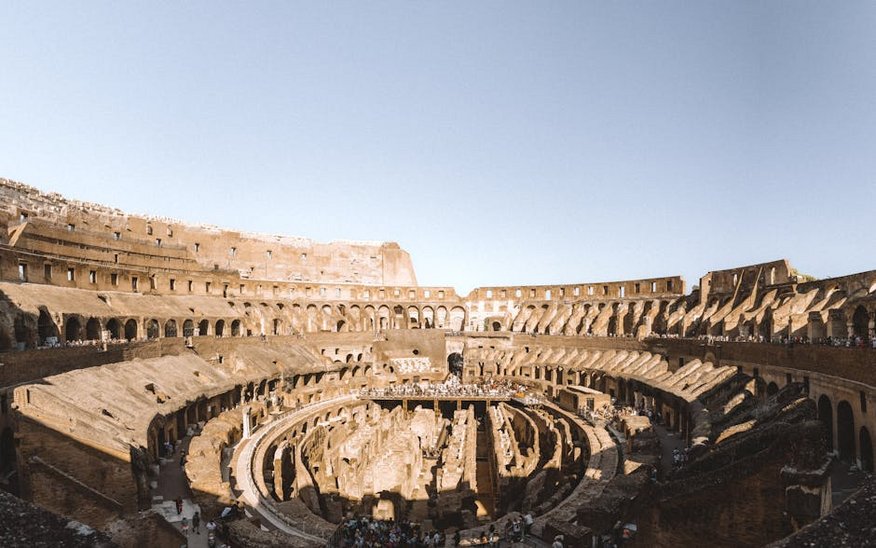
Ancient Landmarks Guide in Rome: From the Colosseum to Hidden Ruins
Rome’s historic core presents an unparalleled journey through Western civilization, where millennia-old ruins stand alongside vibrant modern life. This Ancient Landmarks Guide in Rome provides a strategic approach to exploring forums, temples, and amphitheaters that defined an empire. You will navigate the Eternal City’s archaeological layers with practical tips on tickets, timing, and accessing lesser-known sites.
Essential Rome Archaeology Overview
Rome’s ancient landscape spans over 2,500 years of continuous history, concentrated within a walkable area. The Roman Forum, Palatine Hill, and Imperial Fora represent the political and social heart of the ancient world. These sites require thoughtful planning to appreciate fully, given their scale and historical density.
Understanding the chronological layers helps interpret the ruins. Monuments from the Republic era (509–27 BC) like the Temple of Saturn sit alongside Imperial constructions like Trajan’s Market. Each emperor added structures, creating a palimpsest of architectural ambition visible today.
Key Historical Periods and Their Landmarks
Roman history divides into major eras, each leaving distinct ruins.
- Regal Period (753–509 BC): Earliest foundations on the Palatine Hill, including the Hut of Romulus site and the Lapis Niger in the Forum Romanum.
- Republican Era (509–27 BC): Characterized by temples like the Temple of Portunus and the expansive Servian Wall sections near Termini Station.
- Imperial Age (27 BC–476 AD): The era of grand amphitheaters (Colosseum), monumental forums (Trajan’s Forum), and engineering feats like the Aqueduct Park (Parco degli Acquedotti).
- Budget (Under $75/day): Rely on the Roma Pass for 1-2 major sites and transport. Explore free ruins like the Pantheon and Ara Pacis exterior. Book standard entry tickets well in advance to avoid pricey last-minute guided tours.
- Mid-Range ($75-$200/day): Includes pre-booked Colosseum/Forum tickets ($24), a dedicated guided tour of the Palatine Hill ($50), and entry to one premium site like the Domus Aurea ($18). This tier offers the best value for understanding.
- Luxury ($200+/day): Features private, after-hours tours of closed areas like the Colosseum underground ($85), driver service between sites, and exclusive access to normally restricted archaeological zones like the House of Augustus frescoes.
- Official Parco Colosseo Archaeological Park
- Roma Turismo Official Tourism Board
Navigating the Archaeological Park System
Most major ruins are managed as a unified archaeological park. A single “Full Experience” ticket often covers the Colosseum, Roman Forum, and Palatine Hill. Booking this online with a timed entry slot is non-negotiable to avoid multi-hour queues.
Separate ticket systems govern sites like the Domus Aurea (Nero’s Golden House) and the Baths of Caracalla. Planning two to three days for ancient sites prevents fatigue and allows for deeper exploration. Visitor facilities are limited inside the archaeological zones.
Preservation and Ongoing Excavations
Rome is a living archaeological site. New discoveries frequently occur during subway construction or building renovations. Projects like the restoration of the Colosseum’s hypogeum (underground) have recently opened new areas to the public.
Active digs sometimes limit access to parts of the Forum. Check official websites for closures before your visit. Your experience will be richer if you view the ruins as an ongoing conversation with the past, not a static museum.
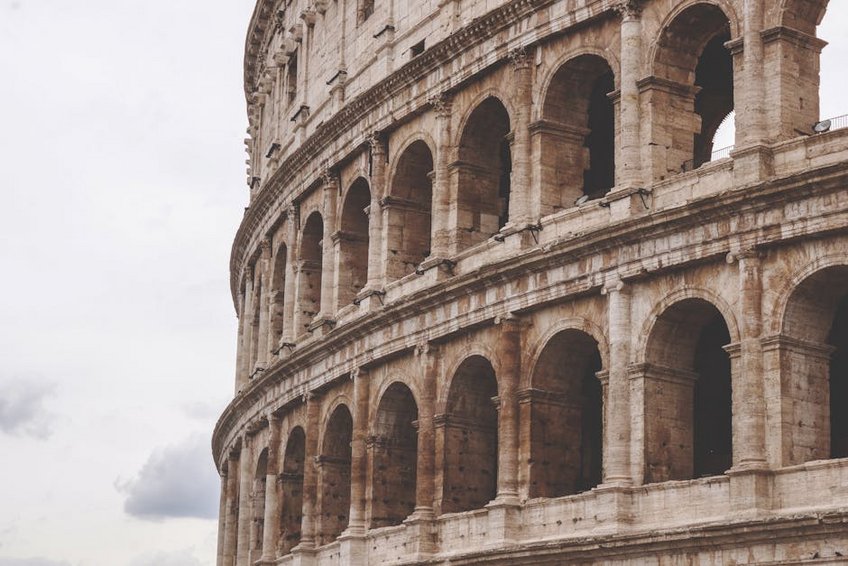
Alt: “roman-forum-palatine-hill-ancient-architecture-ruins”
Ancient Landmarks Guide in Rome – Planning Your Trip
Strategic planning transforms a visit to Rome’s archaeological treasures from overwhelming to unforgettable. Focus on securing key tickets months in advance, especially from April through October. Allocate your time based on personal interest in imperial politics, engineering, or daily life.
An effective itinerary groups sites geographically. The Colosseum Valley (Colosseum, Forum, Palatine) demands a full day. The Capitoline Museums and Imperial Fori form another logical cluster. This minimizes walking and creates a coherent historical narrative.
Budget for guided tours at your top one or two sites. Expert context on the Colosseum’s games or the Senate’s function in the Forum provides meaning beyond the crumbling stones. Self-guided audio apps work well for other locations.
Best Time to Visit Rome’s Ancient Sites
The optimal months are April-May and late September-October. Daytime temperatures range from 65–75°F (18–24°C), making extensive outdoor walking pleasant. Crowds are manageable compared to the peak summer season.
Winter (November–February) offers minimal crowds and lower prices, with temperatures of 45–55°F (7–13°C). Some sites have shorter hours, and rain is more likely. Summer (June–August) brings intense heat, often above 90°F (32°C), and the largest tourist crowds, requiring the earliest possible entry times.
Budget Planning and Costs
Costs vary based on access level and tour choices.
Essential Preparation Checklist
Pack sturdy, comfortable walking shoes with good grip for uneven stone paths. Bring a refillable water bottle; Rome has many public *nasoni* (drinking fountains) with clean water. A hat, sunglasses, and sunscreen are mandatory for summer visits to sites with little shade.
Secure required documents: A valid passport for EU/UK/US travelers (no visa needed for stays under 90 days). Book all time-slot tickets (Colosseum, Vatican, Borghese) before departure. Purchase comprehensive travel insurance covering medical care and trip interruptions.
Top Ancient Attractions and Activities
The must-see landmarks offer a progression from Rome’s mythical founding to its imperial zenith. Start with the panoramic views from the Capitoline Hill, designed by Michelangelo, which overlook the Forum. This provides the best orientation before descending into the ruins themselves.
Beyond the iconic list, seek out sites that illuminate Roman daily life. The Baths of Caracalla showcase social bathing culture, while Ostia Antica, the ancient port city, reveals apartment blocks, taverns, and warehouses. These sites complete the picture of ancient society.
Must-See Highlights
The Colosseum (Flavian Amphitheater) remains the iconic symbol. Book a tour that includes the arena floor and underground to understand the stage machinery. Visit at opening (8:30 AM) or late afternoon for softer light and slightly smaller crowds.
The Roman Forum and Palatine Hill were the civic and residential centers. Key spots include the Via Sacra, the Arch of Titus, and the House of Livia. Allocate at least 3-4 hours; a guide is highly recommended to interpret the sprawling ruins.
The Pantheon is a miraculously intact masterpiece of engineering, with its unreinforced concrete dome. Admission is free, but it gets extremely crowded. Go right at opening (9 AM) on a weekday for a quieter experience to appreciate the oculus.
Hidden Gems and Local Favorites
The Protestant Cemetery (Cimitero Acattolico) near the Pyramid of Cestius is a serene oasis containing the graves of poets Keats and Shelley. It offers a unique perspective on Rome’s layered history and a quiet escape from crowds.
Explore the Basilica of San Clemente, a 12th-century church built atop a 4th-century basilica, which sits above a 1st-century Mithraeum (temple to the god Mithras). This vertical excavation vividly shows Rome’s stratigraphy. The underground levels require a small entry fee.
Walk along the Appian Way (Via Appia Antica) on a Sunday when the road closes to most traffic. You can see original Roman paving stones, tombs, and the Circus of Maxentius. Rent a bike from the visitor center to cover more ground comfortably.
Engineering and Aqueduct Wonders
Roman engineering genius extended far beyond buildings. The Aqueduct Park (Parco degli Acquedotti) features massive, soaring arches of the Claudio and Felice aqueducts set in a green park, perfect for a picnic. It’s easily reached via Metro Line A (Giulio Agricola stop).
The Baths of Diocletian were the largest imperial baths, later converted by Michelangelo into the Basilica of Santa Maria degli Angeli. The main hall forms the church’s nave, demonstrating the scale of Roman construction. Entry to the church is free.
Practical Travel Information for Rome
Rome is served by two main airports: Fiumicino (FCO), the primary international hub, and Ciampino (CIA) for budget airlines. The Leonardo Express train from FCO to Termini Station takes 32 minutes and costs €14. Taxis have a fixed fare of €50 from FCO to the city center.
Within the historic center, most major ancient sites are walkable. The Metro system (Lines A and B) is useful for reaching sites like the Colosseum (Colosseo stop) or the Basilica of San Paolo (Basilica San Paolo stop). Purchase a 48 or 72-hour public transport pass for unlimited rides.
| Accommodation Area | Pros & Features | Avg. Nightly Rate (USD) |
|---|---|---|
| Monti (Near Colosseum) | Charming streets, walkable to major ruins, great restaurants, moderately quiet at night. | $180 – $350 |
| Trastevere | Vibrant nightlife, authentic Roman atmosphere, slightly farther walk to ruins (20-30 mins), lower prices. | $130 – $250 |
| Centro Storico (Near Pantheon) | Ultra-central, all major sites within 15 mins walk, highest density of tourist services, can be noisy. | $220 – $450 |
| Prati (Near Vatican) | Upscale residential feel, excellent metro access (Line A), quieter, good for longer stays. | $160 – $300 |