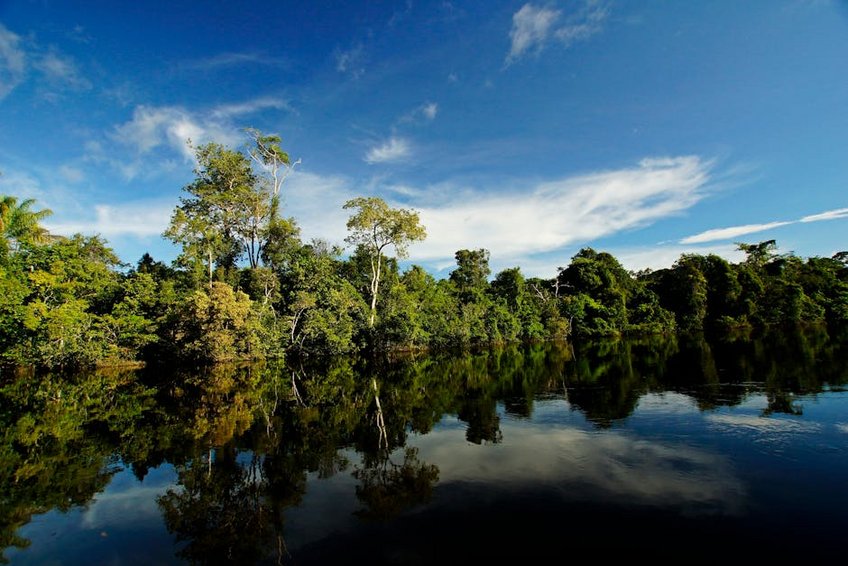
Amazon Experience in Brazil: Immersive Wildlife and Cultural Adventure
Venturing into the Brazilian Amazon offers a profound connection with Earth’s largest rainforest, where biodiversity thrives in a complex river ecosystem. This region presents more than simple observation; it demands engagement with indigenous communities, nocturnal wildlife spotting, and navigation along the mighty Amazon River’s tributaries. Your Amazon experience in Brazil blends adventure with conservation awareness, requiring thoughtful planning around seasons, lodges, and guided activities to unlock its full depth safely and respectfully.
Essential Amazon Rainforest Information
The Brazilian Amazon, or Amazônia, spans over 60% of the country’s territory across nine northern states, with Manaus serving as the primary gateway. This biome functions as a critical climate regulator and hosts an estimated 10% of the world’s known species, many yet undocumented. Understanding its scale and fragility transforms a visit from tourism into a privileged insight into planetary health.
Ecosystems here range from dense tropical terra firme forest to seasonally flooded várzea and igapó swamp forests. This variety creates distinct habitats supporting jaguars, pink river dolphins, giant otters, and countless bird and insect species. The forest’s rhythm follows the annual flood pulse, dramatically altering accessibility and wildlife behavior between wet and dry seasons.
Defining the Amazon Basin
The Amazon Basin is a network of over 1,100 tributaries feeding the Amazon River, which carries more water than the world’s next seven largest rivers combined. Its Brazilian section contains significant protected areas, including the Central Amazon Conservation Complex, a UNESCO World Heritage site.
- The Solimões River meets the Rio Negro at the Meeting of Waters near Manaus, flowing side-by-side for 6 km without mixing due to differences in temperature, speed, and density.
- Seasonal flooding can raise river levels by 9-12 meters (30-40 feet), submerging forest floors and creating a unique flooded forest ecosystem accessible only by boat.
- Indigenous territories and federal conservation units protect approximately 47% of the Brazilian Amazon, though these face ongoing environmental pressures.
- Budget: $80-120 USD per night for basic community lodges or hostel-based tours from Manaus, including simple meals and group excursions. Transportation might involve public ferries or shared speedboats, with basic shared facilities and mosquito nets.
- Mid-Range: $200-350 USD per night for comfortable eco-lodges like Amazonat or Acajatuba Lodge, featuring private bathrooms, solar power, and expert bilingual guides. Packages typically include all transfers from Manaus, full-board meals, and two daily guided activities.
- Luxury: $400-700+ USD per night for premium operations like Cristalino Lodge or Anavilhanas Lodge, offering air-conditioned bungalows, gourmet cuisine, specialized guides (birding, photography), and private boat excursions. Some include charter flights from Manaus to remote locations.
- Embratur – Brazilian Tourism Board
- WWF – Jaguar Conservation Profile
Key Regions for Visitors
Choosing your base dramatically shapes your rainforest encounter. The Manaus area provides developed infrastructure and access to both the Rio Negro and Amazon River systems. Lodges here range from basic to luxurious, offering structured programs like jungle hikes and night canoe trips.
Further upstream, the Anavilhanas Archipelago on the Rio Negro constitutes the world’s largest freshwater archipelago, with hundreds of islands during low water. The Mamirauá Sustainable Development Reserve focuses on community-based ecotourism and exceptional wildlife viewing of aquatic species like the uakari monkey.
Conservation and Responsible Tourism
Tourism directly supports forest preservation by demonstrating that standing rainforest holds economic value beyond logging or clearing. Responsible operators hire local guides, use community-owned lodges, and follow strict no-trace principles. Your visit contributes to a sustainable economic alternative for riverine communities.
Select lodges certified by reputable ecological labels, avoid single-use plastics, and respect wildlife viewing distances. Patronize operations that transparently share revenue with indigenous associations or fund local conservation patrols, ensuring your presence aids protection efforts.
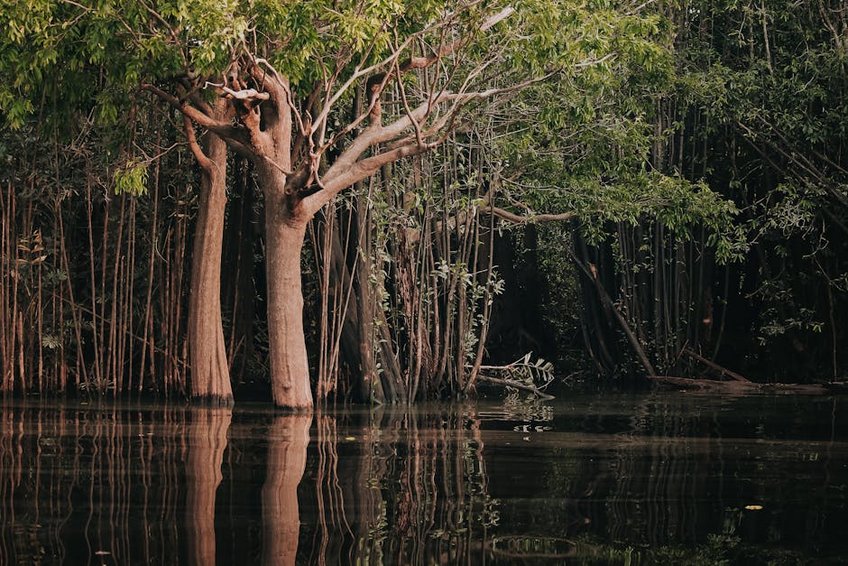
Alt: “amazon-rainforest-brazil-riverboat-canoe-tributary-exploration”
Amazon Experience in Brazil – Planning Your Trip
Organizing a Brazilian Amazon journey requires matching ambitions with practical realities of climate, budget, and physical comfort. The classic Amazon experience in Brazil involves multi-day lodge stays or riverboat cruises, each offering distinct advantages for wildlife viewing and cultural immersion. Allocate sufficient time; a meaningful visit needs at least four full days to account for travel from Manaus and adapt to the forest’s pace.
Budget considerations extend beyond nightly rates to include mandatory guided excursions, transfer costs from Manaus, and park entrance fees. The dry season (June-November) sees higher prices and advance bookings, while the rainy season offers discounts but more challenging hiking conditions. Physical preparation involves vaccinations, anti-malarial prophylaxis, and packing for 100% humidity.
Best Time to Visit the Brazilian Amazon
The peak dry season runs from July to November, featuring lower river levels, concentrated wildlife along riverbanks, and excellent hiking trail conditions. Daytime temperatures average 32-34°C (90-93°F) with lower humidity, while nights cool to 23-24°C (73-75°F). This period guarantees navigability to deeper forest areas but requires booking lodges 4-6 months in advance.
Shoulder months in June and December present a balance, with occasional rains but fewer visitors and vibrant greenery. The full wet season from January to May sees rivers 7-12 meters (23-39 feet) higher, enabling canoe exploration deep into flooded forests for unique aquatic wildlife sightings, though terrestrial hiking becomes limited or impossible.
Budget Planning and Costs
Tour costs vary significantly based on accommodation style, group size, and included activities. Always verify what transportation, meals, and guided tours your package includes.
Essential Preparation Checklist
Packing focuses on lightweight, quick-dry clothing in muted colors, high-quality rain gear, and broken-in waterproof hiking shoes. Essential gear includes a headlamp with red-light mode for night walks, high-DEET insect repellent, a water-resistant binoculars (8×42 recommended), and multiple dry bags for electronics.
Health preparation requires a yellow fever vaccination certificate (mandatory), malaria prophylaxis prescription, and traveler’s diarrhea medication. Secure comprehensive travel insurance covering emergency evacuation from remote areas. Book international flights into Manaus (MAO) via São Paulo (GRU) or Brasília (BSB), allowing one overnight in the city before lodge transfers.
Top Attractions and Authentic Activities
Beyond wildlife spotting, the Amazon reveals itself through immersive activities connecting you with the forest’s rhythms. Sunrise canoe trips on mirrored lakes provide serene birdwatching, while guided night walks unveil a completely different world of amphibians, tarantulas, and nocturnal mammals. Each activity, when led by a knowledgeable local guide, becomes an educational experience about interdependence.
Interaction with caboclo (riverine community) families demonstrates sustainable subsistence through fishing, fruit harvesting, and small-scale agriculture. These encounters, when arranged through responsible operators who compensate communities fairly, offer genuine cultural exchange far removed from performative tourism. The forest teaches patience; meaningful sightings often come to those who sit quietly and observe.
Must-See Wildlife Highlights
Spotting pink river dolphins (botos) in the Rio Negro is a near-guarantee, with some lodges offering respectful swimming opportunities. Jaguar sightings, while rare, peak during the dry season along riverbanks in the Mamirauá Reserve, where dedicated boat trips focus on locating these elusive cats. Giant otter families are more commonly observed fishing in oxbow lakes, their distinctive vocalizations signaling presence.
Birdwatching reaches world-class levels, with possibilities to see hundreds of species including macaws, toucans, hoatzins, and numerous hummingbirds. Canopy towers at lodges like Cristalino provide access to treetop species rarely seen from the ground. Night safaris by boat often reveal caiman eyes reflecting flashlight beams, offering safe, close-up viewing of these reptiles.
Hidden Gems and Local Favorites
Visit the January Ecological Park near Manaus to walk extensive boardwalks through flooded forest without a multi-day commitment. The Sucunduri region, accessible via charter from Manaus, features stunning waterfalls cascading over sandstone table mountains, a unique geological formation within the Amazon. These areas receive far fewer visitors than mainstream lodge zones.
Seek out community-led initiatives like the Tumbira community project on the Rio Negro, where residents guide forest hikes and demonstrate traditional crafts. The Pagodão do Brega festival in Manaus, if timed correctly, offers a vibrant immersion into Amazonian urban culture through its distinctive music and dance scene rarely experienced by outsiders.
Amazon Riverboat Expedition Cruises
Multi-day riverboat journeys traverse greater distances than fixed lodges, allowing exploration of different tributary systems and broader ecological variation. Smaller vessels carrying 8-16 passengers access narrow igarapés (small streams) and provide an intimate experience. These cruises typically include skiff excursions, village visits, and ample relaxation time observing the ever-changing river landscape.
Larger, historically styled ships like the Iberostar Grand Amazon offer more amenities but limit access to shallow tributaries. Cruise durations range from 3 to 7 nights, with itineraries focusing either on the Rio Negro’s blackwater ecosystems or the Solimões’ whitewater wildlife-rich environments. Check the vessel size and draft to understand accessibility.
Practical Travel Information and Logistics
Manaus functions as the logistical hub, with an international airport (MAO) receiving flights from major Brazilian cities and limited international connections. The city merits a one-night stay for pre-trip preparations, offering last-minute gear purchases and excellent regional cuisine. Pre-arrange all transfers to lodges through your tour operator, as independent travel to remote areas is impractical.
Accommodation splits between land-based eco-lodges and floating riverboat hotels. Land lodges provide stability and direct forest access, while riverboats enable mobility and comfort during travel. Wi-Fi is unavailable or extremely limited at most remote properties; embrace digital disconnection as part of the experience. Pack sufficient Brazilian Reais in small denominations for incidental purchases at communities.
| Accommodation Type | Key Features & Activities | Price Range/Night (USD) |
|---|---|---|
| Community Lodge | Basic private rooms, family-style meals, local guide-led hikes & canoeing, cultural exchange focus | $80 – $140 |
| Standard Eco-Lodge | Private bathroom, electricity (generator/solar), bilingual guides, daily activity program, transfer from Manaus included | $180 – $280 |
| Premium Jungle Lodge | A/C rooms, swimming pool, canopy tower, specialized guides (birding, photography), gourmet cuisine | $320 – $500 |
| Riverboat Cruise | Cabin with private bath, full-board, daily skiff excursions, onboard naturalist, covers greater distance | $250 – $600 |