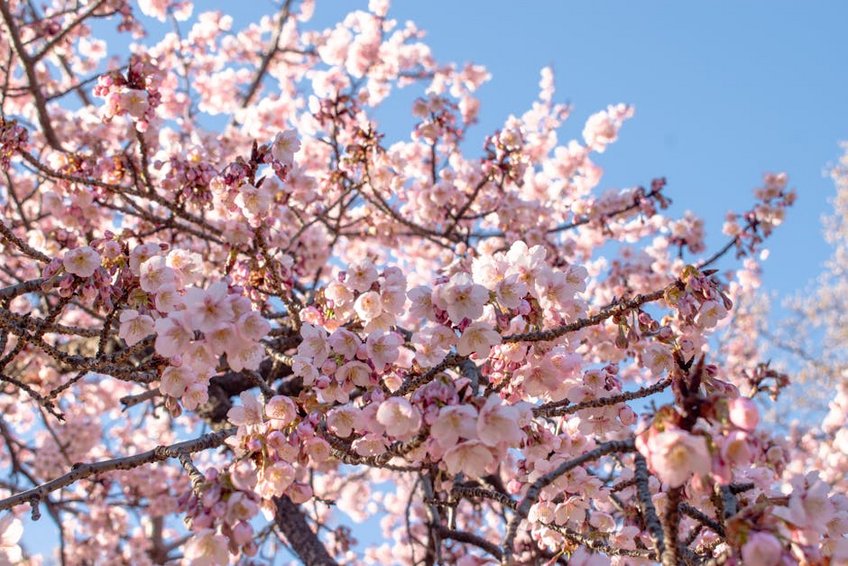
Tokyo Cherry Blossom Season Dates: When to See the Blooms
Tokyo cherry blossom season dates typically span from late March to early April, with peak bloom lasting just a few days each year. This fleeting natural spectacle transforms the city’s parks and streets into pastel wonderlands, drawing visitors worldwide for traditional hanami viewing parties. Understanding the precise timing, weather patterns, and cultural significance ensures you experience this iconic Japanese spring event at its most magnificent.
Tokyo Cherry Blossom Season Essentials
The sakura season represents a deeply cultural event in Japan, symbolizing renewal and the transient nature of life. Meteorological agencies release annual forecasts starting in January, predicting bloom dates based on winter temperatures and historical data. Tokyo’s urban heat island effect often makes blossoms appear slightly earlier than in surrounding regions.
Understanding the Cherry Blossom Forecast
Japan Meteorological Corporation provides detailed sakura forecasts updated weekly as spring approaches. These predictions track the “kaika” (first bloom) and “mankai” (full bloom) dates across different neighborhoods. You should monitor these updates from February onward for accurate planning.
- Check the official JMC forecast in early March for Tokyo-specific predictions, as bloom times can vary by 5-7 days annually.
- Download reliable weather apps like Tenki.jp that provide real-time sakura maps and crowd-level information for popular viewing spots.
- Understand that southern varieties like Kawazu-zakura bloom in February, while most Somei-Yoshino trees peak in late March or early April.
- Budget travelers should allocate $80-120 daily, staying in business hotels like Toyoko Inn, using subway passes, and enjoying convenience store meals and park picnics during hanami.
- Mid-range visitors might budget $150-250 daily for comfortable hotels in neighborhoods like Asakusa, combined with casual restaurant dining and reserved viewing spots at major parks.
- Luxury experiences range from $350-600 daily, featuring five-star hotels like The Peninsula Tokyo, private guided tours, and exclusive hanami events with traditional kaiseki meals.
- Japan National Tourism Organization
- Japan Meteorological Agency
Historical Bloom Dates and Patterns
Tokyo’s average first bloom date falls around March 25, with full bloom typically occurring approximately one week later. Historical records show significant variation, with earliest blooms on March 14 (2021) and latest on April 11 (1984). Climate change has gradually shifted dates earlier by nearly one week over the past century.
Record-keeping since 1953 indicates Tokyo’s cherry blossoms now bloom about 5.2 days earlier than thirty years ago. The Japan Weather Association maintains comprehensive archives showing how urban development affects microclimates and flowering schedules. These patterns help predict future season timing with greater accuracy.
Weather and Climate Considerations
Spring temperatures between 50-65°F (10-18°C) create ideal conditions for sakura development and longevity. Colder winters generally delay blooms, while warmer temperatures accelerate the process once buds form. Rain and wind can shorten the viewing period dramatically, sometimes reducing peak bloom to just 2-3 days.
Tokyo’s humidity levels around 60-70% during spring help preserve blossoms once they open. Sudden temperature drops below 41°F (5°C) can damage delicate petals, while unseasonably warm spells above 70°F (21°C) cause rapid wilting. Pack layers for changeable conditions during your visit.
Planning Your Tokyo Cherry Blossom Season Dates
Securing your Tokyo cherry blossom season dates requires booking flights and accommodations 6-9 months in advance for the best availability. Mid-March through early April represents the highest demand period, with hotel prices increasing 30-50% above regular rates. Flexible travelers might consider the week before predicted peak bloom for better deals and smaller crowds.
Your itinerary should include both famous hanami spots and lesser-known locations to maximize viewing opportunities across different bloom stages. Reserve popular park areas for parties through official systems where available, particularly at Ueno Park and Shinjuku Gyoen. Consider weekdays for major attractions to avoid the heaviest visitor concentrations.
Best Time to Visit Tokyo for Cherry Blossoms
Visit Tokyo between March 25 and April 5 for the highest probability of experiencing peak cherry blossoms, though this window shifts annually. Early March offers 60°F (15°C) average highs with occasional blooms, while late April sees temperatures reaching 68°F (20°C) with falling petals. Shoulder season around March 20-24 provides good value with advancing blooms.
The first week of April typically delivers the most reliable full bloom conditions across multiple Tokyo neighborhoods. Crowds peak during weekends between March 30 and April 7, particularly around popular sites like Chidorigafuchi. Consider visiting botanical gardens with varied species for extended viewing periods.
Budget Planning and Costs
Tokyo cherry blossom visits require careful financial planning due to seasonal premium pricing across transportation and accommodations.
Essential Preparation Checklist
Pack waterproof layers, comfortable walking shoes, and a compact blanket or tarp for ground seating during hanami parties. Bring a quality camera or smartphone with extra batteries, portable charger, and lens cleaning supplies for optimal blossom photography. Include basic first-aid supplies, hand warmers for cooler evenings, and reusable water bottles.
Secure your Japan Tourist Visa if required, valid travel insurance covering trip interruptions, and international driving permit if planning rural excursions. Book airport transfers, rail passes, and major attraction tickets 2-3 months ahead. Learn basic Japanese phrases for ordering food and navigating transportation systems.
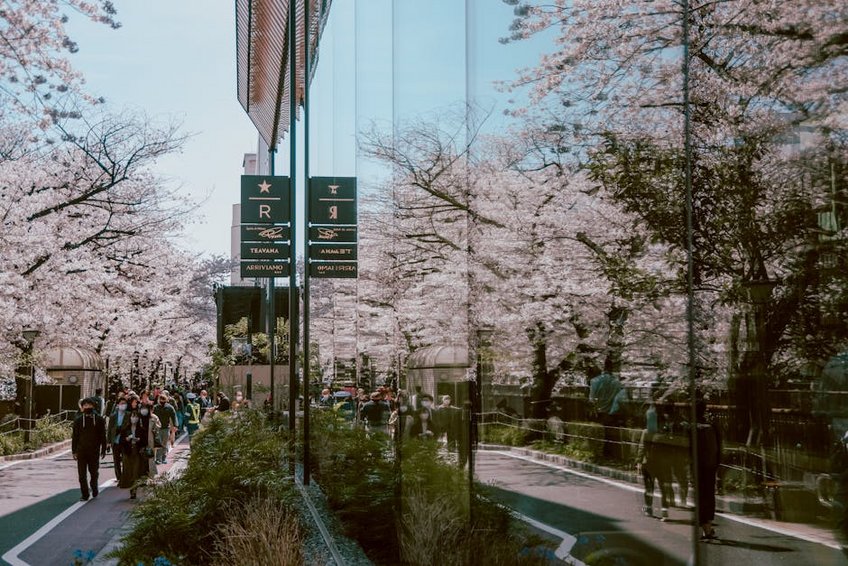
Alt: “tokyo-cherry-blossoms-ueno-park-spring-pathway”
Top Cherry Blossom Viewing Spots in Tokyo
Tokyo offers diverse sakura viewing experiences from expansive traditional gardens to illuminated nighttime displays along historic waterways. The city’s 1,000-plus cherry trees create stunning corridors of pink and white blossoms across multiple wards and neighborhoods. Each location provides unique perspectives, with some offering boat rides, food stalls, and cultural performances during peak season.
Popular sites like Shinjuku Gyoen feature multiple cherry varieties that bloom sequentially, extending the viewing window. Less crowded areas like Koganei Park offer spacious lawns for relaxed hanami parties away from tourist concentrations. Many temples and shrines incorporate cherry blossoms into spiritual practices, creating particularly atmospheric settings.
Must-See Cherry Blossom Parks
Ueno Park’s 800-plus trees create magnificent blossom tunnels along central pathways, with vibrant festival atmosphere and food vendors throughout peak season. Arrive before 8 AM for photography without crowds, though the park remains lively until 10 PM with illuminated trees. Admission remains free, with nearby Tokyo National Museum providing cultural context.
Shinjuku Gyoen National Garden showcases 65 cherry varieties across 144 acres, with blooming periods spanning early March to late April. The ¥500 entrance fee regulates crowds, creating more tranquil viewing experiences perfect for photography. English garden sections feature unique weeping cherry trees particularly photogenic against traditional landscapes.
Chidorigafuchi Moat near the Imperial Palace offers breathtaking rowboat experiences beneath cascading branches, with evening illuminations creating magical reflections on water. Rental boats cost approximately ¥800 for 30 minutes, with queues often exceeding two hours during peak weekends. The adjacent Kitanomaru Park provides alternative viewing with fewer visitors.
Hidden Gems and Local Favorites
Inokashira Park in Kichijoji features picturesque ponds surrounded by cherry trees, with charming swan boat rentals and street performers during sakura season. The Ghibli Museum nearby requires advance reservations but complements the magical atmosphere. Local families favor this park for its relaxed vibe and convenient access from central Tokyo.
Yoyogi Park’s sprawling grounds accommodate massive hanami parties while still offering quiet corners for intimate gatherings near fountains and forested areas. Come equipped with your own food and drinks, as vendors are limited compared to more commercialized locations. The adjacent Meiji Shrine provides cultural contrast with its solemn forest setting.
Hanami Party Tips and Etiquette
Reserve prime park spots early morning using blue tarps (never tape or rope) while respecting other groups’ spaces and pathways. Dispose of all trash properly using designated bins or carry-out systems, as Japanese parks maintain impeccable cleanliness. Keep noise levels respectful, particularly near temples, shrines, and residential areas adjacent to parks.
Traditional hanami fare includes bento boxes, sakura-flavored sweets, and seasonal snacks enjoyed with beer or sake. Purchase supplies from department store basements or convenience stores, avoiding glass containers in public spaces. Participate in local customs like blossom-viewing poetry but avoid climbing trees or shaking branches for photo opportunities.
Practical Travel Information for Tokyo
Tokyo’s efficient public transportation system easily connects all major cherry blossom sites via JR lines, Tokyo Metro, and Toei Subway. Consider purchasing a Pasmo or Suica card for seamless travel across different networks, reloadable at station machines. Taxis provide convenience but cost significantly more, particularly during peak hanami season when traffic congestion increases.
Accommodation options range from capsule hotels near major stations to luxury ryokan with traditional garden views. Book hotels in central locations like Shinjuku, Shibuya, or Ginza for easiest access to multiple viewing sites. International chains and local boutiques both offer spring specials, though availability diminishes rapidly as the season approaches.
| Accommodation Type | Features and Locations | Price Range (USD) |
|---|---|---|
| Business Hotels | Compact rooms with essential amenities, often near major stations like Tokyo or Shinagawa | $80-150/night |
| Mid-Range Hotels | Larger rooms with restaurant options, frequently in entertainment districts like Shinjuku | $150-300/night |
| Luxury Hotels | Five-star service with cherry blossom views, garden access, and premium locations | $350-700/night |
| Traditional Ryokan | Authentic Japanese experience with kaiseki meals, often in historical neighborhoods | $250-500/night |