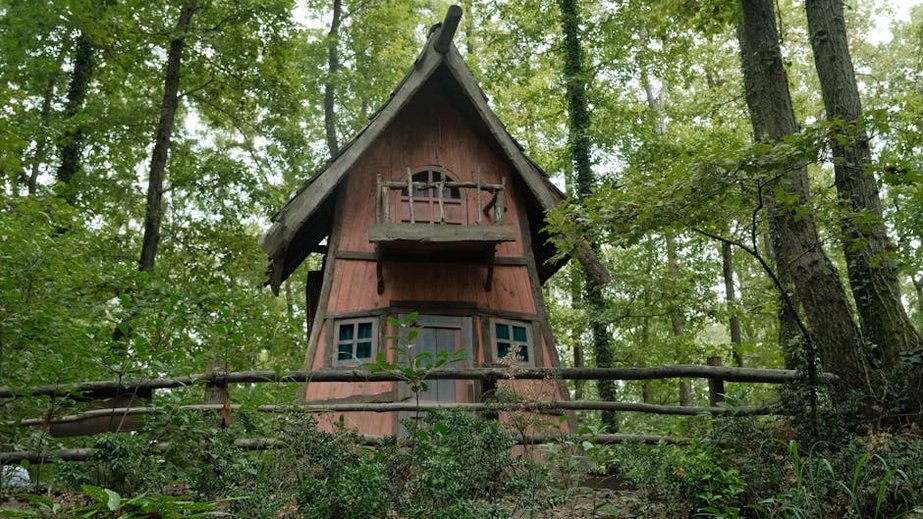
Tiny House Holidays in Nature in Turkey
Imagine swapping crowded resorts for a secluded forest cabin with a wood stove and mountain views. Turkey offers a unique escape through tiny house holidays, blending minimalist living with the country’s stunning natural landscapes. This travel concept combines eco-friendly stays in compact, design-focused cabins with direct access to forests, mountains, and serene coastlines. You will discover the best regions for your rustic retreat, essential booking tips, and how to fully embrace the simple life.
Essential Information on Nature Retreats
These compact accommodations provide an intentional shift from standard tourism. They focus on sustainability, simplicity, and a deeper connection with the outdoors. The concept has grown rapidly across Turkey, appealing to travelers seeking digital detox and authentic rural experiences.
You typically find these dwellings in private gardens, on organic farms, or within protected national parks. They are designed to have a minimal environmental footprint. Many use solar power, rainwater collection, and compost toilets.
What You Need to Know Before Booking
Understanding the specifics ensures your getaway matches expectations. These are not traditional hotels or full-service resorts.
- Space is cleverly optimized with loft beds, convertible furniture, and outdoor living areas, requiring efficient packing and organization during your stay.
- Self-sufficiency is often encouraged; you might need to manage your own firewood, basic cooking, and cleaning, with hosts providing initial supplies and guidance.
- Location defines the experience, with options ranging from remote mountain hideaways accessible by 4×4 to coastal cabins just a short walk from secluded beaches.
- Budget Option ($40-70): A basic, off-grid tiny house in a less-touristed region like Northern Anatolia; includes compost toilet, solar lights, and shared outdoor kitchen; perfect for adventurous minimalists.
- Mid-Range Option ($80-150): A well-designed cabin in popular areas like the Aegean coast; features private bathroom, small kitchenette, terrace with views, and sometimes a wood-fired hot tub; offers the best value and comfort balance.
- Luxury Option ($160-300+): A high-design eco-cabin with premium finishes, full kitchen, indoor fireplace, and panoramic windows in premium locations like Cappadocia; includes concierge services and guided experience add-ons.
- Turkish Ministry of Tourism and Culture
- Lonely Planet Turkey Travel Guide
Key Regions and Their Landscapes
The Aegean and Mediterranean coastlines host cabins nestled in pine forests overlooking the sea. Areas like the Bozburun Peninsula and around Fethiye offer a blend of azure waters and wooded hills. These spots are perfect for combining cabin serenity with swimming and boat trips.
In contrast, the Black Sea region presents a lush, green setting with dramatic rainfall and misty valleys. Destinations like the Kaçkar Mountains provide a cooler climate and access to highland pastures and trekking routes. Central Anatolia, particularly Cappadocia, offers a surreal landscape for unique tiny house stays.
Sustainability and Eco-Friendly Practices
Most operators prioritize green principles, which are central to the tiny house philosophy. This commitment enhances your connection to the land. It also reduces the impact of your vacation.
Common features include solar panels for electricity, water-saving fixtures, and biodegradable cleaning products. Waste is meticulously sorted, with composting being standard. Hosts often source building materials locally and use natural insulation like sheep’s wool.
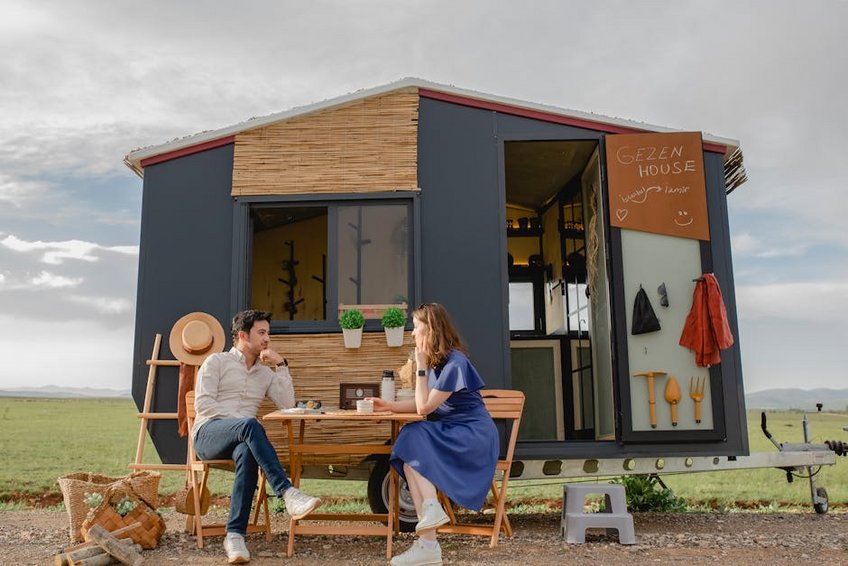
Alt: “tiny-wooden-cabin-turkish-forest-mountain-view”
Tiny House Holidays in Nature in Turkey – Planning Your Trip
Successful planning transforms a simple booking into a seamless nature immersion. Your compact holiday requires more forethought than a standard hotel stay. Researching the specific amenities and location accessibility is crucial for comfort.
You must clarify what “self-catering” entails for each property. Some provide fully equipped kitchens, while others offer just a fire pit and basic grill. Confirming the water source, power availability, and bathroom setup prevents surprises upon arrival.
Booking often requires direct communication with hosts via platforms like Airbnb or local eco-tourism websites. Start your search at least two to three months in advance for peak seasons. Always read recent guest reviews focusing on cleanliness, host responsiveness, and accuracy of the location description.
Best Time to Visit for a Cabin Getaway
The ideal period spans from late April to early June and September to October. During these months, daytime temperatures range from 68-82°F (20-28°C) with cool, comfortable nights. This weather is perfect for hiking and enjoying outdoor living spaces without extreme heat.
July and August can be very hot, reaching over 95°F (35°C) inland, though coastal cabins benefit from sea breezes. The winter season, from December to February, offers a cozy retreat for those prepared for cold. Mountain locations may experience snow, with temperatures dipping below freezing, ideal for a secluded, fireside holiday.
Budget Planning and Costs
Your budget varies significantly based on location, season, and amenities. Here is a typical cost breakdown for a nightly rate.
Essential Preparation Checklist
Pack for practicality and variable weather. Essential items include sturdy hiking shoes, layered clothing, a reliable headlamp or flashlight, and quick-dry towels. Bring insect repellent, a reusable water bottle, and any preferred specialty foods, as grocery access may be limited.
Ensure you have offline maps downloaded and the host’s contact details saved. For international travelers, confirm your travel insurance covers rural/remote stays. If driving, a small rental car is often necessary, and you should verify parking arrangements and final road conditions with your host.
Top Regions and Cabin Experiences
Turkey’s diverse geography creates distinct backdrops for your minimalist retreat. Each region offers a different atmosphere and set of activities right at your doorstep. Choosing the right area is the first step to crafting your ideal escape.
The forested hills of the Kaz Mountains (Ida Mountains) are a top choice for biodiversity and cool air. Here, cabins sit beside streams and ancient olive groves. The Aegean coastline near Muğla provides a pine-scented, coastal alternative with easier beach access.
Must-See Natural Highlights
The Kaçkar Mountains in the Black Sea region are a trekker’s paradise. Your cabin here serves as a base for hiking to glacial lakes and high plateaus (yaylas). The landscape is intensely green, with traditional village life continuing nearby.
Cappadocia’s fairy chimneys and cave dwellings offer a surreal setting. Some tiny houses here are built into the rock or designed to reflect the local architecture. Waking up to a view of hot air balloons floating over the valleys is an unforgettable experience. The Lycian Way trail along the Turquoise Coast provides direct access from coastal cabins to one of the world’s great long-distance paths.
Hidden Gems and Local Favorites
Explore the lesser-known İğneada Floodplain Forests near the Bulgarian border. This unique ecosystem hosts cabins on stilts surrounded by lakes and forests. It is a birdwatcher’s haven far from the standard tourist trail.
In the Taurus Mountains, areas like the villages around Elmalı offer apple orchard settings with views of soaring peaks. These locations provide deep tranquility and a chance to connect with local farming communities. The host’s knowledge often leads to the best hidden springs and walking paths.
Activities from Your Cabin Doorstep
Your day can start with yoga on your private deck and a hike on a marked trail directly accessible from the property. Many hosts provide maps for local walks to waterfalls, ruins, or panoramic viewpoints.
Evenings are for stargazing, as light pollution is minimal. Some locations offer guided activities like foraging tours, beekeeping workshops, or traditional cooking classes. The pace is slow, allowing you to truly unwind and engage with the natural rhythms.
Practical Travel and Accommodation Details
Navigating the logistics of a remote stay ensures a stress-free arrival and comfortable visit. While the experience is rustic, proper planning makes it effortlessly enjoyable. Key considerations include transportation, provisioning, and connectivity.
Renting a car is highly recommended for almost all tiny house locations outside major towns. This gives you freedom to explore and access supplies. Choose a compact, reliable model suitable for potentially unpaved mountain roads.
| Accommodation Type | Key Features & Amenities | Average Nightly Price (USD) |
|---|---|---|
| Off-Grid Forest Cabin | Compost toilet, outdoor solar shower, wood stove, basic kitchen gear, no Wi-Fi. | $45 – $75 |
| Coastal Design Cabin | Private bathroom, kitchenette, terrace with sea view, charcoal grill, limited Wi-Fi. | $90 – $160 |
| Mountain Eco-Pod | Panoramic windows, indoor fireplace, full kitchen, heated floors, host-guided activity options. | $140 – $250 |
| Luxury Nature Dome | Geodesic dome structure, king bed, telescope, private hot tub, gourmet breakfast delivery. | $200 – $350+ |