

Things to Do in Milan in 1 Day: Maximize Your 24-Hour Itinerary
A Milan day trip offers a surprisingly rich slice of Italian culture, art, and gastronomy packed into a single, efficient 24 hours. You can witness Renaissance masterpieces, stroll through historic shopping galleries, and savor authentic cuisine without feeling overly rushed. This guide provides a strategic, timed itinerary to help you experience the city’s unmissable highlights from dawn until dusk.
Milan’s One-Day Travel Essentials
Milan operates as a fast-paced financial and fashion capital with a compact historic center. The city’s main attractions for a short visit are concentrated around the Duomo cathedral, making a walking tour highly feasible. Efficient public transport, primarily the metro, connects you quickly from the central railway station to these key sites.
Most major museums and the Duomo require advance online ticket purchases to skip long queues. You should book these slots at least 48 hours before your visit, especially for a weekend trip. City taxis and rideshares are available but navigating the pedestrianized core on foot is often faster.
What You Need to Know Before You Go
Preparation is key for a successful one-day Milan itinerary. Here are the foundational details.
- Central Attractions: The Duomo, Galleria Vittorio Emanuele II, and Sforza Castle are all within a 20-minute walk of each other, forming a perfect triangular route for your day.
- Ticketing Strategy: Purchase a combined “Duomo Pass” online for access to the cathedral, rooftop, and museum. Also, pre-book a specific time slot for viewing Leonardo da Vinci’s “The Last Supper” at Santa Maria delle Grazie.
- Transport Card: Consider a 24-hour ATM public transport ticket (€7.50) for unlimited metro, tram, and bus rides, which is useful for reaching “The Last Supper” church or returning to the station.
- Budget Day ($60-90): This covers a metro day pass, Duomo rooftop access (Duomo Pass Stairs), free castle museum courtyards, window shopping, a panini lunch, and an aperitivo dinner. Focus on free sights and walking.
- Mid-Range Day ($120-200): Includes a Duomo Pass Lift, pre-booked entry to see “The Last Supper” (approx. €15), a sit-down pasta lunch, a museum inside Sforza Castle, and a full dinner in Navigli. This offers the most complete experience.
- Premium Day ($250+): Features a guided small-group tour of the Duomo and “The Last Supper,” a fine-dining lunch in the Galleria, a private taxi between districts, and an elegant cocktail experience. Maximizes comfort and deep cultural insight.
- Official Duomo di Milano Website
- Milan Tourism Official Portal
Key Details for Your Short Visit
The Milan Centrale railway station is the primary arrival point for high-speed trains from across Italy and international airports. From here, the M3 (yellow) metro line takes you directly to the Duomo stop in under 10 minutes. Your day will be a balance between timed ticketed entries and flexible exploration.
Milanese dining follows specific rhythms. Breakfast is a quick coffee and pastry at a bar, lunch is often a casual panini or salad, and dinner starts late, rarely before 7:30 PM. For a single day, target a hearty lunch and plan for an aperitivo—the legendary pre-dinner drink and snack spread—as your evening meal.
Navigating the City Center
Google Maps works excellently for walking and metro directions in Milan. The city center is largely flat and pedestrian-friendly, though cobblestone streets suggest comfortable shoes. Be aware of “ZTL” zones (Limited Traffic Zones) if you consider driving; rental cars are impractical for a one-day city visit.
English is widely spoken in tourist areas, hotels, and restaurants, so communication barriers are minimal. Tipping is not obligatory but leaving small change (€1-2) at a cafe or rounding up the bill for good service is appreciated.
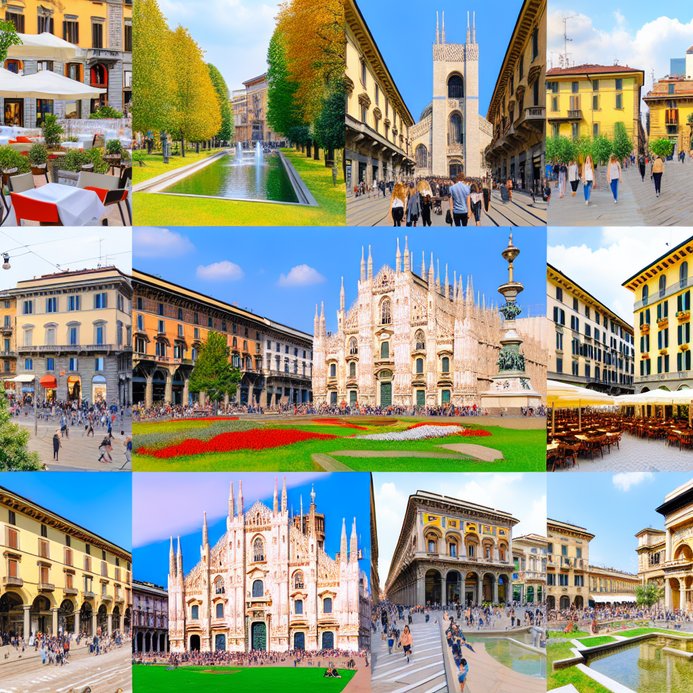
Alt: “milan-duomo-cathedral-facade-piazza-del-duomo”
Things to Do in Milan in 1 Day – Planning Your Trip
Your Milan day trip succeeds with a strict but realistic schedule that prioritizes iconic sights. Start early at the Duomo to avoid the worst crowds, then move strategically between indoor and outdoor attractions. Allocate specific time blocks for each major stop and include buffer time for transit and spontaneous discoveries.
A logical route begins at the Duomo, proceeds through the Galleria, onwards to La Scala opera house, then to the Sforza Castle district for lunch and art. The afternoon can be dedicated to “The Last Supper” or more castle exploration, concluding with aperitivo in the Navigli canal district. This flow minimizes backtracking.
Best Time to Visit for a Day Trip
Visit Milan for a day trip between April-June or September-October for pleasant weather (60-75°F / 16-24°C) and manageable crowds. These shoulder seasons offer sunny days ideal for walking and rooftop views. Summer (July-August) can be hot (often above 86°F / 30°C) and crowded, while winter is cold but festive with Christmas markets.
Weekdays, especially Tuesday through Thursday, are optimal for visiting as museums are open and weekend tourist surges are absent. Major holidays like Easter or August 15th (Ferragosto) can see many local shops and restaurants closed, limiting your authentic dining options.
Budget Planning and Costs for 24 Hours
Costs vary based on dining and attraction choices. Here is a realistic breakdown for different budgets.
Essential Preparation Checklist
Pack comfortable walking shoes, a refillable water bottle, and a power bank for your phone. A lightweight scarf or shawl is mandatory for entering the Duomo cathedral, as shoulders and knees must be covered. Dress in layers, as temperatures can vary between cool church interiors and warm, sunny piazzas.
Secure your “The Last Supper” ticket online weeks in advance via the official Cenacolo Vinciano website. Book your Duomo Pass online at least two days prior. Download the ATM Milano app for real-time public transport info and have a digital map of your planned route saved offline.
Top Attractions and Activities for Your Itinerary
Milan’s historic core delivers world-class art, architecture, and atmosphere. The Duomo is an undisputed centerpiece, a Gothic marvel that took nearly six centuries to complete. Adjacent to it, the Galleria Vittorio Emanuele II represents 19th-century elegance and is considered one of the world’s oldest shopping malls.
A short walk north leads to Teatro alla Scala, one of the most famous opera houses globally. Heading west, the imposing Sforza Castle houses multiple museums including Michelangelo’s final sculpture. For art lovers, seeing Leonardo da Vinci’s “The Last Supper” is a pinnacle experience, requiring precise planning.
Must-See Highlights for a Short Visit
The Duomo Cathedral and its terraces are non-negotiable. Arrive at opening (9:00 AM) to ascend to the rooftop first, either by stairs (€10) or elevator (€15), for breathtaking city views spiked with Gothic spires. After descending, enter the vast, luminous nave of the cathedral itself to admire the stained glass and statues.
Spend 30 minutes wandering the Galleria Vittorio Emanuele II. Marvel at the glass dome, spot luxury boutiques, and participate in the local tradition of spinning on the mosaic bull’s testicles for good luck. Exit the Galleria onto Piazza della Scala to see the exterior of the famed opera house.
Allocate 1.5 hours for Sforza Castle. Walk through its grand courtyards for free, then consider a ticket to see the Pietà Rondanini in the Museum of Ancient Art. The castle’s grounds lead directly into Sempione Park, a perfect spot for a brief rest.
Hidden Gems and Local Favorites
For a unique perspective, visit the San Bernardino alle Ossa chapel, a small, centuries-old church adorned with human skulls and bones in its ossuary. It’s a five-minute walk from the Duomo and often missed by hurried tourists. Entry is free but check opening hours as they can be limited.
Explore the Brera District’s cobblestone streets, even if you skip the Pinacoteca art museum. This bohemian neighborhood is full of charming artisan shops, small galleries, and traditional trattorias. It offers a more relaxed, local vibe compared to the bustling cathedral square.
Experiencing Milan’s Aperitivo Culture
No Milan day trip is complete without the evening ritual of aperitivo. Head to the Navigli district around 6:30 PM, where canals are lined with bars offering a buffet of snacks (included with your drink purchase) for about €10-15. This tradition effectively serves as an affordable, social dinner.
For a more upscale aperitivo, try the iconic Terrazza Aperol in the Galleria or a rooftop bar with Duomo views. The spread typically includes pasta salads, cured meats, cheeses, and grilled vegetables. It’s the perfect, time-efficient way to dine and experience local social life.
Practical Travel Information for Your Day
Navigating Milan for a day is straightforward with its efficient metro system. The M1 (red) and M3 (yellow) lines service most tourist areas. Single metro tickets cost €2.20 and are valid for 90 minutes, but the 24-hour pass (€7.50) offers better value. Taxis are white and must be hailed at designated stands or booked via apps like Free Now.
Accommodation for a one-night stay ranges from hostels near the station to luxury hotels near the Quadrilatero della Moda. For a single day, staying near Centrale Station or the Duomo maximizes your time. Luggage storage is available at Centrale Station if you arrive early or depart late.
| Category | Options/Features | Price Range (USD) |
|---|---|---|
| Metro Ticket | 24-hour unlimited travel on ATM network (buses, trams, metro) | $8 |
| Duomo Access | Duomo Pass “Lift” (Cathedral, Museum, Rooftop by elevator) | $25 |
| Lunch | Traditional trattoria meal (primo, water, coffee) | $25-40 |
| Aperitivo Dinner | One cocktail with extensive buffet spread in Navigli | $12-18 |


