Amasra Travel Plan: Discover Turkey’s Black Sea Gem in 3 Perfect Days
Your Amasra travel plan unlocks a unique Turkish coastal town where ancient stone walls meet the crashing waves of the Black Sea. This historic fishing port, built on a peninsula and a small island, offers a remarkably compact experience rich with Byzantine history, fresh seafood, and breathtaking coastal views. With three well-structured days, you can immerse yourself in its fortress-lined streets, sample legendary anchovies, and explore nearby beaches, all while enjoying the relaxed pace that defines this northern treasure. This guide provides the essential itinerary, timing, and local secrets to maximize a short visit to this captivating destination.
Essential Amasra Visitor Information
Amasra sits on the Black Sea coast in Turkey’s Bartın Province, approximately 270 kilometers north of Ankara. The town’s history is deeply woven into its landscape, founded in the 12th century BCE and later flourishing under Roman, Byzantine, Genoese, and Ottoman rule. This layered past is visible everywhere, from the crumbling Byzantine walls to the iconic stone bridge connecting the mainland to Boztepe Island. Understanding this context enriches every step through its narrow alleys.
The local economy still revolves around fishing, making the harbor a constant hive of activity, especially during the anchovy season from September to February. Culturally, it’s a welcoming place where traditional Black Sea hospitality shines, though English is less commonly spoken than in Turkey’s Mediterranean resorts. The climate is temperate and humid, with lush green summers and cool, often rainy winters, a stark contrast to the arid south.
Key Historical and Cultural Context
To fully appreciate this Black Sea town, knowing its historical pillars helps. Each ruling empire left a distinct mark on its architecture and culture.
- Byzantine & Genoese Era: The massive fortress walls and citadel dominating the skyline were primarily built and fortified by the Byzantines and later the Genoese, who controlled Black Sea trade. Exploring these ruins is a journey through medieval military architecture.
- Ottoman Influence: After Sultan Fatih Mehmet’s conquest in 1460, Ottoman-style wooden houses and mosques were integrated. The Kuşkayası Road Monument, just outside town, is a remarkable Roman-era relief commissioned by a Roman governor.
- Modern Turkish Identity: Today, it’s a protected historical site and a beloved domestic tourist destination, famous in Turkey for its stunning vistas, often called “the eye candy of the Black Sea.”
- Budget Traveler ($50-70 USD/day): Stay in a guesthouse or budget hotel ($25-35/night), eat breakfast and lunch from bakeries or simit stands, enjoy one sit-down fish dinner, use public buses from Bartın, and focus on free attractions like the fortress walls. Total estimated cost: $150-210.
- Mid-Range Traveler ($100-150 USD/day): Stay in a comfortable harbor-view hotel or boutique pension ($60-90/night), enjoy two restaurant meals per day including seafood, take a private boat tour, and use taxis for convenience. Total estimated cost: $300-450.
- Luxury Traveler ($200+ USD/day): Stay in a top-tier sea-view hotel or luxury villa ($120+/night), dine at the best waterfront restaurants for every meal, charter a private boat for extended tours, and hire a local guide for historical tours. Total estimated cost: $600+.
- Turkish Ministry of Culture and Tourism – Amasra Museum
- Lonely Planet Travel Guide – Amasra
Navigating Language and Currency
While Turkish is the official language, you’ll find basic English in most hotels and some restaurants. Learning a few Turkish phrases like “Merhaba” (Hello) and “Teşekkür ederim” (Thank you) is appreciated. The currency is the Turkish Lira (TRY), but prices for tourists are often listed in both TRY and Euros. Carrying some cash is essential for small shops, taxis, and market purchases, though cards are widely accepted in established businesses.
ATMs are readily available in the town center. As a budgeting tip for Western travelers, consider that costs here are significantly lower than in Istanbul or coastal resorts like Antalya. A substantial meal at a good fish restaurant might cost between $15-25 USD (400-700 TRY), offering excellent value. Always confirm the final currency before paying.
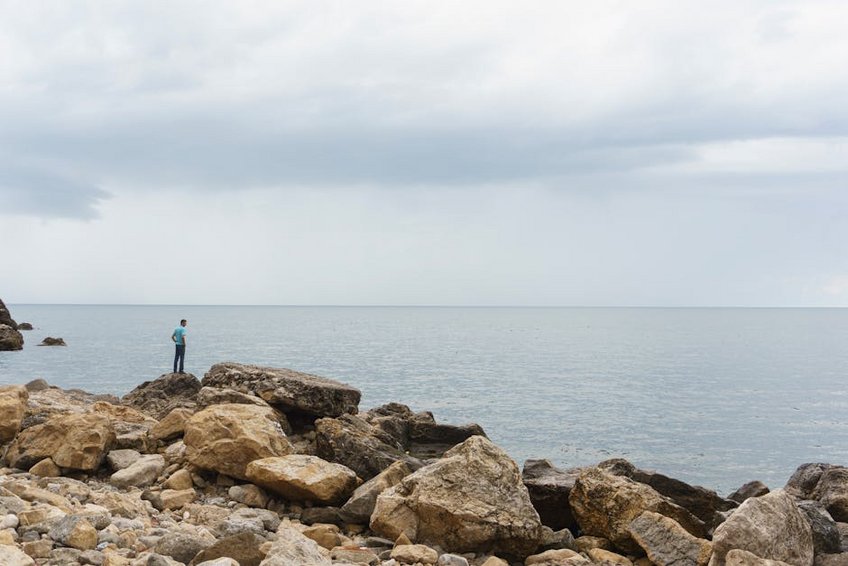
Alt: “amasra-black-sea-town-panoramic-view-from-fortress-walls”
Amasra Travel Plan – Crafting Your Perfect Itinerary
A successful Amasra travel plan balances historical exploration, culinary indulgence, and coastal relaxation within a tight timeframe. The town’s layout is perfectly suited for a walking-centric visit, with almost all major attractions within a 15-minute radius of the main harbor. This efficiency means you can cover impressive ground without feeling rushed. The key is sequencing your days to follow a logical geographic flow, starting in the historic center and moving outward.
We recommend a three-day, two-night stay as the ideal duration to experience the essence of the town without redundancy. This allows one full day for the fortress and old town, one for beaches and boat tours, and a final morning for museums and shopping before departure. For those with only 48 hours, condense by focusing on the fortress area and a single boat trip, skipping the more distant beaches. Your comfort during exploration hinges on packing for variable weather, even in summer.
Best Time to Visit Amasra
The ideal months for an Amasra visit are from late May through September, when daytime temperatures range from 70°F to 82°F (21°C to 28°C) and rainfall is minimal. This period offers the best conditions for walking, boating, and swimming. July and August are peak season, bringing warmer weather perfect for beach days but also larger crowds of domestic tourists, so book accommodations at least a month in advance.
Shoulder seasons like May and early October are excellent alternatives, with temperatures between 60°F and 70°F (15°C and 21°C) and far fewer visitors. The sea remains swimmable into September. Winter, from November to March, is quiet and moody, with temperatures dropping to 40-50°F (4-10°C) and frequent rain, but it offers a starkly beautiful and authentic local experience, ideal for photographers and solitude seekers.
Budget Planning and Costs
Your daily budget varies dramatically based on style. Here’s a realistic breakdown for a three-day trip.
Essential Preparation Checklist
Packing for this Black Sea coast requires strategic choices. Comfortable, grippy walking shoes are non-negotiable for the town’s steep, cobbled streets and fortress ramparts. Even in summer, pack a light waterproof jacket or sweater for cool evenings and potential sea breezes. For beach days, include swimwear, a towel, and sandals.
Ensure your passport is valid for at least six months beyond your travel dates. Most Western nationals can obtain an e-Visa online before arrival. While not mandatory, travel insurance covering medical emergencies is highly recommended. Book your hotel at least two weeks in advance for summer visits. Lastly, download an offline map of the town and a translation app to smooth over any language barriers.
Top Attractions and Activities in Amasra
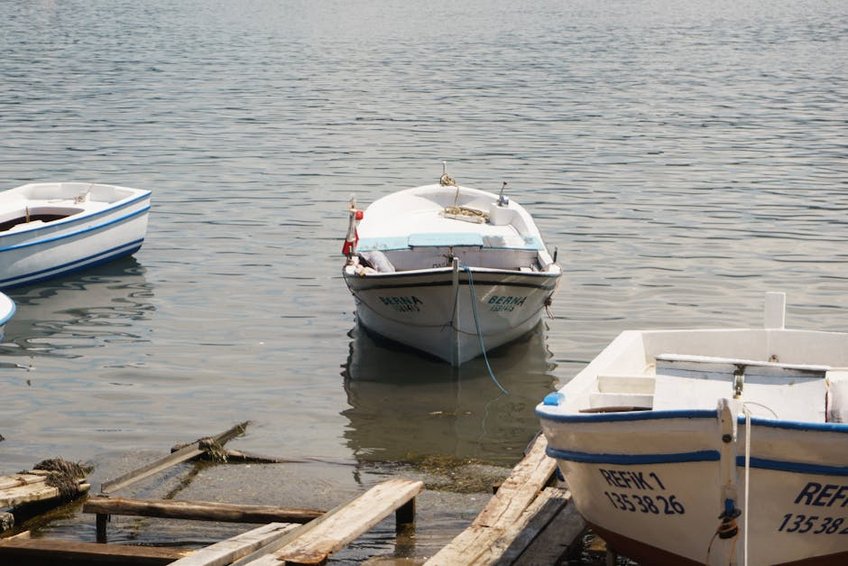
This destination packs a surprising density of sights into a small area. The crown jewel is undoubtedly the Byzantine Fortress, whose walls you can walk along for unparalleled views. The bustling harbor, filled with colorful fishing boats, is the town’s vibrant heart and the launch point for essential sea excursions. Beyond the immediate center, nearby beaches like Çakraz and Bozköy offer golden sand and clearer waters, perfect for a half-day escape.
Don’t miss the Amasra Museum, which houses regional artifacts that tell the story of 3,000 years of settlement. For a unique perspective, walk across the ancient stone bridge to Boztepe Island for a quieter, more residential atmosphere and stunning backdrops of the mainland. Each activity connects you to a different layer of the town’s identity, from ancient defender to thriving fishing community.
Must-See Historical Highlights
The Amasra Fortress (Amasra Kalesi) is your first stop. Allow at least two hours to explore its interconnected walls, which enclose the old town. Entry is free to most sections, though a small fee may apply for the inner citadel. Visit in the late afternoon for the best photography light on the seaward walls. Next, the Amasra Museum provides crucial context with its collection of Hellenistic, Roman, Byzantine, and Ottoman relics.
The Fatih Mosque, converted from a former Byzantine church, showcases the town’s layered religious history. Finally, the Kemere Bridge, a Genoese-era stone arch, is both a functional passage to Boztepe Island and a beautiful historical monument. Walking across it feels like stepping back in time. All these sites are within easy walking distance, making a self-guided historical tour perfectly manageable in one morning.
Hidden Gems and Local Favorites
Venture to the quieter Direkli Kaya (Column Rock), a unique rock formation on the coast near the fortress, for a peaceful spot away from the main crowds. Explore the backstreets of the Sormagir neighborhood on the mainland for beautifully preserved Ottoman-era wooden houses, where daily life continues undisturbed by tourism. For a sublime view without the climb, find the small tea garden perched above the western harbor wall.
Locals often take evening walks along the seaside path towards Küçük Liman (Small Port). Join them for an authentic slice of daily life and stunning sunset vistas over the island. If you visit between September and February, head to the fish market in the early morning to watch the day’s anchovy catch being auctioned—a vibrant and sensory local spectacle.
Boat Tours and Coastal Exploration
No visit is complete without seeing the town from the water. Standard boat tours depart regularly from the main harbor, costing around $8-12 USD (250-350 TRY) per person for a 1-1.5 hour trip. These tours navigate the stunning coastline, passing sea caves, hidden coves, and providing the classic photogenic view of the town nestled between its two bays. For a more personalized experience, small groups can hire a private boat for a similar rate.
These tours typically circle Boztepe Island and point out historical features like the “Bird’s Rock.” Opt for a late afternoon tour to capture the golden hour glow on the fortress walls. If the sea is calm, some boats may even stop for a quick swim in a secluded cove, so bring your swimwear just in case. It’s the perfect way to understand the town’s strategic and beautiful maritime setting.
Practical Travel Information: Logistics Made Easy
Getting to this Black Sea gem requires a bit of planning but is straightforward. The town has no airport or major train station, so the journey involves a combination of air, land, and sometimes sea travel. Most international travelers fly into Istanbul (IST or SAW) and then take a connecting flight or bus. Once in town, everything is accessible on foot, though local dolmuş (shared minibus) services connect to outlying beaches and neighborhoods.
Accommodation ranges from family-run guesthouses (pansiyons) to modern hotels, nearly all offering sea views due to the peninsula’s geography. Booking in advance is crucial for summer weekends and Turkish national holidays. The compact nature of the town means you’re never far from the water, but rooms with a direct harbor view command a premium price and offer an unforgettable experience.
| Accommodation Type | Best For & Features | Average Price Range/Night (USD) |
|---|---|---|
| Guesthouse (Pansiyon) | Budget travelers, authentic stay, family-run, often includes homemade breakfast. | $25 – $45 |
| Boutique Hotel | Mid-range comfort, renovated historic buildings, central location, sea views. | $60 – $100 |
| Full-Service Hotel | Luxury seekers, amenities like spa & restaurant, panoramic views, concierge. | $110 – $180+ |
| Self-Catering Apartment | Families or longer stays, kitchenette, more space, local residential feel. | $50 – $80 |