

Camping: Your Ultimate Guide to Planning a Perfect Outdoor Adventure
Camping connects you with nature through nights under the stars, fresh air, and a break from daily routines. This outdoor activity offers diverse experiences, from rugged backcountry hikes to comfortable car campsites with family-friendly amenities. A successful trip requires thoughtful preparation around gear, location selection, food planning, and understanding how to minimize your environmental impact while maximizing enjoyment and safety.
Essential Camping Information
Camping, as a recreational activity, involves staying overnight in a shelter like a tent, RV, or cabin in a natural setting. It spans a wide spectrum, from primitive dispersed camping in national forests to developed campgrounds with electrical hookups and shower facilities. The core appeal lies in immersion in outdoor environments, whether for relaxation, adventure, or as a base for activities like hiking and fishing.
Modern camping has evolved significantly from its rudimentary origins. Today, it is a major sector of the outdoor recreation industry, with a vast market for specialized equipment and reservation systems for popular public lands. This growth emphasizes the importance of sustainable “Leave No Trace” principles to protect these cherished natural spaces for future visitors and wildlife.
Primary Camping Styles and Definitions
Understanding the different styles helps you choose the right adventure for your comfort and skill level.
- Car Camping: You drive directly to a designated campsite, allowing for more substantial gear like large tents, coolers, and camp chairs. This is ideal for families and first-timers, offering an easy entry point with facilities often available.
- Backpacking: This involves hiking to a remote site with all your shelter, food, and supplies carried in a pack. It demands lighter gear, greater physical fitness, and route-planning skills to access pristine, secluded wilderness areas.
- Dispersed Camping: Also known as primitive or boondocking, this means camping outside of a developed campground, usually on public lands like National Forests or BLM areas. It’s often free but requires total self-sufficiency and a strong commitment to leaving no trace.
- Budget-Conscious: ($15-50 per night). Use public lands with free dispersed camping or low-cost public campgrounds. Borrow key gear like tents and sleeping bags, prepare all meals from grocery stores, and focus on destinations within a short drive to save on fuel.
- Mid-Range Comfort: ($50-150 per night). Book a reserved site at a state or national park campground ($20-40/night). Invest in quality foundational gear like a reliable tent and sleeping pads. Incorporate some pre-made camping meals or eat at a local diner one night. This tier offers the best balance of comfort and cost.
- Luxury/Glamping: ($150-400+ per night). Stay at a private glamping resort with furnished safari tents or rent a fully-equipped RV. This includes amenities like real beds, private bathrooms, and sometimes even concierge service. It maximizes comfort while still providing a nature-adjacent experience with minimal setup.
- Recreation.gov (Federal Camping Reservations)
- Leave No Trace Center for Outdoor Ethics
Key Benefits and Considerations
The benefits of a camping trip are extensive, impacting both physical and mental well-being. You gain exposure to natural light, which helps regulate sleep cycles, and engage in physical activity like gathering wood or hiking. The simplicity of camp life can significantly reduce stress and provide a genuine digital detox, encouraging real-time connection with companions.
However, the experience requires accepting a degree of unpredictability. Weather can change rapidly, insects may be present, and you’ll be away from modern home comforts. Success hinges on a positive attitude, flexibility, and thorough preparation to manage these variables safely and comfortably.
Environmental Responsibility and Ethics
Every camper has a duty to protect the outdoors. The seven Leave No Trace principles provide a critical framework: plan ahead, travel on durable surfaces, dispose of waste properly, leave what you find, minimize campfire impacts, respect wildlife, and be considerate of other visitors.
This means packing out all trash, using established fire rings or a camp stove, storing food securely from animals, and camping at least 200 feet from lakes and streams. Your choices directly affect ecosystem health and the quality of the experience for those who follow.
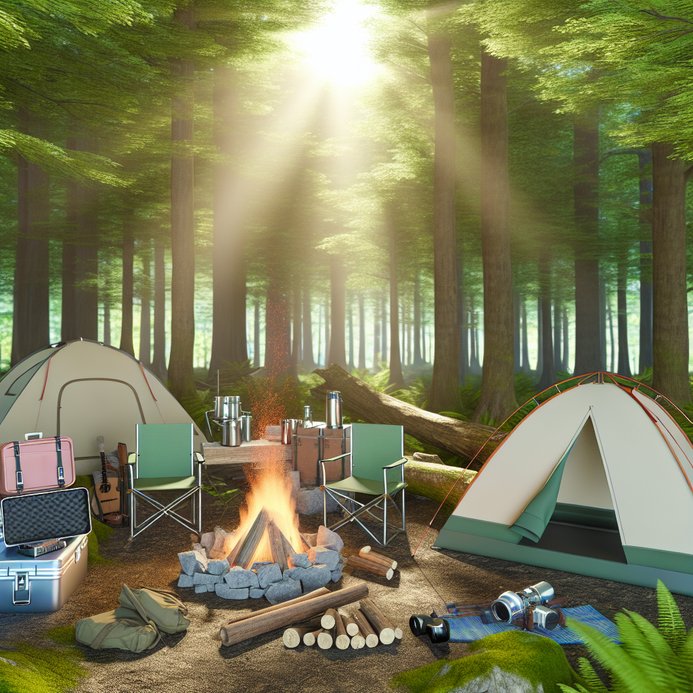
Alt: “family-car-camping-tent-setup-mountain-lake-scenery”
Camping – Planning Your Trip
Effective planning is the foundation of a safe and enjoyable outdoor excursion. Start by defining your trip’s goal: is it relaxation, fishing, strenuous hiking, or introducing children to nature? Your answer will guide every other decision, from campsite selection to the gear checklist. Research your destination thoroughly, noting regulations, required permits, bear activity, and current fire restrictions.
Create a detailed checklist for gear and food, and practice setting up new equipment like tents or filters at home. Always check the weather forecast in the days leading up to your departure, but pack for unexpected conditions. Notify someone reliable of your itinerary, including your destination and expected return time, as a basic safety precaution.
Best Time to Visit Various Camping Destinations
Seasonality dramatically affects campground availability, weather, and insect activity. In most of the U.S., the prime camping season runs from late spring through early fall (May to September), offering warm days with average highs of 70-85°F (21-29°C) and cooler nights. National park campgrounds during this peak period often book up months in advance.
Shoulder seasons like late April/May and September/October provide fewer crowds and fewer bugs, though temperatures can be unpredictable, dipping to 30-50°F (-1 to 10°C) at night. Winter camping is a specialized pursuit requiring extreme cold-weather gear but offers profound solitude; it’s best attempted only after gaining substantial experience in milder conditions.
Budget Planning and Costs
A camping budget can vary from very low to quite high, depending on your existing gear and chosen style.
Essential Preparation Checklist
Your shelter and sleep system are critical. Ensure your tent is seam-sealed, includes a footprint or tarp for ground protection, and is rated for the expected weather. Pair a sleeping bag rated 10°F lower than the forecasted low with an insulated sleeping pad for comfort and warmth from the ground up. Test all equipment before leaving home.
Secure necessary permits well in advance, especially for popular backcountry zones or national parks. Print or download offline maps of the area. Pack a well-stocked first-aid kit tailored to your group’s needs and familiarize yourself with basic wilderness first aid procedures for common issues like blisters, cuts, or dehydration.
Top Camping Activities and Experiences
The campsite itself is often just a basecamp for daily adventures. Hiking is the most quintessential companion activity, allowing you to explore the surrounding terrain, find scenic vistas, and discover hidden waterfalls or alpine lakes. Many campgrounds are situated near trailheads for this very purpose, offering routes for all ability levels.
Water-based activities like fishing, kayaking, swimming, or simply relaxing by a lake or river define many summer camping trips. Evening brings classic pursuits like stargazing far from city lights, telling stories around a campfire (where permitted), and identifying nocturnal animal sounds. The pace is yours to set, from vigorous exploration to total hammock-based relaxation.
Must-See Natural Highlights
National Parks like Yosemite, Yellowstone, and the Great Smoky Mountains offer iconic, well-serviced camping with access to world-class geology and wildlife. State parks are often hidden gems, providing excellent facilities and beautiful settings closer to home, such as Hither Hills on New York’s Long Island or Silver Falls in Oregon.
For profound solitude, target National Forests or Bureau of Land Management (BLM) areas, which allow dispersed camping. Regions like the San Juan Mountains in Colorado or the Olympic Peninsula in Washington offer breathtaking backdrops with more flexibility and fewer reserved sites than national parks, though with fewer amenities.
Hidden Gems and Local Favorites
Look beyond the most famous parks. Consider national lakeshores (like Sleeping Bear Dunes), national seashores (like Cape Hatteras), or wildlife refuges, which often have quieter campgrounds. Research county and regional parks, which can provide surprisingly beautiful and affordable camping options near less-heralded natural features.
Ask local outdoor shops for recommendations on their favorite lesser-known spots. Websites like The Dyrt or Campendium feature user reviews that can reveal fantastic, low-key campgrounds. Often, a site just outside a popular park’s boundary will be easier to book and nearly as scenic.
Skill-Building and Educational Opportunities
Use your trip to learn and practice new outdoor skills. Master building a small, responsible fire using local tinder and kindling (where legal). Practice navigational skills with a map and compass on a familiar trail. Learn to identify a few local edible plants, constellations, or bird calls, which deepens your connection to the specific place you’re visiting.
Practical Camping Travel Information
Logistics revolve around your shelter, kitchen, and navigation systems. Your tent is your home; choose one with adequate space and weather protection. Your kitchen setup should be simple but complete: a reliable stove (like a Jetboil or MSR PocketRocket), fuel, a pot, utensils, and a clean water solution, such as a Sawyer filter or chemical treatment tablets.
Navigation requires more than a phone, as service is often unavailable. Carry a detailed paper map and compass as a backup to your GPS device or app with pre-downloaded maps. A well-organized system for packing your car or backpack saves time and frustration at the campsite and ensures critical items are accessible.
| Gear Category | Essential Items & Features | Price Range (USD) |
|---|---|---|
| Shelter | 3-season tent (rainfly, footprint), hammock with bug net & rain tarp | $100 – $500 |
| Sleep System | Sleeping bag (temperature-rated), inflatable or foam sleeping pad, pillow | $150 – $600 |
| Kitchen & Food | Camp stove, fuel, cooler, water filter, bear-resistant food canister | $80 – $400 |
| Clothing & Footwear | Moisture-wicking layers, insulating jacket, rain shell, hiking boots | $200 – $700 |
| Safety & Tools | First-aid kit, headlamp, multi-tool, fire starter, repair kit | $50 – $250 |


