Thailand Beach vs Mountain Destinations: Finding Your Perfect Escape
Thailand offers a classic traveler’s dilemma, presenting two distinct vacation worlds: the idyllic coastline of the Andaman Sea and Gulf of Thailand versus the misty peaks and cultural heartlands of the north. Choosing between Thailand beach vs mountain destinations depends entirely on whether you seek sun-drenched relaxation or adventurous cultural immersion, as these regions provide radically different climates, activities, and atmospheres. This guide provides a detailed comparison of costs, climates, and experiences to help you decide which Thai paradise aligns with your travel style.
Understanding Thailand’s Geographic Contrasts
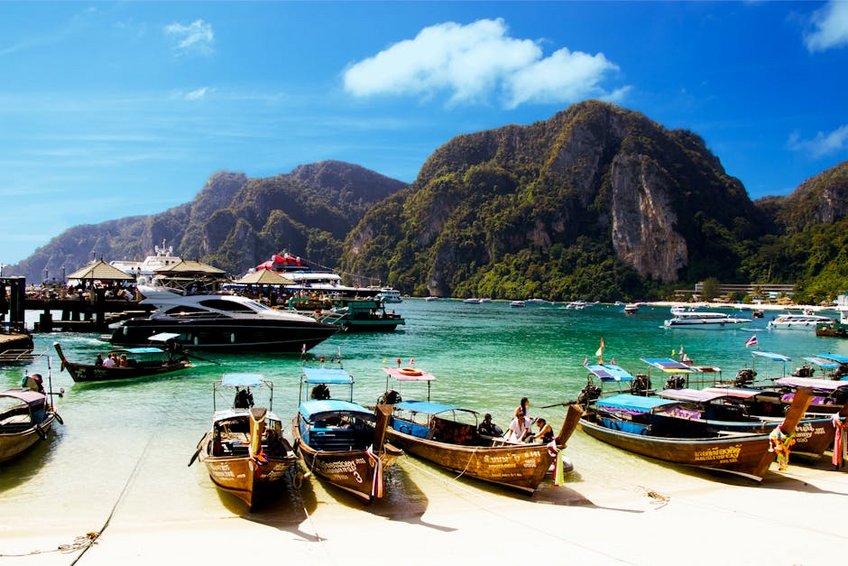
Thailand’s geography is split between a sprawling southern peninsula lined with world-famous beaches and a mountainous northern region bordering Myanmar and Laos. The southern coastal zones, including Phuket, Krabi, and the islands of Koh Samui and Koh Phi Phi, feature limestone karsts, white-sand beaches, and turquoise waters. Conversely, the northern provinces like Chiang Mai, Chiang Rai, and Pai are characterized by verdant highlands, rolling hills, and a significantly cooler climate, especially from November to February.
This geographic divide creates two separate tourist ecosystems. The beach destinations are built around maritime activities, from snorkeling and diving to island-hopping boat tours. The mountain regions focus on trekking, visiting hill tribe villages, and exploring ornate Buddhist temples set against dramatic backdrops. Your choice fundamentally shapes your daily itinerary, packing list, and overall pace of travel.
Climate and Seasonal Timing
The timing of your trip is crucial, as Thailand’s weather patterns differ dramatically between regions. The southwest monsoon affects the Andaman Coast (Phuket, Krabi) from May to October, bringing heavy rain and rough seas, while the Gulf Coast (Koh Samui, Koh Phangan) sees its wettest weather from October to December. The north experiences a distinct cool season from November to February, with temperatures dropping to around 60°F (15°C) in the mornings, and a burning season from late February to April, where agricultural fires can significantly impact air quality.
Cultural Atmosphere and Vibe
The cultural atmosphere diverges sharply between coasts and highlands. Beach towns like Patong in Phuket or Haad Rin in Koh Phangan are synonymous with vibrant nightlife, international party scenes, and a fast-paced tourist economy. In contrast, northern cities like Chiang Mai offer a more relaxed, culturally immersive experience, centered around historic temples (wats), night bazaars selling handicrafts, and a notable digital nomad community. The mountain areas provide deeper access to Thailand’s Lanna history and ethnic minority cultures.
Primary Activities and Experiences
Your desired activities should guide your destination choice. Beach destinations excel in water-based adventures: scuba diving in the Similan Islands, rock climbing on Railay’s limestone cliffs, or simply lounging on the sands of Maya Bay. Mountain destinations offer land-based exploration: trekking to remote villages, visiting the iconic White Temple (Wat Rong Khun) in Chiang Rai, or participating in a ethical elephant sanctuary experience in the jungle. Each region offers distinct culinary highlights, from southern spicy seafood curries to northern savory noodle dishes like Khao Soi.
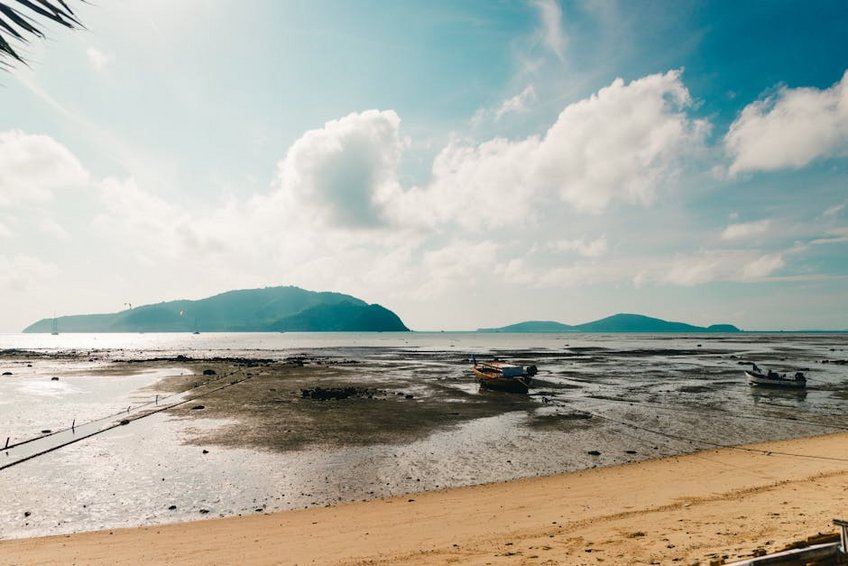
Alt: “thailand-andaman-coast-limestone-cliffs-turquoise-water-longtail-boat”
Thailand Beach vs Mountain Destinations – Planning Your Comparison
Successfully comparing a Thai island getaway with a northern highland adventure requires analyzing several core factors. Your budget, travel goals, and preferred pace all dictate which region will offer better value and enjoyment. A coastal vacation often involves higher resort costs but simpler logistics, while a mountain journey may have lower accommodation prices but require more complex inland transportation planning.
Consider who is traveling. Families with young children often find beach resorts more convenient due to all-inclusive amenities and easy water access. Solo travelers and couples seeking culture and adventure may gravitate toward the north’s trekking and temple circuits. Group trips can be split between both regions with careful scheduling, though domestic flights or long overnight trains are necessary to bridge the distance.
Best Time to Visit Each Region
For Andaman Coast beach destinations like Phuket and Krabi, visit between November and April for dry, sunny weather with average temperatures of 85-95°F (29-35°C) and calm seas perfect for sailing. The Gulf Coast islands, including Koh Samui, enjoy their best weather from January to August. To experience the northern mountains at their best, plan your trip between November and early February, when daytime temperatures are a pleasant 75-85°F (24-29°C) and evenings are cool, ideal for exploring night markets without the haze that arrives later in the season.
Budget Planning and Costs
Overall daily budgets vary significantly based on location and style.
- Budget Traveler ($30-50 USD/day): In beach areas, this covers hostel dorms, street food, and local transport. In the mountains, this budget allows for guesthouses, scooter rental, and inexpensive temple visits. The north generally offers slightly better value for money on accommodation and food.
- Mid-Range Traveler ($80-150 USD/day): This enables comfortable beachfront hotels with pools, organized day trips to islands, and restaurant meals. In Chiang Mai or Pai, the same budget secures boutique hotels, guided trekking tours, and dining at highly-rated local restaurants.
- Luxury Traveler ($250+ USD/day): At the coast, this affords private pool villas, private yacht charters, and dining at acclaimed seafood restaurants. In the mountains, luxury translates to five-star resorts with elephant camp visits, private guides for temple tours, and spa treatments at wellness retreats.
- Tourism Authority of Thailand (TAT)
- Lonely Planet Thailand Travel Guide
Essential Preparation Checklist
Your packing list needs regional specialization. For beach destinations, prioritize high-SPF sunscreen, reef-safe mosquito repellent, a quality rash guard for sun protection, waterproof dry bags, and casual beachwear. For mountain adventures, pack light layers for cool mornings, sturdy hiking shoes or trail runners, a reusable water bottle with a filter, and a light jacket for evenings. Universal items include a universal power adapter (Thailand uses 220V), a local SIM card for navigation, and comprehensive travel insurance covering both marine and adventure activities.
Documentation is straightforward for most Western travelers, with visa-free entry for up to 30 days for many nationalities. Book domestic flights between regions 2-3 months in advance for the best prices, especially during peak season from December to January. Health preparations should include consulting a doctor about recommended vaccinations for Southeast Asia.
Top Attractions and Experiences in Each Region
The south’s allure is its breathtaking marine and coastal scenery. Iconic spots include the sheer limestone towers of Phang Nga Bay, the underwater wonders of the Similan Islands National Park, and the iconic railay-beach-accessible only by boat. These areas are hubs for world-class rock climbing, diving, and sunset cruises. The experience is predominantly visual and recreational, focused on the natural beauty of the ocean environment.
Northern Thailand captivates with cultural depth and mountainous landscapes. The heart of the region is Chiang Mai’s Old City, surrounded by ancient moats and home to hundreds of temples like Wat Phra That Doi Suthep perched on a mountain. Further north, Chiang Rai features avant-garde temples such as the Blue Temple (Wat Rong Suea Ten) and the stark White Temple. Experiences here are interactive, involving cooking classes, meditation retreats, and visits to local markets and craft villages.
Must-See Coastal Highlights
Phi Phi Islands offer stunning Maya Bay, famously featured in *The Beach*, best visited on an early morning tour to avoid crowds. Railay Beach in Krabi is a rock-climbing mecca with dramatic scenery, accessible only by boat from Ao Nang. For diving enthusiasts, the Similan Islands offer some of Thailand’s best coral reefs and marine life visibility from November to April. These attractions require booking tours through reputable operators, with day trips typically costing $50-100 USD per person including lunch and equipment.
Essential Mountain and Cultural Sites
Doi Inthanon National Park, home to Thailand’s highest peak, features beautiful waterfalls, royal pagodas, and hiking trails through cloud forests. The historic city of Sukhothai, a UNESCO World Heritage Site, contains impressive ruins of the first Thai kingdom, best explored by bicycle. An ethical elephant sanctuary experience in Chiang Mai or Chiang Rai allows for observing these majestic animals in a responsible, non-riding setting. Entrance fees for national parks are around $5-10 USD for foreigners, while temple donations are often voluntary.
Hidden Gems and Local Favorites
Beyond the major hubs, quieter alternatives exist. On the coast, consider Koh Lipe for a more laid-back island vibe or the northern reaches of Koh Chang for rugged jungle-meets-beach scenery. In the mountains, the town of Pai offers a hippie vibe with hot springs and canyon views, while Nan Province features rarely-visited temples and serene countryside. These spots provide a more authentic and less crowded Thai experience, though they often require longer travel times on local buses or ferries.
Practical Travel Information: Logistics and Accommodation
Transportation networks differ substantially. Southern beach destinations are typically accessed via international airports in Phuket (HKT) or Surat Thani (URT), with connections to islands by ferry. The north is served by Chiang Mai International Airport (CNX), with many travelers arriving from Bangkok on a 1-hour flight or a 12-hour overnight train. Internal travel in beach areas relies on tuk-tuks, taxis, and songthaews (shared pickup trucks), while the north is ideal for motorbike or scooter rental to explore freely.
Accommodation styles reflect the regional character. Coastal areas boast sprawling beach resorts, private villas, and bustling hostels near the nightlife. Mountain towns offer more guesthouses, boutique hotels in lush gardens, and unique stays like treehouses or eco-lodges. Booking platforms like Agoda and Booking.com are widely used, but for smaller guesthouses in the north, direct booking via email or phone can sometimes secure better rates.
| Accommodation Type | Best For & Features | Average Nightly Price (USD) |
|---|---|---|
| Beachfront Resort | Families & luxury; includes pools, multiple restaurants, kids’ clubs, and direct beach access. | $120 – $400+ |
| Boutique Mountain Hotel | Couples & culture seekers; features Lanna design, serene gardens, and cultural activity tours. | $60 – $180 |
| Island Bungalow | Budget travelers & backpackers; basic amenities, fan-cooled rooms, and social beachfront bars. | $15 – $40 |
| City Center Guesthouse (North) | Solo travelers & explorers; simple rooms, local hospitality, and easy access to temples and markets. | $10 – $30 |