

Tel Aviv Israel February: Your Guide to a Perfect Winter Escape
Choosing Tel Aviv in February offers a uniquely vibrant experience, blending mild Mediterranean weather with the city’s legendary cultural energy. You’ll find sunny days perfect for beach strolls alongside dynamic urban life, from world-class cuisine to bustling markets, all without the peak-season crowds. This guide details exactly what to expect, providing the local insights and practical tips you need to plan your ideal winter getaway to this coastal metropolis.
Essential Tel Aviv Information
Tel Aviv, often called “the city that never sleeps,” is Israel’s financial and cultural heart on the Mediterranean coast. Founded in 1909, its relatively young history contrasts with ancient Jaffa at its southern tip, creating a fascinating blend of old and new. The city’s official language is Hebrew, but English is widely spoken, especially in tourism, hospitality, and tech sectors, making navigation straightforward for international visitors.
The local currency is the New Israeli Shekel (NIS), though U.S. dollars and major credit cards are accepted in most establishments. Visitors from the U.S., Canada, and the EU typically do not need a visa for tourist stays up to 90 days. The city operates on Israel Standard Time (IST), which is two hours ahead of Greenwich Mean Time (GMT+2) during the winter months.
What Makes February Unique
This month provides a distinct seasonal character you won’t find in summer.
- The weather is pleasantly cool, with average highs around 64°F (18°C) and lows near 50°F (10°C), ideal for active exploration without summer’s intense heat and humidity.
- Crowds are significantly thinner than during Passover or summer holidays, meaning shorter lines at museums, better restaurant availability, and more relaxed atmosphere.
- You’ll experience local life more authentically, as the city isn’t overrun with international tourists, and you can often find better value on accommodations and flights.
- Budget travelers can manage on $70-100 per day by staying in hostels or budget hotels in areas like Florentin, eating street food and market falafel, using public bikes (Tel-O-Fun), and enjoying free activities like beach walks and exploring neighborhoods.
- A mid-range budget of $150-250 per day allows for a comfortable hotel in the center or near the port, dining at nice casual restaurants, occasional taxi rides, and entry fees to several museums like the Eretz Israel Museum or Palmach Museum.
- Luxury travelers should budget $350+ per day for 5-star beachfront properties, fine dining at restaurants like OCD or Taizu, private guided tours, and spa experiences. This tier offers the highest level of comfort and culinary exploration.
- Tel Aviv-Yafo Municipality – Official Tourism Site
- Wikitravel – Tel Aviv Travel Guide
Key Cultural and Historical Context
Tel Aviv’s identity is deeply intertwined with its status as a “White City,” a UNESCO World Heritage site boasting the world’s largest collection of Bauhaus-style buildings. The architecture tells a story of 1930s modernist ideals shaping a new urban center. This creative spirit continues today in the city’s thriving arts, nightlife, and food scenes, which draw global inspiration while maintaining a distinctly Israeli flair.
Jaffa, the ancient port city now integrated into Tel Aviv’s southern coastline, adds millennia of history to your visit. Its stone alleyways, archaeological sites, and famous flea market offer a tangible connection to the past. Understanding this layered history—from ancient Jaffa to the Bauhaus boulevards to the contemporary tech hub—enriches every aspect of your trip.
Neighborhoods and Vibe
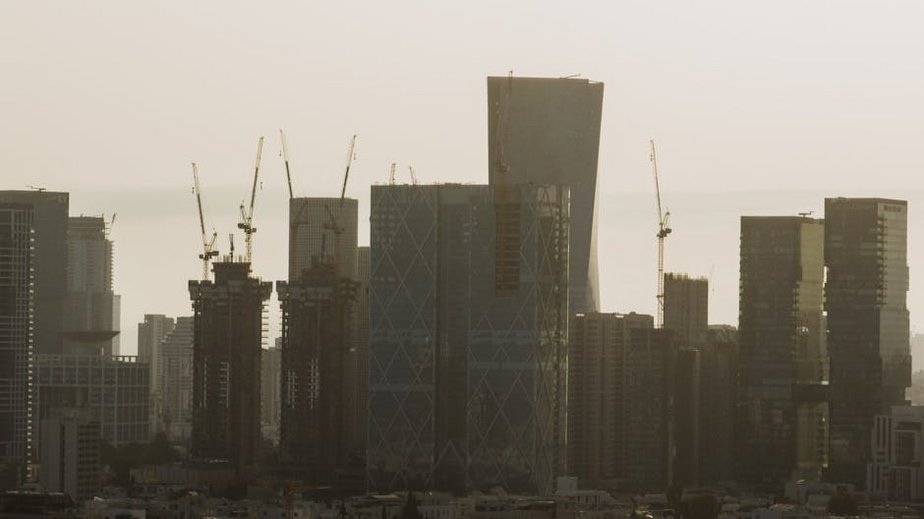
Each district in Tel Aviv offers a different atmosphere. Neve Tzedek, the city’s first neighborhood, charms with its narrow lanes and boutique shops. Florentin attracts a younger, artsy crowd with its vibrant street art and edgy bars. The center, around Rothschild Boulevard, is the financial and architectural heart. Choosing where to base yourself depends on whether you prioritize beach access, nightlife, history, or quiet charm.
Alt: “tel-aviv-beach-promenade-february-winter-sunny-day”
Tel Aviv Israel February – Planning Your Trip
Your February visit succeeds with thoughtful preparation centered around the unique seasonal conditions. While you’ll miss the swimming weather, you gain perfect conditions for urban exploration, culinary tours, and day trips. Focus your itinerary on indoor cultural sites, cafe culture, and coastal walks, keeping a lightweight rain jacket handy for the occasional brief shower that can occur this time of year.
Budget planning benefits from the off-peak timing. Flight prices from Europe and the East Coast of the U.S. are often lower than in spring or fall. Hotel rates in central locations like near Dizengoff or the beachfront can be 20-30% cheaper than during the high season. Allocate funds for the incredible food scene, from hummus joints to fine-dining establishments showcasing modern Israeli cuisine.
Logistically, February is one of the easier times to experience Tel Aviv’s energy without the overwhelm. You can be more spontaneous with dining reservations and won’t need to book museum tickets weeks in advance. However, always check the calendar for the Jewish holiday of Purim, which sometimes falls in late February or early March, as the city-wide costume parties and celebrations are a spectacular, if busy, time to visit.
Best Time to Visit Within February
The entire month offers advantages, but the period from mid to late February is often ideal. Daytime temperatures consistently reach the comfortable mid-60s°F (17-19°C), and the chance of rainfall decreases compared to early in the month. The sea is still too cold for swimming, usually around 63°F (17°C), but the beaches are serene and perfect for long, uncrowded walks.
If your schedule is flexible, aim for a weekday visit rather than a weekend. From Friday afternoon to Saturday evening, the city observes Shabbat, where public transportation stops and many businesses close. While this offers a unique cultural experience and a quieter pace, it requires planning for meals and activities. Sundays, in contrast, are a full, vibrant workday.
Budget Planning and Costs
A daily budget can vary widely based on your travel style.
Essential Preparation Checklist
Pack layers for changeable weather. Include a light sweater, a waterproof windbreaker, comfortable walking shoes, and sunglasses. While formal dress is rarely required, Israelis tend toward smart-casual attire in the evening. Don’t forget a universal power adapter (Israel uses Type H plugs, 230V) and a portable charger for navigating the city.
Ensure your passport is valid for at least six months beyond your entry date. While travel insurance is not mandatory, it’s highly recommended to cover any unexpected medical or travel disruptions. Download useful apps like Moovit for public transport routes, Waze for driving, and Google Translate, though English signage is prevalent throughout the city.
Top Attractions and February Activities
February’s agreeable climate is perfect for enjoying Tel Aviv’s outdoor and indoor highlights at a leisurely pace. The famous Tel Aviv Promenade (Tayelet) is ideal for biking or walking from the Tel Aviv Port in the north to Old Jaffa in the south. The city’s park system, including Hayarkon Park, is lush and green from winter rains, offering beautiful settings for a picnic or a relaxed stroll.
Cultural institutions provide excellent rainy-day options. The Tel Aviv Museum of Art houses impressive Israeli and international collections. For a deep dive into the region’s history, the Eretz Israel Museum covers archaeology, folklore, and crafts across several pavilions. The Ilana Goor Museum in Jaffa offers art in a stunning historic setting with panoramic sea views.
Must-See Highlights
Old Jaffa is a non-negotiable stop. Wander through its ancient stone alleyways, visit the Jaffa Flea Market (Shuk Hapishpeshim) for antiques and vintage finds, and enjoy the iconic view of the Tel Aviv coastline from the hilltop gardens. The market is especially lively on Fridays. Allow at least half a day to explore this historic area fully.
Rothschild Boulevard is the iconic spine of the White City. A walk here lets you admire the UNESCO-listed Bauhaus architecture while passing cafes, kiosks, and Independence Hall, where Israel’s declaration of independence was signed. The Carmel Market (Shuk Hacarmel) bursts with colors, smells, and sounds; go hungry to sample fresh fruits, pastries, and local street food like sabich.
Hidden Gems and Local Favorites
Venture to the Levinsky Market in the Florentin neighborhood. Less touristy than Carmel Market, it specializes in spices, dried fruits, nuts, and Balkan delicacies. It’s a fantastic place to assemble a picnic or simply soak in the local atmosphere. Nearby, the graffiti-covered streets of Florentin showcase the city’s underground creative pulse.
For a peaceful escape, visit the Tel Aviv University campus, specifically the sprawling Botanic Garden. It’s a serene, green space that’s particularly pleasant on a warm February afternoon. Another local favorite is the Charles Clore Park, situated between the beach and Old Jaffa, offering great sunset views and plenty of space to relax.
Indoor and Rainy Day Options
If you encounter one of February’s occasional rainy days, head to Sarona Market. This upscale indoor food market features dozens of vendors selling gourmet foods, fresh produce, and ready-to-eat meals from around the world. It’s a culinary adventure under one roof. Alternatively, catch a performance at the Israeli Opera or a show at one of the many small theaters in the city.
Practical Travel Information
Navigating Tel Aviv is straightforward with a mix of modern and traditional options. The city is very walkable, especially along the coastal strip and central neighborhoods. For longer distances, the public bus system, operated by Dan, is extensive and reliable. Payment is via the Rav-Kav smart card, which you can purchase and top up at central stations or select kiosks.
Accommodation ranges from luxury beachfront hotels to boutique guesthouses and trendy hostels. The most popular areas for visitors are the City Center (near Rothschild), the Beachfront (hotels along Hayarkon Street), and Neve Tzedek for a quieter, boutique experience. Book your stay well in advance if your visit coincides with a major conference or holiday.
| Accommodation Type | Best Areas & Features | Price Range/Night (USD) |
|---|---|---|
| Luxury Beachfront | Hayarkon Street, direct sea views, spa & pool facilities | $300 – $600+ |
| Boutique Hotel | Neve Tzedek or Rothschild, design-focused, intimate | $180 – $350 |
| Mid-Range Hotel | City Center, good transit links, modern amenities | $120 – $220 |
| Hostel/Apartment | Florentin or near Carmel Market, social or self-catering | $50 – $110 |


