Tea Garden Visits in Rize: Your Guide to Turkey’s Green Heart
Embarking on a tea garden tour through Rize reveals the soul of Turkey’s iconic beverage, tracing its journey from emerald hillside to your cup. This northeastern Black Sea province produces over 60% of the nation’s tea, creating a landscape where entire communities live and breathe the cultivation cycle. Your visit offers a sensory immersion into verdant terraces, traditional processing methods, and a warm culture centered around the beloved çay.
The Heart of Turkish Tea Culture
Rize’s identity is inextricably linked to Camellia sinensis. The tea plant was first successfully cultivated here in the 1940s, transforming the regional economy and national drinking habits. Today, the province’s humid, mild climate and acidic soil create perfect growing conditions across thousands of hectares.
The harvest season, or “çay toplama zamanı,” spans from May to October, with the finest leaves picked in late spring. This period sees the hillsides buzzing with activity as pickers, often local women, fill large wicker baskets with the young shoots. The rhythm of life here follows the growth of the tea bush.
Understanding the Tea Plantation Landscape
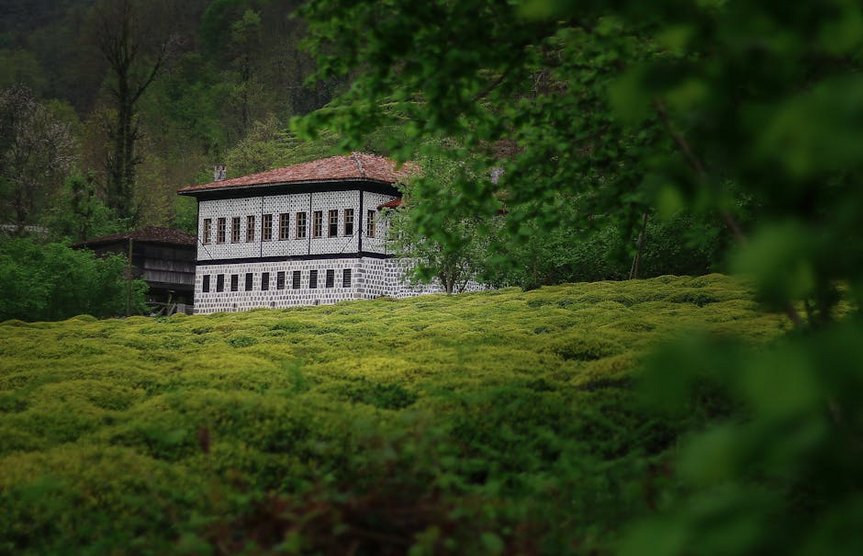
The terraced gardens are a defining visual feature, sculpting the steep Pontic Mountain slopes into geometric patterns of green. This design prevents soil erosion and maximizes sunlight exposure for the plants.
- Commercial plantations, managed by the state-owned Çaykur, offer organized tours of vast, rolling fields and modern processing facilities where you can witness industrial-scale production.
- Family-owned gardens, often smaller and steeper, provide an intimate look at traditional cultivation methods passed down through generations, where the connection between land and family is palpable.
- Scenic viewpoints, like the Ziraat Botanical Tea Garden, allow you to comprehend the sheer scale of cultivation while enjoying a freshly brewed cup with panoramic vistas of the verdant valleys below.
- Budget travelers can manage on $40-$60 per day by staying in local guesthouses (pansiyons), using public minibuses (dolmuş) for transport, eating at lokantas, and joining free or low-cost tours offered by some Çaykur facilities. A simple pot of tea costs less than $1.
- Mid-range visitors spending $80-$150 daily can book comfortable hotels in Rize city center, rent a car for flexibility, enjoy guided half-day tours ($20-$35 per person), and dine at quality restaurants serving regional Black Sea cuisine.
- A luxury experience at $200+ per day includes boutique hotels with mountain views, private guided tours with translators, gourmet meals featuring local trout and cornbread, and perhaps a helicopter tour for breathtaking aerial views of the endless tea terraces.
- Rize Governorate Official Website
- Tea & Coffee Trade Journal
A Brief History of Rize Tea
Prior to the 20th century, Rize’s economy relied on corn and hazelnuts. The push for domestic tea production began in the 1920s to reduce expensive imports. Seeds were brought from neighboring Georgia, but initial attempts failed.
Success finally came in the 1940s under the guidance of agricultural expert Zihni Derin, earning him the title “Father of Turkish Tea.” The first factory opened in 1947 in Rize’s town of Derepazarı. This history is celebrated in local museums and remembered fondly by older residents whose lives were changed by the green leaf.
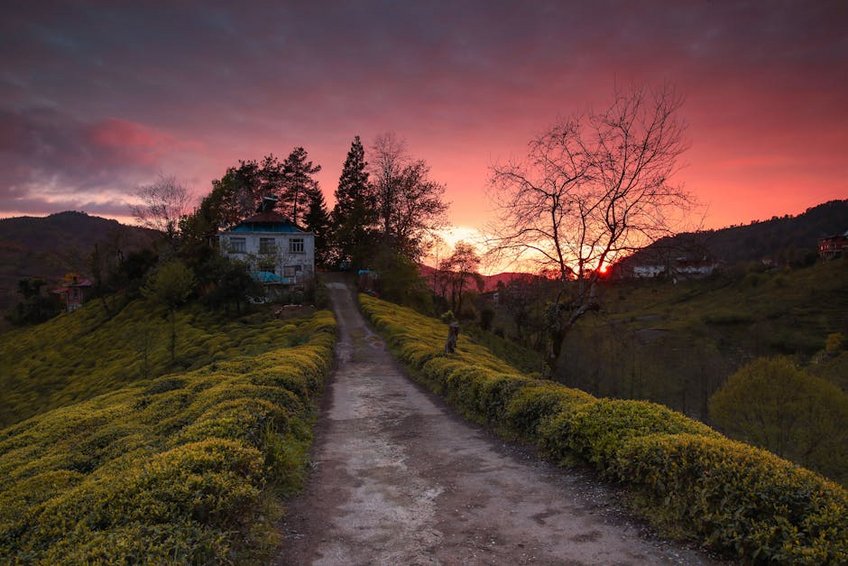
Alt: “rize-turkey-tea-plantations-terraced-hillsides-black-sea”
Tea Garden Visits in Rize – Planning Your Trip
Organizing your tea garden visits in Rize requires understanding the region’s unique climate and terrain. The Black Sea coast is lush for a reason, receiving significant rainfall, so packing waterproof layers is essential regardless of the season. Roads through the mountains are winding and often narrow, making a comfortable, patient approach to travel necessary.
While summer offers the warmest weather for exploring, the late spring and early autumn months provide a fantastic balance of pleasant temperatures, active harvesting or processing, and fewer visitors. Your itinerary should mix organized tours for education with leisurely time at a hillside çay bahçesi to simply absorb the atmosphere.
Best Time to Visit Rize’s Tea Region
The ideal window for a tea-focused trip is between late May and late September. Daytime temperatures range from 68°F to 79°F (20°C to 26°C), with high humidity. July and August are peak months, where you’ll see the most vibrant green foliage and bustling activity in the fields and factories.
For a quieter experience with still-good weather, target the shoulder months of May or October, when temperatures sit between 59°F and 68°F (15°C and 20°C). The October harvest, known for producing stronger, darker leaves, offers a unique perspective on the end of the annual cycle. Winter visits are possible but often shrouded in mist and rain.
Budget Planning and Costs
A trip focused on Rize’s tea culture can be tailored to different budgets, with daily expenses varying significantly based on lodging and dining choices.
Essential Preparation Checklist
Pack waterproof hiking shoes with good grip for slippery, steep garden paths, along with a lightweight rain jacket and moisture-wicking layers. Bring a reusable water bottle, sunscreen for highland sun, and insect repellent for the humid microclimate around the plants.
Ensure your travel insurance covers minor medical care. While visas are not required for many Western passport holders for short tourism stays, always check current Turkish entry requirements. Book accommodations at least a month in advance for summer travel, especially in smaller towns like Çamlıhemşin.
Top Tea Experiences and Attractions
Beyond simply viewing the fields, Rize offers immersive activities that engage all your senses. The aroma of fresh leaves, the sound of rustling bushes in the breeze, and the taste of hyper-local brew create lasting memories. Start in Rize city before venturing into the surrounding districts where the most picturesque landscapes unfold.
Many experiences are hands-on. You can try your hand at leaf picking during harvest season, following the lead of local workers. Several facilities allow visitors to participate in the traditional withering, rolling, and drying processes, transforming your understanding of what’s in your cup.
Must-See Highlights
The Rize Tea Research Institute and Museum provides the essential scientific and historical foundation for your visit. Displays explain plant biology, cultivation techniques, and antique processing equipment, all for a small entry fee. It’s the best first stop to contextualize everything you’ll see.
Çaykur’s Metehan Tea Factory offers one of the most accessible organized tours. You’ll walk through the noisy, aromatic halls where freshly picked leaves become finished product, observing oxidation chambers and sorting machines. The on-site shop sells fresh tea at factory prices. For the iconic view, drive to the Ziraat Tea Garden lookout point for a panoramic photo of layered terraces descending to the sea.
Hidden Gems and Local Favorites
Venture to the village of Şenyuva, near Çamlıhemşin, to find small family plots intertwined with traditional wooden Hemşin houses. The contrast of architecture against the green is stunning. Locals may invite you for a cup on their porch if you’re respectful and show genuine interest.
Seek out the lesser-visited Fırtına Valley, where tea gardens cling to slopes above a rushing river. The air is fresher here, and small roadside stalls sell honey and tea directly from the producers. For a unique cultural blend, visit the Pokut Yaylası, a highland pasture where herding culture meets the edges of the tea cultivation zone.
Participating in a Tea Harvest
If your visit coincides with the picking seasons, some small-scale growers welcome visitors to assist for an hour or two. This is not a staged tour but real work. You’ll learn to identify the “two leaves and a bud” prime picking point and feel the physical rhythm of the harvest.
The experience builds a deep appreciation for the labor behind each gram of tea. It’s customary to be invited for a meal or at least several strong cups of tea with the family afterward. A small monetary tip for your hosts is appropriate and appreciated for this personal immersion.
Practical Travel Information for Rize
Navigating Rize and its tea-growing hinterlands requires some logistical planning. The province is served by Trabzon Airport (TZX), located about 1.5 to 2 hours drive west. From there, you can rent a car or take a direct bus or taxi to Rize city. Having your own vehicle provides the greatest freedom to explore remote villages and spontaneous viewpoints.
Accommodation ranges from city hotels to charming village guesthouses. Staying in the countryside places you closer to the gardens and offers a more authentic atmosphere. English is not widely spoken outside tourist offices and major hotels, so learning a few Turkish phrases or using a translation app is very helpful.
| Accommodation Type | Best For & Features | Price Range (USD/Night) |
|---|---|---|
| City Hotel (Rize Center) | Convenience, modern amenities, dining options; easy base for first day | $45 – $100 |
| Mountain Guesthouse (Çamlıhemşin) | Authenticity, stunning views, home-cooked meals; immersion in nature | $35 – $80 |
| Riverside Bungalow (Fırtına Valley) | Tranquility, unique setting, direct garden access; romantic getaways | $60 – $120 |
| Lakeside Boutique Hotel | Luxury, design, spa services; a refined retreat after exploring | $130 – $250+ |