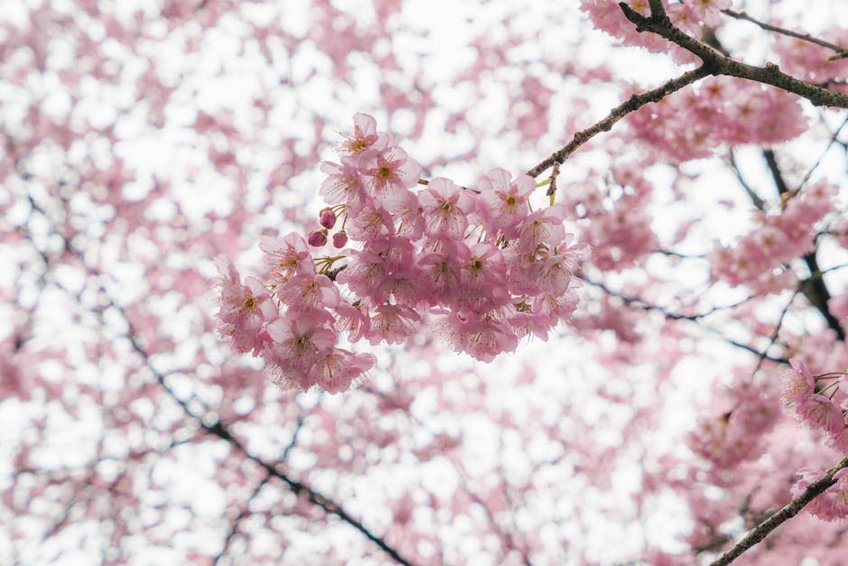
Taiwan Yangmingshan Cherry Festival Guide
The Taiwan Yangmingshan Cherry Festival marks the arrival of spring with a breathtaking display of over 2,000 cherry trees transforming the national park’s volcanic landscape into a sea of pink and white blossoms. Visitors experience a unique cultural celebration blending Japanese-inspired flower viewing traditions with local Taiwanese festivities against a backdrop of hot springs and hiking trails. This guide provides essential details on timing, viewing spots, and local tips for navigating one of Taipei’s most popular seasonal events.
Yangmingshan National Park Essentials
Yangmingshan National Park sits just north of Taipei City, easily accessible yet offering a dramatic change in scenery with its dormant volcanoes, sulfur vents, and grassy meadows. The area’s cooler climate, due to elevations reaching 1,120 meters, creates the perfect environment for cherry trees originally planted during the Japanese colonial era. This unique geography allows you to combine vibrant spring blossom viewing with geothermal wonders and scenic day hikes in a single visit.
The park’s history as a cherry blossom destination began in the 1930s, evolving into the organized festival we see today. Unlike single-variety groves, Yangmingshan features multiple cherry species that bloom sequentially, extending the viewing window. The festival represents a cherished cultural moment where families, photographers, and nature lovers gather to celebrate seasonal renewal amidst stunning natural beauty.
What is the Cherry Festival?
This annual event celebrates the peak blooming period of several cherry varieties across the park.
- The festival is primarily a natural spectacle, not a commercial fair, focusing on self-guided exploration of designated flower viewing trails and iconic photo spots around the park.
- Local authorities organize light cultural performances, calligraphy exhibitions, and guided ecological tours during weekends to complement the blossom viewing experience.
- It symbolizes the welcoming of spring and is deeply embedded in Taiwanese culture, mirroring similar Hanami traditions found in Japan but with a distinct local character.
- Budget Trip ($50-80 USD/day): Stay in a Taipei hostel, use public transportation (bus from Jiantan Station ~$1 USD), enjoy park access for free, and eat at local park stalls or convenience store meals. Focus on self-guided exploration.
- Mid-Range Trip ($120-200 USD/day): Book a hotel in Beitou with hot spring access, use taxis for flexibility, join a weekend guided garden tour ($10-15 USD), and dine at mid-range restaurants in the park or nearby Zhuzihu area.
- Luxury Trip ($300+ USD/day): Reserve a suite at a premium hot spring resort in Yangmingshan, arrange for a private car and driver, enjoy a curated floral and culinary experience, and book a private photography guide during golden hour.
- Yangmingshan National Park Headquarters
- Taipei Travel Official Website
Key Festival Locations and Layout
Blossoms are spread throughout the park, but key clusters create unforgettable scenes. The most iconic spot is Flower Clock, a large floral timepiece surrounded by Yoshino cherry trees creating a picturesque frame. Nearby, Yangming Park offers spacious lawns with scattered trees, perfect for a leisurely picnic under the falling petals.
For a more immersive walk, follow the Zhuzihu Road where cherry trees line the route alongside calla lily fields. The Yangmingshan Visitors Center area provides not only excellent viewing but also essential facilities and information. Each location offers a different perspective, from manicured gardens to natural mountain backdrops.
Cherry Tree Varieties in the Park
Understanding the different species enhances your visit as their blooming times vary. Yoshino cherries, with their pale pink, almost white blossoms, are the most numerous and typically bloom first. These create the classic fluffy cloud-like effect along major pathways.
Taiwan native mountain cherries, with darker pink flowers, and the dramatic double-petaled Yaezakura varieties bloom slightly later, extending the season. The succession of blooms means that even if you miss the peak for one type, another is often just beginning, offering flexibility for travelers.
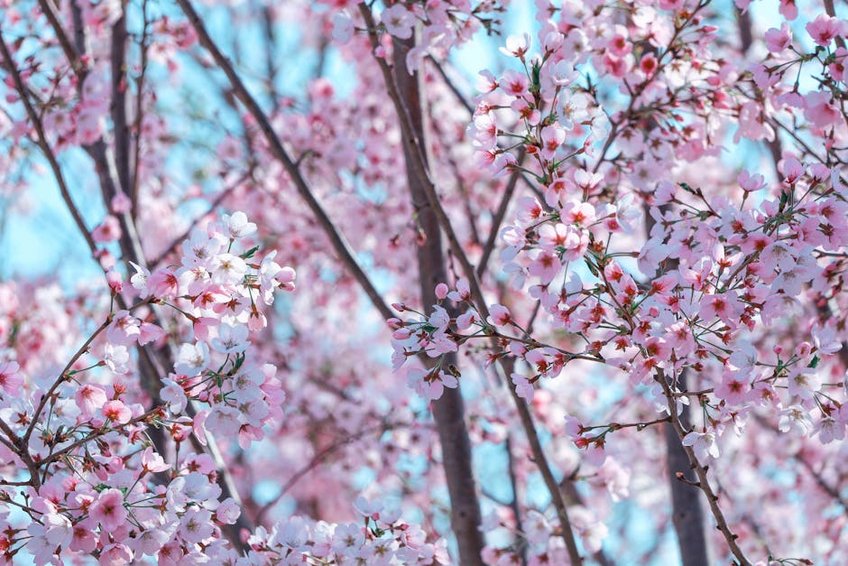
Alt: “yangmingshan-cherry-blossoms-flower-clock-spring-taipei”
Taiwan Yangmingshan Cherry Festival – Planning Your Trip
Attending the spring blossom festival requires strategic planning due to its popularity and dependence on unpredictable weather. The optimal viewing period is short, typically lasting two to three weeks, and draws large crowds from across Taiwan and international visitors. Your success hinges on selecting the right week, booking accommodations early, and preparing for variable mountain conditions.
Plan your visit for a weekday to avoid the heaviest local weekend crowds. Accommodations in the Beitou hot spring area or central Taipei should be secured at least two to three months in advance if your trip coincides with the expected peak bloom. Always have a flexible backup plan, such as exploring Beitou’s thermal valleys or Taipei’s museums, in case of heavy rain that can spoil the blossoms.
Best Time to Visit for Cherry Blossoms
The bloom period generally occurs from mid-February through late March, with peak viewing most common in late February or early March. Temperatures during this period range from 55°F to 68°F (13°C to 20°C) during the day, dropping cooler at night. The exact peak changes annually based on winter temperatures; a colder winter often delays the bloom, while a warm one accelerates it.
For the highest chance of perfect blossoms, target the last week of February. Monitor the Taipei City Government’s park website and local news for “bloom bulletins” as your trip approaches. Shoulder periods at the very start or end of the season offer thinner crowds and lower accommodation rates, though with slightly less dramatic floral displays.
Budget Planning and Costs
Costs vary significantly based on accommodation choice and dining preferences.
Essential Preparation Checklist
Packing correctly ensures comfort while navigating the park’s terrain and microclimates. Essential items include layered clothing, a waterproof jacket or compact umbrella, comfortable walking shoes with good traction, sun protection, and a power bank for your phone camera. A small picnic mat is also highly recommended for enjoying the scenery.
Formal documentation is straightforward for most visitors; U.S. and E.U. passport holders typically receive a 90-day visa waiver upon arrival. However, secure comprehensive travel insurance that covers minor hiking mishaps. Download offline maps of the park and the Taipei Metro app, and consider purchasing an EasyCard for seamless payment on buses and the metro.
Top Attractions and Festival Activities
Beyond passive blossom viewing, the national park offers diverse experiences that complement the floral spectacle. The geothermal activity creates unique landscapes like the steaming fumaroles at Xiaoyoukeng, which contrast beautifully with delicate cherry blossoms. Numerous well-maintained hiking trails, such as the path to Qingtiangang Grassland, provide elevated views over the blooming valleys.
The nearby Beitou district, accessible via a short bus ride, is famous for its therapeutic hot springs. Many visitors combine a morning of flower viewing with an afternoon relaxing in a public or private hot spring bath. This combination of floral beauty, volcanic geology, and cultural relaxation defines the complete Yangmingshan experience.
Must-See Highlights and Viewpoints
Start at the Yangmingshan Visitors Center to get oriented and see initial blooms. Then, walk to the iconic Flower Clock, arguably the most photographed spot, where cherry trees arch over the colorful floral timepiece. Arrive early in the morning to capture photos with soft light and fewer people in the frame.
Next, explore Yangming Park, a spacious area ideal for a picnic. For panoramic views, take a bus or taxi to the higher elevation of Zhuzihu, known for its calla lily fields that sometimes bloom concurrently with late cherries. Don’t miss the Cherry Blossom Lane near the National Revolutionary Martyrs’ Shrine for a classic tunnel of pink blossoms.
Hidden Gems and Local Favorites
Venture to the less-crowded Yangmingshan Second Parking Lot area, where locals often enjoy quieter viewing. The trail behind the Chinese Culture University also offers stunning, less-trafficked vistas of both blossoms and the Taipei basin below. These spots provide a more peaceful alternative to the main hubs.
For a unique perspective, visit during the early evening when some areas are softly lit, creating a magical atmosphere. Locals also recommend exploring the small lanes around the Shanhai Guan area for charming residential gardens adorned with cherry trees. These discoveries often become the most memorable parts of your visit.
Photography Tips for Blossom Season
Capture the best shots by visiting at golden hour—shortly after sunrise or before sunset—when the light is soft and warm. Use a polarizing filter to manage glare and enhance the blue of the sky against the pink blossoms. Include elements of scale, like a person on a path, to convey the grandeur of the flowering trees.
For close-up details of the blossoms, a macro lens or the macro setting on your smartphone works wonderfully. Overcast days are excellent for photography as they provide even, diffused light without harsh shadows. Always be respectful of other visitors and the natural environment when setting up your shots.
Practical Travel Information and Logistics
Reaching Yangmingshan is straightforward via Taipei’s efficient public transport, though patience is required during the festival peak. The most common route is taking the Taipei Metro Red Line to Jiantan Station, then transferring to bus routes R5, S15, S17, or 260 which go directly into the park. The journey takes 30-50 minutes depending on traffic.
During the festival, special shuttle buses often run between major MRT stations and key park attractions to manage the increased visitor flow. Traffic congestion is severe on weekends and holidays, making public transport the only sensible choice. If you must drive, arrive before 8 a.m. to secure parking, which is extremely limited and fills quickly.
| Accommodation Area | Features & Vibe | Price Range (USD/Night) |
|---|---|---|
| Beitou Hot Spring District | Thermal baths, relaxed resort feel, easy park access via bus, many restaurants. | $80 – $250+ |
| Central Taipei (Xinyi, Zhongshan) | Maximal city convenience, endless dining, easy MRT access to festival buses. | $60 – $200 |
| Tianmu (near the park) | Quiet, residential, expat-friendly, slightly closer to the park’s east side. | $70 – $180 |
| Yangmingshan In-Park Hotels | Ultimate immersion, scenic views, on-site hot springs, requires early booking. | $150 – $400+ |