Taipei Taiwan Lantern Festival: A Dazzling Cultural Celebration
The Taipei Taiwan Lantern Festival transforms the city into a luminous spectacle each spring, attracting millions with its mesmerizing displays and vibrant cultural energy. This annual event masterfully blends ancient tradition with cutting-edge technology, featuring thousands of intricate lanterns that tell stories through light, color, and motion. Your visit offers a unique immersion into Taiwanese heritage, complemented by world-class street food, lively performances, and unforgettable community spirit across the city’s most iconic public spaces.
Essential Festival Information and History
The Taipei Lantern Festival has its roots in a centuries-old tradition marking the end of Chinese New Year celebrations on the 15th day of the first lunar month. Officially launched as a national tourism event by the Taiwan Tourism Bureau in 1990, it has grown into one of the world’s largest lantern festivals. The event’s relocation to different cities each year showcases regional cultures, with Taipei hosting it approximately every three to four years to highlight the capital’s modern artistic vision.
Each festival revolves around a unique annual theme, often reflecting zodiac animals, cultural motifs, or contemporary social messages. The centerpiece is always the colossal Main Lantern, an engineering marvel that can reach over 20 meters (65 feet) in height, incorporating dynamic lighting and mechanical movements. Alongside this giant creation, hundreds of secondary lantern displays created by schools, communities, and international artists fill the exhibition grounds with a magical glow.
Key Historical Facts and Significance
Understanding the festival’s background enriches the visual experience.
- The tradition originates from the Han Dynasty over 2,000 years ago, where people used lanterns to worship deities and pray for a prosperous new year, symbolizing the illumination of one’s path and the driving away of darkness.
- Taiwan’s modern iteration began in 1990 in Taipei to revitalize traditional customs and boost tourism, immediately drawing over one million visitors and setting a precedent for scale and creativity that continues today.
- The festival is intrinsically linked to the Yuanxiao (Lantern Festival) celebration, where solving riddles written on lanterns is a popular activity, and eating tangyuan (sweet rice balls) symbolizes family unity and completeness.
- Budget travelers can manage on approximately $80-100 USD per day by staying in hostels outside the city center, eating primarily at local eateries away from the festival grounds, and using public transportation exclusively. A 7-day trip from the West Coast USA might total $1,200-$1,500 including mid-range flights.
- Mid-range visitors spending $150-250 USD daily can enjoy comfortable boutique hotels near an MRT station, dine at both night markets and reputable restaurants, and join a guided cultural tour. For a couple, a week-long trip with direct flights often falls in the $3,500-$4,500 range.
- Luxury experiences at $400+ USD per day include 5-star hotels like the Grand Hyatt Taipei with festival views, private guided tours of the lantern exhibits, and premium dining. This tier ensures utmost comfort and exclusive access amidst the bustling crowds.
- Taiwan Tourism Bureau
- U.S. Department of State – Taiwan Travel Advisory
What Makes the Taipei Edition Unique
The Taipei Taiwan Lantern Festival distinguishes itself through its integration of ultra-modern technology and urban landscape. The city utilizes landmarks like Taipei 101, Liberty Square, and the Taipei Dome as breathtaking backdrops for the displays. Interactive digital installations, light mapping projections on buildings, and drone light shows are now standard features, creating a fusion of ancient ritual and futuristic spectacle that you won’t find in more traditional rural celebrations.
Furthermore, Taipei’s version is exceptionally accessible and international. Signage and information are readily available in English, Japanese, and Korean. The festival grounds are seamlessly connected by the city’s efficient MRT system, and the event programming includes international cultural performances and competitive lantern exhibitions from artists worldwide, fostering a truly global atmosphere.
Cultural Etiquette and Participation Tips
While the atmosphere is festive and welcoming, observing local customs shows respect. It is considered good luck to walk through all the lantern displays, especially with family. If you participate in writing wishes on a lantern or solving riddles, do so thoughtfully. Photography is encouraged, but always be mindful not to block pathways or use flash on delicate paper lanterns. The event is family-oriented, so maintaining a respectful noise level is appreciated.
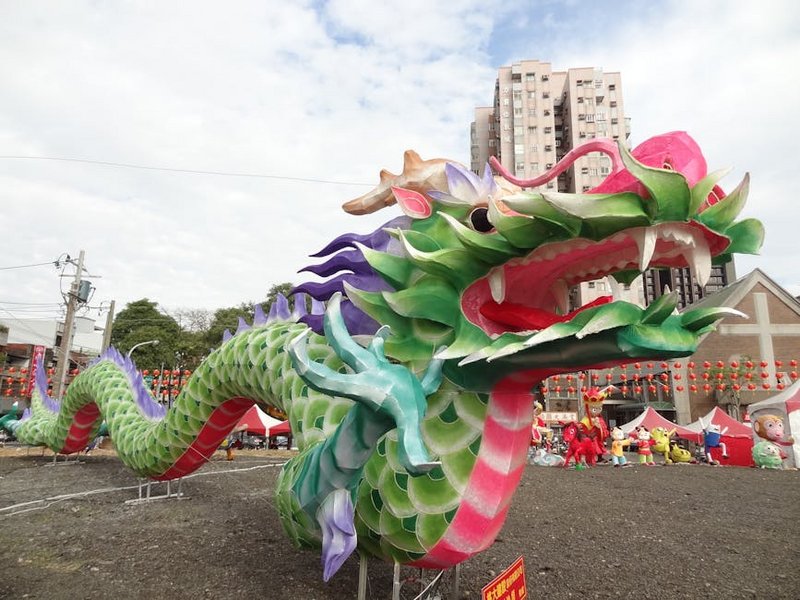
Alt: “taipei-lantern-festival-main-zoomorphic-lantern-night-display”
Taipei Taiwan Lantern Festival – Planning Your Trip
Successful attendance at the Taipei Taiwan Lantern Festival requires strategic planning due to its immense popularity. The event typically runs for two to three weeks, spanning from late February into early March, aligning with the first full moon of the lunar new year. You should book flights and accommodation at least four to five months in advance, as hotels in central districts fill quickly and airfares rise significantly closer to the dates. A detailed itinerary balancing festival time with other Taipei attractions will maximize your experience.
Budget allocation should account for more than just travel and lodging. While entry to the main festival grounds is free, allocate funds for food at the extensive night market-style stalls, souvenirs, and potentially paid access to premium viewing areas for key light shows. Transportation costs within the city are minimal thanks to the MRT, but planning for taxi rides late at night when trains are crowded is a wise contingency. Purchasing an EasyCard upon arrival will streamline all transit and small purchases.
Best Time to Visit for the Festival
The absolute peak period falls on the official opening night and the two weekend days following it, when the most elaborate ceremonies and performances occur. For slightly smaller crowds with the full experience, aim for weekday evenings during the second week. Weather in Taipei during this period is cool and often damp, with average temperatures between 14-18°C (57-64°F); pack a waterproof jacket and comfortable walking shoes.
Visiting on the climactic final night offers a special energy, but prepare for the largest crowds. If your schedule is flexible, consider arriving a few days before the festival starts to explore Taipei and adjust to the time zone. This also allows you to witness the setup phase, where you can see artists putting finishing touches on installations—a fascinating process in itself.
Budget Planning and Costs
Your total cost will vary dramatically based on travel style and point of origin.
Essential Preparation Checklist
Secure your Taiwan travel authorization well ahead of time. Most US, EU, and UK passport holders are eligible for a visa-exempt entry for 90 days, but always verify current regulations on the official Bureau of Consular Affairs website. Comprehensive travel insurance that covers trip interruption and medical emergencies is highly recommended. Make digital and physical copies of your passport, insurance policy, and important reservations.
Packing should focus on versatility for changeable weather. Essential items include layered clothing, a compact umbrella or rain poncho, a portable power bank for your phone (essential for navigation and photos), and a refillable water bottle. Download useful apps before you go: the Taipei MRT map, Google Translate (for Traditional Chinese), and a reliable currency converter. Learn a few basic Mandarin phrases like “xièxiè” (thank you) as a courtesy.
Top Attractions and Festival Activities
Beyond the stunning visual displays, the Taipei Lantern Festival offers a full program of cultural engagement. The main exhibition zone is meticulously divided into themed areas, such as the Traditional Lantern District, the Interactive Technology Zone, and the International Lantern Competition area. Each section offers a distinct atmosphere and learning opportunity, from admiring handcrafted bamboo-and-paper lanterns to interacting with AI-generated light art. Allocate at least one full evening to explore these zones thoroughly.
Performance schedules are packed with traditional and contemporary acts. Daily stages feature Taiwanese opera, Hakka folk songs, indigenous dance troupes, and modern musical performances. The most anticipated events are the nightly main lantern lighting ceremony, where the colossal centerpiece comes to life with synchronized music, and the spectacular drone show, where hundreds of UAVs create animated shapes in the night sky above the city skyline. Check the official schedule released a month before the event to plan your viewing spots.
Must-See Highlights and Displays
Your first stop must be the Main Lantern, which often rotates or has moving parts illuminated by thousands of LED lights. The Student Lantern Competition area showcases incredible creativity from primary to university levels, offering a glimpse into local artistic education. Don’t miss the International Friendship Lantern Zone, where cities from Taiwan’s sister cities worldwide contribute displays reflecting their own cultures, creating a beautiful tapestry of global traditions.
The Lantern Riddle Solving activity is a cherished tradition. Riddles are posted on lanterns throughout the grounds; solving them (answers are often puns or cultural references in Chinese) is a fun mental challenge, and correct answers sometimes earn small prizes. For the best panoramic views, find the designated observation decks or multistory structures within the venue. The festival’s use of water features, with lanterns reflected in ponds, creates stunning photo opportunities just before sunset during the “blue hour.”
Hidden Gems and Local Favorites
Venture to the fringe areas of the festival grounds to discover the “Community Lantern” exhibits. These are created by Taipei’s local districts and neighborhoods, often highlighting hyper-local history or crafts not covered in the main displays. They provide an authentic, grassroots perspective on the city’s diverse communities. Many locals also enjoy the lesser-crowded early evening period, about an hour after the gates open, when the lanterns are lit but the peak crowds haven’t yet arrived.
For a related but distinct experience, savvy travelers take a day trip to Pingxi District, about an hour from Taipei by train, famous for its separate Sky Lantern Festival. Here, you can release a traditional rice paper lantern with your wishes written on it into the night sky—an incredibly moving personal ritual. Booking this through a reputable tour operator ensures you visit an environmentally-conscious release site and understand the safety protocols.
Family-Friendly Activities and Zones
Families are wonderfully catered to with dedicated children’s zones featuring lanterns based on popular cartoon characters, interactive light playgrounds, and hands-on DIY workshops where kids can make their own mini lanterns. These workshops usually require pre-registration online, so check the festival website early. Stroller access is generally good on main pathways, and family rest areas with feeding and changing facilities are clearly marked on the venue map.
Practical Travel and Logistics Information
Navigating Taipei during the festival is remarkably efficient thanks to the city’s superb public transportation system. The Taipei Rapid Transit Corporation (TRTC) always extends service hours on key festival nights, with trains running until approximately 1:00 AM. Specific MRT stations near the venue will have designated exits and crowd control measures; follow the signage and staff instructions. Avoid driving; road closures around the venue are extensive, and parking is virtually non-existent.
Accommodation strategy is crucial. Staying at a hotel with direct MRT access is more valuable than being within walking distance of the venue, as the train will get you there faster than walking through crowded streets. Districts like Zhongshan, Xinyi, and Da’an offer excellent connectivity. Book your hotel as soon as the festival dates and location are officially announced, typically in the preceding fall, to secure the best rates and locations.
| Accommodation Type | Best Locations & Features | Price Range/Night (USD) |
|---|---|---|
| Hostel/Guesthouse | Near Nanjing Fuxing or Guting MRT stations; shared facilities, social atmosphere | $25 – $50 |
| Mid-Range Business Hotel | Zhongshan District; includes breakfast, free WiFi, proximity to multiple MRT lines | $80 – $150 |
| Luxury Hotel | Xinyi District near Taipei 101; rooftop bars, festival views, concierge services | $250 – $500+ |
| Serviced Apartment | Da’an or Dazhi areas; kitchenette, more space, ideal for families or longer stays | $120 – $220 |