Switzerland Glacier Express Train Tickets: Your Guide to a World-Class Journey
Securing your Switzerland Glacier Express train tickets is the essential first step to experiencing one of Europe’s most celebrated rail adventures. This legendary route connects the mountain resorts of Zermatt and St. Moritz, traversing 291 bridges and 91 tunnels across the Swiss Alps in just over eight hours. This guide provides the detailed booking strategies, seasonal advice, and cost breakdowns you need to plan your iconic Alpine rail journey efficiently and confidently.
The Iconic Glacier Express Journey
Known as the “slowest express train in the world,” this panoramic train route offers an unparalleled view of Switzerland’s dramatic landscapes. Operated jointly by the Matterhorn Gotthard Bahn and Rhaetian Railway, the journey showcases engineering marvels like the Oberalp Pass and the Landwasser Viaduct. It’s a continuous, eight-hour spectacle of snow-capped peaks, deep gorges, and charming villages from your seat.
The train’s history dates to 1930, initially serving as a vital transport link for both travelers and local communities. Today, it’s a premier tourism experience, featuring modern Excellence Class and classic panoramic cars. Understanding this heritage enriches your trip, connecting you to a century of Alpine travel tradition that has captivated visitors for generations.
Route Highlights and Scenery
You’ll witness Switzerland’s diverse topography unfold through oversized windows without ever leaving your carriage. The journey is a continuous highlight reel, featuring some of the country’s most photographed natural and man-made wonders visible directly from the train.
- The Landwasser Viaduct: A stunning six-arch limestone bridge that curves directly into a mountain tunnel, offering a quintessential photo moment as the train crosses 65 meters above the valley.
- The Rhine Gorge: Often called “Switzerland’s Grand Canyon,” this section features turquoise waters cutting through dramatic, towering rock faces, best viewed between Reichenau and Ilanz.
- The Oberalp Pass: The route’s highest point at 2,033 meters (6,670 feet), where the train climbs through stark, beautiful high-Alpine terrain before descending toward Andermatt.
- Budget Option (Second Class, Low Season): Expect to pay $150-$200 total. This includes a point-to-point ticket or pass coverage, plus the mandatory $30-$45 reservation fee. You’ll bring your own snacks and drinks to minimize on-board spending.
- Mid-Range Option (First Class, Regular Season): Total costs range from $250-$350. This covers first-class transport, a $45-$55 reservation fee, and a three-course lunch ($50-$65). This offers the best balance of comfort, service, and value for most travelers.
- Luxury Option (Excellence Class, Peak Season): The premium experience costs $450-$650+. This includes exclusive cabin service, a gourmet multi-course meal with wine pairings, premium seat selection, and dedicated attendant service throughout the journey.
- Official Glacier Express Website
- Switzerland Tourism
- SBB Swiss Federal Railways
Train Classes and Carriage Features
Choosing your class significantly impacts your journey’s comfort and service level. First Class, or “Excellence Class,” provides larger, more reclining seats arranged in a 2+1 configuration across the aisle, offering more space and better window views for every passenger. Second Class features a comfortable 2+2 seat arrangement with the same panoramic windows, making the scenery accessible at a lower price point.
All carriages are modern, climate-controlled, and feature the iconic ceiling windows for overhead views of mountain peaks. Audio commentary in multiple languages is available through headphone jacks at each seat, providing context about the passing landmarks, history, and engineering feats you’re witnessing throughout the day.
The On-Board Culinary Experience
Dining on the Glacier Express is an integral part of the journey. The train features a dedicated kitchen carriage where chefs prepare multi-course meals that are served directly to your seat. The menu focuses on regional Swiss specialties, using high-quality local ingredients sourced from the valleys you pass through.
A reservation is mandatory for lunch service. You can select from options like the classic three-course meal, which often includes a starter, a main dish such as Alpine herb-infused pork or mushroom risotto, and a dessert. Excellence Class includes a gourmet five-course meal with wine pairings. It’s advisable to book your meal when you purchase your rail tickets to guarantee your preferred dining time.
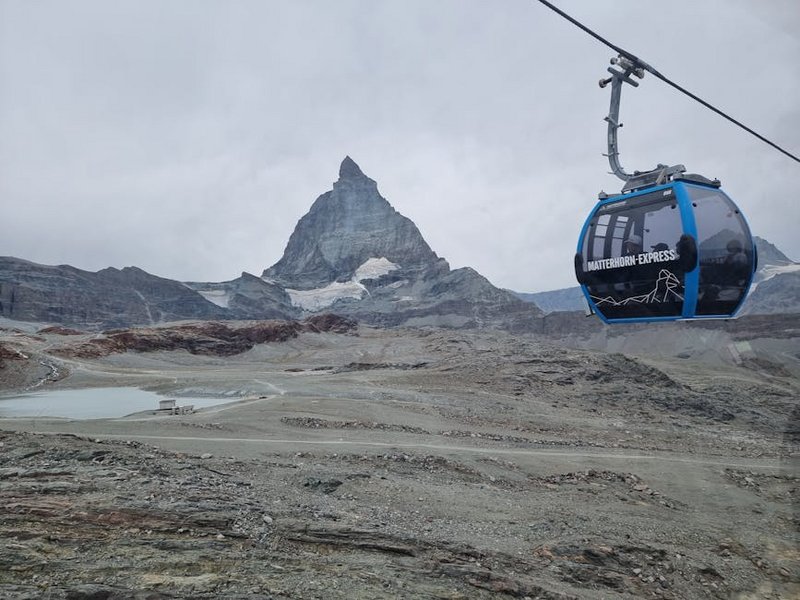
Alt: “glacier-express-train-crossing-landwasser-viaduct-swiss-alps”
Switzerland Glacier Express Train Tickets – Planning Your Trip
Planning your Glacier Express adventure requires understanding the ticketing system, which is separate from general Swiss rail passes. Your journey requires two components: a base ticket for transportation and a mandatory seat reservation with a supplement fee. This system manages capacity and ensures every passenger has an assigned seat for the full eight-hour route, which is crucial during peak seasons.
Booking windows typically open 90 days in advance, and for popular summer and winter travel periods, securing your reservation early is non-negotiable. Prices vary by season, class, and direction, with westbound journeys (St. Moritz to Zermatt) sometimes offering slight pricing advantages. Consider your entire Swiss itinerary when booking, as connecting trains to and from the endpoint stations are a key part of the logistics.
Your base ticket can be covered by a Swiss Travel Pass, Eurail Pass, or a point-to-point ticket. However, the reservation fee and any class upgrade supplements are always additional. Budget-conscious travelers should calculate the total cost (pass coverage + reservation + supplement) versus a standalone ticket package to find the best value for their specific travel dates.
Best Time to Ride the Glacier Express
The optimal time for your Alpine rail journey depends on the scenery and experience you desire. Summer (June through September) offers lush green valleys, clear skies, and daytime temperatures between 60-75°F (16-24°C). This is the peak season with the highest demand, so book tickets at least two to three months in advance for the best seat selection and availability.
Winter (December through March) transforms the route into a snow-globe fantasy, with temperatures ranging from 23-32°F (-5 to 0°C). This season provides a magical, frosty landscape but has slightly shorter daylight hours. The shoulder seasons of late April/May and October offer fewer crowds and dynamic weather, often at lower prices, though some high-pass sections may have limited visibility due to clouds or early/late season snow.
Budget Planning and Costs
Ticket costs vary significantly based on class, season, and how you book. Here is a realistic breakdown for a standard one-way journey per person.
Essential Preparation Checklist
Prepare for a full day on the rails by packing smartly. Essential items include a power bank for your devices (outlets are available but limited), a quality camera with a polarizing filter to reduce window glare, a refillable water bottle, and layers of clothing as carriage temperatures can vary. Download the SBB Mobile app for real-time connection information at your destination station.
Ensure you have all physical or digital tickets printed or saved offline on your phone. If using a rail pass, have it validated and ready alongside your reservation confirmation. Consider motion sickness remedies if you’re sensitive, as the route includes many curves and elevation changes. Finally, confirm your connecting train schedules to and from Zermatt or St. Moritz to avoid unnecessary stress on your travel day.
Top Attractions and Stops Along the Route
While the train itself is the attraction, savvy travelers can break up the journey with overnight stops. This allows for deeper exploration of the Alpine regions you’re passing through at a breathtaking pace. Several towns along the route make perfect bases for hiking, skiing, or cultural discovery before you continue your rail adventure the next day.
Using a flexible ticket or pass, you can disembark at any station and resume your trip on a later date, provided your base ticket is valid for the duration. This “stopover” strategy is highly recommended to experience the Alps beyond the train window, turning a single-day journey into a memorable multi-day exploration of central Switzerland’s most charming communities.
Must-See Highlights
Zermatt, your starting or ending point, is a car-free village dominated by the iconic Matterhorn. Allocate at least a day here for hiking or a cable car ride to the Gornergrat for panoramic views. The Gornergrat Bahn round-trip ticket costs approximately $100. In St. Moritz, the other terminus, you find a luxurious lake-side resort famed for winter sports and upscale shopping, with a vibrant summer hiking scene as well.
Brig is a major transport hub with the impressive Stockalper Palace, a 17th-century Baroque castle. Disembarking here allows easy connections to the Simplon Pass region. Chur, Switzerland’s oldest town, lies just off the main route and is worth a stop for its cobbled old town and cable car up to Brambrüesch for sweeping views. Admission to the Rhaetian Museum in Chur costs around $12 USD.
Hidden Gems and Local Favorites
For an authentic experience, consider stopping in Illanz or Reichenau. These smaller towns in the Rhine Gorge region offer quiet riverside walks and access to less-crowded hiking trails into the dramatic canyon landscape. They provide a stark contrast to the more famous, bustling resorts and have charming, family-run guesthouses with lower nightly rates, often under $150.
Another gem is Disentis, home to a stunning Benedictine monastery founded in the 8th century. The abbey church features remarkable Baroque architecture and frescoes. It’s a short walk from the station and offers a peaceful historical interlude. The nearby Sedrun area also provides access to fantastic, intermediate-level hiking in the summer months, far from the main tourist tracks.
Photography Tips from the Train
Capturing the stunning scenery requires technique to combat window glare and reflections. Use a lens hood and press your camera lens gently against the glass to eliminate reflections. A circular polarizing filter is invaluable for enhancing sky and water colors and cutting through glare. For the best light, the morning sun illuminates the Rhine Gorge on eastbound trips, while westbound journeys offer better afternoon light on the Oberalp Pass area.
Practical Travel Information
Navigating the logistics for your Glacier Express trip involves coordinating trains, luggage, and timing. The journey is a seamless connection, but you must manage your own baggage, which is stored on racks at the ends of each carriage. Pack a separate day bag with essentials you’ll want at your seat. The train staff are multilingual and helpful, but they do not provide porter service for luggage handling at stations.
Accommodation at either terminus books up quickly, especially during ski season and summer holidays. Reserve your hotel or apartment at least three to four months in advance for the best selection and prices. Consider staying in nearby, less-expensive towns like Visp (near Zermatt) or Samedan (near St. Moritz) and taking a short regional train connection on the day of your journey.
| Travel Component | Key Details & Options | Estimated Price Range (USD) |
|---|---|---|
| Base Ticket (Point-to-Point) | Full fare, 2nd class, valid for transportation only. Seat reservation is extra. | $120 – $180 |
| Mandatory Seat Reservation | Required for all passengers. Price varies by season and class. | $30 – $55 |
| On-Board Lunch (3-Course) | Must be reserved in advance. Served at your seat. Regional Swiss cuisine. | $50 – $65 |
| Luggage Service (Door-to-Door) | Optional service to transport bags between start/end hotels independently. | $40 – $80 per bag |