Sweden Abisko January Aurora Safari: Your Complete Winter Adventure Guide
Chasing the Northern Lights during a Sweden Abisko January Aurora Safari offers one of the world’s highest probabilities for witnessing the aurora borealis. The combination of Abisko National Park’s unique microclimate, which creates clear skies, and the profound darkness of the Arctic winter makes January an exceptionally reliable month for this celestial spectacle. This guide provides essential planning tips, activity details, and cultural insights to maximize your Arctic adventure, covering everything from thermal gear to optimal viewing locations.
Essential Aurora Borealis Information
The aurora borealis, or Northern Lights, occurs when charged solar particles collide with Earth’s atmospheric gases. This interaction creates the mesmerizing green, purple, and pink curtains of light dancing across the polar sky. Abisko’s location within the auroral oval, a ring-shaped zone around the magnetic North Pole, makes it a prime viewing destination with incredibly high sighting rates.
January is particularly special due to the extended polar night, where the sun barely rises above the horizon. This constant darkness provides a 24-hour window for potential aurora activity, significantly increasing your chances of a sighting compared to other seasons. The dry continental climate of the Torneträsk lake area further reduces cloud cover, a critical factor for successful viewing.
Understanding the Science and Sightings
Knowing what creates the lights enhances the experience. The colors depend on gas type and collision altitude.
- Green lights, the most common, result from oxygen collisions 60-150 miles up, creating the iconic shimmering curtains visible from Abisko.
- Purple and blue hues come from nitrogen collisions, often appearing at the lower edges of active displays during intense geomagnetic storms.
- Red auroras are rare and occur from high-altitude oxygen, requiring powerful solar activity; they are a prized sight for dedicated aurora hunters.
- Budget Traveler ($800-$1,200): Includes hostel dorm stays, self-catering meals from the local COOP, and free viewing from the Aurora Sky Station or lake shore. You’ll use public transport and join one guided tour for expert insight.
- Mid-Range Explorer ($1,800-$2,800): Covers a private hotel room at the STF Abisko Tourist Station, daily breakfast and dinner, three guided tours (aurora safari, dog sledding, ice climbing), and transfers from Kiruna.
- Luxury Experience ($3,500+): Features stays at the iconic ICEHOTEL or a private cabin, all meals, private guided aurora photography tours with professional equipment, and exclusive activities like a Northern Lights dinner in a wilderness camp.
- Official Abisko Tourism Website
- Swedish Lapland Travel Board
- Abisko Aurora Sky Station
Why Abisko in January is Unique
Abisko’s geography creates a “blue hole,” a persistent patch of clear sky over Lake Torneträsk, even when surrounding areas are cloudy. This phenomenon, caused by prevailing wind patterns and low humidity, is your greatest ally for a successful safari. January’s average temperature hovers between 5°F and 23°F (-15°C to -5°C), which helps maintain crisp, stable atmospheric conditions ideal for aurora visibility.
Tourism infrastructure is fully operational, with expert guides and specialized tours running nightly. While it’s the coldest month, the community is expertly equipped for winter visitors, ensuring warmth and safety throughout all activities. You trade milder temperatures for the highest possible chance of a life-changing light show.
Historical and Cultural Significance
For the indigenous Sámi people, the aurora holds deep cultural meaning, often seen as the energies of ancestors or omens. Modern science has demystified the phenomenon, but the sense of awe remains universal. The Abisko Scientific Research Station has studied the Arctic atmosphere here for over a century, contributing to our global understanding of these lights.
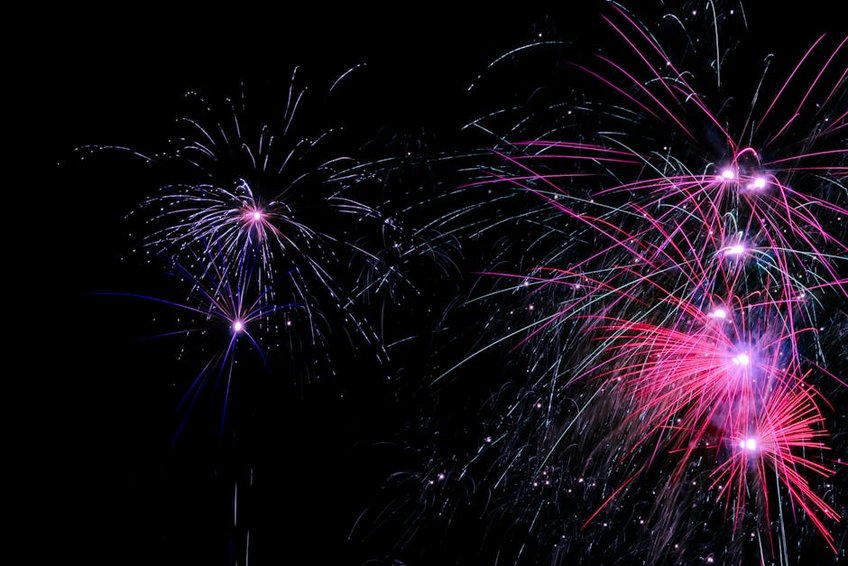
Alt: “abisko-national-park-winter-aurora-borealis-night-sky”
Sweden Abisko January Aurora Safari – Planning Your Trip
Organizing your Sweden Abisko January Aurora Safari requires attention to extreme cold, limited daylight, and advance bookings. Flights to Kiruna Airport (KRN), the main gateway, fill quickly for January, so secure your international and domestic travel at least four to six months in advance. Packing a serious cold-weather kit is non-negotiable, focusing on layers, insulated boots rated to -40°F/-40°C, and quality thermal accessories.
Your daily schedule will revolve around the limited “blue light” period of a few hours and the prime nighttime viewing windows. Most guided safari tours depart in the late evening, returning in the early morning hours. Planning a buffer day or two is highly recommended, as aurora activity depends on solar weather, and having multiple nights increases your success rate dramatically.
Best Time to Visit Abisko for Aurora
The peak aurora viewing window in Abisko spans from late September to late March, with January standing out for its long nights. You have approximately 20 hours of darkness each day, with only a brief period of twilight around midday. Statistically, the weeks around the new moon in January provide the darkest skies, making faint auroral activity more visible and photography more spectacular.
While late December is popular for holiday travel, mid to late January often sees slightly fewer visitors, potentially offering a more solitary experience. The intense cold stabilizes the air, reducing atmospheric turbulence and creating sharper, more vibrant auroral displays. Aim for a stay of at least four nights to account for potential cloud cover on one or two evenings.
Budget Planning and Costs
Aurora safaris vary from self-guided adventures to all-inclusive luxury packages. Here’s a typical cost breakdown for a 5-day trip.
Essential Preparation Checklist
Packing correctly is critical for comfort and safety. You need a moisture-wicking base layer, a thick mid-layer like fleece or wool, and a windproof, waterproof outer shell. Essential gear includes insulated snow boots, thermal gloves with touchscreen capability, a balaclava, and hand/toe warmers. For photography, bring a DSLR or mirrorless camera with manual settings, a fast wide-angle lens (f/2.8 or lower), a sturdy tripod, and extra batteries kept warm in an inner pocket.
Documentation is straightforward for US and EU citizens; ensure your passport is valid for three months beyond your stay. You must have comprehensive travel insurance that covers emergency evacuation and winter sports. Book all major tours and your Kiruna-Abisko transfer before arrival, as January is a competitive month for reputable guides and limited shuttle seats.
Top Attractions and Safari Activities
Beyond the nightly aurora hunt, Abisko offers a stunning array of Arctic adventures that define the winter landscape. The frozen Torneträsk lake becomes a highway for snowmobiles and a platform for ice fishing, while the surrounding mountains offer world-class ice climbing and ski touring. The national park’s marked trails, like the popular Björkliden path, are accessible on snowshoes or cross-country skis, providing daytime exploration under the soft blue twilight.
These activities are not just fillers; they immerse you in the environment that makes the aurora possible. Understanding the silence of the frozen forest or the vastness of the lake amplifies the magic when the lights finally dance overhead. Local guides provide context, sharing knowledge about Sámi culture, Arctic survival, and the unique ecology of the region.
Must-See Highlights
The Aurora Sky Station, atop Mount Nuolja, is the most famous vantage point, accessible via a chairlift. It offers a museum, warm facilities, and a panoramic view above potential low-level haze. A guided snowmobile safari across Lake Torneträsk provides a thrilling journey to remote, light-free areas, dramatically increasing the intensity of the aurora’s colors.
Dog sledding with a local husky kennel is an unforgettable way to experience the Arctic wilderness during the day. The Abisko Canyon hike, transformed in winter, leads you between towering ice-covered cliffs along a frozen river—a spectacular photo opportunity even without the northern lights. Lastly, a visit to the historic Abiskojaure mountain lodge offers a taste of traditional Swedish *fika* (coffee break) in a pristine setting.
Hidden Gems and Local Favorites
Venture to the small village of Björkliden, a short train ride away, for a quieter alternative with equally stunning views over the lake. The “Blue Hole” microclimate is best experienced by simply walking a short distance from the main station onto the frozen lake; on clear nights, you can lie back on the ice and watch the sky. Locals often recommend the lesser-used ski trails near the Abisko Scientific Station for undisturbed nature immersion.
For a unique cultural experience, look for small-group tours that include a visit to a Sámi family or reindeer farm. Sampling traditional *suovas* (smoked reindeer meat) or warming up in a wood-fired *kåta* (Sámi tent) adds profound depth to your understanding of life in this extreme environment. These authentic interactions are often the most memorable parts of a trip.
Ice Climbing and Winter Hiking
For the adventurous, guided ice climbing on frozen waterfalls in the surrounding valleys provides an adrenaline rush. No prior experience is necessary for beginner courses, which include all technical gear. Winter hiking with snowshoes or microspikes allows access to viewpoints like the Njulla Mountain slopes, offering 360-degree vistas of the snowy landscape under the midday twilight glow.
Practical Travel Information
Reaching Abisko is an adventure in itself, culminating in a scenic journey into the Arctic Circle. The most common route involves flying into Kiruna Airport (KRN), served via Stockholm. From Kiruna, a 90-minute transfer by bus, taxi, or pre-booked shuttle completes the journey. The overnight sleeper train from Stockholm Central to Abisko Östra is a classic and atmospheric alternative, delivering you right to the heart of the village.
Accommodation ranges from the bustling, hostel-style STF Abisko Tourist Station—a social hub with its own restaurant and equipment rental—to private cabins and the world-famous ICEHOTEL in nearby Jukkasjärvi. Booking accommodations months in advance is critical for January, as options are limited and demand is extremely high during the prime aurora season.
| Transportation Method | Key Details & Duration | Price Range (USD) |
|---|---|---|
| Flight to Kiruna (KRN) | Connects via Stockholm (ARN), 1.5 hr flight, luggage limits apply | $150 – $400 |
| Kiruna to Abisko Transfer | Shared shuttle (90 min), private taxi, or train; must book ahead | $40 – $150 |
| Overnight Train from Stockholm | 17-hour scenic journey, private sleeper cabins available | $120 – $300 |
| Local Taxi in Abisko | Limited availability, mainly for pre-arranged tours or emergencies | $30+ per short trip |