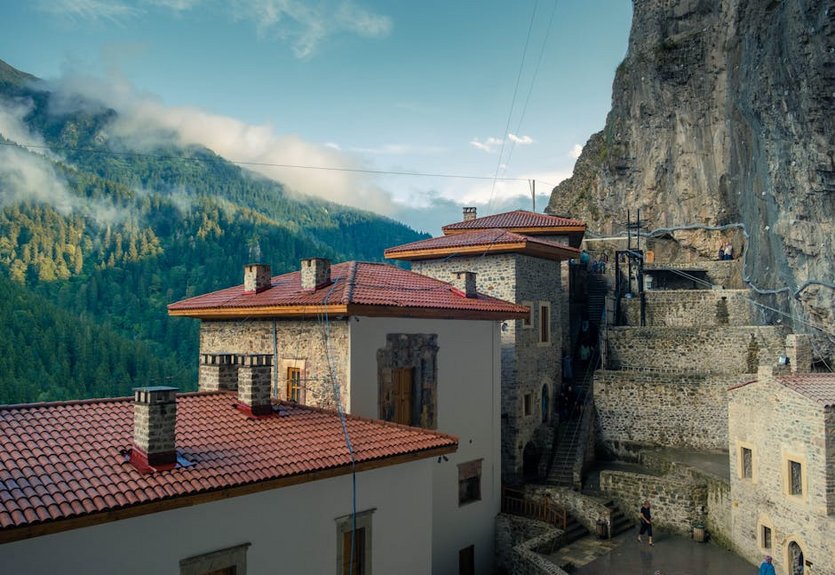
Sumela Monastery Travel Guide
Perched on a sheer cliff face in the Pontic Mountains of northeastern Turkey, Sumela Monastery offers one of the world’s most dramatic spiritual and historical journeys. This Byzantine marvel, dating to the 4th century, combines profound religious history with breathtaking natural scenery, inviting travelers to explore its restored frescoes, holy spring, and mountain trails. This guide provides essential planning details, cultural context, and practical advice for your visit to this unforgettable UNESCO World Heritage site.
Essential Historical and Cultural Information
The story of Sumela Monastery begins in AD 386, founded by two Athenian priests guided, according to legend, by a dream of the Virgin Mary. The monastery complex grew over centuries, becoming a major center of Orthodox Christianity and pilgrimage, especially during the reign of the Empire of Trebizond. Its remote location provided sanctuary and solitude for monks, with its iconic facade built directly into the rock around the 13th century.
Following the population exchange between Greece and Turkey in 1923, the monastery was abandoned and fell into disrepair. A major, multi-year restoration project was completed in 2021, carefully reviving its vibrant interior frescoes and stabilizing the historic structures. Today, it stands not only as a monument to Byzantine art but as a symbol of cultural preservation and a powerful draw for history enthusiasts and adventurous travelers alike.
Key Facts and Figures
Before you visit, understanding these core details will enhance your appreciation.
- Construction Era: The core complex dates from the 4th century, with major expansions occurring between the 13th and 19th centuries, reflecting various architectural styles from Byzantine to late Ottoman.
- Altitude and Access: The monastery is built at an altitude of approximately 1,200 meters (3,900 feet), requiring a walk of about 300 meters (980 feet) uphill from the visitor parking area on a well-maintained path.
- Restoration Timeline: The site underwent a comprehensive five-year restoration, reopening to the public in the summer of 2021, which included structural reinforcement and meticulous conservation of wall paintings.
- Budget Traveler ($40-60/day): This covers a shared dolmuş (minibus) from Trabzon to Maçka and the park shuttle (approx. $10 roundtrip), the monastery entry fee (around $5), a picnic lunch, and a hostel bed in Trabzon. Self-guided exploration is free after entry.
- Mid-Range Traveler ($80-150/day): This includes a rental car for the day ($30-50), monastery entry, a guided tour from Trabzon ($50-70 per person for a half-day group tour), a lunch at a local restaurant in Maçka, and a comfortable hotel in Trabzon.
- Luxury/Convenience Focus ($200+/day): This budget allows for a private driver and guide from Trabzon ($150+), priority skip-the-line entry, a gourmet lunch, and a stay at a high-end hotel or boutique property in Trabzon with Black Sea views.
- Republic of Turkey Ministry of Culture and Tourism
- UNESCO World Heritage Centre – Tentative List Entry
The Significance of the Frescoes
The interior walls of the Rock Church and adjacent chapels are adorned with stunning frescoes depicting biblical scenes and saints, most dating to the 18th century. These artworks are invaluable for understanding post-Byzantine artistic traditions. However, decades of exposure led to significant damage, making the recent conservation work critical.
Visitors can now see vivid scenes from the life of Christ, the Virgin Mary, and the Last Judgment. The restoration team used advanced techniques to clean and stabilize the pigments, allowing the original colors and details to shine through once more. Photography is permitted, but flash is strictly prohibited to protect these delicate artworks.
Climate and Natural Environment
Sumela is located within the Altındere National Park, a region known for its rich biodiversity and humid, temperate climate. The surrounding forests are primarily composed of pine, fir, and chestnut trees. The monastery’s microclimate is often misty and cool, even in summer, adding to its mystical atmosphere.
This environment supports diverse wildlife, including birds of prey, red deer, and even brown bears in the deeper reaches of the park. The sound of the Altındere stream flowing through the valley below is a constant companion during the climb, enhancing the serene and ancient feel of the pilgrimage path.
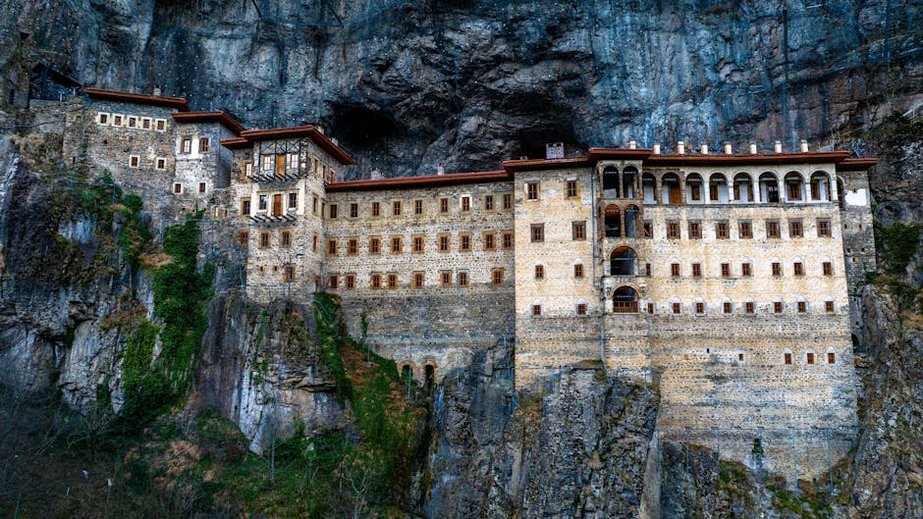
Alt: “sumela-monastery-cliffside-byzantine-architecture-turkey”
Sumela Monastery – Planning Your Trip
A successful visit to this remote site requires thoughtful preparation. The journey involves traveling to the Black Sea region, securing timed entry, and being ready for variable mountain weather. Your Sumela Monastery travel plan should account for seasonal accessibility, as the site closes during winter months due to heavy snow and hazardous conditions on the access road.
Budgeting for the trip includes entry fees, transportation from Trabzon, and potential guide services. While the site itself has a modest entrance cost, the overall expense depends on your choice of private tour, rental car, or public shuttle. Accommodation is best secured in Trabzon or the nearby town of Maçka, which serves as the gateway to the national park.
Best Time to Visit Sumela Monastery
The ideal visiting window is between late May and early October. During these months, the access road through Altındere National Park is fully open, daily shuttle services from Trabzon operate reliably, and the weather is most favorable, with average temperatures ranging from 15°C to 25°C (59°F to 77°F). July and August see the largest crowds, so visiting on a weekday morning is highly recommended.
Shoulder seasons like late May or September offer cooler, pleasant hiking conditions with fewer visitors. The monastery is typically closed from November through April, though exact dates vary annually based on snowfall. Always check the official Turkish Ministry of Culture and Tourism website for the current year’s opening announcement before finalizing travel plans for a spring or fall trip.
Budget Planning and Costs
Costs can vary significantly based on your travel style. Here’s a realistic breakdown.
Essential Preparation Checklist
Packing correctly is crucial for comfort and safety. Wear sturdy, broken-in hiking shoes with good grip for the uphill path, which can be slippery when wet. Dress in layers, including a waterproof jacket, as the weather in the mountains changes rapidly. A small backpack should carry water, snacks, sun protection, and a power bank for your phone camera.
Ensure you have valid travel insurance that covers medical evacuation. Most nationalities need an e-Visa for Turkey, which should be obtained online before arrival. Book your timed entry ticket to the monastery online in advance during peak season to guarantee your slot, as daily visitor numbers are capped to preserve the site.
Exploring the Monastery Complex and National Park
Visiting this historic site involves more than just viewing the famous facade. The complex includes multiple structures built over centuries, each with its own story. Allocate at least two to three hours to fully explore the rock church, libraries, kitchens, student rooms, and the sacred spring. The climb, while manageable for most, requires a moderate level of fitness.
Beyond the monastery walls, Altındere National Park offers beautiful hiking trails through dense forest, with viewpoints overlooking the valley. Combining the cultural visit with a short nature walk makes for a perfect day trip. The park’s visitor center near the entrance provides maps and information about the local flora and fauna.
Must-See Highlights Within the Complex
The centerpiece is the Rock Church, carved directly into the cliff and adorned with the monastery’s most impressive frescoes. Pay close attention to the depiction of the Virgin Mary, to whom the monastery is dedicated. The inner and outer walls feature detailed narratives from the Bible that have survived centuries of humidity.
Don’t miss the monastic quarters, which give a tangible sense of daily life for the brothers who lived here. The library, though now empty of its original manuscripts, hints at the site’s scholarly past. Finally, follow the path to the Ayazma, or holy spring, where water drips from the rock into a small pool—a site of pilgrimage for centuries believed to have healing properties.
Hidden Gems and Photographic Spots
For the classic postcard view of the monastery facade, take the main path but stop at the first major clearing. For a less crowded and equally stunning perspective, continue on the trail that loops slightly above and behind the main viewing platform. This angle captures the structure nestled within the entire cliff face.
Inside, look for smaller chapels and alcoves off the main tourist path where fresco details remain sharp. The cave-like rooms at the highest accessible points often have intricate paintings that many visitors overlook. Outside, the trail leading down toward the sound of the river offers serene spots for contemplation away from the main crowd.
Hiking Trails in Altındere National Park
After exploring the monastery, consider extending your stay with a hike. The park maintains several well-marked trails of varying difficulty. A popular one- to two-hour loop starts near the parking area and winds through old-growth forest, offering occasional glimpses of the monastery from below.
For a more challenging trek, inquire at the visitor center about trails leading to higher viewpoints within the park boundaries. These paths are less traveled and provide a true sense of the region’s rugged natural beauty. Always carry water, inform someone of your route, and start hikes early to ensure you finish before dusk.
Practical Travel and Logistics
Getting to this remote location requires a multi-step journey, typically starting in the city of Trabzon. The most common route involves road travel to the town of Maçka, followed by a shuttle into the national park. Understanding the transportation options, accommodation bases, and entry procedures is key to a smooth experience. Planning these logistics in advance prevents stress on the day of your visit.
Accommodation near the monastery itself is extremely limited, making the city of Trabzon the most practical base for most travelers. Trabzon offers a wide range of hotels, restaurants serving famous Black Sea cuisine, and additional historical sites like the Hagia Sophia of Trabzon, allowing you to create a richer itinerary.
| Accommodation Type | Location & Features | Price Range (USD/Night) |
|---|---|---|
| Budget Hostel/Guesthouse | Central Trabzon, shared facilities, basic breakfast included. | $15 – $35 |
| Mid-Range Hotel | Trabzon or Maçka, private bathroom, on-site restaurant, free WiFi. | $50 – $100 |
| Boutique Hotel | Restored historic property in Trabzon, personalized service. | $100 – $180 |
| Luxury Hotel | Waterfront in Trabzon, spa, multiple dining options, panoramic views. | $180+ |