Sri Lanka Sigiriya Rock Fortress: A Traveler’s Guide to the Lion Rock
Sri Lanka Sigiriya Rock Fortress rises dramatically from the central plains. This UNESCO World Heritage site showcases fifth-century engineering and art. Our guide helps you plan an unforgettable visit.
Essential Historical and Cultural Background
Sigiriya served as a royal citadel and monastery. King Kasyapa built his capital here around 477 CE. The site blends architecture with nature beautifully.
Ancient engineers created sophisticated water systems. These include pools, fountains, and moats. The complex spans nearly three hectares total.
European explorers rediscovered Sigiriya in the 1800s. Archaeological work began during British colonial rule. It gained UNESCO status in 1982.
Key Historical Facts – What You Need to Know
Understand these essential Sigiriya details.
- Construction occurred between 477-495 CE under King Kasyapa’s rule, featuring advanced urban planning and defensive structures that remain impressive today.
- The site includes upper palace precincts, mid-level terraces with Lion’s Gate remnants, and lower water gardens covering approximately 3 hectares total area.
- Sigiriya served as a Buddhist monastery after the king’s death, with monastic activity continuing until the 14th century before abandonment.
- Budget travelers spend $25-40 daily using public transport, guesthouses, and local meals while purchasing the $30 entrance fee for foreign adults.
- Mid-range visitors allocate $60-100 per day for air-conditioned hotels, guided tours, restaurant dining, and private transportation between major sites.
- Luxury experiences cost $150-300+ daily featuring premium hotels, private guides, chauffeur services, and fine dining with exclusive access arrangements.
- Sri Lanka Tourism Development Authority
- UNESCO World Heritage Centre
Architectural Marvels and Features
Sigiriya’s architecture demonstrates remarkable sophistication. The mirror wall originally had polished plaster. It reflected the frescoes opposite it.
Water gardens feature hydraulic systems still functioning. These include pressure-based fountains and sophisticated drainage. The complex integrates natural boulders.
The summit palace ruins cover 1.5 hectares. Buildings used brick, wood, and stone materials. Defense walls measure up to three meters thick.
Cultural Significance and Preservation
Sigiriya represents early urban planning in South Asia. It influenced regional architecture and garden design. The site embodies Sinhalese engineering skills.
Preservation efforts face environmental challenges. Humidity affects the ancient plaster and paintings. Visitor numbers require careful management.
The Archaeological Department of Sri Lanka maintains the site. International organizations provide technical support. Conservation balances access with protection.
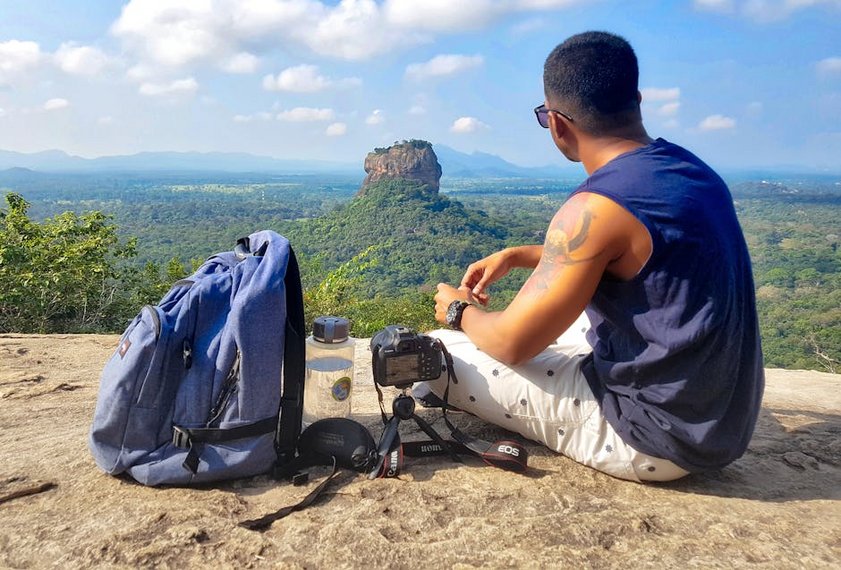
Alt: “sigiriya-rock-fortress-aerial-view-lion-rock-sri-lanka”
Sri Lanka Sigiriya Rock Fortress – Planning Your Trip
Visiting this ancient site requires thoughtful preparation. The tropical climate influences your experience significantly. Proper planning ensures you see everything important.
Consider your physical fitness for the climb. The ascent involves approximately 1,200 steps total. Early morning visits avoid both crowds and heat.
Budget for entrance fees and transportation. Nearby accommodations range from budget to luxury. Guided tours enhance understanding of the history.
Best Time to Visit Sigiriya Rock Fortress
December through March offers ideal conditions. Temperatures range from 75°F to 86°F (24°C to 30°C). Rainfall remains minimal during these months.
April and August bring higher humidity levels. Afternoon showers might occur but pass quickly. Shoulder seasons provide smaller crowds.
The site opens daily from 7:00 AM to 5:30 PM. Sunrise and sunset visits offer spectacular lighting. Avoid midday heat whenever possible.
Budget Planning and Costs
Manage expenses with this price overview.
Essential Preparation Checklist
Pack light clothing with sun protection. Bring hats, sunscreen, and reusable water bottles. Comfortable walking shoes prove essential.
Carry small bills for purchases and tips. Sri Lankan rupees work best for local transactions. Credit cards are accepted at larger establishments.
Book accommodations three months ahead for peak season. Reserve guided tours at least two weeks early. Check visa requirements before traveling.
Top Attractions and Activities at Sigiriya
The rock fortress offers multiple fascinating areas to explore. Each section reveals different aspects of ancient civilization. Allow four to five hours for a thorough visit.
Start with the water gardens at the base. These demonstrate sophisticated hydraulic engineering. Then proceed to the boulder gardens and terraces.
The climb rewards you with panoramic views. The summit reveals palace foundation layouts. Descend via the alternative spiral staircase route.
Must-See Highlights
Sigiriya Frescoes depict celestial maidens beautifully. These fifth-century paintings survive on the western wall. Only about twenty-two figures remain from hundreds.
The Mirror Wall features ancient graffiti inscriptions. Visitors from the eighth to fourteenth centuries wrote poems here. The polished surface once reflected the frescoes.
Lion’s Gate staircase passes through massive paws. These remain from the enormous lion statue entrance. The final ascent begins between these stone feet.
Summit Palace ruins cover approximately 1.5 hectares. The throne platform and pool structures remain visible.360-degree views extend for miles around.
Hidden Gems and Local Favorites
Pidurangala Rock offers alternative perspectives. This nearby summit provides spectacular Sigiriya views. The entrance fee costs significantly less money.
Sigiriya Museum presents excellent context before climbing. Artifacts and models explain the site’s history. Air-conditioned spaces provide welcome relief.
Local villages demonstrate traditional crafts. Pottery communities use ancient techniques still. These authentic experiences support local economies directly.
Climbing Sigiriya Rock Safely
The ascent takes thirty to sixty minutes typically. Metal staircases with railings assist climbers. Take regular breaks on the terraces.
Heart conditions or mobility issues present challenges. The final section involves steep metal stairs. Descending often proves more difficult than ascending.
Guides provide valuable historical information during climbs. They point out features you might otherwise miss. Their services cost approximately $10-20 per group.
Practical Travel Information for Sigiriya
Sigiriya lies in Sri Lanka’s Central Province. The nearest major city is Dambulla, twelve kilometers away. Various transportation options serve the area well.
Accommodations range from eco-lodges to luxury resorts. Most places offer Sigiriya view packages. Advance reservations secure the best locations.
| Accommodation Type | Features and Amenities | Price Range (USD) |
|---|---|---|
| Budget Guesthouses | Basic rooms, fan cooling, shared bathrooms, local meals | $15-30/night |
| Mid-Range Hotels | Air conditioning, private bathrooms, pools, restaurant dining | $50-120/night |
| Luxury Resorts | Private villas, spa services, fine dining, guided tours included | $150-400/night |
| Eco-Lodges | Sustainable design, nature immersion, organic meals, birdwatching | $80-180/night |