South Africa Kruger Park January: Summer Safari Adventure
Visiting South Africa’s Kruger National Park in January offers a distinctly lush and vibrant safari experience. This is the peak of the southern hemisphere summer, transforming the landscape into a green paradise where newborn animals are plentiful and birdlife is exceptionally active. Your South Africa Kruger Park January trip delivers dramatic afternoon thunderstorms, full waterholes, and excellent predator sightings, all wrapped in long, warm days perfect for exploration.
Essential Kruger Park January Information
January falls squarely within Kruger’s wet summer season, creating a dynamic and fertile environment. The park, spanning nearly 20,000 square kilometers, experiences daily high temperatures averaging 86-95°F (30-35°C) with high humidity levels. Afternoon thunderstorms are frequent but brief, often clearing to create spectacular skies and refreshing evenings.
This period coincides with the calving season for many herbivores, meaning predators like lions, leopards, and cheetahs have abundant hunting opportunities. The dense vegetation can make spotting wildlife more challenging compared to the dry winter, but patient observation near water sources rewards visitors. The park’s northern regions typically receive more rain than the south, influencing game viewing strategies.
January Weather and Conditions
Understanding the summer climate is crucial for comfort and planning your daily game drive schedule effectively.
- Expect hot, humid days with temperatures regularly reaching 95°F (35°C) and overnight lows around 68°F (20°C). Pack lightweight, breathable clothing in neutral colors and a high-quality rain jacket.
- Intense but brief afternoon thunderstorms occur roughly 8-12 days per month, usually lasting 1-2 hours. These dramatic downpours recharge rivers and waterholes, creating ideal conditions for post-rain animal congregations.
- High humidity averages 60-80%, making the heat feel more intense. Start game drives at dawn (around 5:30 AM) to enjoy the coolest, most active period for wildlife before retreating during the midday heat.
- Budget: $80-150 per night for SANParks rest camp bungalows (self-catering). This excludes guided drives ($25-40 per person) and requires a rental car ($50-80/day). Total daily cost for two: $250-400, including park fees.
- Mid-Range: $300-600 per night at private lodges bordering the park (e.g., in Sabi Sand). This rate typically includes two daily game drives, all meals, and sometimes drinks. It offers a higher chance of expert-led sightings in less crowded areas.
- Luxury: $700-1,500+ per night in top-tier concessions within Kruger (like Singita or Londolozi). This includes ultra-luxurious suites, private guides and trackers, all gourmet meals and premium drinks, and exclusive access to pristine wilderness areas with exceptional wildlife viewing.
- South African National Parks (SANParks) – Kruger Official Site
- Kruger Park Travel Information Portal
- South Africa Venues – Kruger Seasonal Guide
Key Wildlife Highlights
The summer rains trigger an explosion of life across Kruger’s ecosystems. Migratory bird species from Europe and northern Africa are present in full force, with over 200 species possible in a single day, including vibrant carmine bee-eaters and predatory raptors. This is arguably the best birdwatching month in the entire year.
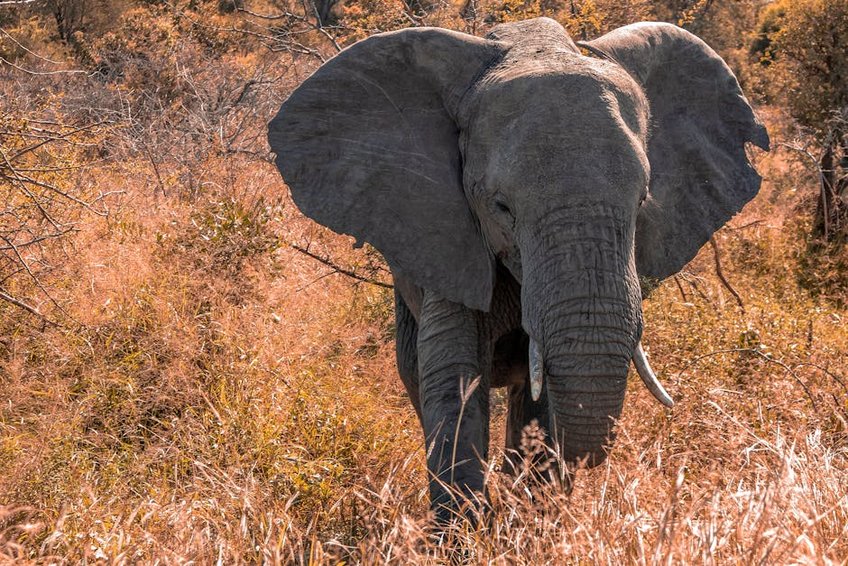
You will witness many impala, wildebeest, and other antelope species with their young, which attracts vigilant predators. While the thick green bush can obscure sightings, patient viewing at perennial rivers like the Sabie or Olifants, or at man-made dams, increases your chances of spectacular predator-prey interactions. Elephant and buffalo herds are also commonly seen splashing in full waterholes.
Park Operations and Accessibility
All main rest camps, satellite camps, and concession lodges within Kruger National Park are fully operational in January. Gates open at 5:30 AM and close at 6:30 PM, offering long daylight hours for exploration. Advance booking for accommodations and guided activities is essential, as this is a popular holiday period for both international visitors and South African residents.
Most roads, including many gravel loops, remain accessible unless temporarily affected by heavy downpours. The park’s tarred main roads (H1-4, etc.) are always maintained. Always check road statuses at camp reception, as afternoon storms can cause brief flash flooding on low-water bridges.
Alt: “kruger-national-park-summer-landscape-green-vegetation-elephants”
South Africa Kruger Park January – Planning Your Trip
Organizing a January safari requires a strategy tailored to the summer season’s unique rhythm. You must balance the desire for prolific wildlife sightings with practical considerations like heat, rain, and higher visitor numbers. Your South Africa Kruger Park January itinerary should prioritize early mornings, strategic location choices, and flexible scheduling to accommodate dramatic weather changes.
Accommodation books out remarkably early for this peak period; secure your rest camp bungalow or private lodge booking at least 6-9 months in advance. Focus your search on camps in the southern and central regions (like Skukuza, Lower Sabie, or Satara) for higher game density and better road networks if storms close certain routes. Consider splitting your stay between two different camps to experience varied ecosystems.
Best Time to Visit Within January
The first two weeks of January are often slightly less crowded than the Christmas-New Year period, though still very busy. Early January continues to see excellent newborn animal activity and consistent afternoon thunderstorms that refresh the landscape. Temperatures remain consistently high, with averages between 88-93°F (31-34°C).
By late January, rainfall may begin to taper slightly in some areas, potentially offering more predictable weather windows for full-day drives. The vegetation is at its densest, making expert guides particularly valuable for tracking wildlife. Regardless of the week, the fundamental summer safari experience of vibrant life and dynamic weather remains constant throughout the month.
Budget Planning and Costs
A safari budget varies dramatically based on accommodation style, level of guidance, and included amenities.
Essential Preparation Checklist
Your packing list must address heat, rain, and sun protection. Essentials include lightweight, moisture-wicking safari clothing in beige or khaki, a wide-brimmed hat, waterproof binoculars (10×42 recommended), high-SPF sunscreen, and strong insect repellent with DEET. Break in sturdy, closed-toe shoes and pack a swimsuit for lodge pools.
Ensure your travel insurance covers medical evacuation and review standard South African visa policies; many nationalities receive a 90-day visa on arrival. Book all internal flights (typically to Skukuza (SZK) or Kruger Mpumalanga (MQP) airports) and car rentals simultaneously with your lodge bookings. Consult your doctor about malaria prophylaxis, as January is a high-risk month in the region.
Top Attractions and Safari Activities
Kruger in January shifts the focus from wide-open, easy viewing to the thrill of discovery in a thriving ecosystem. The park’s major rivers—the Sabie, Olifants, and Letaba—are flowing strongly, attracting herds of elephants, hippos, and hundreds of birds to their banks. Guided bush walks become particularly special, revealing a world of smaller creatures, flowering plants, and intricate insect life awakened by the rains.
Night drives, offered by most rest camps and all private lodges, provide a chance to see nocturnal species like genet, civet, and large-spotted genets, along with predators on the move. The summer green also makes scenic viewpoints, like the Nkumbe lookout or the Olifants River camp restaurant deck, exceptionally beautiful for panoramic landscapes over the verdant bush.
Must-See Highlights
The Satara region remains a legendary area for lion and cheetah sightings year-round, and in January, the surrounding grasslands support plenty of prey. The Lower Sabie River road (H10) is exceptional for elephant and buffalo herds coming to drink, with the chance to see territorial battles. Birding at Lake Panic Bird Hide near Skukuza is world-class, with malachite kingfishers and African fish eagles active.
For a unique experience, visit the Masorini or Thulamela archaeological sites to learn about the park’s human history. The sheer density of general game—herds of zebra, giraffe, and antelope—along the roads between Skukuza and Pretoriuskop is visually stunning against the green backdrop. Always allow extra time for travel, as animals on the road and photo stops will slow your progress.
Hidden Gems and Local Favorites
Venture to the park’s far north, around Punda Maria or Shingwedzi, for a more remote feel and specialist birding, including sought-after species like the Pel’s fishing owl. The mopane woodlands here host unique species like eland and Sharpe’s grysbok. The Sweni and Nwanetsi river roads in the central-east region are less trafficked and can yield incredible wild dog sightings.
Consider a visit to the adjacent Manyeleti Game Reserve or Timbavati Private Nature Reserve, which share unfenced borders with Kruger. These areas offer the same wildlife with far fewer vehicles, often at a more accessible price point than the famous Sabi Sand reserve. Their summer birdlife and wildflower displays are equally impressive.
Photography Tips for Summer Conditions
The soft, overcast light following a rain shower is ideal for photography, reducing harsh shadows. The green vegetation provides a beautiful, vibrant backdrop, but use a wide aperture (low f-stop) to separate your subject from the busy background. Early morning is still the golden hour, but be prepared for mist and atmospheric conditions that add drama to landscapes.
Focus on behavior: birds building nests, animals interacting with their young, or predators stalking through the tall grass. A telephoto lens (300mm minimum) is crucial. Protect your gear from dust and sudden rain with sealed bags or protective covers in your vehicle.
Practical Travel Information
Reaching Kruger is straightforward, with three main airport options offering varying convenience and cost. Most international travelers fly into Johannesburg’s O.R. Tambo Airport (JNB) and connect via a 45-minute flight to Kruger Mpumalanga International Airport (MQP) near Nelspruit, or a longer 2-hour flight directly to Skukuza Airport (SZK) inside the park. Renting a car provides maximum flexibility for exploring the park’s extensive road network at your own pace.
Alternatively, several charter companies offer direct flights from Johannesburg to private airstrips servicing luxury lodges in the Sabi Sand and other private reserves. For those on a tighter budget, a 4-5 hour drive from Johannesburg to the park’s southern gates (like Malelane or Crocodile Bridge) is a scenic, cost-effective option along the N4 highway.
| Accommodation Type | Key Features & Best For | Price Range Per Night (USD) |
|---|---|---|
| Kruger Rest Camps (SANParks) | Self-catering bungalows, communal kitchens, affordable guided drives, central locations. | $80 – $200 |
| Private Safari Lodges (Sabi Sand) | All-inclusive stays, expert guides/trackers, exclusive traversing rights, high-end amenities. | $600 – $2,000+ |
| Bushveld Camps (SANParks) | Smaller, quieter camps, fewer amenities, more remote wilderness feel, still require booking. | $70 – $150 |
| Luxury Concessions (Inside Kruger) | Ultra-private, located within Kruger itself, offer walking safaris and night drives not allowed in public areas. | $800 – $1,500+ |