Serbia Đerdap Gorge Danube: Europe’s Grand Canyon Adventure
The Serbia Đerdap Gorge Danube represents one of Europe’s most spectacular natural wonders, carving a dramatic path through the Carpathian Mountains along the Romanian border. This immense river canyon stretches over 100 kilometers, featuring towering limestone cliffs, ancient archaeological sites, and unique ecosystems that create an unforgettable travel destination. Our guide covers essential planning details, must-see attractions, and practical tips for experiencing this remarkable Balkan treasure.
Essential Geological and Historical Background
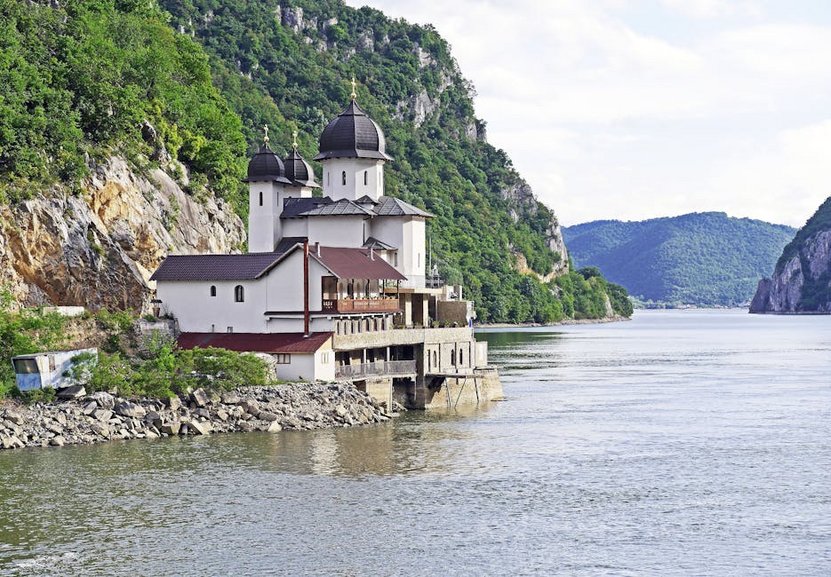
Đerdap Gorge forms the largest river canyon in Europe, created by the Danube River cutting through the Carpathian Mountains over millions of years. The gorge divides into four distinct sections: Golubac Fortress area, Gospodin Vir narrows, Veliki and Mali Kazan gorges, and Sip Channel. Each section offers unique geological formations and panoramic viewpoints accessible via well-maintained hiking trails.
Human history here spans 8,000 years, evidenced by Lepenski Vir archaeological site containing Europe’s oldest planned settlement. Roman Emperor Trajan built his famous bridge across the Danube here in 103 AD, while medieval fortresses like Golubac guard strategic river passages. The area gained protected status as Đerdap National Park in 1974, preserving 636 square kilometers of pristine wilderness.
Key Geological Features
Understanding the landscape enhances your appreciation of this natural masterpiece.
- Iron Gate narrows squeeze the Danube to just 150 meters wide with depths exceeding 90 meters, creating powerful currents visible from observation decks.
- Veliki Kazan section features vertical cliffs soaring 800 meters above river level, offering spectacular photography opportunities especially during golden hour.
- Karst formations throughout the park contain numerous caves including Rajko Cave, accessible via guided tours from nearby villages.
- Budget travel costs $30-50 daily using hostel dorm beds, self-catered meals, and public transportation between sites. Focus on free activities like hiking and visiting smaller museums to maximize value.
- Mid-range budgets of $70-100 cover private rooms, restaurant meals, and occasional guided tours. This level provides comfortable accommodation in towns like Kladovo with reliable amenities and easier access to park attractions.
- Premium experiences cost $120-200 daily featuring boutique hotels, private guides, and specialized activities like fishing expeditions. Luxury options include spa facilities and exclusive boat tours with gourmet dining experiences.
- National Tourism Organization of Serbia
- UNESCO World Heritage Centre
Historical Timeline and Significance
Lepenski Vir settlement dates to 7000 BC, showcasing advanced Mesolithic architecture with trapezoidal buildings and unique stone sculptures. Roman conquest left Trajan’s Table inscription commemorating road construction, still visible on the Serbian riverbank. Medieval period saw strategic fortresses built including Golubac, which changed hands between Serbian, Hungarian and Ottoman forces.
Modern development brought the Đerdap I hydroelectric dam in 1972, creating reservoirs that actually enhanced accessibility to previously remote gorge sections. Today, the national park protects both natural and cultural heritage through carefully managed tourism infrastructure and conservation programs.
Ecosystem and Biodiversity
Đerdap’s unique microclimate supports over 1,100 plant species including several endemic varieties found nowhere else. The forests transition from Hungarian oak at lower elevations to beech and fir in higher zones, creating habitat for lynx, wolves and brown bears. Birdwatchers can spot over 150 species including eagles, falcons and the rare black stork nesting on cliff faces.
Aquatic ecosystems thrive in the Danube’s clean waters, supporting sturgeon populations and numerous fish species. Park authorities maintain strict regulations to protect sensitive habitats while allowing responsible tourism through designated trails and viewing areas.
Alt: “serbia-djerdap-gorge-danube-river-cliffs-aerial”
Serbia Đerdap Gorge Danube – Planning Your Trip
Successful Serbia Đerdap Gorge Danube exploration requires strategic timing between May and September when weather conditions remain favorable for outdoor activities. Spring months bring blooming wildflowers and moderate crowds, while autumn offers stunning foliage colors against the limestone cliffs. Winter visits appeal to hardy travelers seeking solitude, though some facilities operate reduced hours from November through March.
Budget approximately $50-80 daily for comfortable independent travel, covering mid-range accommodation, meals, and local transportation. Allocate extra funds for guided boat tours ($25-40 per person) and specialized activities like archaeological site visits. Book accommodations three months ahead for June-August visits, particularly in popular base towns like Donji Milanovac and Tekija.
Essential preparations include sturdy hiking shoes, layered clothing for changeable weather, binoculars for wildlife spotting, and reliable navigation tools. While major sites accept credit cards, carry Serbian dinar cash for smaller establishments and rural areas throughout the national park region.
Best Time to Visit Đerdap National Park
May through September delivers ideal conditions with temperatures ranging 68-82°F (20-28°C) and minimal rainfall disrupting outdoor plans. July and August attract peak visitor numbers, particularly European vacationers, so book boat tours and hotels several weeks in advance. Shoulder seasons of April-May and September-October offer pleasant 55-70°F (13-21°C) weather with significantly smaller crowds.
Winter months from November to March see temperatures drop to 28-40°F (-2 to 4°C) with possible snow at higher elevations, though the gorge remains accessible. Fewer services operate during this period, but photographers capture stunning frost-covered landscapes and have popular viewpoints largely to themselves. Check road conditions before winter travel as some secondary routes may close temporarily.
Budget Planning and Costs
Daily expenses vary significantly based on travel style and season.
Essential Preparation Checklist
Pack waterproof hiking boots with ankle support for uneven trails, plus moisture-wicking layers that handle temperature swings throughout the day. Include a compact rain jacket regardless of season, as weather changes rapidly in the gorge environment. Photography equipment should include polarizing filters to manage water reflections and a sturdy tripod for long exposures at scenic overlooks.
Verify your passport allows 90-day visa-free entry to Serbia, and purchase comprehensive travel insurance covering medical evacuation from remote areas. Download offline maps and translation apps since English proficiency decreases outside major tourist centers. Make advance reservations for popular guided tours, especially the Danube boat excursions that often sell out during summer months.
Top Attractions and Activities
Đerdap National Park’s crown jewel remains the spectacular gorge itself, best experienced through multiple perspectives including boat, foot, and scenic overlooks. The Danube River forms a natural border between Serbia and Romania, creating unique binational viewing opportunities from both shorelines. Most visitors allocate 3-4 days to properly experience major sites while allowing flexibility for weather-dependent activities.
Outdoor enthusiasts find endless opportunities through 200 kilometers of marked hiking trails ranging from gentle riverside paths to challenging mountain ascents. Water-based activities include fishing for massive catfish, kayaking through calm sections, and taking guided boat tours into the narrowest gorge passages. Cultural attractions span millennia from prehistoric settlements to well-preserved medieval fortresses with interactive exhibits.
Must-See Highlights
Golubac Fortress stands as the park’s most photographed landmark, featuring ten medieval towers climbing the hillside above Danube navigation points. Recent renovations added visitor centers and night illumination, with admission costing $5-8 depending on accessed areas. Arrive early morning to avoid crowds and capture the best lighting conditions for photography.
Lepenski Vir archaeological site showcases Europe’s oldest urban settlement with original housing foundations and distinctive stone sculptures preserved under modern protective structures. Guided tours ($10-15) provide essential context about the 8,000-year-old civilization, with museum exhibits explaining excavation discoveries. Combine your visit with nearby Trajan’s Table, a Roman inscription carved into cliffside rock face.
Veliki Kazan viewpoint delivers the gorge’s most dramatic panorama where the Danube narrows between 800-meter cliffs, creating swirling currents visible from multiple observation platforms. Access requires a moderate 2-kilometer hike from the nearest parking area, with the best lighting occurring late afternoon. Nearby, Mali Kazan offers alternative perspectives with less elevation gain suitable for casual visitors.
Hidden Gems and Local Favorites
Rajko Cave remains lesser-known despite impressive stalactite formations and historical use as a smuggling route between Serbia and Romania. Local guides offer tours ($15-20) from nearby villages, sharing stories about the cave’s role in regional history and pointing out unique geological features. The interior maintains a constant 50°F (10°C) temperature year-round, providing cool refuge during summer heat.
Donji Milanovac town serves as an ideal base for exploring the eastern gorge sections, featuring charming waterfront promenades and family-run konoba restaurants serving freshly caught fish. Early risers can join local fishermen heading out at dawn, or visit the ethnographic museum documenting traditional Danube lifestyles. The town’s market offers handmade crafts and local honey perfect for souvenirs.
Outdoor Adventure Opportunities
Hiking trails range from the gentle Danube Cycle Path following former towpaths to challenging ascents like Ljupkovska Planina reaching 1,200 meters elevation. Most trails remain well-marked with red-white blazes, though carrying detailed maps remains essential for remote routes. Spring and autumn provide optimal conditions for extended treks, while summer requires early starts to avoid afternoon heat.
Danube boat tours depart regularly from Kladovo and Donji Milanovac, navigating the narrowest gorge sections inaccessible by land. Two-hour excursions cost $25-35, while full-day trips including lunch and additional stops run $60-80 per person. Specialized photography tours operate during golden hours, with guides positioning boats for optimal lighting conditions against the dramatic cliffs.
Practical Travel Information
Reaching Đerdap Gorge typically involves flying into Belgrade Nikola Tesla Airport (BEG), then taking a 3-hour drive or bus journey eastward to the national park region. Rental cars provide maximum flexibility for exploring remote areas, though reliable bus services connect major towns along the Danube. Within the park, local buses, taxis, and ferries facilitate movement between attractions, with most visitors combining transportation modes.
Accommodation options span from basic campgrounds and rural guesthouses to modern hotels in larger towns, with prices rising significantly during July-August. Booking.com and local tourism websites offer the widest selection, though direct contact with smaller properties sometimes yields better rates. Most visitors prefer staying in Donji Milanovac or Kladovo for their central locations and comprehensive services.
| Category | Options/Features | Price Range (USD) |
|---|---|---|
| Budget Accommodation | Hostels, guesthouses with shared bathrooms, basic amenities | $25-40 |
| Mid-Range Hotels | Private rooms, ensuite bathrooms, breakfast included | $55-85 |
| Premium Hotels | River views, spa facilities, restaurants, guided tours | $100-160 |
| Unique Stays | Waterfront villas, converted mills, eco-lodges | $90-200 |