Seoul Travel Guide: Navigating the Dynamic Heart of South Korea
Exploring Seoul is an exhilarating journey through a metropolis where centuries-old palaces stand at the feet of towering glass skyscrapers. Your Seoul travel guide starts here to decode a city that perfectly balances rapid innovation with deep-rooted tradition. This guide provides the essential logistics, cultural insights, and hidden gems you need to confidently navigate one of Asia’s most compelling capitals.
Seoul Essential Information
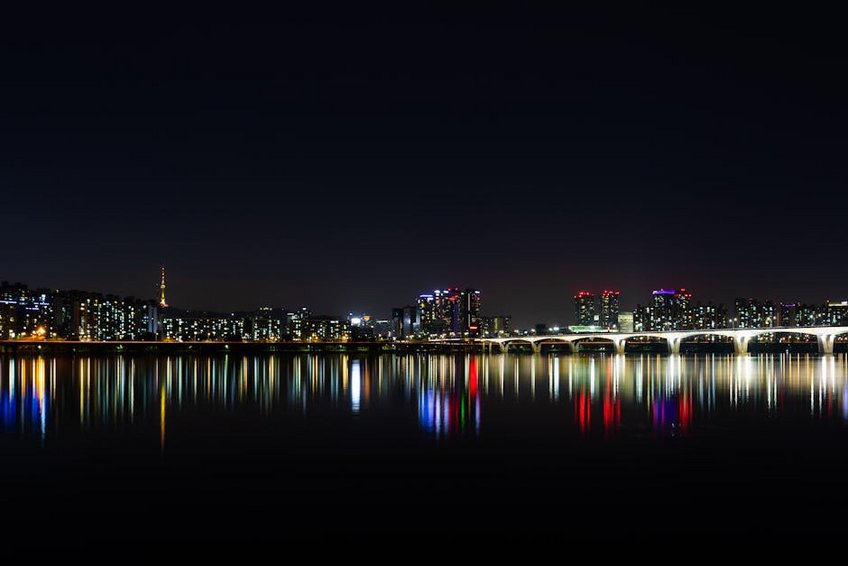
Seoul serves as the political, economic, and cultural heart of South Korea, housing over half of the nation’s population within its greater metropolitan area. The Han River bisects the city, creating a natural divide between the historical north (Gangbuk) and the modern south (Gangnam). Its history spans more than 2,000 years, with the Joseon Dynasty leaving the most significant architectural legacy visible today.
The city operates as a special autonomous entity, similar to a province, with 25 administrative districts called “gu.” Each district possesses a distinct personality, from the youthful energy of Hongdae to the upscale luxury of Gangnam. Understanding this district-based layout is the first key to navigating the urban sprawl efficiently and planning a cohesive daily itinerary.
Key Facts and Figures
Arm yourself with these core details before your visit.
- Population: Approximately 9.7 million in the city proper, with over 25 million in the greater Seoul Capital Area, making it one of the world’s largest metropolitan regions.
- Language: Korean (Hangul). English is commonly spoken in tourist areas, major hotels, and by younger generations, though learning basic Korean phrases is appreciated.
- Currency: South Korean Won (KRW). Credit cards are widely accepted, but local markets and street food stalls often require cash.
- Budget Traveler ($50-70 USD/day): Stay in hostels or guesthouses in Hongdae or Itaewon, eat primarily at street food stalls and local canteens (bunsik), use the T-money card for unlimited subway travel, and focus on free attractions like palace grounds on cultural heritage days.
- Mid-Range Traveler ($100-150 USD/day): Book a 3-4 star hotel in Myeongdong or Insadong, enjoy meals at casual sit-down restaurants and famous barbecue joints, take the occasional taxi for convenience, and purchase combination tickets for major palaces and museums.
- Luxury Traveler ($250+ USD/day): Choose 5-star hotels in Gangnam or near Gwanghwamun Square, dine at Michelin-starred or high-end Korean restaurants, book private day tours or drivers, and experience premium cultural performances and spa treatments (jjimjilbang).
- Korea Tourism Organization Official Site
- Seoul Metropolitan Government
- Agoda – Seoul Hotel Deals
Visa and Entry Requirements
Citizens of the United States, Canada, the UK, Australia, and most EU countries do not need a visa for tourist stays of up to 90 days. You must have a passport valid for at least six months beyond your planned departure date. The Korea Electronic Travel Authorization (K-ETA) is required for visa-free visitors, a simple online process that should be completed 72 hours before departure for streamlined immigration.
Upon arrival, you’ll receive a disembarkation card to complete on the plane. Immigration officers may ask for proof of onward travel and accommodation, though this is not always requested. Keep a digital or printed copy of your hotel reservation handy just in case to ensure a smooth entry process.
Climate and Weather Patterns
Seoul experiences four distinct seasons, each offering a dramatically different urban landscape. Winters are cold and dry, with January temperatures averaging between 19°F (-7°C) and 33°F (1°C), often accompanied by crisp, clear skies. Summers are hot and humid, with monsoon rains (jangma) typically concentrated in July, bringing heavy downpours and temperatures soaring to 86°F (30°C) or higher.
The most pleasant seasons are spring (April to early June) and autumn (September to November). Spring features mild temperatures and the famous cherry blossoms, while autumn offers cool, dry air and stunning fall foliage across the city’s many mountains. These are also the most popular and crowded times for tourism, so book accommodations well in advance.
Alt: “seoul-skyline-namsan-tower-traditional-hanok-houses”
Seoul Travel Guide – Planning Your Trip
Crafting a successful Seoul itinerary requires matching your interests with the city’s sprawling layout. First, decide your travel priorities: royal history and traditional culture, cutting-edge technology and shopping, vibrant K-pop and youth trends, or serene nature and hiking. Most visitors find that a district-based approach, focusing on one or two neighborhoods per day, prevents transit fatigue and maximizes exploration time.
Budget planning is straightforward as prices are transparent and competitive. Mid-range travelers can expect to spend between $80-$120 USD per person per day, excluding flights. This covers a comfortable hotel, local meals, public transit, and attraction entry fees. Seoul is a very safe city for solo and family travelers alike, with an efficient infrastructure that makes independent exploration highly rewarding.
Best Time to Visit Seoul
Visit Seoul between late September and November for ideal autumn weather, clear skies, and breathtaking fall colors on the mountains surrounding the city. Daytime temperatures range from a pleasant 55°F to 70°F (13°C to 21°C), perfect for long days of walking and outdoor palace tours. Crowds are moderate, and the humidity of summer has completely dissipated, creating perfect conditions for sightseeing.
Alternatively, late April to early June offers mild spring weather and the famous cherry blossom season, though this period is significantly more crowded. Winter (December-February) attracts fewer tourists and offers clear, cold days ideal for museum hopping and enjoying seasonal street food, provided you pack appropriate thermal layers for the freezing temperatures.
Budget Planning and Costs
Daily costs vary widely based on your travel style. Here’s a realistic breakdown.
Essential Preparation Checklist
Pack comfortable walking shoes above all else, as you will log several miles daily on hard pavement. Bring a portable power bank for your phone, as you’ll rely on it for navigation, translation, and photos. A universal power adapter with Type C/F plugs (220V) is essential, along with a light rain jacket regardless of season, as showers can appear suddenly.
Digitally, download essential apps before arrival: Naver Map or KakaoMap for navigation (Google Maps is unreliable), Papago for translation, and Kakao T for taxi hailing. Inform your bank of your travel plans to use credit/debit cards. Finally, purchase a Korea SIM card or eSIM for seamless data access upon landing at Incheon Airport, which is crucial for all the apps you’ll need daily.
Top Attractions and Neighborhood Explorations
Seoul’s attractions are deeply tied to its distinct neighborhoods. The historical center, Jongno-gu, is home to five grand Joseon Dynasty palaces, including Gyeongbokgung and Changdeokgung with its Secret Garden. Just south, the bustling districts of Myeongdong and Dongdaemun offer endless shopping, while across the Han River, Gangnam presents sleek modernity and upscale experiences. North of the river, Hongdae and Itaewon buzz with youthful creativity and international flavor.
Integrate cultural landmarks with local life for a balanced experience. Schedule a palace visit in the morning, followed by lunch in a surrounding traditional hanok district like Bukchon or Insadong. Dedicate evenings to neighborhood exploration, whether that’s street food tasting in Myeongdong, boutique shopping in Garosu-gil, or experiencing live music in Hongdae. This rhythm lets you appreciate the city’s dual identity.
Must-See Historical Highlights
Gyeongbokgung Palace, the largest of the Five Grand Palaces, is a non-negotiable stop. Arrive for the 10:00 AM changing of the royal guard ceremony, then explore the throne hall and picturesque Hyangwonjeong pavilion. Entry is about $3 USD, and wearing a hanbok (traditional Korean dress) grants free admission. Combine this with a visit to the adjacent National Folk Museum for deeper context on Korean history and daily life.
Changdeokgung Palace’s Huwon, or Secret Garden, requires a guided tour reservation made in advance online. The 90-minute walk through this UNESCO-listed rear garden is a serene escape featuring ponds, pavilions, and ancient trees. Bukchon Hanok Village, nestled between these two palaces, is a residential area with hundreds of traditional Korean houses, offering picturesque alleyways and numerous cultural workshops where you can try on hanbok or make handicrafts.
Hidden Gems and Local Favorites
Escape the downtown bustle at Seonyudo Park, a former water treatment plant creatively transformed into a stunning ecological park on an island in the Han River. It’s a favorite among locals for walks and picnics, offering unique industrial-meets-nature scenery. For a different perspective, visit the Ihwa Mural Village, a hillside community revitalized by street art, though remember it’s a living neighborhood where quiet respect is required.
For a deep dive into local commerce, visit the traditional Gwangjang Market, not just for its famous bindaetteok (mung bean pancakes) but also for its vibrant fabric and vintage clothing sections. Later, take the subway to the neighborhood of Seongsu-dong, now called “Seoul’s Brooklyn,” where old shoe factories have been converted into trendy cafes, concept stores, and art galleries, showcasing the city’s innovative reuse of urban spaces.
Dynamic Cultural Experiences
Immerse yourself in the performing arts at the Jeongdong Theater, which offers regular performances of “Miso,” a non-verbal traditional music and dance show perfect for international audiences. For a modern counterpart, check the schedules at the coexisting art spaces in the Dongdaemun Design Plaza (DDP), a neofuturistic architectural landmark that hosts fashion shows, exhibitions, and design markets, especially vibrant in the evening when its exterior lights up.
Participate in a temple stay program at a serene Buddhist temple like Jogyesa in the city center or Bongeunsa in Gangnam. These programs, often available as a day experience or overnight stay, include meditation sessions, ceremonial tea drinking, and communal Buddhist vegetarian meals (temple food). This provides profound insight into Korean spiritual life and offers a genuine respite from the urban energy.
Practical Travel Information and Logistics
Seoul’s infrastructure is a traveler’s dream, built for efficiency and ease. The Incheon International Airport (ICN) consistently ranks among the world’s best, located about an hour west of the city center. Two excellent airport rail links (AREX) connect directly to Seoul Station: the express train (43 minutes, ~$8 USD) and the all-stop commuter train (58 minutes, ~$5 USD). Numerous airport buses also depart for major hotel districts, offering door-to-door convenience for about $15 USD.
Within the city, the Seoul Metropolitan Subway system is extensive, clean, safe, and easy to navigate with English signs and announcements. A T-money transportation card is essential; purchase it at any convenience store, load it with credit, and tap for subways, buses, and even taxis. Taxis are plentiful and affordable, with basic fares starting around $3 USD. Use the Kakao T app to hail and pay for taxis without needing to speak Korean.
| Accommodation Area | Best For | Average Nightly Price (USD) |
|---|---|---|
| Myeongdong | Shopping, street food, first-time visitors, central location | $80 – $150 |
| Hongdae | Nightlife, youthful vibe, budget travelers, indie culture | $60 – $120 |
| Gangnam | Upscale shopping, luxury stays, business travel, modern Seoul | $130 – $300+ |
| Insadong/Jongno | Cultural sites, traditional atmosphere, palace access | $90 – $180 |
| Itaewon | International dining, expat scene, eclectic nightlife | $70 – $140 |