Scottish Highlands Road Trip Itinerary: Popular Experience

Scottish Highlands Road Trip Itinerary

Embarking on a Scottish Highlands road trip itinerary gives you ultimate freedom to explore one of Europe’s last great wilderness areas. You will navigate dramatic mountain passes, discover serene lochs, and encounter ancient castles at your own pace. This guide provides the essential framework, practical tips, and local insights to craft your perfect self-drive adventure through this iconic landscape.

Understanding the Scottish Highlands

The Scottish Highlands encompass a vast region north of Glasgow and Edinburgh, defined by rugged terrain and a sparse population. This area’s geology was shaped by ancient glaciers, creating the deep glens and sharp peaks you see today. Its complex history includes clan battles, the Jacobite uprisings, and the tragic Highland Clearances, which all left a profound cultural mark.

The weather here is famously changeable, often experiencing four seasons in a single afternoon. Summer days are long, with twilight lingering past 10 PM, while winter brings short days but a chance to see the Northern Lights. This variability demands flexible planning and the right clothing layers for comfort.

Key Regions You’ll Explore

Your journey will typically cover several distinct areas, each with its own character.

  • The Great Glen: A major geological fault line running from Fort William to Inverness, featuring Loch Ness, Caledonian Canal, and commanding views of Ben Nevis, the UK’s highest peak.
  • The North Coast 500 (NC500): A famed 500-mile loop starting in Inverness, showcasing the raw, coastal beauty of Scotland’s northern tip with pristine beaches and sheer cliffs.
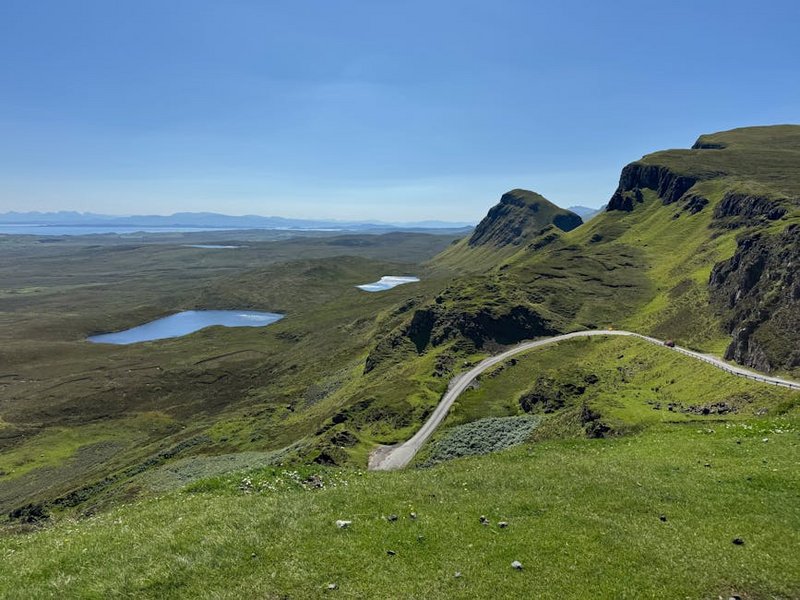
  • The Isle of Skye: Accessible via bridge, this island offers some of the most iconic Highland scenery, including the Quiraing landslip, the Old Man of Storr, and the Fairy Pools.
  • Climate and Driving Conditions

    Road conditions require careful attention, especially for those new to driving in the UK. You will encounter single-track roads with designated passing places, which require you to pull over to let oncoming traffic proceed. Always drive on the left and be prepared for sudden weather changes that can reduce visibility significantly.

    Average summer temperatures range from 50-65°F (10-18°C), while winter temperatures can sit between 32-43°F (0-6°C). Rain is frequent year-round, so waterproof jackets and sturdy footwear are non-negotiable. The midges, tiny biting insects, are most active from May to September, particularly at dawn and dusk near still water.
    Scottish Highlands Road Trip Itinerary

    Alt: “scottish-highlands-road-glennfinnan-viaduct-mountains”

    Scottish Highlands Road Trip Itinerary – Planning Your Journey

    Crafting the ideal Scottish Highlands road trip itinerary depends on your available time and interests. A one-week circuit allows you to cover major highlights from Edinburgh or Glasgow to Glencoe, Fort William, and the Isle of Skye. For a more comprehensive exploration including the North Coast 500, you will need at least ten to fourteen days to enjoy the drive without feeling rushed.

    Booking your rental car well in advance is crucial, especially for summer travel. Opt for a smaller, fuel-efficient vehicle to navigate narrow lanes more easily, though an SUV can be beneficial for confidence on rougher routes. Always confirm that your rental includes insurance for single-track roads and check for any mileage restrictions.

    Best Time for a Highlands Road Trip

    The optimal window for this self-drive adventure is between late May and early October. June through August offers the warmest weather, longest daylight hours, and full access to all attractions and accommodations. However, these are also the busiest months, requiring bookings made three to six months in advance for popular lodgings.

    Shoulder seasons in May and September provide a fantastic compromise with fewer crowds and midges, though some remote services may have reduced hours. Winter trips from November to February are possible for those seeking solitude and dramatic skies, but many minor roads may close due to snow, and daylight is limited to just 6-7 hours.

    Budget Planning and Costs

    Your daily budget varies widely based on accommodation style and dining choices.

    1. Budget Traveler ($100-150/day): Focus on hostel dorms or basic B&Bs, self-catering with groceries from supermarkets, and free hiking. Your main costs are the rental car (split among travelers), fuel, and occasional paid attractions.
    2. Mid-Range Traveler ($200-350/day): This allows for comfortable en-suite B&Bs or small hotels, dining at pubs for lunch and dinner, and entry to several paid castles or guided tours. You’ll enjoy more comfort and convenience.
    3. Luxury Traveler ($500+/day): Stay in historic country house hotels or luxury lodges with fine dining, book private guided tours or whisky tastings, and enjoy premium experiences like helicopter tours over the mountains.
    4. Essential Preparation Checklist

      Begin securing your travel documents and key bookings at least four months before departure. You will need a valid passport and, for most international drivers, your domestic license is sufficient for renting a car in the UK. Consider purchasing comprehensive travel insurance that specifically covers rental car excess and potential trip disruptions due to weather.

      Pack versatile, moisture-wicking clothing layers, a high-quality waterproof jacket and pants, and broken-in hiking boots. Essential tech includes a UK power adapter, a reliable offline GPS app like Maps.me, and a power bank for your devices. Don’t forget a physical road atlas as a backup for areas with poor mobile reception.

      Top Attractions and Scenic Routes

      Beyond the famous landmarks, the true magic of this drive lies in the spontaneous stops along quiet lochs and in charming villages. The A82 from Glasgow to Glencoe is one of the world’s most scenic drives, passing Loch Lomond before entering the majestic Glencoe valley. Allow plenty of time for unscheduled photo stops and short walks.

      Historic sites like Eilean Donan Castle, perched at the confluence of three lochs, and the haunting Culloden Battlefield provide deep cultural context. Meanwhile, natural wonders such as the Smoo Cave on the north coast and the Corrieshalloch Gorge near Ullapool showcase the region’s diverse geology.

      Must-See Highlights

      No tour of this region is complete without experiencing Glencoe’s profound beauty. The valley’s steep sides and tragic history create an atmosphere unmatched anywhere else. Visit the Glencoe Visitor Centre for walking trails and historical exhibits, ideally in the morning for the best light on the iconic Three Sisters peaks.

      On the Isle of Skye, the Fairy Pools are crystal-clear blue pools at the foot of the Black Cuillin mountains. Arrive early or late in the day to avoid the largest crowds that can descend by mid-morning. The Quiraing landslip on Skye’s Trotternish Ridge offers a moderate loop walk with continuously stunning, otherworldly views.

      Hidden Gems and Local Favorites

      Venture beyond the NC500 to the remote Knoydart Peninsula, accessible only by ferry from Mallaig. Often called “Britain’s last wilderness,” it has no road access and offers unparalleled isolation and hiking. The drive to the remote Applecross Peninsula via the Bealach na Bà, a steep, winding mountain pass, rewards with breathtaking views over the Inner Hebrides.

      For a quieter castle experience, visit Dunrobin Castle in Golspie, which resembles a French château with stunning gardens and falconry displays. The coastal village of Plockton, with its palm trees and tranquil bay, is a delightful spot for a seafood lunch away from the main tourist streams.

      Whisky Distillery Tours

      The Highlands are home to some of Scotland’s most famous whisky distilleries. The Malt Whisky Trail in Speyside, east of Inverness, includes iconic names like Glenfiddich and Macallan. Booking tours in advance is highly recommended, especially in summer, as they often include tastings and insights into the distillation process.

      Smaller, independent distilleries like Old Pulteney in Wick or GlenWyvis in Dingwall offer more intimate experiences. Remember that if you are the driver, you should request the “driver’s pack” at the end of your tour, which allows you to take your tasting samples away for later enjoyment.

      Practical Travel Information

      Navigating the Highlands requires a mix of planning and adaptability. While main routes like the A9 are well-maintained dual carriageways, much of your journey will be on winding A-roads and single-track B-roads. Fuel stations can be sparse in the far north and west, so make a habit of refueling when your tank drops below half full.

      Accommodation ranges from city hotels in Inverness to remote bothies (basic shelters). Booking accommodations ahead is non-negotiable during peak season, as options in small villages are limited. Consider a mix of hotel/B&B stays with perhaps one or two self-catering cottage rentals for longer stops.

      Getting There and Around

      Most international travelers begin their journey by flying into Edinburgh Airport (EDI) or Glasgow Airport (GLA). Both cities have major rental car agencies onsite or nearby. From there, it’s about a 2-3 hour drive to reach the Highland boundary at Loch Lomond. You can also take a train to Inverness and pick up a rental car there to start your loop.

      Within the Highlands, having your own vehicle is essential for flexibility. Public bus services exist but are infrequent, especially in remote areas. If your itinerary includes the Isle of Skye or other islands, check ferry schedules for Caledonian MacBrayne (CalMac) well in advance, as vehicle spaces book up quickly for popular routes like Mallaig to Armadale.

      Where to Stay

      For your first night, consider staying in the gateway town of Pitlochry or in Fort William to break up the drive from the central belt. On the Isle of Skye, Portree offers the most services, but smaller villages like Carbost or Staffin provide a more immersive setting. Along the North Coast 500, Ullapool and Durness are excellent stopping points with good amenities.

      Inverness makes for a logical start or end point for the NC500 loop, with ample car rental options and hotels. Booking platforms like Booking.com are widely used, but for a more personal touch, consider contacting smaller B&Bs directly via their own websites, which can sometimes offer better rates or local advice.

      Scottish Highlands Road Trip Itinerary

      Alt: “highlands-accommodation-cozy-cottage-loch-view”

      Food, Culture, and Local Experiences

      The Highland culinary scene has evolved dramatically, moving beyond traditional fare to include excellent local seafood, artisan producers, and modern Scottish cuisine. You will find fantastic food in unexpected places, from a food truck in a remote glen to a Michelin-starred restaurant in a country house. The culture is deeply rooted in Gaelic heritage, music, and storytelling.

      Engaging with locals is a highlight; Scots are famously friendly and often eager to share stories or recommendations. Respect for the land is paramount—always follow the Scottish Outdoor Access Code, which encourages responsible access while protecting the environment. This means closing gates, taking all litter, and keeping dogs under control.

      Local Cuisine and Must-Try Dishes

      You must sample fresh Scottish salmon, langoustines, and oysters, especially on the west coast. Traditional dishes like Cullen Skink (a creamy smoked haddock soup), haggis (with neeps and tatties), and cranachan (a raspberry and oat dessert) are widely available in pubs. For a unique experience, try venison or game, which is locally sourced from the estates.

      Visit a local butcher or deli for picnic supplies like Scotch pies, oatcakes, and cheese from islands like Mull or Arran. A sit-down dinner at a good gastropub will typically cost $25-45 USD per person for a main course. Always book dinner reservations in popular towns like Portree or Fort William, as good restaurants fill up quickly.

      Cultural Tips and Etiquette

      A friendly “hello” or “good afternoon” goes a long way when entering a small shop or pub. Tipping is appreciated but not as rigidly expected as in the US; rounding up the bill or leaving 10% for good service in a restaurant is standard. When driving, the custom on single-track roads is to acknowledge with a wave when another driver pulls into a passing place for you.

      If you encounter a bagpiper or folk music session in a pub, listening respectfully is the norm. Visiting historic sites, especially clan-related castles or battlefields like Culloden, calls for a somber and respectful demeanor. Learning a few Gaelic phrases like “tapadh leat” (thank you) is warmly received, though English is spoken everywhere.

      Attending a Highland Games

      If your Scottish Highlands road trip itinerary coincides with summer, try to attend a Highland Games event. These community gatherings feature caber tossing, hammer throwing, Highland dancing, and pipe band competitions. They are held in towns across the region from May to September, with famous ones at Braemar (attended by the Royal Family) and the Cowal Games.

      Check local tourism websites for dates and locations, as they are not held every day. Arrive early to get parking and find a good viewing spot. It’s a fantastic way to experience living Scottish culture, community spirit, and athletic tradition in a single, vibrant event.

      Sources and References

      • VisitScotland – Official Tourism Site
      • North Coast 500 Official Route
      • Walkhighlands – Hiking Information
      • Frequently Asked Questions

        When is the best time to visit the Scottish Highlands for a road trip?

        Visit between late May and late September for the most reliable road conditions and longest daylight. July and August are peak season with average highs of 63°F (17°C), but require advanced bookings. Shoulder months like May and September offer fewer crowds and vibrant landscapes with slightly cooler temperatures around 55°F (13°C).

        How much does a Scottish Highlands road trip cost?

        A self-drive tour typically costs $150-300 USD per person per day, excluding international flights. This covers a mid-range rental car ($50-80/day), B&B accommodation ($100-180/night), meals, fuel, and attraction entries. A 10-day trip for two people often totals between $3,000 and $6,000 depending on your chosen comfort level and activities.

        How many days do you need for a Scottish Highlands road trip?

        Plan a minimum of 7 days for a highlights loop from Edinburgh to Skye and back. For a more relaxed pace covering the North Coast 500 and Skye, 10-14 days is ideal. This allows time for hiking, weather delays, and exploring villages without spending more than 3-4 hours driving on any single day.

        How do you get to the Scottish Highlands?

        Fly into Edinburgh Airport (EDI) or Glasgow Airport (GLA) for international arrivals. From there, it’s a 2.5 to 3-hour drive north to reach the Highland boundary. Alternatively, you can take a direct train from either city to Inverness (3.5-4 hours) and pick up a rental car to begin your Highlands exploration from the capital of the north.

        Where should you stay for a Highlands road trip?

        Stay in Fort William or Glencoe for mountain access, Portree on the Isle of Skye for central island exploring, and Ullapool or Durness along the North Coast 500 route. Inverness serves as the best start/end point for northern loops. Booking accommodations 4-6 months ahead for summer travel is strongly recommended.

        Is the Scottish Highlands safe for travelers?

        Yes, the region is very safe with low crime rates. The primary safety considerations are related to driving on unfamiliar, narrow roads and changeable weather during outdoor activities. Always check mountain weather forecasts before hiking, carry supplies in your car, and let your accommodation know your planned route for the day if venturing into remote areas.

        Do you need special preparation for driving in the Highlands?

        Yes, you should feel confident driving on the left side of the road and navigating single-track roads with passing places. Book an automatic transmission car if you’re not used to manual. Essential preparations include downloading offline maps, understanding UK road signs, and purchasing rental insurance that specifically covers damage on minor roads.

        Crafting Your Highland Adventure

        A Scottish Highlands road trip itinerary unlocks dramatic landscapes where history whispers from every glen and castle ruin. Your journey succeeds with flexible bookings to accommodate changing weather, respectful engagement with local communities, and a willingness to explore beyond the guidebook. Pack your sense of adventure along with a reliable rain jacket, and you’re set for an unforgettable exploration of Scotland’s wild heart.

        Related Stories

        spot_img

        Discover

        South Korea Jinhae Cherry Blossom Festival: 3 Essential

        South Korea Jinhae Cherry Blossom Festival: Your Guide to the Pink Canopy The South Korea...

        2026 Current India Jaipur Rose Festival Routes

        India Jaipur Rose Festival: A Guide to the Blossoming Celebration The India Jaipur Rose Festival...

        Ultimate Nepal Holi Festival Kathmandu Guide 12 Tips

        Nepal Holi Festival Kathmandu: A Guide to Celebrating the Festival of Colors Celebrating the Nepal...

        Philippines Moriones Festival Marinduque: 12 Ultimate

        Philippines Moriones Festival Marinduque Experiencing the Philippines Moriones Festival Marinduque offers a profound dive into...

        Top Indonesia Nyepi Silence Day Bali Guide 5 Tips

        Indonesia Nyepi Silence Day Bali Nyepi, the Balinese Day of Silence, transforms the vibrant island...

        Complete Vietnam Hue Festival Cultural Events Journey 3 Tips

        Vietnam Hue Festival Cultural Events The Vietnam Hue Festival cultural events represent a spectacular biennial...

        Popular Categories

        Comments

        LEAVE A REPLY

        Please enter your comment!
        Please enter your name here

      Accommodation Type Best For Average Price Range/Night (USD)
      Hostel / Bunkhouse Solo travelers & budget groups; often in scenic locations $25 – $45
      Bed & Breakfast (B&B) Authentic local experience with home-cooked breakfast $90 – $180
      Self-Catering Cottage Families or groups wanting flexibility and space $120 – $300
      Country House Hotel Luxury, fine dining, and historic settings $250 – $500+