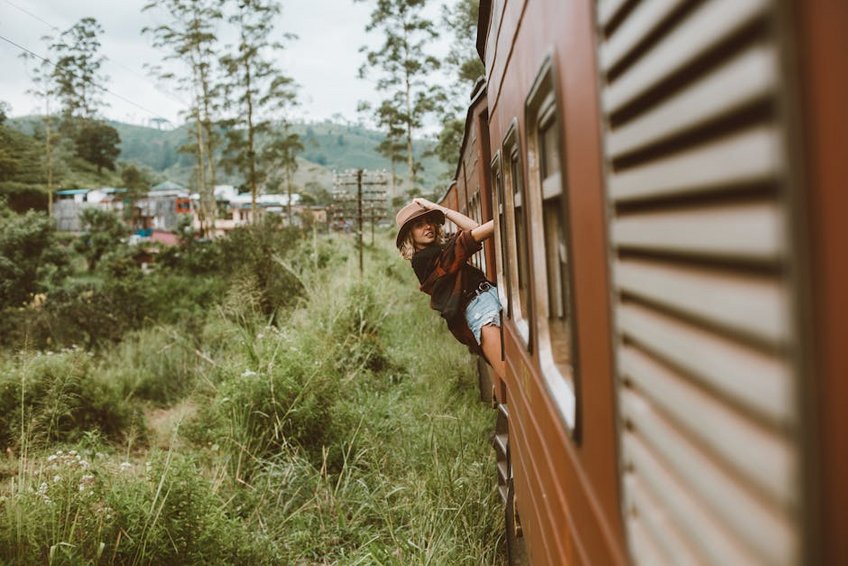
Scenic Train Journey in Sri Lanka
Winding through emerald tea plantations, misty mountain passes, and along sun-drenched coastal tracks, a scenic train journey in Sri Lanka offers one of the world’s most accessible and breathtaking rail experiences. These historic lines connect you not just to destinations, but to the heart of the island’s culture, landscapes, and colonial history, all for just a few dollars. This guide details the iconic routes, practical booking tips, and cultural insights to craft your perfect Sri Lankan rail adventure.
Essential Sri Lankan Railway Information
The Sri Lankan railway network, established in 1864, is a living museum and a vital transport artery. Operated by Sri Lanka Railways, it consists of several main lines radiating from Colombo Fort Station, the bustling hub in the capital. Understanding this system is the first step to a smooth journey through the island’s diverse topography.
Key lines include the Main Line to Badulla (featuring the famous hill country section), the Coastal Line to Matara, and the Northern Line to Jaffna. Trains are categorized by speed and comfort, from slow local services to express intercity trains. The experience varies dramatically between bustling commuter carriages and the panoramic vistas of observation cars.
The History and Charm of the Rail Network
British colonial engineers built these lines primarily for transporting tea and coffee from the central highlands to the port in Colombo. This legacy means the tracks navigate incredible feats of engineering, including the dramatic Nine Arch Bridge in Demodara and numerous spiraling loops and tunnels. Riding these routes is a journey back in time, on tracks laid over a century ago.
Classes of Travel Explained
Choosing your class significantly impacts your experience and budget. First Class offers reserved, air-conditioned seats, often with large windows. Second Class has reserved and unreserved options, with comfortable seating and ceiling fans; this is the most popular choice for travelers.
Third Class provides basic bench seating and is the most authentic local experience, though it can be crowded. For the famous hill country route, the observation saloon or first-class carriage with large windows is highly recommended for unobstructed photography and comfort during the long, winding ascent.
Understanding Train Types and Schedules
Train types range from slow “Local” trains stopping at every station to faster “Express” and “Intercity” services. Schedules are available on the Sri Lanka Railways website but can be subject to delay, especially on mountainous routes. Always build flexibility into your itinerary, as these journeys are about the ride itself, not just punctual arrival.
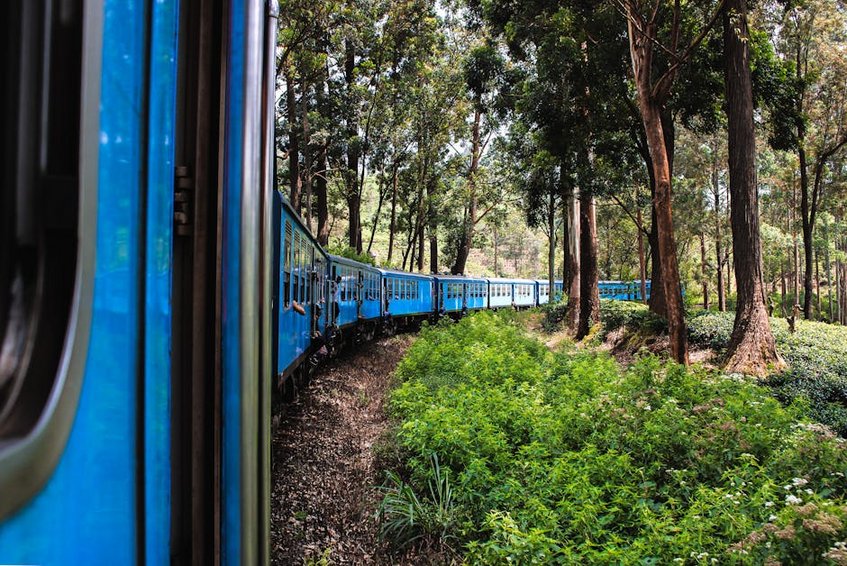
Alt: “sri-lanka-train-emerald-tea-plantations-hill-country”
Scenic Train Journey in Sri Lanka – Planning Your Trip
Successfully planning your Sri Lankan rail adventure requires strategy, especially for securing seats on the most popular scenic stretches. Bookings open 30 days in advance for reserved classes, and tickets for iconic routes like Kandy to Ella can sell out quickly during peak season. A flexible attitude is your greatest asset, alongside advance preparation for a comfortable ride.
Your budget for rail travel is remarkably low, with even first-class tickets rarely exceeding $25 for the longest journeys. However, costs for tours or private car transfers to trailheads add up. Consider mixing train travel with hired drivers for remote areas not serviced well by rail to maximize your sightseeing efficiency across the island.
Best Time to Visit for Train Travel
The optimal period for a scenic train journey in Sri Lanka is during the dry seasons: January to April on the west and south coasts and hill country, and May to September for the east coast. December through March offers the coolest, clearest weather in the highlands, perfect for the Kandy-to-Ella route.
Shoulder seasons like late April and October can see more rain but also fewer tourists and lusher landscapes. The monsoon seasons (May-July in the southwest, November-January in the northeast) bring spectacular downpours that can cause delays or landslides affecting tracks, though journeys remain possible with adjusted expectations.
Budget Planning and Costs
Daily costs vary widely based on your travel style and class of train travel.
- Budget travelers spending $30-50 per day can use second-class unreserved seats ($1-5 per journey), stay in guesthouses, and eat local meals, focusing funds on a few key scenic route tickets.
- Mid-range travelers at $70-120 per day will book reserved second or first-class seats ($10-25), enjoy comfortable hotels, hire occasional drivers for access, and dine at a mix of local and tourist restaurants.
- Luxury travelers with a $200+ daily budget can book exclusive observation car seats, stay in boutique hotels or plantation bungalows, and arrange private car-and-train hybrid tours with guides for seamless, high-comfort exploration.
- Sri Lanka Railways Official Website
- Sri Lanka Tourism Promotion Bureau
Essential Preparation Checklist
Pack light but strategically: a light jacket for chilly hill country mornings, hand sanitizer, snacks and water for the journey, a power bank for your devices, and a good book. For photography, a lens cloth is essential for wiping windows, and a compact zoom lens offers versatility from inside the carriage.
Secure an ETA (Electronic Travel Authorization) visa online before arrival. Book your key train segments as soon as reservations open online via sites like 12Go.asia or at major stations. Purchase a local SIM card at the airport for real-time schedule checks using the ‘Sri Lanka Railways – SLR’ app during your travels.
Top Routes and Unforgettable Journeys
The island’s geography creates distinct rail experiences, from the cool highlands to the tropical coast. Each major line offers a unique perspective on Sri Lanka’s natural beauty and cultural tapestry. Prioritize routes based on your interests, whether it’s photography, cultural immersion, or simply relaxing with epic views.
The most famous section is undoubtedly the Main Line between Kandy and Badulla, with the segment from Kandy to Ella being the crown jewel. However, the Coastal Line from Colombo to Galle and beyond offers a completely different but equally captivating experience of fishing villages, beaches, and crashing waves just meters from the tracks.
Must-See Highlights: Kandy to Ella
This 7-hour journey is a global bucket-list item, climbing from Kandy’s cultural heart into the misty highlands. The train chugs past endless terraces of tea plantations where workers pluck leaves, through charming hill stations like Nuwara Eliya, and across the iconic Nine Arch Bridge. Book a seat on the right side (facing forward) for the best views heading toward Ella.
Key photography spots include the approach to the Nine Arch Bridge, the loops near Hatton, and the sudden, dramatic views across the hills near Pattipola, the highest station on the line. Disembarking at Ella or Nuwara Eliya allows you to explore hiking trails to Little Adam’s Peak or visit a tea factory to understand the region’s core industry.
Hidden Gems and Local Favorites
For a less crowded but equally scenic alternative, consider the train from Colombo to Badulla via the Main Line, experiencing the full epic climb. The Coastal Line south from Colombo to Matara is spectacular, especially the segment between Kalutara and Hikkaduwa where the track runs directly alongside the Indian Ocean, with waves spraying near the carriages.
The line to the cultural capital of Jaffna in the north has been restored and offers a profound journey through post-war landscapes, ancient temples, and a unique Tamil Hindu culture distinct from the Sinhalese south. It’s a long journey but provides deep cultural insight and a sense of the country’s resilience and diversity.
The Colombo Fort to Kandy Route
This shorter 3-hour journey serves as a perfect introduction to Sri Lankan train travel. Leaving the urban sprawl of Colombo, the landscape quickly transforms into lush greenery, small villages, and river valleys as you ascend toward the hill capital. It’s a convenient and scenic transfer that efficiently connects two major tourist hubs.
Practical Travel and Logistics
Navigating Sri Lanka’s transport system requires a blend of train travel and road transfers. While trains cover major scenic corridors, accessing national parks, ancient cities like Anuradhapura, or remote beaches often requires a taxi or hired driver. Combining both modes offers the greatest flexibility and coverage.
Accommodation in Sri Lanka ranges from budget homestays to luxurious colonial-era hotels and modern resorts. For train travelers, staying near major stations in cities like Colombo, Kandy, and Ella provides convenience, while plantation stays in the hill country offer immersive experiences just a short tuk-tuk ride from a local station.
| Transportation Method | Best For / Features | Approximate Cost (USD) |
|---|---|---|
| Train (Second Class Reserved) | Scenic routes, cultural immersion, low cost, social experience | $2 – $15 per journey |
| Hired Car with Driver | Flexibility, remote destinations, comfort, door-to-door service | $40 – $70 per day |
| Tuk-tuk (Local) | Short distances, station transfers, urban exploration | $1 – $5 per ride |
| Intercity Bus | Budget travel to areas not served by train, local experience | $1 – $10 per journey |