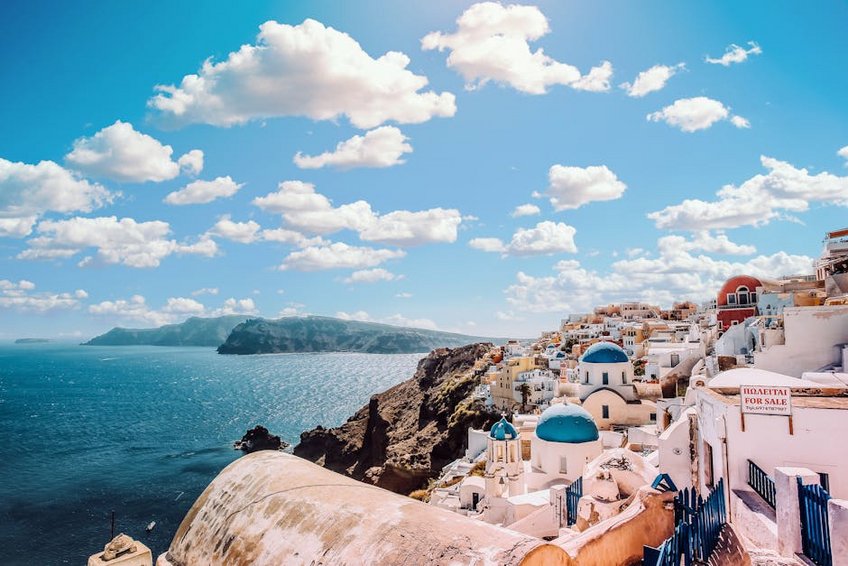
Santorini Greece February Quiet Period
Visiting Santorini during the February quiet period offers a uniquely authentic and serene experience, starkly different from the island’s bustling summer persona. You’ll discover an unspoiled Cycladic atmosphere where dramatic caldera views, white-washed villages, and winding cobblestone paths belong almost entirely to you and the locals. This guide details how to enjoy mild weather, significant savings, and genuine cultural immersion on your peaceful winter escape to Greece’s most iconic island.
Understanding Santorini’s Winter Season
Santorini transforms into a tranquil haven from late October through March, with February representing the heart of the quiet season. The island’s year-round population of about 15,000 residents goes about daily life, offering visitors a rare glimpse into authentic local culture beyond the tourism facade. Winter weather brings a mix of sunny days and occasional storms, creating powerful seas and breathtaking, moody landscapes perfect for photography.
Many shops, restaurants, and hotels in the most tourist-centric villages like Oia and Fira do close for renovation and rest. However, a solid selection of establishments remains open in Fira, the capital, as well as in larger villages like Pyrgos and Megalochori. This shift means your exploration naturally focuses on the island’s enduring character rather than its seasonal attractions, which is a compelling reason to visit.
Winter Climate and What to Expect
February brings Santorini’s coolest and wettest period, though “cool” is relative for the Mediterranean. Daytime highs average a comfortable 57°F (14°C), while nights can dip to a chilly 48°F (9°C). Rainfall averages around 2.5 inches (65mm) over approximately 7-8 days in the month, often arriving in short, intense bursts that clear to reveal brilliant sunshine. The infamous meltemi winds are absent, but brisk breezes are common, especially along the caldera edge.
Cultural and Seasonal Events
The winter calendar centers around religious observances and local traditions. February sometimes coincides with the Greek Orthodox celebration of Apokries, a festive pre-Lent period similar to Carnival. If dates align, you might witness small, local parades or special bakery treats. This season is also ideal for visiting museums and archaeological sites, like Ancient Thera or the Museum of Prehistoric Thera, without summer’s relentless heat and crowds.
Accessibility and Open Services
Essential services operate year-round, including the airport, major supermarkets, pharmacies, and public buses on limited schedules. Ferry connections to Athens’ Piraeus port continue, though with reduced frequency. Crucially, having a rental car becomes highly advisable for flexibility, as taxi availability drops and some village lanes feel wonderfully deserted. Confirm the operating status of specific restaurants or tours via social media before making a special trip.
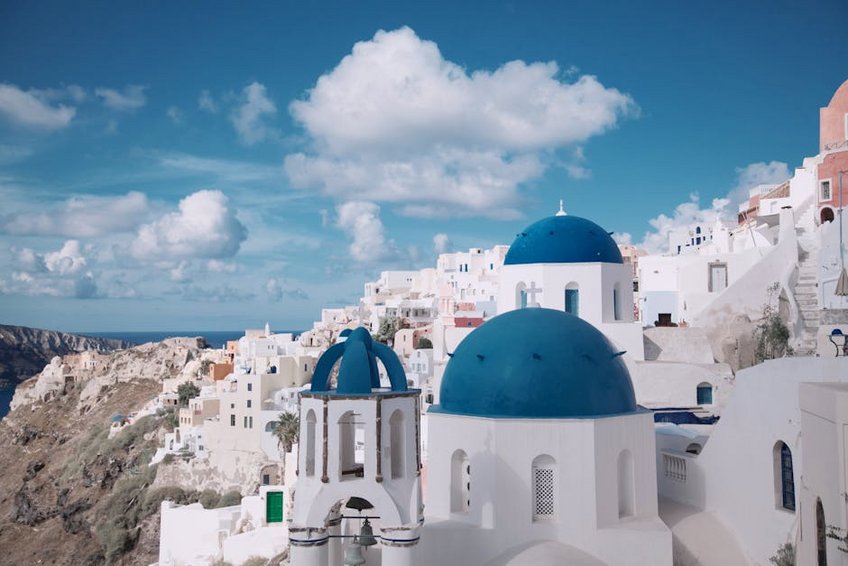
Alt: “santorini-caldera-winter-stormy-skies-oia-church”
Santorini Greece February Quiet Period – Planning Your Trip
Planning a winter visit requires a mindset shift from a typical Greek island holiday. Your itinerary will be shaped by the weather and available amenities, prioritizing relaxation and cultural discovery over beach time and nightlife. Embrace the slower pace and the opportunity to connect with the island’s landscape and residents without distraction. Packing versatile layers and waterproof gear is non-negotiable for comfort.
Budget advantages are substantial during this quiet period. You can secure a caldera-view suite in Oia or Imerovigli for a fraction of its summer cost, sometimes up to 70% less. Dining costs also decrease, with many open tavernas offering hearty, traditional dishes at local prices. The primary trade-off is that some famous “instagrammable” spots may be under renovation, but you gain empty streets and unobstructed views.
Best Time to Visit Within February
The latter half of February often provides better weather odds than the first half, with slightly more stable conditions as the month transitions toward early spring. Aim for the last two weeks to maximize your chances of sunny, explorable days. Temperatures remain consistent, but the likelihood of prolonged rainy periods decreases. Visiting just outside peak season means you avoid any early March price bumps that can occur around Greek Independence Day on the 25th.
Budget Planning and Costs
Your daily budget stretches significantly further in February. Here is a breakdown for different travel styles.
- Budget Traveler ($70-100/day): Stay in a simple studio in Fira or Kamari ($40-60/night), use public buses, eat at local grill houses (souvlaki for $3-5), and enjoy free hiking. This budget allows for one paid attraction or museum visit every other day.
- Mid-Range Traveler ($150-250/day): Book a boutique hotel with a caldera view ($80-150/night), rent a small car for flexibility ($25-35/day), enjoy sit-down taverna meals with wine ($40-60 for two), and take a guided wine tasting tour. This offers an excellent balance of comfort and experience.
- Luxury Traveler ($350+/day): Reserve a premium suite with a private heated pool or hot tub in Imerovigli ($200-300/night), enjoy fine dining at open Michelin-starred restaurants like Selene, hire a private guide for a history tour, and arrange a custom sailing excursion if weather permits.
- Municipality of Thira (Santorini) Official Website
- Greek National Tourism Organization
Essential Preparation Checklist
Packing correctly is crucial for a comfortable winter island visit. Bring waterproof hiking shoes or boots with good grip for wet cobblestones, a packable down jacket, thermal layers, a sturdy umbrella, and a wind-resistant coat. For electronics, include a power adapter for Type C/F outlets (220V) and portable chargers, as you may be outdoors exploring all day.
Logistically, ensure your passport is valid for at least three months beyond your departure date from the Schengen Area. While travel insurance is always wise, it’s particularly valuable for winter trips to cover potential flight delays due to weather. Book your initial accommodation in advance, but you can often arrange a rental car upon arrival for the best local rates.
Experiencing Santorini’s Winter Beauty
The island’s dramatic geology takes center stage in winter. Storm clouds create breathtaking backdrops for the white architecture, and the lack of foliage offers clearer views of the volcanic terrain. Hiking the famous trail from Fira to Oia becomes a bracing, invigorating adventure with ever-changing skies. You’ll have iconic viewpoints, like the Oia castle sunset spot, virtually to yourself, a priceless experience compared to the summer scramble.
Indoor activities gain appeal. This is the perfect time to delve into the island’s volcanic wine culture. Many wineries, such as Santo Wines or Venetsanos, remain open for tastings of distinctive Assyrtiko and Vinsanto wines by a warm fireplace. Similarly, visiting the archaeological site of Akrotiri, a Minoan settlement preserved in volcanic ash, is far more pleasant without the high-season heat and crowds.
Must-See Highlights in the Quiet Season
Fira’s central location and full-time resident population make it the most lively hub. Explore its labyrinthine streets, visit the Orthodox Metropolitan Cathedral, and browse open shops selling local art. The nearby village of Pyrgos, with its medieval castle ruins atop the island’s highest point, offers stunning 360-degree views and a handful of excellent year-round tavernas nestled in its quiet lanes.
For a taste of traditional island life, visit Megalochori. This village features beautiful old mansions, winding pathways, and a peaceful square. The volcanic beaches, like Perissa or Kamari with their black sand, are dramatic to see under winter skies, even if swimming is off the table. The stark contrast of the dark sand against the moody sea is a powerful photographic subject.
Hidden Gems and Local Favorites
Venture to the less-visited inland village of Emporio, known for its well-preserved medieval castle (kastro) and maze-like streets. It feels entirely untouched by modern tourism in winter. The Monastery of Profitis Ilias, near Pyrgos, is usually open and provides not only a spiritual retreat but also another exceptional vantage point. For a unique experience, visit the Tomato Industrial Museum in Vlychada, celebrating the island’s agricultural history, a quiet and educational stop.
Seek out the local bakeries (fournos) that are always open. They are the heart of winter community life, where you can warm up with a fresh cheese pie (tiropita) or a sweet semolina cake (ravani). Engaging with shop owners and restaurateurs is easier; they have more time to share stories about the island’s history and their family’s connection to it.
Photography and Landscape Appreciation
The winter light on Santorini is a photographer’s dream. The low sun angle creates long shadows and highlights the texture of the architecture and landscape. Storm fronts rolling over the caldera create dynamic, powerful scenes. Since the famous blue-domed churches are often under maintenance, your photographic narrative will focus more on raw landscape, atmospheric conditions, and candid glimpses of local life, resulting in a more unique portfolio.
Practical Travel and Accommodation Information
Navigating Santorini in February requires understanding its scaled-back operations. The international airport (JTR) remains open with direct flights from Athens and several European cities, though frequencies are reduced. Upon arrival, your pre-booked rental car or a rare taxi will be your best bet to reach your hotel. Public buses connect Fira with major villages like Oia, Kamari, and Perissa, but they run on a limited winter schedule, so always check the latest timetables.
Choosing where to stay depends on your priorities. Fira offers the most conveniences—open restaurants, shops, and supermarkets—making it the most practical base. Imerovigli provides stunning caldera views and serene walks but with fewer immediate amenities. Opting for a hotel with an on-site restaurant is a wise move to ensure easy dining options, especially on quieter evenings.
| Accommodation Area | Winter Advantages & Features | Price Range Per Night (USD) |
|---|---|---|
| Fira (Capital) | Maximum open services, bus hub, central location, some nightlife | $50 – $200 |
| Imerovigli | Spectacular quiet caldera views, luxury hotels with fireplaces, scenic hiking trail access | $80 – $300 |
| Pyrgos | Authentic village atmosphere, panoramic views, a few excellent tavernas | $40 – $150 |
| Kamari (Beach) | Seafront promenade with open eateries, easier flat terrain, airport proximity | $35 – $120 |