

Safety Tips for Solo Travelers: Your Essential Guide to Confident Exploration
Embarking on a journey alone is one of the most empowering and rewarding experiences a person can have. Your solo travel adventure offers unparalleled freedom to set your own pace and follow your personal interests, creating a trip that is uniquely yours. However, traveling by yourself also means taking full responsibility for your own safety and well-being, which requires thoughtful planning and situational awareness. This guide provides practical, tested strategies to manage risks and build confidence for a secure and memorable independent journey.
Essential Solo Traveler Information
Solo travel has surged in popularity, with millions of people now choosing to explore the world independently each year. This style of journey appeals to those seeking self-discovery, complete itinerary control, and the opportunity to meet new people on their own terms. Understanding the fundamental principles of independent travel is the first step toward a safe and enjoyable experience.
Traveling alone does not mean you must be isolated. Many destinations have thriving communities of solo explorers. Hostels often organize social events, and group tours for single travelers are widely available. The key is balancing your desire for independence with smart precautions. Your safety as an individual traveler hinges on preparation, intuition, and common sense applied consistently throughout your trip.
The Solo Traveler Mindset
Cultivating the right mindset is your most important safety tool. Confidence, awareness, and adaptability will serve you better than any gadget. This mental preparation begins long before you board your flight.
- Trust your intuition absolutely. If a person, place, or situation feels wrong, remove yourself immediately without worrying about being polite.
- Embrace a problem-solving attitude. View minor setbacks as part of the adventure and an opportunity to learn, reducing travel stress significantly.
- Practice situational awareness. This means consciously noting exits in buildings, observing local behavior patterns, and keeping a mental map of your surroundings at all times.
- Budget Safety: ($50-80/day) Prioritize secure hostel dorms with lockers, comprehensive travel insurance ($40-100 for 2 weeks), and reliable local SIM cards for navigation. Use public transport during daylight and always keep emergency cash separate.
- Mid-Range Security: ($100-200/day) Book private rooms in centrally-located, well-reviewed hotels or guesthouses. Budget for reputable taxi services after dark, organized day tours for remote areas, and better-quality luggage with pick-resistant zippers.
- Luxury Protection: ($250+/day) Opt for high-end hotels with concierge services and in-room safes. Hire private guides for specific excursions. Consider emergency evacuation membership (like Medjet) and use verified car services for all transportation needs.
- U.S. Department of State – Bureau of Consular Affairs
- Lonely Planet Solo Travel Resources
Key Pre-Departure Research Areas
Thorough research is non-negotiable for solo travel safety. Start by investigating your destination’s safety profile through official government travel advisories. The U.S. State Department or U.K. Foreign Office websites provide current, region-specific risk assessments. Cross-reference this with recent travel blogs and forums for on-the-ground perspectives from other independent explorers.
Additionally, research local customs and dress codes to avoid unwanted attention. Understand common scams targeting tourists in your chosen location. Learn basic phrases in the local language, especially for help, directions, and emergencies. This groundwork transforms you from a vulnerable tourist into a prepared and respectful visitor.
Document Security and Digital Backups
Losing your passport or phone while alone abroad is a high-stress scenario. Mitigate this risk through a systematic backup strategy. Photograph or scan your passport, visa, driver’s license, travel insurance policy, and credit cards. Store these digital copies in a secure cloud service like Google Drive or Dropbox, which you can access from any device.
Carry physical photocopies separately from the originals. Consider using a money belt or hidden pouch for your primary passport and cash. Never carry all your money, cards, or identification in one place. Email your itinerary and accommodation details to a trusted contact back home as an additional backup measure.
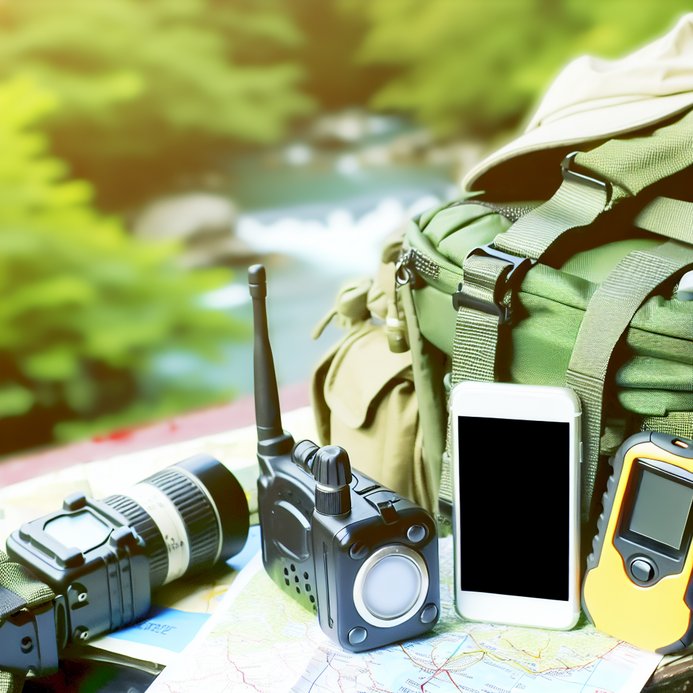
Alt: “solo-female-traveler-map-backpack-city-street”
Solo Travelers – Planning Your Secure Journey
Strategic planning forms the bedrock of safe solo travel. Your itinerary should balance adventure with practicality, building in flexibility for unexpected discoveries or necessary changes. Begin by choosing destinations known for being welcoming to independent visitors. Countries with good tourism infrastructure, reliable public transport, and lower crime rates often make ideal starting points for first-time solo adventurers.
When booking, prioritize accommodations with 24-hour reception and secure locks. Read recent reviews from other solo travelers for genuine safety insights. Schedule your arrival for daylight hours whenever possible, simplifying navigation from airport to lodging. Plan your first few days in detail, including transportation options and backup plans, to reduce initial stress in a new environment.
Best Time to Visit for Solo Exploration
Shoulder seasons—typically April to June and September to October in many regions—offer optimal conditions for independent travel. Temperatures range from a comfortable 60-75°F (15-24°C), crowds are manageable, and accommodation prices are lower than peak season. These periods provide a more relaxed atmosphere for navigating alone and meeting fellow travelers.
Peak summer months (July-August) bring larger crowds and higher prices but also maximize daylight hours and social opportunities. Winter travel (November-March) can be rewarding for solo visitors seeking solitude, but requires careful planning for shorter days and potential weather disruptions. Your choice should align with your comfort level and primary trip goals.
Budget Planning and Safety Considerations
Allocate your funds with security in mind. A slightly higher budget for safety-critical items is a wise investment for peace of mind.
Essential Solo Travel Safety Checklist
Pack with purpose, focusing on items that enhance your security and self-reliance. A portable door lock or doorstop alarm provides added security in any accommodation. A power bank ensures your phone never dies while navigating. Carry a basic first-aid kit and any personal medications with copies of prescriptions.
Documentation preparation is crucial. Ensure your passport has at least six months’ validity beyond your return date. Purchase travel insurance that specifically covers solo travel and includes medical evacuation. Register your trip with your country’s embassy or STEP program. Share your detailed itinerary and accommodation contacts with at least two people at home.
Top Safety Strategies and Daily Protocols
Implementing consistent daily habits dramatically reduces risks during independent travel. Start each day by checking local news for any disruptions or safety alerts in your area. Plan your route before leaving your accommodation, noting safe spaces like police stations, reputable cafes, or your embassy along the way. Avoid appearing lost by checking maps discreetly inside shops rather than on street corners.
At night, adjust your routines significantly. Choose well-lit, populated routes even if longer. Keep someone informed of your evening plans, whether it’s your hostel receptionist or a friend back home via message. Limit alcohol consumption to maintain clear judgment. Your evening safety strategy should be as routine as brushing your teeth.
Must-Do Secure Communication Practices
Maintain regular communication check-ins without becoming tethered to your device. Schedule a daily message to a contact back home, perhaps when having your morning coffee. Use apps like WhatsApp or Telegram over public Wi-Fi for free communication. Consider sharing your live location temporarily with a trusted person if venturing on a hike or remote excursion.
For navigating, download offline maps (Google Maps, Maps.me) for your entire destination before arrival. This allows GPS navigation without cellular data. Save important local numbers—your accommodation, local emergency services, taxi companies, and your embassy—directly into your phone’s contacts. A small local phrasebook or translation app can also help bridge language gaps in sensitive situations.
Transportation Safety for Independent Travelers
Transportation presents unique challenges when traveling alone. For taxis, always use officially licensed services. Have your accommodation call a taxi for you, or use a verified app like Uber or Grab where available. Before getting in, note the license plate and share it with someone. Sit in the back seat and follow your route on your own map.
On public transit, stay alert, especially during crowded rush hours when pickpockets operate. Keep your bag in front of you. Avoid empty train carriages late at night. For long bus or train journeys, keep valuables on your person, not in overhead storage. When renting vehicles, thoroughly inspect for existing damage and understand local driving laws and potential hazards.
Socializing and Meeting People Safely
One of the joys of solo travel is meeting new people, but it requires caution. Choose public meeting places for initial encounters with other travelers or locals you meet. Hostel common rooms, group tours, or cooking classes provide natural, supervised environments. Be cautious about sharing too many personal details or your specific accommodation location early on.
When invited somewhere, trust your gut feeling. It’s perfectly acceptable to decline an invitation politely. If you do accept, ensure someone knows where you’re going and with whom. Avoid leaving your drink unattended in social settings. Remember that genuine connections develop over time—there’s no need to rush intimacy or share private information prematurely.
Practical Safety and Accommodation Information
Your choice of lodging significantly impacts your overall security while traveling independently. Prioritize properties with positive reviews from other solo travelers, which often mention specific safety features. Location is paramount; staying in a central, well-lit neighborhood with easy access to public transport reduces risks associated with long walks at odd hours.
Once at your accommodation, take basic security measures regardless of the price point. Use all provided locks, including deadbolts and chain locks. Check window locks on ground floors. Utilize in-room safes for passports and extra cash. Familiarize yourself with fire exits upon arrival. A simple rubber doorstop can provide additional peace of mind by preventing unwanted entry while you sleep.
| Accommodation Type | Safety Features & Considerations | Average Price/Night (USD) |
|---|---|---|
| Hostel (Private Room) | 24-hour reception, lockers, social atmosphere for meeting travelers, often in central locations | $25-60 |
| Boutique Hotel/Guesthouse | Secure entry, in-room safe, staff often provide personalized local safety advice | $70-150 |
| Vacation Rental (Apartment) | Full privacy, requires vetting neighborhood safety independently, check for secure building entry | $50-200 |
| High-End Hotel | Concierge security, in-room safes, often safer neighborhoods, taxi services | $150-400+ |


