Rwanda Lake Kivu Islands: Serene Island Hopping Adventures
Exploring the Rwanda Lake Kivu Islands offers a unique blend of tranquil waters, lush landscapes, and rich cultural encounters in East Africa’s Great Rift Valley. These volcanic islands provide exceptional birdwatching opportunities, traditional fishing village visits, and breathtaking sunset views over one of Africa’s safest freshwater lakes. This guide covers essential planning tips, top island destinations, accommodation options, and cultural insights for your Rwandan archipelago adventure.
Essential Lake Kivu Islands Information
Lake Kivu spans the border between Rwanda and the Democratic Republic of Congo, featuring numerous islands formed by volcanic activity over centuries. The lake’s unique methane-rich waters and surrounding hills create a stunning backdrop for island exploration, with elevations ranging from 1,460 meters above sea level. Rwanda’s portion of Lake Kivu includes approximately ten significant islands, each offering distinct experiences from wildlife viewing to cultural immersion.
Geographical Overview and Location
Lake Kivu measures 2,700 square kilometers total, with Rwanda claiming the eastern portion containing most accessible islands. Napoleon Island stands as the largest at 40 hectares, followed by Amahoro Island at 15 hectares, both located within easy boat access from Rubavu (Gisenyi). The lake’s maximum depth reaches 480 meters, creating unique microclimates that support diverse bird species and aquatic life.
Climate Patterns and Weather Conditions
Lake Kivu experiences a tropical highland climate with consistent temperatures year-round. Daytime temperatures range from 70-80°F (21-27°C) while nights cool to 60-65°F (16-18°C), creating comfortable exploration conditions. The region has two dry seasons from June to September and December to February, offering optimal visibility and calmer waters for island hopping.
- Bring lightweight clothing with layers for changing conditions, including rain jackets during wet months from March to May and October to November.
- Pack sun protection with high SPF sunscreen and wide-brimmed hats since equatorial sun exposure remains intense even on overcast days.
- Carry waterproof bags for electronics and important documents during boat transfers between islands, especially during afternoon showers.
- Budget travelers spending $50-70 daily can utilize guesthouses at $20-35 nightly, local restaurants serving $5-10 meals, and public boat transportation between islands. Focus on self-guided hiking and village visits to minimize tour costs while maximizing cultural experiences.
- Mid-range visitors allocating $100-150 daily will find comfortable hotels at $60-90 nightly, quality restaurants with $15-25 meals, and private boat tours at $40-60 per person. This budget allows for guided birdwatching excursions and cultural performances with professional guides.
- Luxury experiences costing $200-350 daily include boutique lodges at $120-200 nightly, fine dining at $30-50 per meal, and exclusive private boat charters at $150-300 daily. Premium packages often include spa treatments, gourmet picnic setups on remote islands, and personalized photography sessions.
- Rwanda Development Board – Lake Kivu
- Lonely Planet – Lake Kivu Travel Guide
Historical and Cultural Significance
Lake Kivu’s islands hold deep cultural importance for Rwandan communities, serving as historical fishing grounds and spiritual sites for generations. Local legends speak of ancient kings using the islands for meditation and strategic planning during regional conflicts. Today, fishing communities maintain traditional practices while welcoming visitors to learn about their sustainable fishing techniques and daily life.
Traditional dance performances often occur on larger islands, showcasing Intore warrior dances and cultural storytelling. Visitors should respectfully ask permission before photographing local residents or their properties. Learning basic Kinyarwanda greetings like “Muraho” (hello) demonstrates cultural appreciation.
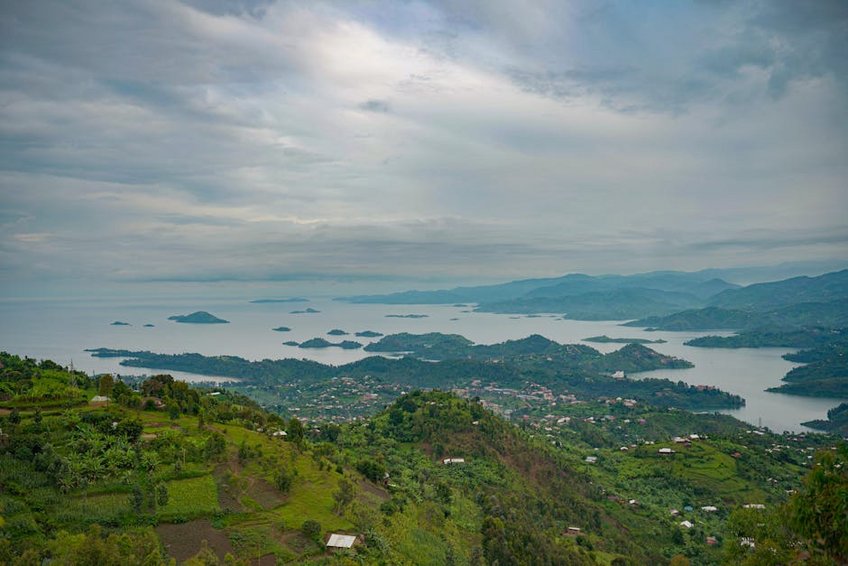
Alt: “lake-kivu-islands-aerial-view-volcanic-landscape”
Planning Your Rwanda Lake Kivu Islands Trip
Organizing your Rwanda Lake Kivu Islands adventure requires careful consideration of seasonal patterns, transportation logistics, and activity preferences. The dry seasons from June to September and December to February provide ideal conditions with minimal rainfall and calm lake waters. You’ll need approximately 3-5 days to fully experience multiple islands while allowing time for spontaneous discoveries and cultural interactions.
Budget-conscious travelers can manage with $50-70 daily while mid-range visitors should plan $100-150 per day including guided tours. Luxury experiences including private boat charters and premium accommodations range from $200-350 daily. Rwanda’s visa-on-arrival policy for most Western passport holders simplifies entry procedures with 30-day permits available at Kigali International Airport.
Best Time to Visit Lake Kivu Islands
Visit between June and September for peak dry conditions with average temperatures of 75°F (24°C) and minimal rainfall under 2 inches monthly. These months offer excellent photography conditions with clear skies and vibrant green landscapes following the rainy season. December through February provides similar dry conditions though slightly warmer at 78°F (26°C) average with increased tourist numbers.
Shoulder months like October and May present good value with occasional brief showers that rarely disrupt island activities. The wet season from March to April sees heavier rainfall up to 6 inches monthly but offers lush vegetation and fewer visitors. Morning tours typically provide calmer waters regardless of season.
Budget Planning and Costs
Your Rwanda Lake Kivu Islands budget varies significantly based on accommodation style, dining preferences, and guided activity selection. Transportation costs include boat transfers between islands starting at $25 per person for group tours.
Essential Preparation Checklist
Pack quick-dry clothing, sturdy walking shoes, and swimwear for changing conditions during island explorations. Bring binoculars for birdwatching, waterproof phone cases, and portable power banks since electricity availability varies across islands. Essential documents include your passport with at least six months validity, yellow fever vaccination certificate, and comprehensive travel insurance covering water activities.
Book accommodations 2-3 months in advance for peak season visits between June and September when availability becomes limited. Arrange boat transfers through reputable operators like Kivu Belt or Amahoro Tours for guaranteed safety standards. Download offline maps and translation apps since internet connectivity decreases further from mainland areas.
Top Island Attractions and Activities
Lake Kivu’s archipelago features diverse islands each offering unique experiences from wildlife encounters to cultural immersion. Napoleon Island (Ishywa) stands as the largest with dramatic cliffs and massive fruit bat colonies visible at dusk. Amahoro Island provides peaceful beaches and traditional fishing demonstrations while Nkombo Island offers authentic village homestays and craft workshops.
Boat tours typically depart from Rubavu (Gisenyi) or Karongi ports with multiple stopping points across 3-5 islands during full-day excursions. Kayaking adventures allow closer shoreline exploration with opportunities to spot otters, kingfishers, and occasional hippos in protected bays. Evening cultural performances on selected islands showcase traditional dances and local cuisine tastings.
Must-See Island Highlights
Napoleon Island demands attention for its spectacular fruit bat colony numbering over 100,000 individuals, creating unforgettable sunset viewing as they depart for nightly feeding. Guided hikes around the island’s perimeter reveal hidden coves and excellent fishing spots favored by local anglers. Visit between 4-6 PM for optimal bat viewing before returning to mainland accommodations.
Amahoro Island translates to “Peace Island” and lives up to its name with serene beaches perfect for swimming and picnicking. The island’s fishing community demonstrates traditional net-mending techniques and offers freshly caught tilapia cooked over open fires. Arrive early morning to observe daily fish auctions where local restaurants bid on the day’s catch.
Nkombo Island provides authentic cultural experiences through village homestays starting at $25 nightly including meals. Visitors participate in basket weaving workshops using local materials and learn traditional fishing methods from community elders. The island’s primary school often welcomes visitor interactions during scheduled classroom visits.
Hidden Gems and Local Favorites
Mushroom Island remains lesser-known among international visitors despite its fascinating rock formations resembling giant fungi. Local fishermen occasionally offer spontaneous tours to this small island when weather permits, providing intimate snorkeling opportunities in crystal-clear waters. Bring your own snorkel gear and negotiate prices directly with boat operators at Karongi port.
Community-run coffee plantations on several smaller islands welcome visitors for tasting sessions and processing demonstrations. These sustainable projects support local schools while producing high-quality Arabica beans unique to Lake Kivu’s microclimate. Purchase directly from farmers at $8-12 per bag compared to $15-20 in Kigali shops.
Water Sports and Adventure Activities
Kayaking tours navigate between closer islands with rental rates starting at $15 for half-day equipment use. Paddling routes typically cover 3-5 kilometers between islands with guides pointing out bird nesting areas and optimal swimming spots. Sunset kayaking excursions provide magical views as daylight fades behind volcanic hills.
Fishing enthusiasts can join local anglers for traditional line fishing experiences costing $20-40 including equipment and guidance. Catches often include tilapia, sambaza sardines, and occasional Nile perch depending on season and location. Most fishing trips include cooking your catch lakeside with traditional Rwandan spices.
Practical Travel Information
Reaching Lake Kivu Islands begins with flights into Kigali International Airport (KGL), followed by 3-4 hour drives to lakeside towns. Rubavu (Gisenyi) offers the most developed tourism infrastructure while Karongi provides quieter alternatives with equal island access. Boat transfers operate from multiple ports with scheduled departures mornings and afternoons.
Accommodation ranges from basic guesthouses to luxury eco-lodges, all requiring advance reservations during peak seasons. Dining options emphasize fresh lake fish, tropical fruits, and Rwandan staples like ibitoke (plantains) and isombe (cassava leaves). Most establishments accept credit cards though carrying Rwandan francs remains essential for local markets and spontaneous purchases.
| Category | Options/Features | Price Range (USD) |
|---|---|---|
| Budget Accommodation | Guesthouses with shared bathrooms, basic amenities, village locations | $20-35 nightly |
| Mid-Range Hotels | Private bathrooms, lake views, restaurant access, tour booking | $60-90 nightly |
| Luxury Lodges | Infinity pools, spa services, private beaches, gourmet dining | $120-200 nightly |
| Boat Transfers | Group tours, private charters, scheduled departures, safety equipment | $25-150 per person |