Riga Travel Guide: Explore Latvia’s Historic Capital
Discovering Riga offers a compelling journey through over eight centuries of history, showcased in its UNESCO-listed Old Town and vibrant Art Nouveau district. Your trip reveals a dynamic city where medieval spires meet a bustling modern cultural scene, all within a compact and walkable center. This Riga travel guide provides the essential details on attractions, logistics, and local secrets to plan your visit to the Baltic gem effectively.
Essential Riga Information
Riga, Latvia’s capital, is the largest city in the Baltics and a pivotal cultural and economic hub. Founded in 1201, its strategic port location shaped a rich Hanseatic legacy visible in its architecture today. The city seamlessly blends its historic core with green parks and a dynamic contemporary arts scene.
The official language is Latvian, though English is widely spoken in tourist areas, hotels, and restaurants. The local currency is the Euro (€), and credit cards are accepted almost universally. Latvia is part of the Schengen Area, allowing easy borderless travel for EU and Schengen passport holders.
Riga experiences a humid continental climate with distinct seasons, each offering a different travel experience. Summers are mild and pleasant, while winters are cold and snowy, transforming the city into a festive wonderland. Spring and autumn provide cooler temperatures and fewer crowds, ideal for exploration.
Key Facts and Figures
Understanding a few core facts helps frame your visit to this Northern European capital.
- Population: Approximately 620,000 people, making it a manageable capital city to navigate on foot or by excellent public transport.
- Time Zone: Eastern European Time (EET, UTC+2); observes daylight saving time (EEST, UTC+3) from late March to late October.
- Tourist Focus: The city is divided into key areas: the medieval Old Town (Vecrīga), the Central District known for Art Nouveau, and the Moscow District with its unique wooden architecture.
- Budget travelers can manage on $50-70 USD per day by staying in hostels ($15-25/night), eating at self-service cafeterians or street food stalls, using public transport, and focusing on free walking tours and park visits.
- Mid-range visitors should budget $100-150 USD daily for a comfortable hotel or apartment ($70-100/night), meals at good local restaurants, museum entries, and occasional taxi rides. This tier offers the best value for comfort and experience.
- A luxury daily budget of $250+ USD covers five-star hotels, fine dining at top restaurants like Vincents, private guided tours, and premium cultural performances at the Latvian National Opera.
- Live Riga Official Tourism Portal
- Lonely Planet Riga Guide
Historical and Cultural Context
Riga’s history is a tapestry of foreign influence and national resilience. German Teutonic Knights established the city, leading to centuries of Germanic cultural and architectural dominance. This period cemented Riga’s role as a major Hanseatic League trading port.
The 20th century brought profound change with independence, Soviet occupation, and finally, restored sovereignty in 1991. This complex history is palpable at sites like the Occupation Museum and the Freedom Monument. Today, the city proudly celebrates its Latvian identity through song, dance, and vibrant national holidays.
Visa and Entry Requirements
Latvia is a member of the European Union and the Schengen Area. U.S., Canadian, U.K., and Australian citizens do not need a visa for tourist stays of up to 90 days within any 180-day period. Your passport must be valid for at least three months beyond your planned departure date from the Schengen Area.
Always check the latest entry requirements with official sources before booking your trip. Non-Schengen nationals should ensure their passport receives an entry stamp upon arrival. Travel insurance with medical coverage is highly recommended for all visitors.
Alt: “riga-old-town-cobblestone-streets-historic-buildings”
Riga Travel Guide – Planning Your Trip
Effective planning maximizes your time in Latvia’s capital, balancing iconic sights with local immersion. A three to four-day itinerary typically covers the major districts, museums, and culinary highlights at a comfortable pace. Your planning should account for seasonal weather, event calendars, and advance bookings for popular attractions.
Budget-conscious travelers will find excellent hostels and affordable eateries, while luxury seekers can indulge in five-star hotels and fine dining. Public transportation is efficient and inexpensive, but the central area is best explored on foot. Purchasing a Riga Card can offer significant savings on museums and transport.
Remember to pack layers, as weather can shift quickly, and comfortable walking shoes are non-negotiable for the cobblestone streets. Booking accommodations in or near the Old Town provides the most convenient base for first-time visitors. This section details the key components for crafting your perfect Latvian getaway.
Best Time to Visit Riga
The ideal time for a Riga visit depends heavily on your preferred activities and tolerance for weather. Summer (June to August) offers long days, average highs of 68-72°F (20-22°C), and a full calendar of festivals and outdoor events. This is the peak tourist season, so expect larger crowds and higher accommodation prices, requiring bookings several months in advance.
For a magical winter experience, visit between December and February when Christmas markets sparkle and snow blankets the city, with temperatures averaging 23-32°F (-5 to 0°C). The shoulder seasons of May and September provide milder weather, fewer tourists, and lower prices, making them excellent choices for sightseeing. Late spring brings blooming parks, while early autumn offers beautiful golden foliage.
Budget Planning and Costs
Riga is generally an affordable European capital, with costs varying significantly based on travel style.
Essential Preparation Checklist
Prepare for variable Baltic weather by packing a waterproof jacket, warm layers (even in summer), a scarf, and sturdy, comfortable shoes. A universal power adapter (Type C/F, 230V) is required for charging devices. Bring a reusable water bottle, as tap water in Riga is safe to drink.
Ensure your passport is valid and you have printed or digital copies of hotel reservations and travel insurance. Download the ‘Riga Public Transport’ app and an offline map. Learn a few basic Latvian phrases like ‘Paldies’ (Thank you) and ‘Sveiki’ (Hello) for a more engaging local interaction.
Top Attractions and Activities in Riga
Riga’s allure lies in its architectural diversity and rich cultural offerings, all within a compact area. The city’s heart is the UNESCO World Heritage-listed Old Town, a maze of cobbled streets lined with medieval churches and merchant houses. Beyond this, the Central District boasts the world’s finest collection of Art Nouveau buildings, a spectacle from the early 20th century.
Visitors can ascend church towers for panoramic views, explore poignant museums detailing Latvia’s complex past, or simply enjoy the atmosphere in one of many charming squares. The city also serves as a gateway to the scenic beaches of Jūrmala, just a short train ride away. Balancing iconic sights with quieter neighborhood explorations provides the most complete experience.
Must-See Historic Highlights
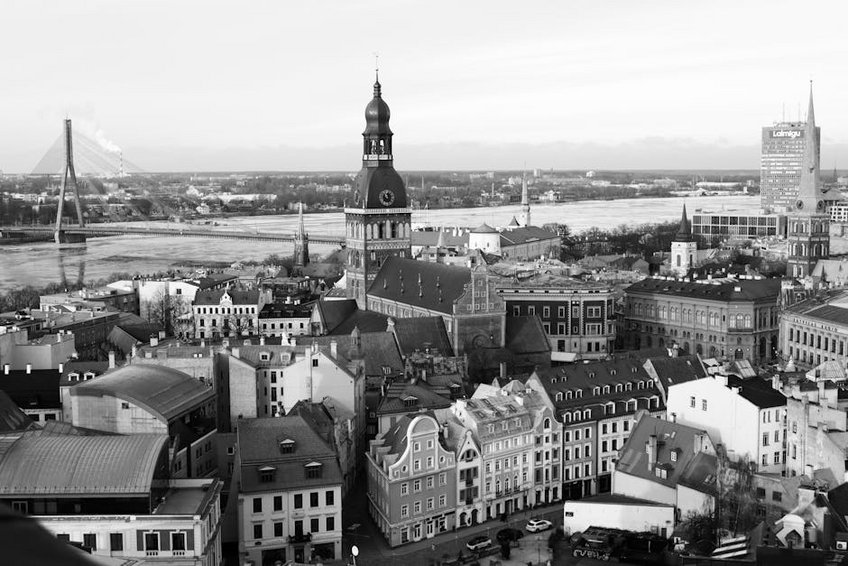
Begin at the House of the Blackheads, a meticulously reconstructed Gothic building on Town Hall Square that symbolizes the city’s Hanseatic wealth. Nearby, St. Peter’s Church offers the best panoramic view of the city’s red roofs and the Daugava River from its 72-meter-high observation platform. The Riga Cathedral, with its massive organ, is another architectural anchor not to be missed.
The Freedom Monument, standing tall at the edge of the Old Town, is a powerful national symbol. The Three Brothers, a trio of medieval dwelling houses, illustrate the evolution of local residential architecture. Each site tells a distinct chapter of the city’s long and layered story, easily visited on a self-guided walking tour.
Art Nouveau Architecture and Local Gems
Albert Street and the surrounding streets in the Centrs district are an open-air museum of Art Nouveau, with over 800 elaborate facades. Look for ornate sculptures, mythical figures, and floral motifs adorning the buildings, particularly at Alberta iela 12 and 13. The Riga Art Nouveau Museum, located in the former apartment of architect Konstantīns Pēkšēns, offers a glimpse into the period’s interior design.
For a local favorite, visit the quiet and artistic Miera iela (Peace Street) in the Moscow District, packed with unique boutiques, craft beer bars, and artisan cafes. The Latvian Ethnographic Open-Air Museum, located just outside the city center, transports you to rural 18th-century Latvia with its collection of historic wooden buildings. These spots provide a break from the main tourist trails.
Museums and Cultural Experiences
The Latvian National Museum of Art houses the country’s most important collection of fine art, spanning from the 18th century to modern times. For a sobering look at 20th-century history, the Museum of the Occupation of Latvia details the periods of Nazi and Soviet rule. Both museums offer profound insights into the national psyche and artistic expression.
To experience living culture, check the schedule at the Latvian National Opera and Ballet for world-class performances at very accessible prices. The Central Market, housed in repurposed Zeppelin hangars, is a vibrant sensory experience and a UNESCO site itself. Evening entertainment often includes live folk music in taverns or contemporary DJ sets in the city’s stylish bars.
Practical Travel Information for Riga
Navigating Riga is straightforward thanks to its compact size and efficient infrastructure. The international airport (RIX) is well-connected to major European hubs, and the central train and bus stations link the city to other Baltic capitals and beyond. Once in the city center, most key attractions are within a 30-minute walk of each other.
Accommodation options range from historic hotels in ancient buildings to modern design hotels and affordable hostels. The Old Town offers the most atmospheric stay, while areas just outside provide better value and quieter nights. Booking platforms like Booking.com and Airbnb are widely used, with prices fluctuating significantly by season.
| Accommodation Type | Best For & Location | Average Price Range (USD/Night) |
|---|---|---|
| Hostel / Budget Hotel | Solo travelers & backpackers; near Central Station or Old Town fringe | $15 – $45 |
| Mid-Range Hotel / Apartment | Couples & families; Centrs district or quiet Old Town streets | $70 – $140 |
| Boutique / Design Hotel | Style-focused travelers; Art Nouveau district or upscale Old Town | $120 – $220 |
| Luxury / Historic Hotel | Splurge & special occasions; prime Old Town locations with full service | $200+ |