Hiking Réunion Piton de la Fournaise Volcano: An Active Adventure
Exploring Réunion Piton de la Fournaise Volcano offers one of Earth’s most accessible active volcanic experiences with regular eruptions visible from safe viewpoints. This Indian Ocean destination combines dramatic landscapes with French-Creole culture across Réunion Island’s UNESCO-listed national park. Our guide covers essential planning, eruption viewing tips, and cultural insights for your volcanic adventure.
Essential Volcano Information
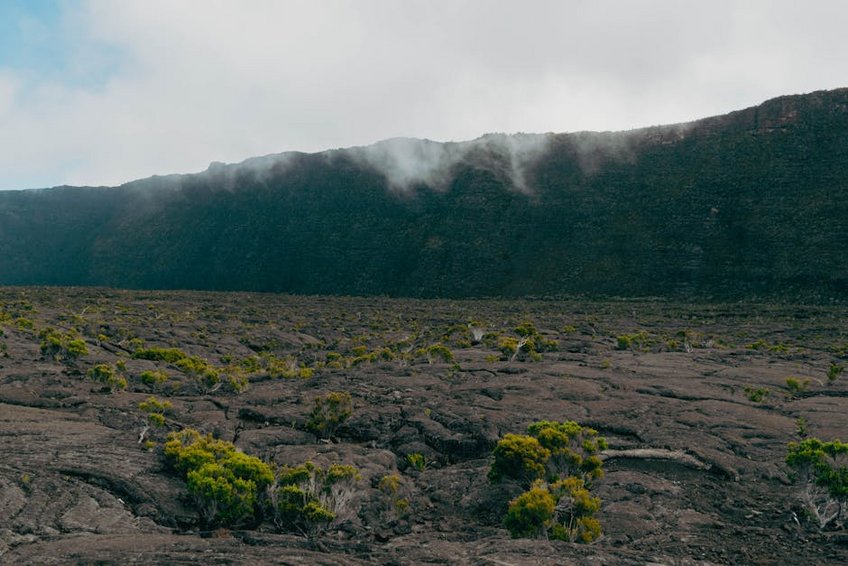
Piton de la Fournaise ranks among the world’s most active volcanoes with average eruption cycles every nine months since 1640. Located in Réunion’s southeast, this shield volcano features four main craters and extensive lava fields covering 30% of the island. The volcanic terrain spans 263 square kilometers within Réunion National Park’s protected area.
French scientific monitoring through the Piton de la Fournaise Volcano Observatory provides real-time eruption alerts and safety updates. Volcanic activity typically produces effusive lava flows rather than explosive eruptions, creating relatively safe viewing conditions. Visitors access the volcano through designated trails and viewpoints maintained by park authorities.
What You Need to Know Before Visiting
Prepare for changing conditions at this dynamic natural site.
- Check eruption status via the observatory’s website and pack emergency supplies including N95 masks for ash exposure.
- Wear sturdy hiking boots with ankle support and carry multiple water bottles since temperatures reach 86°F (30°C) at lower elevations.
- Reserve guided tours months ahead for eruption periods when visitor numbers surge dramatically at this popular destination.
- Budget travelers spend $800-$1,200 weekly using hostel dorms, public transport where available, and self-catering while prioritizing free hiking trails and viewpoints.
- Mid-range visitors allocate $1,500-$2,500 for comfortable hotels, rental cars, guided day tours, and restaurant meals combining volcanic exploration with beach relaxation.
- Luxury experiences cost $3,000+ featuring boutique lodges, private guides, helicopter overflights during eruptions, and gourmet dining across the island’s diverse culinary scene.
- Réunion Island Tourism Board
- Global Volcanism Program
Geological History and Significance
Piton de la Fournaise emerged approximately 530,000 years ago through hotspot volcanic activity similar to Hawaiian volcanoes. The current cone structure developed over the past 5,000 years with recorded eruptions dating back to the 17th century. Scientific research here contributes significantly to global volcanology understanding.
Recent major eruptions in 2007, 2015, and 2021 created new lava fields and temporarily closed sections of the national park. These events typically last between several days and multiple months, offering extended viewing opportunities. The volcano’s accessibility makes it invaluable for both tourism and scientific study.
Volcano Safety Protocols
Always heed official alerts and closure notices issued by park authorities during increased seismic activity. Sulfur dioxide gas concentrations can quickly reach hazardous levels downwind during eruptions, requiring immediate evacuation from affected areas. Guided tours provide the safest volcanic experience with trained professionals.
Emergency shelters exist along main trails with satellite communication equipment for remote areas. Park rangers conduct regular patrols and monitor visitor numbers, particularly during heightened volcanic activity periods. Your safety depends on respecting all warning signs and staying on marked paths.
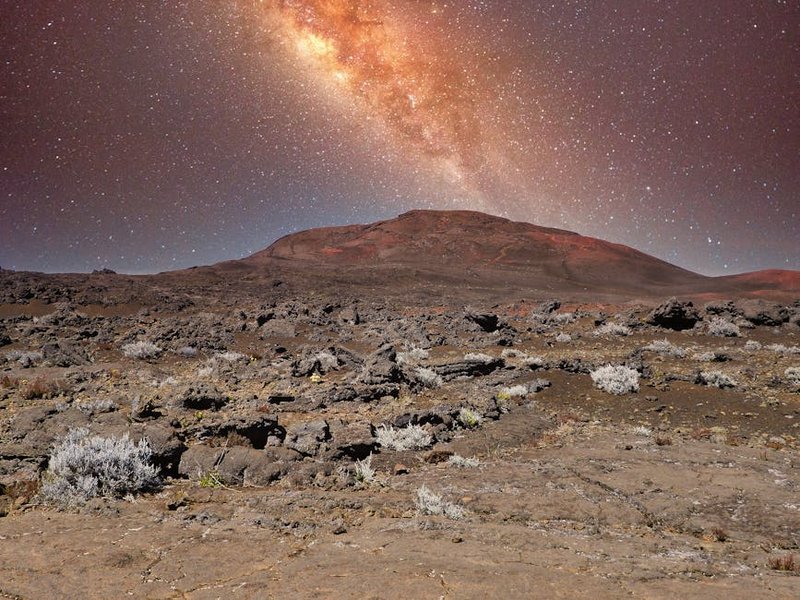
Alt: “piton-de-la-fournaise-volcanic-landscape-lava-fields”
Planning Your Réunion Piton de la Fournaise Volcano Trip
Organizing your Réunion Piton de la Fournaise Volcano adventure requires strategic timing around eruption cycles and weather patterns. The dry season from May to November offers optimal hiking conditions with minimal rainfall and clearer views of volcanic activity. Budget between $1,500-$3,000 for a week-long trip including flights from Europe.
International travelers need valid passports with EU citizens enjoying visa-free access while Americans can stay 90 days without visas. Book accommodations in Saint-Pierre or Saint-Benoît towns for volcano access, reserving three months ahead for peak season. Rental cars provide essential transportation to trailheads since public transport remains limited.
Physical preparation should include cardiovascular training for high-altitude hiking between 2,000-2,631 meters above sea level. The volcanic terrain presents challenging but rewarding experiences for moderately fit adventurers. Proper planning ensures you maximize this unique geological opportunity.
Best Time to Visit the Volcano
Visit between September and November for ideal conditions with daytime temperatures of 68-77°F (20-25°C) and minimal rainfall under 2 inches monthly. These months typically follow the winter eruption season, offering cooled lava fields and renewed accessibility to recently active areas. Crowds diminish slightly compared to European summer vacation periods.
Shoulder seasons in April-May and December provide good alternatives with warmer temperatures around 75-82°F (24-28°C) but increased afternoon shower possibilities. Avoid January-March cyclone season when trail closures become frequent and volcanic views often obscure behind cloud cover. Eruption probability remains relatively consistent throughout the year.
Budget Planning and Costs
Consider these budget tiers for different travel styles.
Essential Preparation Checklist
Pack layered clothing for temperature variations between coastal heat and mountain chill, including waterproof jackets and thermal base layers. Essential gear includes headlamps for pre-dawn hikes, portable power banks, and GPS devices since cellular service proves unreliable in volcanic areas. Break in hiking boots thoroughly before arrival.
Secure comprehensive travel insurance covering volcanic activity disruptions and emergency evacuation from remote locations. Make guided tour reservations 60-90 days in advance, particularly for full-moon hikes or eruption viewing expeditions. Consult your physician about altitude medication if prone to elevation sickness above 2,000 meters.
Top Attractions and Activities
Piton de la Fournaise offers diverse experiences beyond volcano viewing, from lush forests to coastal landscapes shaped by historical lava flows. The Enclos Fouqué caldera provides the main access point for hiking trails with panoramic views across recent eruption sites. Combine volcanic exploration with Réunion’s famous cirques and waterfalls for a complete island experience.
Adventure seekers can tackle the classic Pas de Bellecombe to Formica Leo trail covering 7 miles round trip with 500 meters elevation gain. Less strenuous options include the Plaine des Sables viewpoint accessible by car and shorter walks to Chapelle de Rosemont lava tube. Always verify trail status with park authorities before departure.
Must-See Highlights
Dolomieu Crater represents the volcano’s active center with a massive 1,000-meter diameter and depths exceeding 350 meters during stable periods. Access requires a challenging 10-hour round trip hike from Pas de Bellecombe, rewarding determined visitors with unparalleled views into the volcanic heart. Check current accessibility since crater morphology changes with eruptions.
Formica Leo showcases a perfect miniature volcanic cone created during 1753 eruptions, easily reached via a 30-minute walk from the main parking area. This site demonstrates textbook volcano formation processes with minimal physical effort required. Lava fields from 2007 flows near Grand Brûlé reveal fascinating patterns and colors best photographed during golden hour.
Hidden Gems and Local Favorites
Discover Piton Partage’s lesser-known viewpoint offering spectacular perspectives of both Dolomieu and Bory craters without the main trail crowds. Local guides often include this spot in custom tours, particularly during sunrise when light illuminates the volcanic landscape dramatically. The approach involves a moderate 2-hour hike from Nez Coupé de Sainte Rose.
Explore tunnels within the 2004 lava flow near Tremblet village where volcanic activity created fascinating underground formations accessible with proper equipment and guides. These subterranean features remain cool even during hot days, providing unique photographic opportunities. Respect closure signs during unstable conditions or gas emissions.
Volcano Hiking Techniques
Master the “Rest Step” climbing method for efficient altitude gain, pausing briefly between each step to conserve energy on steep volcanic slopes. Use trekking poles for stability on uneven lava rock surfaces where ankle injuries commonly occur. Pace yourself carefully since thin air at higher elevations affects endurance unexpectedly.
Navigate using painted trail markers and GPS waypoints since fog can quickly obscure visibility across the volcanic plains. Carry extra food and emergency shelter even on day hikes, as weather changes rapidly in this microclimate. These techniques ensure safer and more enjoyable volcanic exploration.
Practical Travel Information
Réunion’s infrastructure supports volcano tourism well with quality roads leading to main trailheads and visitor centers providing current conditions. The Roland Garros International Airport (RUN) serves as the primary gateway with direct flights from Paris and connections through Mauritius. English-speaking services remain limited outside major hotels and tour operators.
Accommodation ranges from basic gîtes near trailheads to luxury resorts along western beaches, though availability decreases during eruption events. Rental cars offer the most flexibility for volcano access, with 4×4 vehicles recommended for some secondary roads. Purchase supplies in larger towns since services near the volcano remain minimal.
| Category | Options/Features | Price Range (USD) |
|---|---|---|
| Accommodation | Mountain gîtes with shared facilities, mid-range hotels with pools, luxury eco-lodges | $40-$400 nightly |
| Transportation | Rental cars, guided tour transfers, limited public buses | $30-$150 daily |
| Guided Tours | Half-day volcano hikes, full crater expeditions, helicopter overflights | $75-$500 per person |
| Park Fees | Volcano access permits, parking charges, guided hike requirements | $5-$25 daily |