

Psychological Effects of Solo Travel: How Going Alone Changes You
Choosing to travel by yourself initiates a unique psychological journey, distinct from any group vacation. The solo travel experience removes familiar social buffers, forcing direct engagement with new environments and self-reliance in decision-making. This guide explores the profound psychological effects of solo travel, from boosting self-confidence and emotional resilience to reshaping your worldview and social connectivity, providing a roadmap for the inner transformation that accompanies the outer adventure.
The Foundational Psychology of Traveling Alone
Embarking on a solo journey is more than a logistical choice; it’s a deliberate step into a catalyst for personal growth. This form of independent travel strips away the daily roles you play at home—employee, partner, parent—allowing your core identity space to breathe and be re-examined. Researchers note that navigating unfamiliar territory alone strengthens cognitive adaptability, as your brain constantly works to solve new problems without a safety net.
The initial loneliness often felt can transition into profound self-contentment. This process, where you become your own reliable companion, builds a lasting internal foundation. The psychological shift isn’t about becoming a different person, but about integrating new, stronger parts of yourself forged through autonomous experience.
Key Psychological Shifts to Anticipate
Understanding the mental changes helps you navigate them more effectively.
- Increased Self-Efficacy: Successfully navigating a foreign transit system or resolving a booking issue solo provides tangible proof of your capability, directly combating self-doubt and building a “can-do” attitude that transfers back home.
- Enhanced Emotional Regulation: Without companions to immediately share frustrations with, you learn to sit with discomfort, process setbacks like missed trains calmly, and find your own emotional equilibrium, a skill that reduces anxiety in other life areas.
- Heightened Mindfulness and Presence: The constant novelty of a solo trip pulls your attention to the present moment, quieting the internal “noise” of past regrets or future worries and training your brain to focus on the here and now.
- Budget-Conscious ($50-100/day): Stay in social hostels (private rooms for retreat) to guarantee human connection, use budget airlines, and cook some meals. Allocate funds for one “splurge” activity that truly calls to you, as autonomy over treats is key to the experience.
- Mid-Range Comfort ($100-250/day): This range reduces logistical friction significantly. Book centrally-located hotels or boutique B&Bs for easy refuge, enjoy restaurant meals to observe local life, and join small-group day tours for structured socializing without commitment.
- Premium Ease ($250+/day): Invest in seamless travel with direct flights, high-quality lodgings with serene spaces, and private guides for deep cultural access. This model removes almost all stress, freeing maximum mental energy for introspection and engagement.
- Psychology Today: The Psychology of Travel
- Sophie’s Solo Travel Advice and Destination Guides
The Confidence and Resilience Cycle
The confidence gained from solo exploration is cumulative and self-reinforcing. Each small decision, from choosing a restaurant to asking for directions, results in a measurable outcome for which you are solely responsible. This clear cause-and-effect loop is incredibly empowering. Your brain registers these successes, building a reservoir of resilience.
When challenges arise—lost luggage, language barriers, bad weather—you have no choice but to cope. Overcoming these hurdles alone proves your resilience to yourself in a way that group support cannot. This proven resilience becomes a psychological asset you carry forward, making future life stressors feel more manageable.
Social Rewiring and Deeper Connections
Paradoxically, traveling alone often leads to richer, more authentic social interactions. Without the comfort of a travel buddy, you are more open to approaching locals or other travelers. This necessity breaks down social inhibitions and fosters improvisational conversation. These connections, often fleeting but meaningful, rewire your approach to socializing.
You learn the difference between loneliness and solitude, valuing quality of connection over quantity. Returning home, you might find your social preferences have shifted, seeking more genuine engagement and feeling more comfortable in your own company at gatherings.
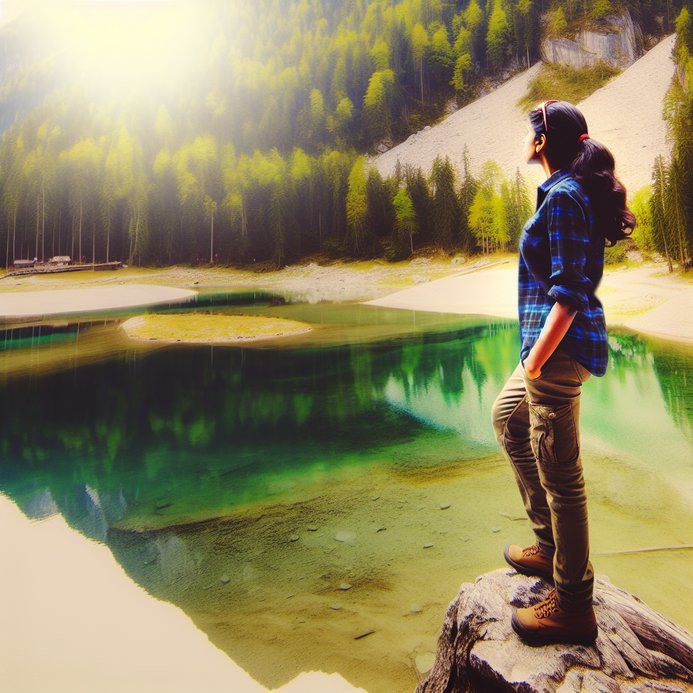
Alt: “solo-traveler-contemplative-view-mountain-landscape”
Psychological Effects of Solo Travel – Planning Your Inner Journey
To maximize the positive psychological outcomes, your preparation should address mental readiness alongside logistics. Intentionally plan for introspection by bringing a journal, scheduling unstructured time, and choosing destinations that challenge you at a manageable level. Your mindset entering the trip is your most important piece of luggage.
Consider what psychological goals you have: Is it to break a pattern of indecision? To practice self-compassion? To overcome social anxiety? Naming these intentions focuses your experience. Your itinerary should balance stimulation with quiet reflection periods necessary for processing the psychological effects of your independent travel.
Best Time to Take a Transformative Solo Trip
The ideal timing for a psychologically impactful solo journey often aligns with natural transition points in life. Many find the periods between jobs, after a significant personal change, or during a sabbatical to be most potent. Seasonally, shoulder seasons (April-May or September-October) offer milder weather and fewer crowds, reducing external stress and allowing for deeper immersion.
Temperatures during these windows typically range from 50-70°F (10-21°C), comfortable for extended exploration. Avoid peak holiday times if you seek solitude, as crowded destinations can undermine the reflective space central to the experience. A 7-14 day trip often provides the critical mass needed for psychological shifts to begin taking root.
Budget Planning for Mental Space
Your budget should prioritize psychological comfort and security.
Essential Preparation for Your Mindset
Pack items that support mental well-being: a journal, a familiar comfort item, headphones for controlling auditory space, and books. Digitally, download meditation apps, offline maps, and a translation tool to alleviate anxiety points. Inform your bank, get comprehensive travel insurance with mental health coverage, and share a loose itinerary with a trusted contact back home.
Mentally prepare by practicing small solo activities at home, like dining alone or visiting a museum by yourself. Begin a pre-trip journal to note your fears and hopes. Schedule a light first day to acclimatize without pressure. This groundwork creates a container of safety, allowing your mind the freedom to explore and grow.
Maximizing the Personal Growth Experience
The structure of your days alone directly influences the depth of your psychological journey. Design an itinerary that alternates between social interaction and solitude, challenging excursions and restorative downtime. Visit places that resonate with a personal interest—art history, hiking, food markets—to ensure intrinsic motivation drives your exploration.
Embrace the freedom to change plans based on your mood, a core luxury of solo travel. This practice in listening to your own desires strengthens self-trust. The goal isn’t to tick off attractions, but to engage in experiences that feel meaningful to you, creating a personal narrative of accomplishment and discovery.
Must-Engage Practices for Inner Work
Certain activities uniquely foster psychological growth on the road. Taking a skills-based workshop—like a cooking class, pottery lesson, or surf instruction—in a foreign place rebuilds the beginner’s mind, humbles you, and creates non-verbal camaraderie. Long-distance train or bus journeys provide uninterrupted reflection time while landscapes scroll by.
Visiting historical or spiritual sites alone allows for personal, un-rushed contemplation without group consensus. Simply sitting in a bustling cafe observing life, journaling, trains you to be comfortably alone in public—a simple act with profound confidence-building effects. Each of these practices turns your journey inward.
Navigating Low Moments and Loneliness
It’s normal to face moments of loneliness, doubt, or overwhelm; these are not failures but part of the psychological terrain. Have a strategy: create a shortlist of comforting actions like video-calling home, watching a familiar movie, or treating yourself to a nice meal. Acknowledge the feeling without judgment, often it passes as quickly as it comes.
Remember, loneliness is a signal, not a sentence. It might be prompting you to reach out to someone new, or it might be inviting you to sit deeper with yourself. Learning to distinguish between the two is a critical piece of emotional intelligence gained from the solo travel experience.
Digital Detox and Mindfulness Integration
Consciously limiting social media scrolling is crucial. Comparing your real, raw journey to others’ curated highlights can distort your experience and trigger feelings of inadequacy. Use your phone for maps and photos, but try designating specific “check-in” times rather than constant connection.
Instead, practice grounding techniques: deeply observe the details of a local market, focus on the sounds of a new city, or consciously taste each component of a dish. This mindful engagement pulls you from your head into your senses, alleviating anxiety and enriching memory formation, core psychological benefits of immersive travel.
Practical Logistics for a Supportive Solo Environment
Your choice of destination, accommodation, and daily rhythm forms the practical container for your psychological journey. Prioritize destinations with good infrastructure and a reputation for safety to lower baseline stress. Choose accommodations that align with your social needs—a quiet guesthouse for introspection or a social hostel for built-in community.
Build a daily rhythm that honors your energy: mornings for active exploration, afternoons for reading or writing in a park, evenings for social or solitary dining. Having a loose structure prevents decision fatigue and creates a reassuring sense of routine within the novelty. Listen to your intuition; if a place doesn’t feel right, grant yourself permission to move on.
| Travel Style | Psychological Focus | Ideal Destination Type |
|---|---|---|
| Urban Cultural | Building social confidence, cognitive stimulation through museums/history | Walkable cities with strong cafe culture & good public transit (e.g., Kyoto, Prague, Lisbon) |
| Nature Immersion | Mindfulness, resilience, reconnecting with self away from society | National parks or regions with hiking trails & small towns (e.g., Scottish Highlands, New Zealand’s South Island, Canadian Rockies) |
| Retreat-Based | Deep introspection, skill-building, structured personal growth | Locations offering yoga/meditation retreats or workshops (e.g., Bali, Costa Rica, Greek Islands) |
| Volunteer/Travel | Purpose, connection, perspective through contribution | Communities with established, ethical volunteer programs (e.g., animal sanctuaries, teaching English programs) |


