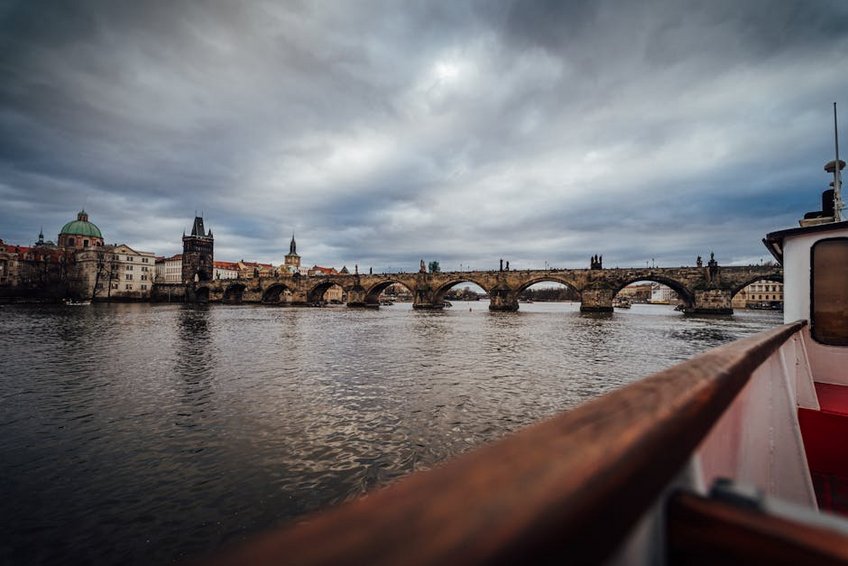
Prague Travel Guide: Exploring the Heart of Bohemia
Navigating the historic streets of Prague feels like stepping into a living storybook, where Gothic spires meet Baroque grandeur and a vibrant modern culture thrives. This comprehensive Prague travel guide provides the essential insights for planning your visit, from decoding the castle district to finding the best local pubs. You will discover the optimal seasons to visit, learn how to budget effectively, and uncover the hidden courtyards that many tourists miss.
Essential Prague Information
Prague, the capital of the Czech Republic, sits in the heart of Central Europe along the Vltava River. Its history spans over a thousand years, leaving layers of architectural styles from Romanesque to Art Nouveau. The city famously avoided major destruction during World War II, preserving its stunning medieval core.
The Czech Republic is a member of the European Union and uses the Czech koruna (CZK) as its currency. While part of the EU, it is not in the Eurozone. US and Canadian citizens can visit visa-free for up to 90 days within a 180-day period under the Schengen Agreement. English is widely spoken in tourist areas, making navigation straightforward for international visitors.
Key Facts at a Glance
Before you go, these are the fundamental details every traveler should know.
- Language: Czech is the official language. Key phrases like “Dobrý den” (hello) and “Děkuji” (thank you) are appreciated, though English is common in hospitality.
- Currency: Czech Koruna (CZK). As of early 2024, the exchange is roughly 23 CZK to 1 USD. Major cards are accepted, but keep small cash for markets and older establishments.
- Best Airport: Václav Havel Airport Prague (PRG) is the main international hub, located about 17 km (10.5 miles) west of the city center.
- Budget Traveler ($50-80/day): Stay in a hostel dorm, eat at street food stalls (trdelník, klobása) and local pubs, use public transport passes, and focus on free sights like the Charles Bridge and changing of the guard. Many museums have one free entry day per month.
- Mid-Range Traveler ($100-180/day): This allows for a private room in a boutique hotel or Airbnb, daily museum entries (Prague Castle, Jewish Museum), sit-down meals at traditional taverns, and a few guided walking tours or a river cruise.
- Luxury Traveler ($250+/day): Enjoy 5-star hotels in Malá Strana, fine dining at award-winning restaurants, private guided tours of the castle and synagogues, and tickets to performances at the National Theatre or Rudolfinum.
- Official Prague Tourist Portal
- CDC Travel Health Information for Czech Republic
- Prague Public Transport Company (DPP)
Understanding the City Layout
Prague is logically divided into numbered districts, with the most important for tourists being Prague 1. This central area contains the historic towns. Prague Castle is in Hradčany (Castle District), the Old Town (Staré Město) houses the Astronomical Clock, and the Lesser Town (Malá Strana) connects them via the Charles Bridge.
Navigating the center is best done on foot, as many areas are pedestrianized. An efficient metro, tram, and bus system serves the outer districts. Purchasing a travel pass for 24 or 72 hours offers the best value for unlimited public transport use.
A Brief Cultural History
The city’s Bohemian history is a tapestry of kings, emperors, and artistic revolution. From the reign of Holy Roman Emperor Charles IV, who founded Charles University in 1348, to the defenestrations that sparked wars, history echoes in its cobblestones. The 20th century brought the Velvet Revolution, peacefully ending communist rule in 1989 and ushering in the modern, democratic Czech Republic.
Alt: “prague-charles-bridge-historic-architecture-sunset-view”
Prague Travel Guide – Planning Your Trip
Strategic planning transforms a good Prague visit into a great one. Your itinerary should balance iconic sights with relaxed exploration of neighborhoods like Vinohrady or Žižkov. Book key attractions like the Prague Castle complex tickets online to skip long queues, especially during peak summer months and Easter markets.
Accommodation in the city center commands a premium. Consider staying in Prague 2 or 3 for better value, with easy tram access to the Old Town. Invest in comfortable walking shoes; you’ll likely log 8-10 miles (13-16 km) daily on uneven cobblestones. Always validate your public transport ticket upon boarding to avoid fines.
Best Time to Visit Prague
The ideal months are late spring (May to June) and early autumn (September to October). Daytime temperatures range from a pleasant 60-70°F (15-21°C) with less rainfall than summer. Crowds are manageable, and the city’s parks are beautifully green or colorful. This period offers the best balance for sightseeing comfort and photo opportunities.
July and August are peak season, with temperatures reaching 75-80°F (24-27°C) but accompanied by dense crowds. December is magical for Christmas markets, though expect cold weather of 30-39°F (-1 to 4°C) and short daylight hours. January and February are the quietest and least expensive months, but some attractions have reduced hours.
Budget Planning and Costs
Prague remains a relatively affordable European capital. Your daily budget varies significantly based on accommodation and dining choices.
Essential Preparation Checklist
Pack layers regardless of season, including a waterproof jacket and a warm sweater for evenings. A power adapter for Type E sockets (220V) is necessary for North American devices. Download the PID Litacka app for public transport tickets and Google Maps for offline navigation of the winding streets.
Ensure your passport is valid for at least three months beyond your planned departure from the Schengen Area. Purchase travel insurance that covers medical emergencies. Book popular restaurants at least a week in advance, especially for dinner. Learn a few basic Czech phrases to enhance your interactions with locals.
Top Attractions and Unmissable Activities
The Czech capital’s allure lies in its seamless blend of monumental history and lively street culture. While the postcard landmarks are essential, the true magic often lies in the moments between—sipping a coffee in a hidden garden or listening to street musicians under a Gothic arch. Allocate time to simply wander without a strict schedule.
Consider purchasing a Prague City Pass if you plan to visit multiple paid attractions quickly. It includes entry to the castle, several museums, and a river cruise. However, for a more relaxed pace, buying individual tickets may offer better value and flexibility. Always check for student, senior, or family discounts.
Must-See Historic Highlights
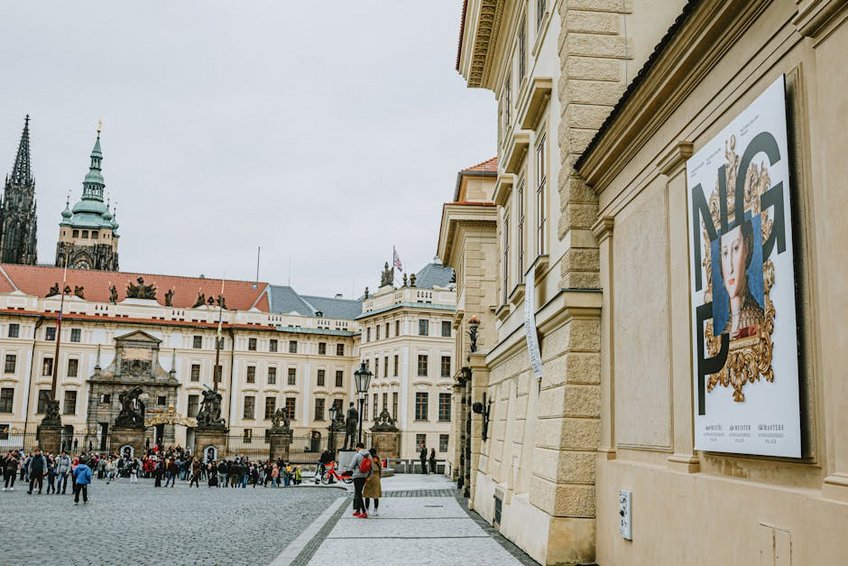
Prague Castle is the world’s largest ancient castle complex. Plan for a half-day to explore St. Vitus Cathedral, the Old Royal Palace, and Golden Lane. Arrive at opening time (9 AM) to beat the crowds. The panoramic view from the castle grounds over the red rooftops is unparalleled.
The Astronomical Clock in the Old Town Square performs its hourly show. The real treasure, however, is climbing the Old Town Hall Tower for a breathtaking square view. Across the river, the Lennon Wall in Malá Strana is a colorful, ever-changing symbol of peace and free expression.
Hidden Gems and Local Favorites
Venture beyond the center to the Vyšehrad Fortress. This historic fort offers serene parkland, the striking Church of St. Peter and St. Paul, and a cemetery where famous Czechs like composer Antonín Dvořák are buried. It’s a peaceful alternative to the bustling castle.
For a unique perspective, visit the narrowest street in Prague near the Charles Bridge, complete with its own traffic light. The Výtopna Railway Restaurant serves drinks via model trains, and the Žižkov Television Tower offers controversial architecture but the city’s highest viewing platform.
Cultural Experiences and Performances
Attending a classical music concert in a historic church or palace is a quintessential Prague experience. Venues like the Municipal House or St. Nicholas Church host daily performances of Mozart, Dvořák, and Smetana. Verify the authenticity of performers, as some “tourist concerts” can be lower quality.
The National Theatre presents world-class opera and ballet at accessible prices. Black Light Theatre, a unique Czech performance art combining pantomime, dance, and visual tricks, offers family-friendly entertainment. Book tickets directly from venue websites for the best selection and prices.
Practical Travel Information for Prague
Getting around the Bohemian capital is efficient with a little preparation. The city’s integrated public transport (metro, trams, buses) is reliable and extensive. For most tourists, zones P and 0 cover all key areas. Validate paper tickets immediately upon starting your journey to avoid a 1000 CZK fine.
Accommodation options cater to every style. The historic center (Prague 1) offers convenience but higher prices and noise. Neighborhoods like Vinohrady (Prague 2) provide a local vibe with excellent dining and tram access. Karlín (Prague 8) is a newly revitalized district with modern hotels and a short walk to the center.
| Accommodation Type | Best For / Features | Average Nightly Price (USD) |
|---|---|---|
| Hostel / Budget Hotel | Solo travelers & groups; basic amenities, shared facilities, social atmosphere | $20 – $60 |
| Mid-Range Boutique Hotel | Couples & comfort seekers; private bath, breakfast included, central location | $80 – $150 |
| Apartment / Airbnb | Families & longer stays; kitchenette, more space, residential neighborhood feel | $70 – $180 |
| Luxury / 5-Star Hotel | Splurge & special occasions; spa, fine dining, prime views (castle/river) | $200 – $500+ |