Places to Visit in Turkey During Winter: A Guide to Cozy Cities and Snowy Peaks
Exploring the many incredible places to visit in Turkey during winter reveals a country transformed, where historic cities take on a serene, storybook charm and mountain ranges offer world-class alpine adventures far from the summer crowds. From the fairy-tale landscapes of Cappadocia dusted with snow to the lively, steam-filled hamams of Istanbul, the colder months provide a uniquely atmospheric and affordable travel experience. This guide covers essential destinations, seasonal activities, and practical tips for planning your perfect Turkish winter getaway, balancing cultural exploration with cozy relaxation.
Essential Turkish Winter Travel Information
Winter in Türkiye spans December through February, with conditions varying dramatically between coastal regions and the interior Anatolian plateau. Coastal cities like Antalya and Izmir experience mild, rainy winters with average temperatures between 50°F and 59°F (10°C to 15°C), perfect for sightseeing without the intense heat. In contrast, central and eastern regions, including Cappadocia and the ski resorts, see consistent snow and temperatures often dropping below freezing, from 23°F to 37°F (-5°C to 3°C).
This seasonal shift creates two distinct travel experiences: a milder cultural tour along the coasts or an active winter holiday in the mountains. Public holidays, including New Year’s and the school break in late January, can bring domestic tourism spikes, particularly to ski areas. However, overall visitor numbers are significantly lower than in peak season, meaning better deals on flights and hotels, and more intimate visits to major archaeological sites.
Understanding Turkey’s Winter Climate Zones
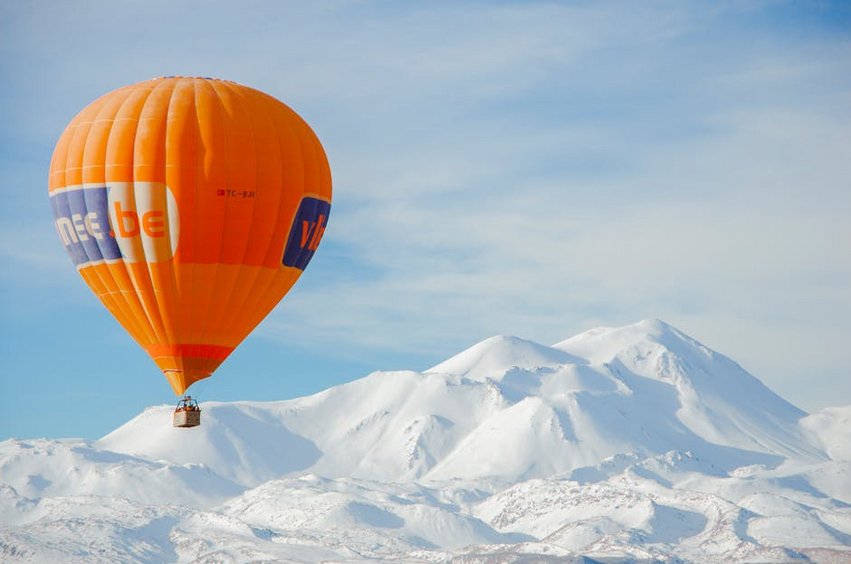
Navigating the Turkish winter successfully requires understanding its three primary climate zones. The Marmara and Aegean coasts, including Istanbul and Izmir, have cool, damp winters ideal for museum-hopping and cafe culture with occasional bright, crisp days. The Mediterranean coast around Antalya remains the warmest, with many sunny days suitable for exploring ancient ruins in comfort, though sea swimming is off the table. Finally, the continental climate of Central and Eastern Anatolia guarantees a true winter with snow-covered landscapes essential for the iconic hot air balloon scenes in Cappadocia and reliable ski conditions in resorts like Palandöken.
What to Pack for a Turkish Winter Trip
Your packing list must be versatile to handle Turkey’s diverse winter conditions. Layering is the fundamental strategy for comfort. Start with a moisture-wicking thermal base layer, add a insulating mid-layer like a fleece or down vest, and finish with a waterproof and windproof outer shell. For footwear, prioritize waterproof boots with good grip for icy streets in Istanbul or snowy paths in Ephesus. Don’t forget accessories like a warm hat, gloves, and a scarf, which are essential for chilly mornings and also respectful for visiting mosques.
- Clothing: Pack thermal underwear, wool sweaters, a warm coat, and a compact umbrella for coastal cities. Include a swimsuit if your hotel has a heated indoor pool or you plan to visit a traditional hamam.
- Footwear: Sturdy, waterproof walking shoes or boots are non-negotiable for exploring cobblestone streets and archaeological sites that can be slippery with rain or ice.
- Electronics: A universal power adapter (Turkey uses Type F plugs), a portable power bank for cold days that drain phone batteries faster, and a reliable camera for capturing magical winter light.
- Budget Traveler ($50-$75/day): Stay in hostels or guesthouses, use intercity buses, focus on free sights and affordable street food like dürüm and simit. This budget allows for one paid tour or entry fee per day, such as visiting the Göreme Open-Air Museum.
- Mid-Range Traveler ($100-$150/day): Enjoy boutique hotels or well-rated cave hotels, take domestic flights for longer distances, join guided day tours, and dine at a mix of local restaurants and nicer establishments. This tier comfortably includes a hot air balloon ride in Cappadocia.
- Luxury Traveler ($250+/day): Experience 5-star hotels or unique heritage properties, arrange private guided tours with experts, enjoy fine dining, and schedule private transfers. This allows for ultimate comfort and exclusive access during the cooler months.
- GoTürkiye: Official Tourism Portal of Turkey
- UNESCO World Heritage Centre – Turkey
- Turkish State Meteorological Service (MGM)
Key Cultural and Logistical Notes
Winter travel offers a more authentic glimpse into local life, as cafes and restaurants fill with residents rather than tourists. This is an excellent time to engage with Turkish hospitality. Note that some tourist-oriented businesses in coastal towns like Bodrum may have reduced hours or close for the season, so always check ahead. Major cultural sites like Istanbul’s Hagia Sophia and Topkapı Palace remain open year-round, often with shorter queues, enhancing your visit significantly.
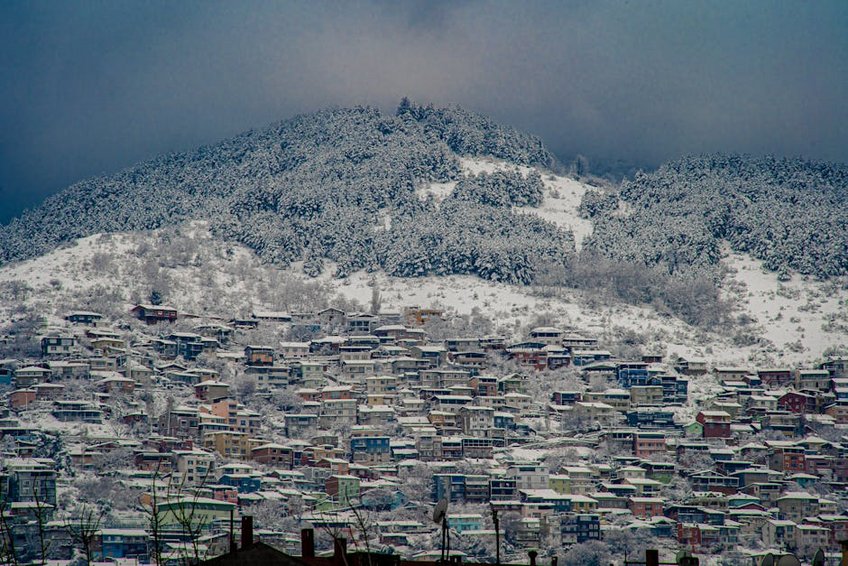
Alt: “cappadocia-winter-landscape-hot-air-balloons-snow”
Places to Visit in Turkey During Winter – Top Destination Guide
Choosing where to go depends on your preferred winter experience. For a magical, snowy escape, central Anatolia is unmatched. For urban exploration and cultural depth with fewer crowds, the historic cities of the northwest are ideal. Your itinerary can combine a few days in a vibrant metropolis with a retreat to a tranquil, frosty landscape, creating a balanced and memorable holiday. Booking flights and central hotels at least two months in advance secures the best rates, even in this quieter season.
Budget considerations shift favorably in winter. Accommodation prices in popular summer spots like Cappadocia’s cave hotels can drop by 30-50%, offering exceptional value. Dining and tour prices generally remain stable, but you’ll have more flexibility and availability. A mid-range winter trip, excluding international flights, can cost between $70-$120 per day per person, covering comfortable hotels, daily tours, meals, and local transportation, making a Turkish winter journey remarkably accessible.
Best Time to Visit Turkey in Winter
The peak of the winter tourism season runs from mid-December through early January, centered around New Year’s celebrations, especially in Istanbul and major ski resorts where prices are highest. For the best balance of winter atmosphere and value, target the shoulder months of late November and February. During February, you’ll still find snow in Cappadocia and excellent skiing conditions, but with thinner crowds and lower prices after the holiday rush subsides, providing a more relaxed experience.
Budget Planning and Costs for a Winter Trip
Your daily budget dictates the style of your Anatolian winter adventure, with costs varying significantly by region and activity type.
Essential Preparation Checklist
Begin preparations by checking visa requirements; many nationalities can obtain an e-Visa online before arrival. Secure comprehensive travel insurance that covers potential winter-related disruptions, such as flight delays due to snow. For driving, an International Driving Permit is required with your home license. Download essential apps like BiTaksi for Istanbul cabs, Trafi for public transport in major cities, and the official museum pass app for digital tickets and information.
Make key activity bookings in advance, especially for in-demand experiences like a Cappadocia hot air balloon flight, which operates on weather-permitting days. Booking a hotel with a traditional Turkish hamam or a fireplace can greatly enhance your cozy winter experience. Finally, inform your bank of your travel plans to ensure your debit and credit cards work for payments and ATM withdrawals, as cash is still king in many local markets and smaller establishments.
Top Winter Destinations and Seasonal Activities
Turkey’s diverse geography offers a spectacular array of winter experiences, from alpine sports to ancient history explored in crisp, clear air. The iconic region of Cappadocia becomes a surreal winter wonderland, with snow-dusted fairy chimneys and valleys, while the eastern city of Erzurum provides access to some of the country’s most challenging ski slopes. Along the coasts, historic cities like Istanbul and Izmir shed their summer crowds, allowing for peaceful exploration of world-famous landmarks and vibrant local neighborhoods.
Beyond sightseeing, the season invites unique activities. Soaking in an outdoor thermal pool while snowflakes fall, such as at the Pamukkale terraces (though water levels vary), is a unforgettable sensation. Food takes center stage, with winter being the perfect time to enjoy hearty stews like “kuru fasulye,” sip on salep (a hot orchid drink), and warm up in bustling local cafés. This combination of stunning scenery, rich culture, and seasonal traditions defines the Turkish winter journey.
Must-See Winter Highlights
Cappadocia is the undisputed star of the Turkish winter. The sight of colorful hot air balloons drifting over snow-covered valleys at sunrise is unparalleled. Visit the Göreme Open-Air Museum early to have the rock-cut churches largely to yourself. In Istanbul, the Blue Mosque and Hagia Sophia feel even more majestic under a grey winter sky, and the Grand Bazaar provides a warm, bustling refuge. A ferry ride on the Bosphorus offers dramatic views of the city’s skyline and palaces, with fewer passengers onboard.
For winter sports enthusiasts, the Palandöken Mountain in Erzurum boasts Turkey’s longest run and hosted the 2011 Winter Universiade. Uludağ, near Bursa, is easily accessible from Istanbul and offers a range of slopes for different skill levels. Even if you don’t ski, the resort areas have a festive atmosphere. The ancient city of Ephesus, near Izmir, is far more pleasant to explore in the cool winter temperatures than in the scorching summer heat, allowing you to appreciate the Library of Celsus and the Great Theatre without the crowds.
Hidden Gems and Local Favorites
Venture east to the city of Kars, near the Armenian border, famous for its stark, beautiful winter landscape and the ancient ruins of Ani, the “City of 1001 Churches.” The site, sitting on the plains, is profoundly atmospheric under snow. The nearby Çıldır Lake freezes over completely, becoming a vast, frosted pane where you can take a horse-drawn sleigh ride. In the central region, the secluded Ihlara Valley offers a peaceful winter hike along a frozen stream past dozens of hidden rock-face churches.
Near Antalya, the remote mountain village of Sığla provides a glimpse into traditional Turkish village life, often snowed in and incredibly quiet. The “yayla” (highland) villages across the Black Sea region, like Uzungöl, transform into pristine, snowy hideaways. For a unique thermal experience, visit the historic hamam in the old Ottoman town of Safranbolu, a UNESCO World Heritage site whose preserved timber houses look magical with a dusting of snow, offering both history and warmth.
Cultural and Culinary Winter Experiences
Winter is the season for “kış hazırlığı” (winter preparation) in Turkish homes, and markets are filled with preserves, dried fruits, and nuts. Participate in this tradition by visiting a local “pazar” (market) to taste “pekmez” (grape molasses) and “tahin.” The season also celebrates hearty dishes; seek out a local “lokanta” for a steaming bowl of “tarhana” soup, “etli kuru fasulye” (bean stew with meat), or “boza,” a fermented grain drink traditionally sold from street vendors on cold nights.
Practical Travel Information for Winter Visitors
Transportation networks generally run smoothly in winter, though flights to eastern cities like Kars or Erzurum can be delayed by heavy snow. Major intercity bus companies like Metro and Kâmil Koç are reliable and comfortable, with buses running frequently between all major destinations. Renting a car provides flexibility, but drivers unaccustomed to winter mountain roads should exercise extreme caution, ensure the vehicle has winter tires, and stick to main highways. Within cities, ride-hailing apps and trams are efficient ways to get around.
Accommodation options are plentiful. In Cappadocia, cave hotels in Göreme or Uçhisar offer unique charm with fireplaces. In Istanbul, staying in the Sultanahmet area puts you steps from major sights, while the Beyoğlu district offers more nightlife and dining. Coastal resorts like those in Antalya offer exceptional off-season deals at all-inclusive properties, though the atmosphere will be very quiet. Booking.com and local Turkish sites like Odamax often have the best rates for domestic stays.
| Destination Type | Best For & Key Features | Estimated Daily Cost (USD) |
|---|---|---|
| Historic City (Istanbul, Izmir) | Museum visits, hamams, culinary tours, vibrant neighborhoods with indoor/outdoor cafes. | $80 – $180 |
| Snow & Adventure (Cappadocia, Erzurum) | Hot air ballooning, snowy landscapes, photography, skiing, unique cave accommodations. | $90 – $250+ |
| Coastal & Mild (Antalya, Fethiye) | Ancient ruins (Ephesus, Perge), relaxed pace, seaside promenades, lower off-season prices. | $60 – $150 |
| Thermal & Cultural (Bursa, Pamukkale) | Natural hot springs, Ottoman history, traditional silk market, UNESCO sites. | $70 – $160 |