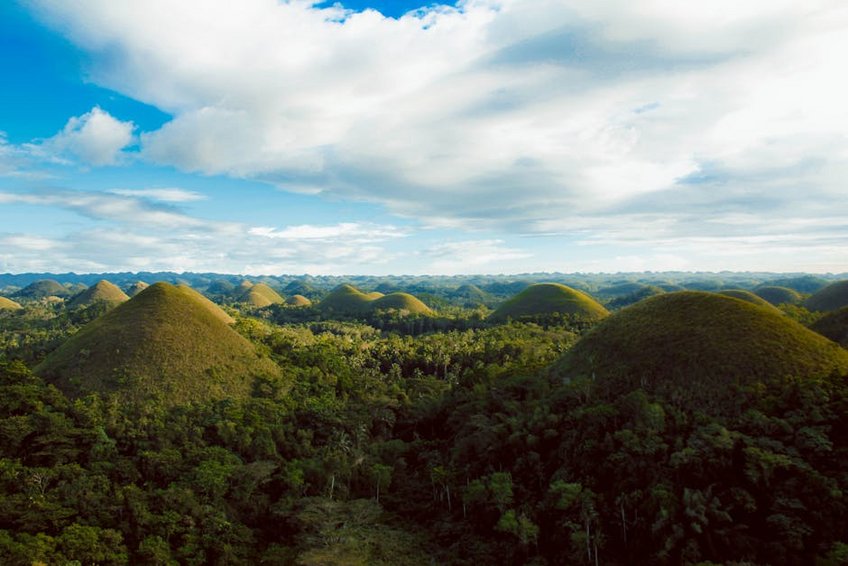
Philippines Chocolate Hills Bohol: Nature’s Geological Marvel
The Philippines Chocolate Hills Bohol represent one of Southeast Asia’s most fascinating natural formations, featuring over 1,200 perfectly cone-shaped hills spread across 50 square kilometers of Bohol Island. These unique geological structures transform from vibrant green during rainy seasons to chocolate brown in dry months, creating a surreal landscape that draws photographers and nature enthusiasts worldwide. This guide covers everything from optimal viewing seasons and hiking routes to cultural insights and practical travel logistics for your Philippine adventure.
Essential Geological Information
The Chocolate Hills formed through millions of years of marine limestone erosion, coral reef uplifts, and rainwater dissolution processes unique to the Philippine archipelago. Geological studies date their formation to the Late Pliocene to Early Pleistocene epochs, approximately 2-5 million years ago, with their uniform shape resulting from uniform weathering patterns. These natural monuments rise between 30-120 meters (98-394 feet) tall, creating the distinctive chocolate kiss appearance that defines the Bohol landscape.
Geological Formation Process
Understanding the hills’ creation helps appreciate their uniqueness.
- Marine limestone deposition occurred when the area was submerged underwater, accumulating coral and shell fragments over millennia.
- Tectonic uplift processes raised the limestone seabed above water level approximately 2 million years ago, exposing it to atmospheric erosion.
- Chemical weathering through rainwater dissolution created the cone shapes, with protective capstones preventing complete erosion of each hill.
- Budget travelers spend $25-35 daily using local transportation, street food, and hostel accommodations near Tagbilaran City with basic hill viewing access.
- Mid-range visitors allocate $45-65 daily for air-conditioned hotels, rental scooters, guided tours, and restaurant meals including the Chocolate Hills Complex entrance fee.
- Luxury experiences cost $100-150+ daily featuring resort accommodations, private tours, fine dining, and additional Bohol island activities like river cruises and dolphin watching.
- Provincial Government of Bohol Official Tourism Site
- UNESCO World Heritage Tentative List Entry
Location and Protected Status
Located in Carmen, Batuan, and Sagbayan municipalities within Bohol’s central region, the hills cover approximately 50 square kilometers of protected landscape. The Philippine government declared the area a National Geological Monument in 1988, ensuring preservation against mining and development activities. UNESCO included the Chocolate Hills in its tentative list for World Heritage status in 2006, recognizing their outstanding universal value.
Conservation Efforts and Regulations
Strict conservation measures protect the hills from environmental damage and unsustainable tourism practices. Visitors must stay on designated pathways and viewing decks to prevent soil erosion and vegetation destruction. Local authorities monitor climbing activities, permitting access only to specific hills while protecting the majority from human interference.
Philippines Chocolate Hills Bohol – Planning Your Trip
Your Philippines Chocolate Hills Bohol experience requires careful timing between January and May when the hills achieve their signature chocolate-brown coloration during the dry season. Budget approximately $35-50 daily for mid-range travel including accommodation, meals, and transportation, with peak season accommodations booking 2-3 months in advance. Essential preparations include light hiking gear, sun protection reaching 95°F (35°C), and arranging certified local guides through official tourism offices.
Best Time to Visit Chocolate Hills
Visit between late January through May for optimal brown hill viewing, with temperatures ranging 85-95°F (29-35°C) and minimal rainfall under 50mm monthly. March and April offer the most dramatic color transformation, though these months also bring peak tourist crowds requiring early morning visits. Shoulder seasons in December or June provide greener landscapes with 30-40% lower accommodation prices and smaller visitor numbers.
Budget Planning and Costs
Bohol travel costs vary significantly by accommodation style and activity choices.
Essential Preparation Checklist
Pack light, breathable clothing, sturdy walking shoes, and high-SPF sunscreen for extended outdoor exposure during hill exploration. Bring sufficient Philippine pesos since credit card acceptance remains limited in rural areas, with approximately 2,000-3,000 pesos ($35-55) needed for daily expenses. Secure travel insurance covering adventure activities, confirm your passport has six months validity, and download offline maps for navigation beyond urban centers.
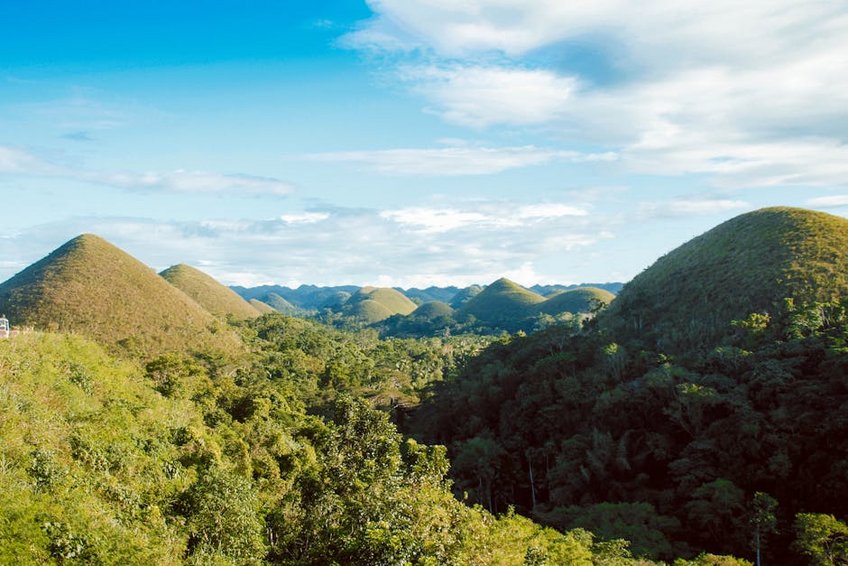
Alt: “chocolate-hills-bohol-aerial-view-dry-season”
Top Bohol Island Attractions
Bohol Island offers diverse experiences beyond the famous hills, from pristine white sand beaches to historical landmarks and unique wildlife encounters. The Philippine Tarsier Sanctuary provides close viewing opportunities for the world’s smallest primate, while Panglao Island beaches deliver world-class snorkeling and diving conditions. Historical churches like Baclayon Church showcase Spanish colonial architecture, complementing natural wonders like the Loboc River cruise experience.
Must-See Highlights
The Chocolate Hills Complex in Carmen offers the most accessible viewing deck with panoramic hill vistas, museum exhibits, and souvenir shops operating 8AM-6PM daily. Tarsier Conservation Area in Corella protects the endangered Philippine tarsiers, allowing visitors to observe these nocturnal primates in their natural habitat during guided tours. Panglao Island’s Alona Beach features powdery white sand, crystal-clear waters, and vibrant coral reefs accessible through numerous diving operators.
Hidden Gems and Local Favorites
Batuan viewpoint provides alternative hill perspectives with significantly smaller crowds, located 15 kilometers from the main complex and accessible via tricycle or rental scooter. Sagbayan Peak offers hill views combined with a small zoo and recreational facilities, ideal for families seeking diversified entertainment options. Anda White Beach delivers pristine sands without Panglao’s development density, featuring excellent snorkeling just meters from shore.
Adventure Activities and Eco-Tourism
Chocolate Hills adventure operators provide ATV and buggy tours through designated trails, offering ground-level hill perspectives unavailable from viewing decks. Loboc River cruise combines buffet dining with cultural performances during scenic river journeys through lush rainforest environments. Danao Adventure Park features extreme activities including ziplines, rappelling, and river tubing for adrenaline seekers exploring Bohol’s diverse landscapes.
Practical Travel Information
Bohol’s tourism infrastructure supports various travel styles, from backpacker hostels to luxury resorts, with transportation options including rental vehicles, tricycles, and ferries connecting different island regions. Tagbilaran City serves as the main urban center with banking facilities, hospitals, and shopping options, while beach areas concentrate accommodations and dining establishments. Advance booking proves essential during peak seasons between December and May, particularly for popular resorts and tour operators.
| Accommodation Type | Features and Locations | Price Range (USD) |
|---|---|---|
| Budget Hostels | Basic amenities, shared facilities, Tagbilaran City location | $10-20/night |
| Mid-Range Hotels | Air conditioning, private bathrooms, Panglao Island area | $35-65/night |
| Beach Resorts | Ocean views, swimming pools, Alona Beach proximity | $80-150/night |
| Luxury Properties | Private villas, spa services, exclusive beach access | $200-400/night |