

Peru Sacred Valley Pisac Market – Authentic Andean Crafts and Culture
The Peru Sacred Valley Pisac Market immerses visitors in vibrant indigenous traditions through colorful textiles, handmade pottery, and local produce sold by Quechua-speaking artisans. This authentic market experience connects travelers directly with Inca descendants while exploring one of Peru’s most picturesque valleys surrounded by ancient terraces. Your journey combines cultural immersion with historical exploration through daily market activities and nearby archaeological sites.
Essential Sacred Valley Information
The Sacred Valley stretches approximately 60 kilometers between Pisac and Ollantaytambo, following the Urubamba River through fertile agricultural land at 2,800 meters elevation. This region served as the agricultural heartland of the Inca Empire, with sophisticated terrace systems still visible throughout the landscape. Modern visitors experience both ancient history and living indigenous cultures within this breathtaking Andean setting.
Pisac itself sits 33 kilometers northeast of Cusco, making it an accessible day trip or first stop on Sacred Valley itineraries. The town divides into two distinct areas: the colonial plaza hosting the famous market and the hilltop archaeological complex featuring temples and military structures. This combination creates a comprehensive Peruvian experience blending pre-Columbian history with contemporary indigenous life.
Historical Significance and Context
Pisac’s strategic location controlled access to the jungle lowlands and protected Cusco’s eastern approaches during Inca times. The market tradition dates back centuries, originally serving as a regional exchange point for agricultural products and handmade goods. Spanish colonization transformed the settlement pattern but preserved the commercial importance of this gathering place.
- Inca engineering marvels include the extensive agricultural terraces that still function today, demonstrating advanced understanding of mountain agriculture and hydrology systems.
- Colonial influences appear in the village layout around the main plaza, with the Catholic church built directly upon former Inca foundations following conquest patterns.
- Contemporary market culture maintains pre-Hispanic textile techniques and agricultural traditions while incorporating tourist-oriented crafts since the 1970s.
- Budget travelers spend $15-30 USD daily using colectivo transport, street food meals, and limited souvenir purchases focusing on smaller items like jewelry or figurines.
- Mid-range visitors allocate $50-80 USD for private transport, restaurant lunches, and quality textile purchases such as alpaca scarves or wall hangings from established vendors.
- Luxury experiences cost $100-200 USD including guided tours, gourmet meals, and premium purchases like silver jewelry or large woven tapestries from master artisans.
- Peru Official Tourism Board
- Lonely Planet Sacred Valley Guide
Market Schedule and Operations
The Pisac Market operates daily from approximately 8:00 AM to 5:00 PM, with expanded offerings and more artisans on Sundays, Tuesdays, and Thursdays. Sunday features the most authentic experience with Quechua communities from surrounding villages bringing their products for trade. Morning hours between 9:00 and 11:00 offer the best selection before tour groups arrive from Cusco.
Market layout follows a logical pattern with produce sections near the entrance, textiles in the central area, and pottery and jewelry along the periphery. Artisans typically arrive by 7:00 AM to set up their stalls, creating a colorful spectacle as the valley mist clears. The atmosphere remains lively throughout the day with occasional traditional music performances.
Location and Transportation Access
Pisac positions itself perfectly for Sacred Valley exploration, located just off the main valley highway connecting Cusco with Machu Picchu. The journey from Cusco takes approximately 45 minutes by car or one hour by colectivo (shared van). Multiple transportation options accommodate different budgets and travel styles.
Colectivos depart frequently from Cusco’s Puputi Street, costing approximately $2-3 USD per person each way. Private taxis charge $25-40 USD for the round trip with waiting time. Tourist buses included in Sacred Valley tours provide the most convenient option for first-time visitors. The town center remains easily walkable once you arrive.
Planning Your Peru Sacred Valley Pisac Market Experience
Your Peru Sacred Valley Pisac Market visit requires strategic timing to avoid crowds while maximizing cultural immersion and good weather conditions. The dry season from May to October offers sunny days with minimal rainfall, though nights can drop to 30°F (-1°C). Shoulder months like April and November provide a good balance with fewer visitors and moderate temperatures around 60°F (15°C).
Budget considerations should account for transportation, meals, shopping, and optional guide services. The market itself requires no entrance fee, making it accessible for all travel budgets. Allocate at least $50-100 USD for quality handicraft purchases, as genuine alpaca wool textiles and silver jewelry represent good value compared to Cusco prices.
Physical preparation matters due to the 9,800-foot (3,000-meter) elevation, requiring acclimatization time in Cusco before visiting. Spend two nights minimum at high altitude before attempting significant walking or climbing to the ruins. Proper hydration and coca tea help manage altitude symptoms during your market exploration.
Best Time to Visit Pisac Market
Peak season runs June through August with clear skies and daytime temperatures reaching 68°F (20°C), though crowds swell significantly during these months. Early morning visits around 8:00 AM help avoid the busiest periods when tour groups arrive between 10:00 AM and 2:00 PM. Hotel reservations require booking three months in advance for this popular timeframe.
Shoulder seasons in April-May and September-October offer pleasant conditions with temperatures between 55-65°F (13-18°C) and reduced visitor numbers. The market maintains full operation during these months with adequate artisan participation. November brings occasional light showers but dramatically fewer tourists and more relaxed bargaining opportunities.
Budget Planning and Costs
Market visit expenses vary significantly based on shopping interests and transportation choices. Basic participation costs remain minimal while souvenir purchases can constitute the largest budget item.
Essential Preparation Checklist
Physical preparation begins with altitude acclimatization in Cusco for 48 hours before visiting the Sacred Valley. Light activity the first day helps your body adjust to the 11,000-foot elevation. Pack layers for changing conditions – mornings often start at 40°F (4°C) warming to 65°F (18°C) by afternoon.
Documentation needs include your passport (required for tourist tickets), copies of travel insurance, and multiple payment methods. While credit cards work in some shops, cash in Peruvian soles facilitates market purchases and bargaining. Small bills make transactions smoother when buying from individual artisans.
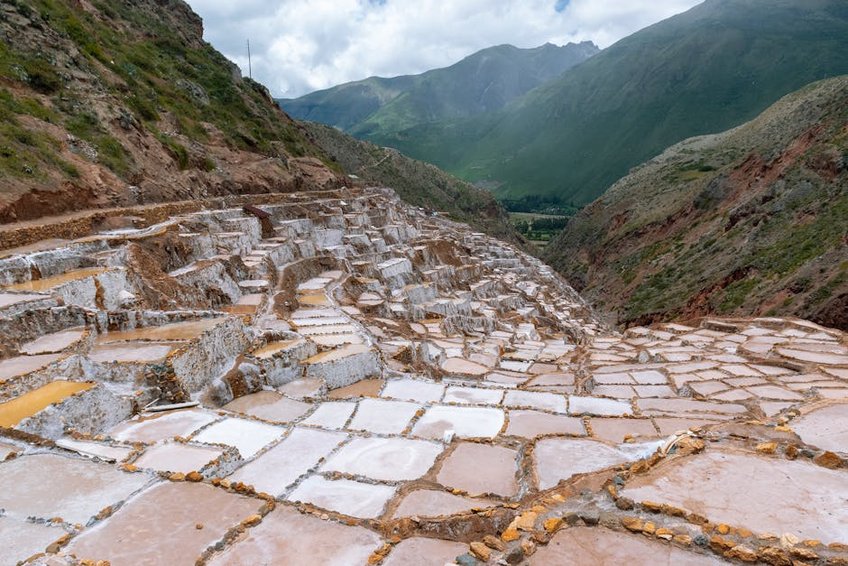
Alt: “pisac-market-colorful-textiles-andean-artisans-sacred-valley”
Top Attractions and Activities
The Pisac experience extends beyond the market to include spectacular archaeological sites, traditional workshops, and scenic viewpoints across the valley. The hilltop ruins represent one of Peru’s most impressive Inca complexes after Machu Picchu. Combining market visits with ruin exploration creates a fulfilling full-day itinerary with cultural and historical depth.
Local workshops offer hands-on opportunities to learn about traditional textile production, pottery making, and silverwork techniques passed through generations. These experiences provide deeper understanding of the crafts seen in the market while supporting cultural preservation. Advance reservations ensure personalized attention from master artisans.
Must-See Highlights
The Pisac Archaeological Site towers above the market, featuring intricate stonework, agricultural terraces, and ceremonial platforms accessible via hiking trail or taxi. Entrance requires the Cusco Tourist Ticket ($25 USD), which covers multiple Sacred Valley sites. Morning visits avoid afternoon heat and provide better photography light on the mountainside structures.
The Colonial Church of San Pedro Apostol dominates the main plaza with its carved wooden altar and religious artworks blending Catholic and indigenous symbolism. Construction dates to the 1570s using stones from Inca structures, representing the complex cultural layering characteristic of the region. The church opens for visitors outside mass hours.
The Pottery Workshops along the river demonstrate traditional techniques using local clay and natural pigments for distinctive black pottery styles. Visitors observe the entire process from clay preparation to firing in underground kilns. Finished pieces make excellent souvenirs with authentic provenance directly from the creators.
Hidden Gems and Local Favorites
The Pisac Ethnographic Museum located near the market entrance displays traditional costumes, agricultural tools, and historical photographs documenting valley life. This small but informative collection provides context for understanding market traditions and their cultural significance. Admission costs approximately $3 USD with explanations available in English.
The Kinsa Cocha Lakes above Pisac offer a moderate half-day hike through pastoral landscapes with spectacular valley views. Local guides can be hired near the market entrance for this less-crowded alternative to the main ruins. The three interconnected lakes create beautiful photographic opportunities with mountain reflections.
Textile Workshops and Demonstrations
Several families near the market plaza demonstrate traditional weaving techniques using backstrap looms and natural dyes from plants, minerals, and insects. These live demonstrations explain the symbolic meanings behind geometric patterns specific to different communities. Participants can often try basic weaving under patient guidance.
The natural dye process utilizes cochineal insects for red, walnut shells for brown, and various leaves for green and yellow hues. Artisans explain how color extraction and fabric preparation create the vibrant textiles sold in the market. These workshops typically charge $5-10 USD for 30-45 minute demonstrations.
Practical Travel Information
Transportation logistics favor early departures from Cusco to maximize market time before afternoon crowds arrive. Colectivos provide the most economical option while private drivers offer flexibility for combining Pisac with other Sacred Valley stops. The road quality remains good throughout the valley with regular bus services.
Accommodation ranges from basic hostels to comfortable boutique hotels with mountain views. Staying overnight in Pisac allows for early market access and more relaxed ruin exploration. Advance bookings secure the best locations near the main plaza with easy walking access to all attractions.
| Accommodation Type | Features and Location | Price Range (USD) |
|---|---|---|
| Budget Hostels | Basic rooms, shared bathrooms, central location near market | $15-30 per night |
| Mid-Range Hotels | Private bathrooms, restaurant, courtyard, walking distance to plaza | $50-90 per night |
| Boutique Hotels | Mountain views, gardens, spa services, traditional architecture | $100-200 per night |
| Luxury Retreats | Infinity pools, gourmet dining, private tours, valley vistas | $250-400 per night |


