Peru Rainbow Mountain Vinicunca: A Colorful High-Altitude Adventure
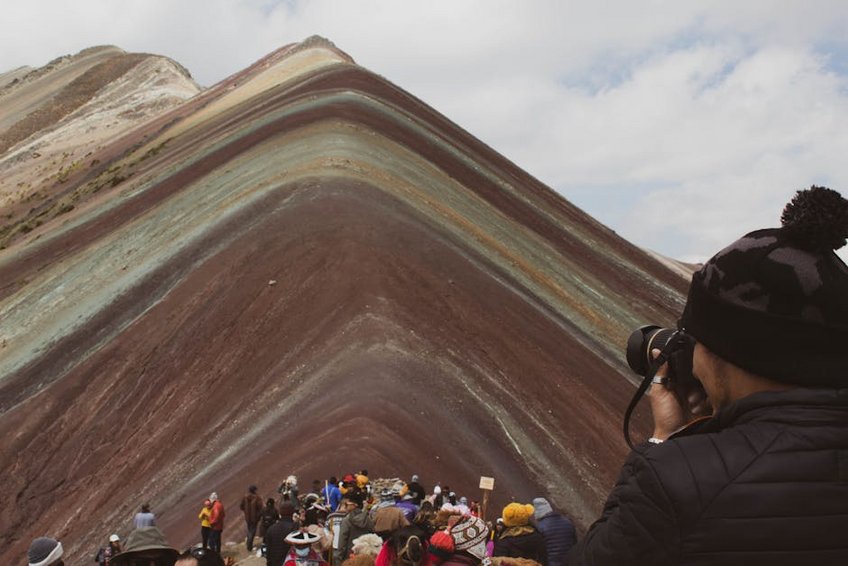
Peru Rainbow Mountain Vinicunca offers one of South America’s most stunning natural wonders with its vibrant mineral-striped slopes reaching 5,200 meters above sea level. This geological marvel in the Andes features seven distinct colors created by sedimentary mineral layers exposed through erosion over millions of years. Your journey combines high-altitude trekking with cultural immersion in remote Quechua communities surrounding the Ausangate mountain range.
Essential Rainbow Mountain Information
Vinicunca remained hidden under ice until 2015 when warming temperatures revealed its spectacular colorful layers to the world. Located in the Cusco region’s Cordillera Vilcanota, the mountain forms part of the Ausangate Regional Conservation Area protecting unique Andean ecosystems. The site’s geological history spans approximately 24 million years with iron oxide creating red tones and chlorite producing green hues.
Local Quechua communities consider Vinicunca sacred within their mountain worship traditions connected to Apu Ausangate. These indigenous groups now manage tourism through community cooperatives that provide guides, horseback rentals, and small vendors. Your visit directly supports these high-altitude villages where traditional pastoral lifestyles continue unchanged for centuries.
Geological Formation and Colors
The mountain’s rainbow appearance results from complex mineral deposits laid down during different geological periods. Iron oxides create the red and pink bands while goethite produces yellow tones and copper minerals generate green shades.
- Red and pink layers come from iron oxide deposits dating back 8-12 million years when the area experienced volcanic activity.
- Yellow bands originate from iron sulfide minerals that formed during periods of marine sedimentation when the region was underwater.
- Green hues develop from phyllite and chlorite minerals created through metamorphic processes under extreme pressure.
- Budget tours cost $25-40 USD including basic transportation from Cusco and a guide, but often lack breakfast, oxygen, or proper altitude sickness preparation.
- Mid-range options at $50-80 USD provide better vehicles, breakfast, walking sticks, emergency oxygen, and smaller group sizes around 8-12 people.
- Premium experiences from $100-150 USD include luxury transportation, gourmet meals, thermal clothing, and maximum 6-person groups with bilingual specialist guides.
- Acclimatize minimum two full days in Cusco at 3,400 meters before attempting the hike to prevent altitude sickness complications.
- Carry altitude medication like acetazolamide after consulting your doctor, plus coca leaves or tea for natural altitude adaptation.
- Book tours providing emergency oxygen and first aid, while bringing personal snacks, 2+ liters water, and high-SPF sunscreen.
- Peru Official Tourism Board
- Lonely Planet Peru Travel Guide
Location and Regional Context
Vinicunca sits approximately 100 kilometers southeast of Cusco within the Pitumarca district at coordinates 13°52’13″S 71°18’42″W. The mountain forms part of the larger Ausangate massif which contains several other colorful mineral formations. This remote location means visitors experience pristine high-altitude environments with minimal infrastructure beyond basic trails.
Access requires traveling through traditional Quechua villages where Spanish remains secondary to the native language. The journey from Cusco takes three to four hours by vehicle followed by a challenging hike at extreme altitude. This isolation preserves both the natural environment and cultural traditions of the local communities.
Conservation and Tourism Impact
Peruvian authorities implemented visitor limits and trail regulations in 2019 to protect the fragile ecosystem from overtourism. The site now receives approximately 1,500 daily visitors during peak season compared to uncontrolled numbers previously. These measures help prevent erosion while ensuring tourism benefits local communities sustainably.
Alt: “vinicunca-rainbow-mountain-colorful-stripes-andes-sunrise”
Planning Your Peru Rainbow Mountain Vinicunca Trip
Successful Peru Rainbow Mountain Vinicunca visits require careful preparation for high-altitude conditions that challenge even experienced travelers. The trek reaches 5,200 meters where oxygen levels drop to nearly 50% of sea level, demanding proper acclimatization in Cusco beforehand. Weather changes rapidly with temperatures swinging from 55°F (13°C) to below freezing within hours during dry season months.
Your Peru Rainbow Mountain Vinicunca adventure involves booking tours through licensed operators who provide transportation, guides, and emergency equipment. Independent travel remains possible but requires navigating complex local transportation and potentially missing safety resources. Budget between $25-150 USD depending on tour inclusions, with premium options offering smaller groups and better equipment.
Best Time to Visit Rainbow Mountain
Visit between April and October during the dry season for optimal hiking conditions with minimal rainfall and clearer mountain views. Daytime temperatures range from 50-60°F (10-15°C) while early mornings can drop to 23°F (-5°C) at the summit. November through March brings heavy rains that make trails muddy and potentially dangerous with frequent cloud cover obscuring views.
Shoulder months of April and October offer smaller crowds with still-favorable weather conditions for photography. June through August provides the clearest skies but attracts the largest visitor numbers requiring earlier arrival times. Consider weekday visits outside Peruvian holidays to avoid peak domestic tourism periods.
Budget Planning and Costs
Tour prices vary significantly based on inclusions like meals, equipment, and group size with these three primary categories.
Essential Preparation Checklist
High-altitude trekking demands specific gear and health precautions for this challenging environment above 5,000 meters. Pack layers including thermal base clothing, waterproof jackets, and insulated accessories for rapidly changing conditions.
Top Attractions and Trekking Experiences
Beyond the iconic colorful summit, the Vinicunca region offers multiple trekking routes through spectacular Andean landscapes with glacier views. The Red Valley presents dramatic crimson-colored hills just 30 minutes beyond the main viewpoint requiring separate entry. Ausangate Glacier creates a stunning backdrop for photography with its permanent ice fields visible throughout the hike.
Local guides share knowledge about traditional llama and alpaca herding practices still maintained by Quechua communities along the trails. Several routes incorporate visits to traditional weaving cooperatives where women demonstrate ancient textile techniques using natural dyes. These cultural interactions provide deeper understanding of Andean life beyond the geological wonders.
Must-See Highlights
The primary Rainbow Mountain viewpoint delivers the classic photographic perspective showing all seven color bands clearly. Arrive before 8 AM for best lighting conditions before crowds accumulate and sun position creates harsh shadows. Photography improves during morning hours when angled light enhances color saturation across the mineral stripes.
Red Valley requires additional hiking but offers equally dramatic landscapes with deep crimson and pink formations. This less-crowded alternative provides panoramic views back toward Vinicunca from elevated perspectives. The separate $3 USD entrance fee supports local community projects directly.
Ausangate Mountain dominates the skyline at 6,384 meters as Peru’s fifth-highest peak and sacred Apu in Inca cosmology. Multi-day treks circumnavigate the entire massif passing turquoise lakes, hot springs, and remote villages. These extended routes demand greater fitness but reward with pristine wilderness experiences.
Hidden Gems and Local Favorites
Pitumarca Hot Springs located downhill from the trekking route provide therapeutic relaxation after challenging high-altitude hiking. These natural thermal pools maintain temperatures around 95°F (35°C) with minimal infrastructure but authentic local character. The $2 USD entrance includes changing facilities and basic services.
Quinsapucyu Lagoon sits along alternative hiking routes with brilliant turquoise waters contrasting against red mountain slopes. This less-visited area offers excellent photography opportunities without the main trail crowds. Local guides can arrange detours here for small additional fees supporting community tourism initiatives.
Photography and Vista Points
Sunrise photography requires extremely early departures from Cusco around 3 AM but rewards with spectacular morning light across the colored slopes. The main viewpoint fills rapidly after 9 AM making tripods essential for stable shots through increasing visitor traffic. Polarizing filters enhance color saturation while neutral density filters help manage harsh high-altitude sunlight.
Alternative elevated viewpoints along the ridge provide different compositional angles showing the color bands in varying perspectives. These secondary locations often have fewer visitors despite offering equally impressive panoramic views. Local guides know optimal positioning throughout the day as sun direction changes.
Practical Travel Information
Transportation to Vinicunca primarily involves tour operators providing round-trip service from Cusco with designated departure points. Independent travelers can negotiate with collective taxis from Cusco’s Santiago district but face language barriers and uncertain return arrangements. The journey covers approximately 100 kilometers each way with the final hours on unpaved mountain roads.
Accommodation options range from Cusco hotels to basic homestays in Pitumarca village nearer the mountain. Most visitors base in Cusco for better altitude acclimatization and infrastructure despite the longer daily commute. Advanced booking remains essential during peak season from June to August when quality hotels fill weeks ahead.
| Accommodation Type | Features and Location | Price Range (USD) |
|---|---|---|
| Cusco Hotels | Central locations, altitude adaptation facilities, tour booking services | $40-150/night |
| Pitumarca Lodging | Basic rooms, closer to mountain, authentic local experience | $15-35/night |
| Luxury Eco-Lodges | Sustainable design, guided experiences, gourmet dining | $200-400/night |
| Community Homestays | Cultural immersion, basic amenities, direct local support | $10-20/night |