Peru Huaraz Cordillera Blanca Trek: Current Guide 2025

Peru Huaraz Cordillera Blanca Trek: High-Altitude Adventure Guide

The Peru Huaraz Cordillera Blanca Trek delivers breathtaking mountain scenery across 180 kilometers of pristine Andean landscapes. This high-altitude adventure takes you past turquoise glacial lakes, through traditional Quechua villages, and beneath Peru’s highest peaks exceeding 6,000 meters. Our guide covers essential planning strategies, seasonal considerations, and practical tips for navigating this world-class trekking destination successfully.

Essential Cordillera Blanca Information

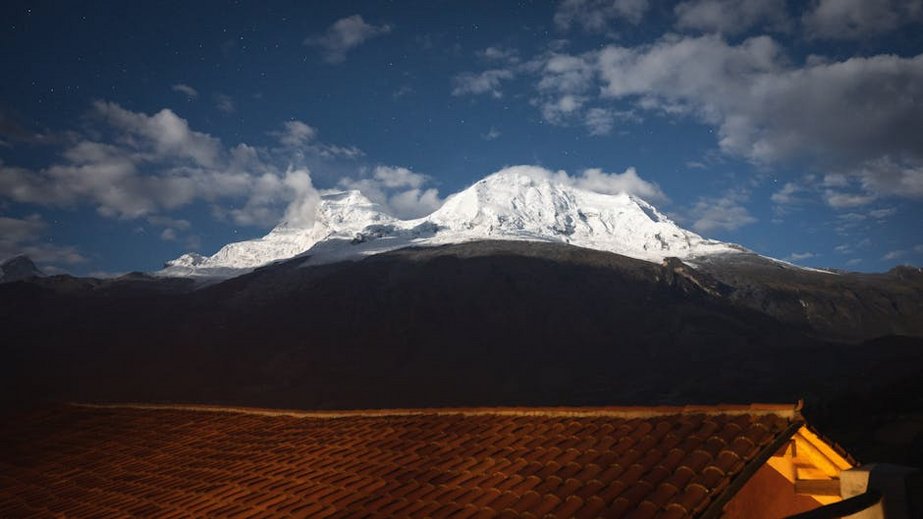
The Cordillera Blanca mountain range forms part of the Andes in northern Peru, containing 16 peaks over 6,000 meters including Huascarán at 6,768 meters. This UNESCO Biosphere Reserve protects unique ecosystems from cloud forests to glacial zones across approximately 340,000 hectares. The region’s geological history includes ongoing glacial retreat that has shaped its dramatic valleys and lakes.

Trekking Difficulty and Requirements

Most routes demand good physical conditioning with daily hikes of 6-8 hours across varied terrain from 3,000 to 5,000 meters elevation. Acclimatization becomes crucial as oxygen levels drop significantly above 3,500 meters where altitude sickness risks increase. You should possess previous multi-day hiking experience and comfort with basic mountain navigation skills.

Health and Acclimatization Protocols

Spend 2-3 days in Huaraz at 3,050 meters before attempting any major Cordillera Blanca trekking routes. Monitor yourself for headache, nausea, or dizziness symptoms that might indicate altitude sickness requiring descent. Carry acetazolamide medication after consulting your doctor, and maintain hydration with 3-4 liters daily.

Protected Area Regulations

The Huascarán National Park requires all visitors to purchase entrance permits costing approximately $22 USD for 21 days. Camp only in designated areas and carry all waste out since the park maintains strict leave-no-trace policies. Respect seasonal closures from December to March when heavy rainfall increases avalanche risks.

Planning Your Peru Huaraz Cordillera Blanca Trek

Organizing your Peru Huaraz Cordillera Blanca Trek requires careful attention to seasonal patterns, physical preparation, and logistical arrangements. The dry season from May to September offers optimal conditions with minimal rainfall and clearer mountain views. Secure guided services and accommodations 3-4 months early for June through August peak periods.

Physical training should emphasize cardiovascular endurance and leg strength with weighted backpack practice. Include elevation gain simulations if possible, since trails frequently ascend 800-1,200 meters daily. Mental preparation matters equally for handling changeable weather and basic mountain accommodations.

Best Time to Visit for Trekking

Visit between late May and early September for prime Cordillera Blanca trekking conditions with daytime temperatures of 50-68°F (10-20°C). June and July deliver the clearest skies but also the largest crowds, requiring earlier bookings for refugios and guides. Shoulder months of May and September offer quieter trails with slightly higher precipitation chances.

Avoid the wet season from December through March when heavy rains create dangerous trail conditions and limited visibility. Some high passes remain snow-covered until late April, requiring technical equipment and experience. October and November provide transitional weather with occasional afternoon showers but rewarding autumn colors.

Budget Planning and Costs

Consider these three budget tiers for your mountain adventure:

  1. Budget trekking costs $350-500 using public transportation, self-catering, and camping equipment rental while joining group tours for required guide services in protected zones.
  2. Mid-range options at $800-1,200 include certified guides, donkey support, meal service, and refugio accommodations with hot showers on popular routes like Santa Cruz.
  3. Luxury experiences from $1,500-2,500 feature private guides, premium equipment, vehicle support, and upgraded hotels in Huaraz with spa recovery services post-trek.
  4. Essential Preparation Checklist

    Pack layered clothing systems including thermal base layers, insulated mid-layers, and waterproof outer shells rated for mountain conditions. Footwear requires broken-in hiking boots with ankle support, plus camp shoes and multiple wool sock pairs. Technical gear includes trekking poles, headlamps with extra batteries, and sleeping bags rated to 20°F (-7°C).

    Documentation needs encompass passport copies, travel insurance with helicopter evacuation coverage, and emergency contact information. Book flights into Lima Jorge Chávez International Airport (LIM) allowing 8-10 hours for the bus transfer to Huaraz. Complete visa requirements don’t apply for most Western passport holders visiting Peru under 90 days.
    Peru Huaraz Cordillera Blanca Trek

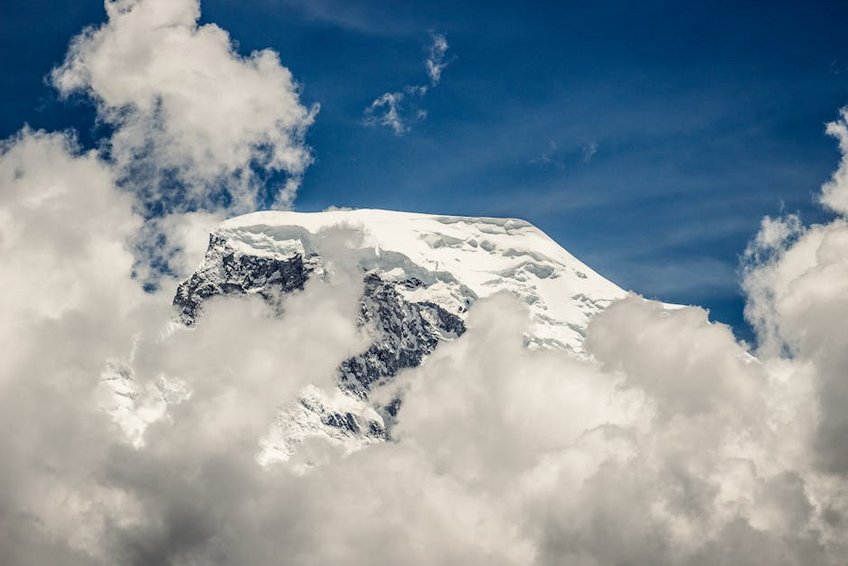
    Alt: “huaraz-cordillera-blanca-mountain-range-glacial-lakes”

    Top Attractions and Trekking Routes

    The Cordillera Blanca offers diverse trekking experiences from 4-day classic routes to 12-day circuit adventures crossing multiple high passes. Santa Cruz Trek remains the most popular choice, covering 50 kilometers past turquoise lakes and beneath towering peaks. Alpamayo Circuit provides greater challenge with remote valleys and technical sections requiring experienced guidance.

    Day hike options from Huaraz include Laguna 69, a stunning turquoise lake at 4,600 meters accessible via moderate 5-hour trek. Pastoruri Glacier offers accessible high-altitude experience though receding rapidly due to climate change. Multi-activity adventures combine trekking with rock climbing, mountain biking, or cultural visits to Chavín de Huántar archaeological site.

    Must-See Natural Highlights

    Laguna Parón presents the largest turquoise lake in the Cordillera Blanca, framed by dramatic peaks including Pirámide de Garcilaso. The Quilcayhuanca Valley offers less-crowded alternatives with spectacular canyon scenery and opportunities for wildlife spotting. Huascarán Sur peak dominates the skyline at 6,768 meters, visible from multiple trekking routes throughout the region.

    Llanganuco Lakes feature twin turquoise waters nestled between Huascarán and Huandoy mountains, accessible via road or incorporated into longer treks. Pastouri Glacier, though diminished, provides accessible high-altitude experience at 5,000 meters with unique ice formations. The Ishinca Valley serves as popular acclimatization hike with Refugio facilities and views of multiple 6,000-meter peaks.

    Hidden Gems and Local Experiences

    Cordillera Huayhuash, though technically separate, offers more remote and challenging trekking with fewer visitors than the main Blanca routes. The Olleros to Chavín trek follows ancient pre-Inca paths through Quechua communities with opportunities for cultural exchange. Laguna Churup provides excellent acclimatization day hike with via ferrata sections and stunning high-altitude scenery.

    Local markets in Huaraz offer authentic Peruvian textiles, handicrafts, and regional foods like humitas and cuy. Thermal baths at Monterrey provide post-trek recovery with natural hot springs just 7 kilometers from Huaraz. Community-based tourism initiatives in villages like Vicos allow deeper cultural immersion through homestays and agricultural participation.

    Photography and Adventure Opportunities

    Sunrise at Laguna 69 creates spectacular photographic conditions with alpenglow illuminating surrounding peaks and mirror-like water reflections. The Santa Cruz trek delivers diverse landscape photography from high passes to valley floors with changing light conditions. Night photography opportunities include Milky Way shots above mountain silhouettes during clear dry season nights.

    Adventure extensions include rock climbing on the granite walls of the Cordillera Negra opposite the Blanca range. Mountain biking routes descend from high passes through traditional villages with outfitters in Huaraz providing equipment and guides. Whitewater rafting on the Santa River offers Class III-IV rapids during the wet season from December to April.

    Practical Travel Information

    Huaraz serves as the primary gateway city with adequate tourism infrastructure including equipment rental shops, guiding services, and accommodation options. Transportation within the region relies on colectivos (shared taxis) and buses connecting trailheads, though private transfers offer more flexibility. Communication remains limited on most trekking routes with intermittent satellite phone coverage in emergencies.

    Getting There and Around

    Fly into Lima Jorge Chávez International Airport (LIM) with connecting 8-hour bus journey to Huaraz via companies like Cruz del Sur. Direct flights from Lima to Huaraz’ small Anta Airport (ATA) operate seasonally but remain weather-dependent with limited capacity. Once in Huaraz, colectivos provide affordable transport to trailheads while private drivers offer more flexibility for gear and schedule.

    Local transportation costs approximately $5-15 USD for colectivo rides to popular trailheads like Cashapoma or Vaquería. Bus services connect Huaraz with other Peruvian destinations including Trujillo, Chimbote, and the Callejón de Huaylas valley towns. Rental cars provide independence but require experience with mountain driving and limited roadside assistance availability.

    Where to Stay in Huaraz

    Central Huaraz offers the widest accommodation selection with easy access to restaurants, equipment rental, and tour operators. The Monterrey district provides quieter options with thermal bath access but requires transportation to reach the city center. For immediate mountain access, consider smaller towns like Caraz or Yungay with basic services and closer trailhead proximity.

    Booking platforms like Booking.com and Hostelworld list numerous options, with advance reservations essential for June-August peak season. Refugios along popular trekking routes require reservations through guiding companies or the Peruvian Mountain Guide Association. Budget travelers find best value in family-run hospedajes offering authentic local experiences and home-cooked meals.

    Peru Huaraz Cordillera Blanca Trek

    Alt: “trekking-camp-cordillera-blanca-mountain-huts”

    Food, Culture, and Local Experiences

    Huaraz and surrounding villages showcase traditional Andean cuisine blending indigenous ingredients with Spanish influences. The local diet relies heavily on potatoes, corn, quinoa, and alpaca meat with distinctive regional preparations. Cultural experiences include traditional festivals, weaving demonstrations, and Quechua language interactions in remote communities.

    The Callejón de Huaylas valley maintains strong indigenous traditions despite growing tourism influence, with many residents speaking Quechua as their first language. Religious festivals blend Catholic and indigenous beliefs, particularly during Semana Santa and Inti Raymi celebrations. Respectful tourism supports community-based initiatives that distribute economic benefits while preserving cultural heritage.

    Local Cuisine and Must-Try Dishes

    Pachamanca represents the definitive Andean feast with meats, potatoes, and vegetables cooked in underground stone ovens using traditional methods. Cuy (guinea pig) serves as ceremonial food often reserved for special occasions, typically roasted whole with herbs. Trucha (trout) from mountain lakes features prominently in local restaurants, served fried or baked with regional sauces.

    Restaurant Don Angelo in Huaraz offers excellent traditional Peruvian dishes with mountain views and reasonable prices around $8-15 USD per meal. Café Andino provides Western-friendly options with quality coffee, baked goods, and international cuisine for travelers missing familiar foods. Street vendors sell anticuchos (beef heart skewers) and humitas (corn tamales) for quick, affordable meals under $3 USD.

    Cultural Tips and Etiquette

    Greet people with “buenos días” (good morning) or “buenas tardes” (good afternoon) followed by handshakes in formal situations. Ask permission before photographing local people, particularly in indigenous communities where some may request small payments. Dress modestly when visiting villages, covering shoulders and avoiding overly revealing clothing out of respect for conservative values.

    Tipping customs include 10% in restaurants when service isn’t included, plus additional amounts for exceptional service. For guides and porters, budget $5-10 USD daily per guide and $3-5 USD for porters depending on group size and service quality. Bargaining occurs in markets but maintain respectful negotiations without aggressive haggling over small price differences.

    Sustainable Tourism Practices

    Support local economies by hiring certified guides through the AGMP (Peruvian Mountain Guide Association) and purchasing supplies in Huaraz. Practice leave-no-trace principles by carrying out all waste, including biodegradable items, since decomposition slows at high altitudes. Respect wildlife by maintaining distance from vizcachas, condors, and other native species without feeding or approaching closely.

    Choose tour operators demonstrating environmental commitment through waste management, porter fair wage policies, and community benefit programs. Learn basic Spanish phrases and Quechua greetings to facilitate more meaningful interactions with local residents. Consider carbon offset programs for international flights since air travel constitutes the largest environmental impact of your journey.

    Sources and References

    • Peru Official Tourism Board
    • Lonely Planet Huaraz Travel Guide
    • Frequently Asked Questions

      When is the best time to visit Huaraz for Cordillera Blanca trekking?

      Visit between May and September for optimal trekking conditions with minimal rainfall and temperatures ranging from 50-68°F (10-20°C). June through August delivers the clearest skies but requires earlier bookings due to peak season demand. Shoulder months of May and September offer fewer crowds with slightly higher precipitation chances.

      How much does the Peru Huaraz Cordillera Blanca Trek cost?

      Budget travelers spend $350-500 using public transport and camping, while guided tours range from $800-1,200 including meals and accommodations. Luxury experiences with private guides and premium services cost $1,500-2,500 depending on route selection and duration. Additional expenses include international flights, travel insurance, and personal equipment.

      How many days do you need for Cordillera Blanca trekking?

      Plan 8-12 days for comprehensive Cordillera Blanca exploration including acclimatization, with 4-day Santa Cruz Trek as the minimum popular route. Allow 2-3 additional days in Huaraz for altitude adjustment before starting any major trekking itinerary. Multi-route combinations or technical peak ascents require 2-3 weeks for proper preparation and execution.

      How do you get to Huaraz from Lima?

      Fly into Lima Jorge Chávez International Airport (LIM) then take an 8-hour bus journey to Huaraz with companies like Cruz del Sur offering comfortable services. Direct flights from Lima to Huaraz’ Anta Airport operate seasonally but remain limited and weather-dependent. Private transfers cost $150-200 USD while buses range from $15-30 USD depending on service class.

      Where should you stay for Cordillera Blanca trekking?

      Stay in central Huaraz for best access to equipment rental, guiding services, and restaurants before and after your mountain adventure. The Monterrey district offers quieter accommodations with thermal bath access just outside the city center. Refugios along popular routes provide basic mountain accommodations during multi-day treks.

      Is Huaraz safe for travelers?

      Yes, Huaraz maintains good safety standards with standard precautions against petty theft in crowded areas and on public transportation. Trekking safety requires proper acclimatization, qualified guides for technical routes, and awareness of changing mountain weather conditions. Emergency services include rescue operations through the Peruvian Mountain Guide Association with helicopter evacuation capabilities.

      Do you need special preparation for high-altitude trekking?

      Yes, you need proper acclimatization spending 2-3 days in Huaraz before trekking, plus physical conditioning for 6-8 hour daily hikes. Essential preparations include cardiovascular training, altitude medication consultation with your doctor, and appropriate gear for variable mountain conditions. Book guided services 3-4 months in advance for peak season and verify guide certifications through recognized associations.

      Final Trekking Preparation Advice

      The Cordillera Blanca delivers unparalleled mountain experiences across diverse ecosystems from high passes to traditional villages. Your Peru Huaraz Cordillera Blanca Trek succeeds with proper acclimatization, realistic fitness expectations, and flexible planning for changeable mountain conditions. Which route aligns best with your experience level and available timeframe for this Andean adventure?

      Related Stories

      spot_img

      Discover

      Top Indonesia Nyepi Silence Day Bali Guide 5 Tips

      Indonesia Nyepi Silence Day Bali Nyepi, the Balinese Day of Silence, transforms the vibrant island...

      Complete Vietnam Hue Festival Cultural Events Journey 3 Tips

      Vietnam Hue Festival Cultural Events The Vietnam Hue Festival cultural events represent a spectacular biennial...

      2026 Updated Thailand Songkran Water Festival Preparations

      Thailand Songkran Water Festival Preparations The Thailand Songkran Water Festival is the most exuberant and...

      Ultimate Peru Lima Gastronomy Festival Experience 7 Tips

      Peru Lima Gastronomy Festival: A Culinary Tour of the Andes and Amazon Each October, the...

      Complete Greece Independence Day March Journey 15 Tips

      Greece Independence Day March 2025: A Visitor's Guide to the Celebration March 25th in Greece...

      Complete Italy Rome Easter Celebrations Adventure 3 Tips

      Italy Rome Easter Celebrations: A Guide to Holy Week in the Eternal City Experiencing Easter...

      Popular Categories

      Comments

      LEAVE A REPLY

      Please enter your comment!
      Please enter your name here

    Accommodation Type Features and Locations Price Range (USD)
    Budget Hostels Dormitory beds, shared bathrooms, communal kitchens in central Huaraz locations $8-15 per night
    Mid-Range Hotels Private rooms with en-suite bathrooms, breakfast included, some mountain views $35-70 per night
    Trekking Refugios Basic mountain huts with dormitory sleeping, meal service, limited facilities $15-25 per night
    Luxury Lodges Private cabins, hot showers, restaurant quality meals, spa services $120-200 per night