Yedigoller Travel Guide: Explore Turkey’s Seven Lakes National Park
Exploring Yedigoller National Park offers a peaceful retreat into one of Turkey’s most cherished natural landscapes. Your Yedigoller travel guide begins with the park’s defining feature: seven interconnected glacial lakes nestled within a dense fir and pine forest in the Bolu province. This protected area spans over 2,000 hectares, featuring well-marked trails, picnic areas, and stunning viewpoints accessible year-round. Visitors can plan for hiking, photography, and camping across distinct seasons, each transforming the park’s character and available activities.
Essential Park Information
Yedigoller, meaning “Seven Lakes” in Turkish, is a national park established in 1965 for conservation and public enjoyment. Located in the western Black Sea region, the park sits at an elevation ranging from 900 to 1,600 meters, creating a cool, humid climate ideal for lush forests. The seven lakes—Büyükgöl, Seringöl, Deringöl, Nazlıgöl, Küçükgöl, İncegöl, and Sazlıgöl—were formed by tectonic movements and landslides, each with unique sizes and depths.
This ecosystem supports diverse wildlife including red deer, roe deer, wild boar, and numerous bird species like woodpeckers and owls. The park operates under the Turkish Ministry of Forestry, which maintains facilities and enforces protection rules. Entrance fees are minimal, supporting ongoing conservation efforts and trail maintenance for all visitors.
Key Facts and History
Understanding the park’s background enhances your visit. The area was declared a national park to protect its unique geological formations and rich biodiversity from logging.
- The park’s creation in 1965 marked a significant early effort in Turkish environmental conservation, setting a precedent for other protected areas. It was chosen for its representative mixed forest ecosystem of the region.
- Geologically, the lakes are “landslide-dammed” lakes, created when massive slope movements blocked small river valleys thousands of years ago. This process gives them their irregular, captivating shapes.
- Local lore suggests the lakes were formed from the tears of a giant, adding a layer of cultural mythology. This story is often shared by regional guides and adds to the park’s mystical atmosphere.
- Budget Traveler ($30-50 USD/day): Camp in the park’s designated area (small fee), prepare your own meals, use public transport from Bolu, and focus on free hiking. Costs cover park entry, campground fee, and groceries from Bolu.
- Mid-Range Traveler ($80-120 USD/day): Stay in a park bungalow or a guesthouse in nearby Mengen, eat some meals at the park’s restaurant, and use a rental car for flexibility. This includes accommodation, fuel, park fees, and mixed dining.
- Luxury Traveler ($180+ USD/day): Stay at a high-end hotel in Bolu city (like the Köroğlu Hotel), enjoy guided private tours within the park, and dine at renowned local restaurants in Bolu specializing in Mengen cuisine. Includes comfort, convenience, and guided expertise.
- Republic of Turkey Ministry of Agriculture and Forestry
- Lonely Planet Travel Guide for Bolu Region
Park Layout and Access Points
The national park is roughly divided into two main areas: the northern section around Büyükgöl and the southern section near Küçükgöl. A central road connects the primary entry gate to major facilities, with secondary trails branching to more secluded spots. Main parking areas are located near the entrance, the Büyükgöl picnic site, and the Kapankaya Manzara Seyir Terası (viewpoint).
Signage is primarily in Turkish, but international symbols for trails and facilities are present. The most accessible lake is Büyükgöl, featuring a wooden walking path and benches. Navigating to the deeper forest lakes like Nazlıgöl requires following colored trail markers on trees, which correspond to difficulty levels.
Conservation Status and Rules
As a protected area, Yedigoller enforces strict regulations to preserve its natural state. Collecting plants, disturbing wildlife, lighting fires outside designated barbecues, and swimming in the lakes are prohibited. Visitors must stay on marked trails to prevent soil erosion and protect undergrowth.
Camping is only permitted in official campgrounds, and all waste must be carried out. These rules are actively managed by park rangers. Adherence ensures the park remains pristine for future generations and protects its delicate aquatic and forest habitats.
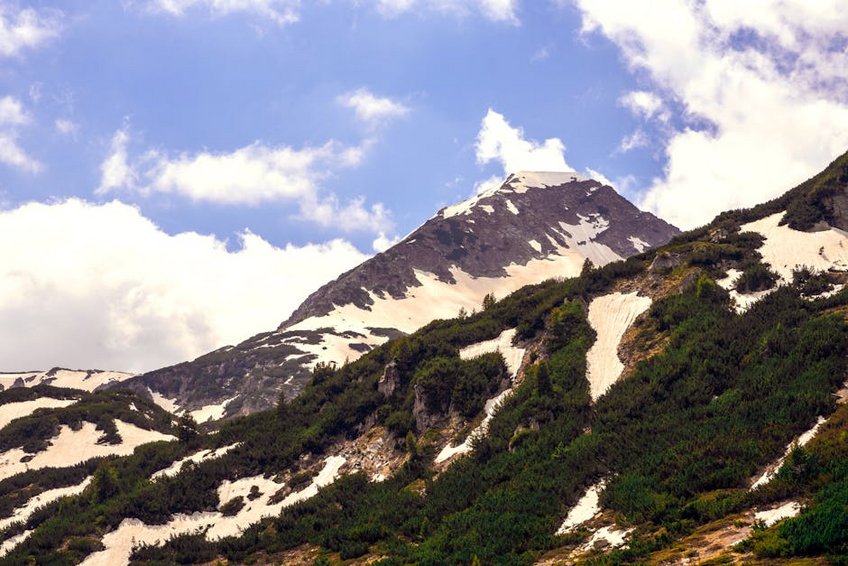
Alt: “yedigoller-national-park-buyukgol-lake-forest-reflection”
Yedigoller Travel Guide – Planning Your Trip
Creating a successful itinerary for the Seven Lakes requires matching your activities with the right season and preparation. This Yedigoller travel guide recommends a minimum two-day stay to experience both the main attractions and quieter trails without rushing. Spring and autumn provide the best balance of pleasant weather, vibrant colors, and manageable visitor numbers for most travelers.
Budget-conscious visitors will find the park affordable, with low entrance fees and inexpensive campgrounds. Those seeking comfort can stay in nearby Bolu city or the park’s own bungalows. Advance booking for accommodation is crucial from June through September and during October for fall foliage viewers.
Essential preparations include sturdy hiking shoes, rain gear regardless of forecast, and layers for changing mountain temperatures. Downloading an offline map of the park trails is also advised, as cellular service can be unreliable in deeper forest sections.
Best Time to Visit Yedigoller
The ideal visiting period is between late May and early October. July and August offer the warmest weather, with average highs of 73-77°F (23-25°C) and lows around 50°F (10°C), perfect for long hikes and lake photography. These months are also the busiest, so arriving early in the day secures parking and a sense of solitude.
Shoulder seasons—late May/June and September/October—provide cooler temperatures of 59-68°F (15-20°C) and spectacular natural displays. Spring brings wildflowers and flowing streams, while autumn paints the forest in brilliant yellows and reds. Winter visits (November-March) are for the adventurous, offering snow-covered landscapes with temperatures often below freezing, 14-32°F (-10 to 0°C).
Budget Planning and Costs
Your daily budget varies significantly based on accommodation and dining choices.
Essential Preparation Checklist
Packing correctly is key for comfort and safety. Footwear should be waterproof hiking boots with good ankle support for uneven trails. Clothing must follow a layering system: moisture-wicking base, insulating mid-layer, and a waterproof/windproof outer shell. Always include a warm hat and gloves, even in summer, for cooler evenings.
Documentation includes your passport, a printed copy of accommodation reservations, and an International Driving Permit if renting a car. Book lodging at least two months in advance for peak season. Consider travel insurance covering outdoor activities and bring a basic first-aid kit with blister treatment.
Top Attractions and Trekking Routes
The park’s core appeal lies in its serene lakes and the network of trails connecting them. Each lake has a distinct personality, from the large, easily accessible Büyükgöl to the smaller, hidden Sazlıgöl surrounded by reeds. Viewpoints like Kapankaya and Örencik offer panoramic vistas of the forest canopy and distant lake glimpses.
Beyond the lakes, historical sites like the old watermill and forestry museum add cultural depth. The park is designed for exploration at different paces, with short, flat paths suitable for families and more challenging, steep trails for experienced hikers seeking isolation and rugged beauty.
Must-See Lake Highlights
Büyükgöl (The Big Lake) is the park’s centerpiece, famous for its iconic wooden footbridge and perfect reflection of surrounding pines on calm mornings. It’s easily reached by a 5-minute walk from the main parking lot. The lakeside has numerous benches, making it ideal for picnics and landscape photography at sunrise.
Deringöl and Seringöl are connected by a beautiful, shaded trail. Deringöl is known for its deep, clear blue water, while Seringöl is smaller and often covered with lily pads. The 2 km loop trail between them is moderate difficulty and takes about 45 minutes to complete one way.
Nazlıgöl (The Coy Lake) lives up to its name, often shrouded in mist. It’s the deepest lake and requires a 3 km hike from the main road. The effort rewards visitors with a profoundly quiet and mystical atmosphere, best visited in the late afternoon when light filters through the tall trees.
Hidden Gems and Local Favorites
For solitude, head to İncegöl and Küçükgöl, located on a less-traveled eastern trail. The path is rougher, but you’ll likely have these tranquil spots to yourself. Locals often picnic near the small stream that feeds into İncegöl, a great spot to observe birdlife away from the main crowds.
The “Şelale Yolu” (Waterfall Path) is a lesser-known trail branching south from the Seringöl area. It leads to a small, seasonal waterfall that is most impressive in late spring after snowmelt. The sound of rushing water adds a wonderful sensory layer to the forest hike. Ask a ranger for current conditions before heading out.
Photography and Wildlife Viewing
Yedigoller is a paradise for nature photographers. The best light for lake reflections occurs early morning (6-8 AM) before winds pick up. Autumn provides a stunning color palette, while winter offers monochromatic scenes of snow and ice. A polarizing filter is highly recommended to cut glare on the water and enhance foliage colors.
For wildlife, dawn and dusk are prime times. Red deer are often spotted near the edges of meadows at twilight. Bring binoculars and move quietly. The forests are also rich in mushroom species in the fall, though remember that foraging is not permitted within the national park boundaries.
Practical Travel and Logistics
Reaching Yedigoller requires planning, as public transport options to the park gate are limited. The most reliable method is a private vehicle or a pre-arranged taxi from the city of Bolu, which is the main transportation hub for the region. Bolu itself is well-connected by intercity bus from Istanbul (4 hours), Ankara (3 hours), and other major cities.
Inside the park, your own vehicle provides the most flexibility for moving between different trailheads and lakes, as distances can be several kilometers. Alternatively, the park’s internal road is scenic and walkable, but covering the entire area on foot in one day is challenging. Planning your route around shuttle stops or your parking location is essential.
| Category | Options/Features | Price Range (USD) |
|---|---|---|
| Accommodation | Park Bungalows (2-4 person), Camping, Bolu City Hotels | $15 – $120 per night |
| Activities | Self-guided hiking, Photography, Picnicking, Guided Nature Walks (by request) | $0 – $50 per guided tour |
| Food & Dining | Park Restaurant (grilled trout, gözleme), Picnic supplies from Bolu, Bolu city restaurants | $5 – $25 per meal |
| Transport | Rental Car from Bolu, Taxi from Bolu (one-way), Intercity Bus to Bolu | $40/day – $60 one-way taxi |