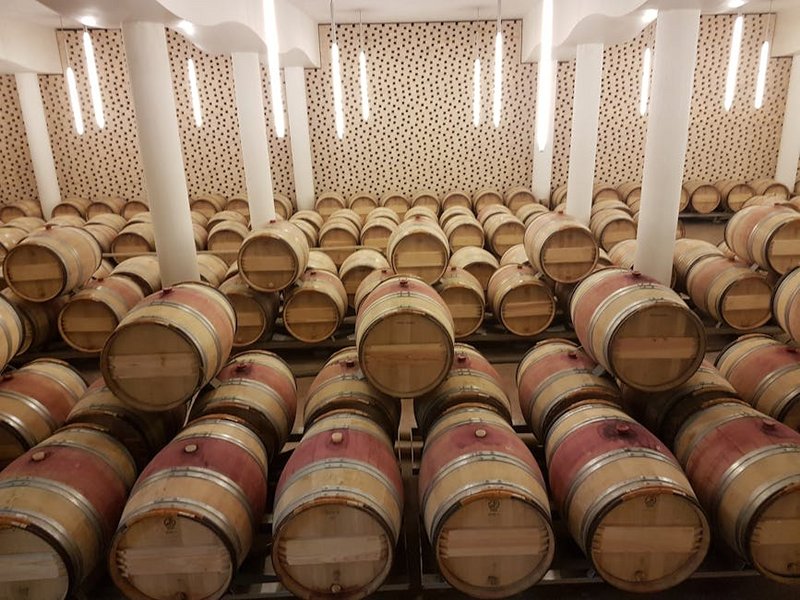
Wine Routes in Georgia: Exploring the Cradle of Viticulture
Georgia’s ancient winemaking tradition, stretching back over 8,000 years, offers a unique journey into the soul of viticulture where wine is inseparable from culture and history. Traveling the wine routes in Georgia immerses you in a world of qvevri-aged amber wines, dramatic Caucasus Mountain backdrops, and legendary Georgian hospitality known as *supra*. This guide details the premier routes through Kakheti and beyond, providing practical logistics, regional distinctions, and tips for engaging authentically with the world’s oldest continuous wine culture.
Essential Information on Georgian Wine
Georgian winemaking is defined by its use of the qvevri, a large, egg-shaped earthenware vessel buried underground for fermentation and aging. This UNESCO-recognized method produces distinctive amber wines from white grapes and creates robust, tannic reds, offering flavors found nowhere else on earth. The country’s diverse topography, from the Black Sea coast to high mountain valleys, fosters over 500 indigenous grape varieties, making each region’s output uniquely expressive.
Wine tourism here is deeply personal, often involving visits to family-owned maranis (wine cellars) where tastings are accompanied by heartfelt toasts and sprawling feasts. Understanding the basic geography is key; the eastern region of Kakheti is the prolific powerhouse, while western areas like Imereti and Racha offer smaller-scale, distinct styles. The entire experience is less about formal tasting rooms and more about communal celebration and ancient technique.
Georgia’s Wine-Producing Regions at a Glance
Before choosing your route, familiarize yourself with the primary zones. Each offers a different landscape and wine style.
- Kakheti: Produces 70% of Georgia’s wine, famous for robust Saperavi reds and Rkatsiteli-based amber wines; includes sub-regions like Telavi and Signaghi with high-density tourism infrastructure.
- Imereti: Western region known for lighter, more acidic wines from grapes like Tsitska and Krakhuna, often made in qvevri but with less skin contact than Kakhetian styles.
- Kartli: The traditional home of sparkling wine production near the capital, Tbilisi, also growing Chinuri and Goruli Mtsvane for crisp, aromatic white wines.
- Racha-Lechkhumi: Remote northern mountainous area celebrated for the semi-sweet red Khvanchkara and the exquisite white Tvishi, offering rugged, off-the-beaten-path experiences.
- Budget Traveler ($50-70/day): Stay in guesthouses or hostels, use marshrutka (minibus) transport between towns, and visit free or low-cost family wineries where a small fee (₾5-10 or $2-3) often includes a generous tasting and snacks. Focus on self-guided exploration in towns like Telavi or Kutaisi.
- Mid-Range Traveler ($100-150/day): This allows for comfortable boutique hotel stays, renting a car for 2-3 days (approx. $40/day), and booking curated half-day group tours ($30-50 per person) that include transport and several winery visits with meals. You can enjoy premium tastings at renowned wineries like Schuchmann or Pheasant’s Tears.
- Luxury Traveler ($250+/day): Opt for stays at high-end hotels like Rooms Hotel Kazbegi or Signaghi’s boutique properties. Book private, chauffeur-driven tours with expert guides, include exclusive experiences like blending workshops or multi-course gastronomic feasts at top wineries like Chateau Mukhrani or Kindzmarauli Corporation.
- National Wine Agency of Georgia
- Wine-Searcher: Georgia Region Guide
- Georgia Travel: Official Tourism Portal
Key Indigenous Grape Varieties
Georgia’s wine identity is built on its native grapes. Recognizing a few key names will vastly enhance your tasting journey and help you navigate wine lists. Saperavi is the king of reds, a teinturier grape producing deeply colored, tannic, and age-worthy wines with flavors of dark cherry and spices. Rkatsiteli, the most planted white grape, is the primary component of many classic amber wines, yielding wines with high acidity and notes of dried apple, quince, and walnut skin when qvevri-aged.
Other essential varieties include the elegant, floral Mtsvane Kakhuri often blended with Rkatsiteli, and the rare, powerful red Kisi. In the west, look for the crisp, green Tsolikouri and the aromatic Krakhuna. Your route planning should consider which of these varietals most intrigue your palate, as they are geographically specific.
Understanding Qvevri and Traditional Winemaking
The qvevri is more than a tool; it’s the cultural symbol of Georgian wine. The process involves sealing grapes—stems, skins, and seeds included—inside the beeswax-lined vessel, which is then buried. This allows for a natural, stable temperature and a unique micro-oxygenation that shapes the wine’s texture and complexity. The resulting amber wine (often called “orange wine” internationally) from white grapes is a hallmark of the region, marked by tannic structure and oxidative notes.
Visiting a marani to see these vessels in the ground is a non-negotiable part of the experience. Many small wineries, especially in villages like Velo in Imereti or Shilda in Kakheti, offer hands-on demonstrations of the process. Respect for this ancient method is paramount; it represents an unbroken link to the Neolithic past and is a source of immense national pride for Georgians.
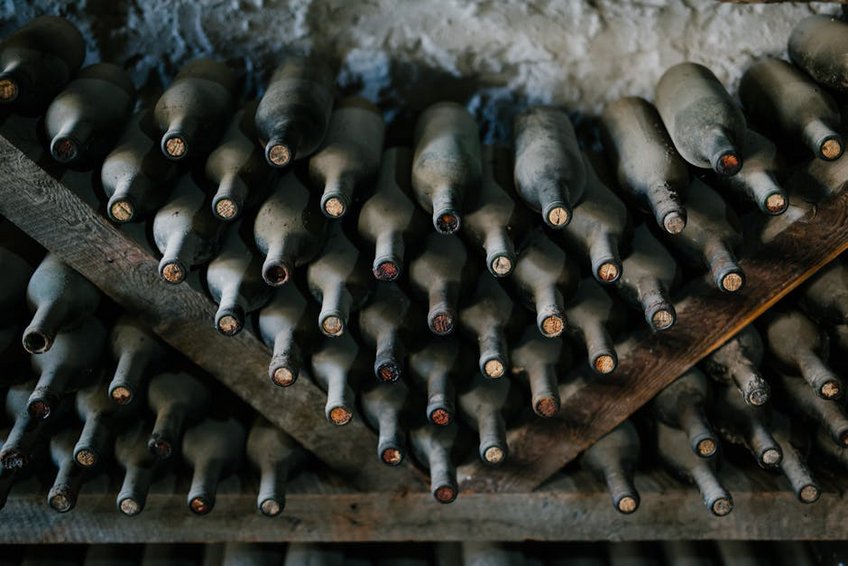
Alt: “georgian-wine-country-qvevri-vessels-underground-cellar”
Planning Your Wine Routes in Georgia
Successfully navigating Georgia’s wine country requires a blend of structured booking and flexible spontaneity to accommodate generous hospitality. Focus your primary itinerary on one or two major regions, like Kakheti and Imereti, as road travel between distant areas can be time-consuming. Booking guided day tours from Tbilisi or Kutaisi provides an easy introduction, while renting a car (with a designated driver) offers freedom to explore remote family cellars. Remember that a wine route here is as much a culinary and cultural journey as it is a viticultural one.
Your budget should account for more than just tasting fees. Most visits include copious food, so consider combining a wine stop with lunch or dinner. Accommodation ranges from boutique design hotels in Signaghi to rustic homestays in rural villages, where you might join the family’s evening supra. The key is to pace yourself; Georgians measure hospitality by abundance, and declining refills or dishes requires polite but firm communication to avoid overindulgence.
Best Time to Visit Georgia’s Wine Country
The ideal periods for a Georgian wine tour are the shoulder seasons of May-June and September-October. During these months, daytime temperatures are a pleasant 65-80°F (18-27°C), vineyards are either lush and green or bursting with harvest activity, and crowds are manageable. The September-October harvest (Rtveli) is a particularly vibrant time to visit, offering opportunities to participate in grape picking and the initial crush, though premium accommodations book months in advance.
Summer (July-August) can be hot, reaching 95°F (35°C) in Kakheti, while winter offers a quiet, starkly beautiful landscape and the chance to taste aged wines from the cellar, with temperatures often dropping below freezing, 14-32°F (-10 to 0°C). Spring is lovely but can be rainy, potentially affecting rural road conditions. For festival lovers, the Tbilisoba harvest festival in October and the New Wine Festival in May are major highlights.
Budget Planning and Costs
A daily budget for a wine-focused trip can vary widely based on touring style and accommodation choice. Here is a breakdown of common expense tiers.
Essential Preparation Checklist
Pack sturdy walking shoes for vineyard and cellar tours, along with layers as temperatures shift between sunny vineyards and cool, underground maranis. A power adapter (Type C/F, 220V) is necessary, and having some local currency (Georgian Lari) is crucial for rural wineries and markets, though cards are widely accepted in cities and larger establishments. Download the Bolt app for urban taxis and Maps.me for offline navigation on rural roads.
Book your international flight into Tbilisi International Airport (TBS) or Kutaisi International Airport (KUT), the latter being a hub for low-cost carriers. Secure your first few nights’ accommodation in advance, especially in Signaghi or during harvest. While visa-free for US/EU passport holders for one year, ensure your passport has six months’ validity. Lastly, consider travel insurance that covers adventure activities if you plan on hiking in the Caucasus between wine stops.
Top Wine Routes and Regional Experiences
While Kakheti is the undisputed star, Georgia’s other wine regions provide contrasting and equally captivating journeys into tradition. A well-rounded itinerary might start with two days in Kakheti to understand the core, then move west to Imereti for a different expression of qvevri winemaking. For those with limited time, focusing solely on the Kakheti circuit—encompassing Telavi, Tsinandali, and Signaghi—delivers a comprehensive and logistically smooth introduction to the country’s most famous wines and landscapes.
Each route intertwines wine with other cultural attractions: ancient monasteries like Alaverdi or Gelati, fortified hilltop towns, and breathtaking mountain passes. The driving itself is part of the adventure, with scenic roads winding through the Alazani Valley or climbing into the Lesser Caucasus. Allow time for serendipity; some of the best memories come from unplanned stops at roadside stands selling churchkhela (grape must and nut candy) or invitations from local farmers to taste their homemade wine.
The Kakheti Wine Route: Heart of Georgian Viticulture
The Kakheti loop, easily accessible from Tbilisi, is the most traveled and developed path. Key stops include the Tsinandali Estate, home to the oldest white wine collection and beautiful gardens, and the villages of Napareuli and Kindzmarauli, famed for their micro-zones. The town of Signaghi, with its charming cobblestone streets and city walls overlooking the valley, serves as a perfect base, hosting numerous wine bars and shops like the Pheasant’s Tears cellar restaurant. Dedicate at least two full days to explore this area properly.
Must-visit producers range from large, modern facilities like Schuchmann Wines, which offers spa and hotel services, to small, family-run operations like Our Wine in Signaghi. Don’t miss the historic Alaverdi Monastery, where monks have made wine for centuries, and the Twins Wine Cellar in Napareuli for a spectacular view of their qvevri marani. The diversity within Kakheti alone—from the bold Saperavis of Mukuzani to the fragrant whites of Tsinandali—justifies an extended stay.
The Imereti Wine Route: Western Traditions and Limestone Caves
West of Tbilisi, centered around the city of Kutaisi, the Imereti region offers a greener, more humid landscape and distinctly different wines. Here, qvevri wines are typically made with less skin contact, resulting in lighter, more vibrant amber and white wines with pronounced acidity. The region is also known for its vast network of limestone caves, some used for natural wine aging. A visit to the Okatse Canyon or Prometheus Cave offers a stunning natural break between tastings.
Focus on wineries like Baia’s Wine, run by a pioneering young family producing excellent Tsolikouri, or the traditional cellars in the village of Velo. The Gelati Monastery, a UNESCO World Heritage site, is a crucial cultural stop. Compared to Kakheti, Imereti feels more rustic and less touristed, providing an authentic glimpse into daily Georgian life where wine is a household staple rather than a commercial export.
The Racha-Lechkhumi Route: Remote and Rugged Terroir
For the adventurous oenophile, the mountainous northern regions of Racha and Lechkhumi present a challenging but rewarding frontier. Accessible via dramatic roads from Kutaisi, this area specializes in unique, often semi-sweet wines like the famed Khvanchkara, a red blend once favored by Stalin. The microclimate and high-altitude vineyards create wines of intense character. The journey itself, through the breathtaking Rioni River gorge, is a highlight, with opportunities for hiking and visiting remote villages.
Accommodation here is primarily via homestays, offering an unfiltered cultural immersion. Key producers are small and may require advance arrangement for visits. The village of Ambrolauri is the main hub for exploring Racha, while the town of Tsageri serves Lechkhumi, known for the delicate white Tvishi. This route is recommended for travelers seeking to go beyond the guidebook and experience Georgia’s most untouched viticultural landscapes.
Practical Travel Information
Navigating Georgia is straightforward with a bit of planning. For wine routes, renting a car provides maximum flexibility, especially for visiting remote vineyards not served by tours. Major international rental agencies operate at Tbilisi and Kutaisi airports; book an automatic transmission in advance if needed. For those uncomfortable driving, a combination of guided day tours from major cities and taxi services for specific intercity legs is a viable and stress-free alternative.
Accommodation along the wine trails has expanded rapidly. In Kakheti, Signaghi offers the widest range, from luxury boutique hotels to guesthouses. Telavi provides a more local, less touristy base. In Imereti, staying in Kutaisi gives easy access to surrounding wineries, while guesthouses in the countryside offer deeper immersion. Booking platforms like Booking.com and Airbnb are widely used, but contacting smaller guesthouses directly via phone or Facebook can sometimes secure better rates.
| Transportation Method | Best For | Approximate Daily Cost (USD) |
|---|---|---|
| Rental Car | Flexibility, remote wineries, small groups | $35 – $60 + fuel |
| Private Driver/Guide | Stress-free touring, in-depth commentary, luxury experience | $80 – $150 (full day) |
| Group Day Tours (from Tbilisi) | Solo travelers, first-time visitors, no planning needed | $40 – $80 per person |
| Marshrutka (Minibus) & Taxi | Budget travel between major towns (e.g., Tbilisi to Signaghi) | $5 – $15 per leg |