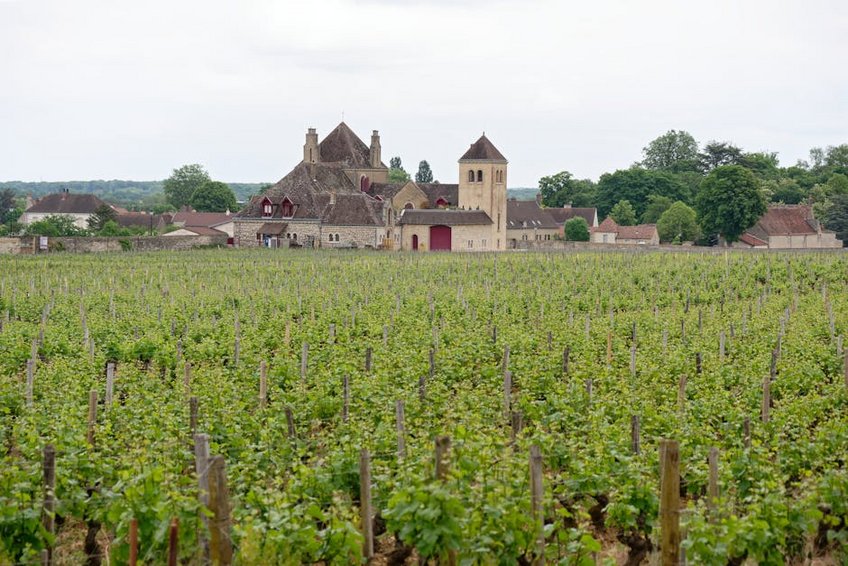
Wine Region Tours in France: Your Curated Guide to Sipping Through History
Embarking on wine region tours in France offers a direct path to understanding the country’s soul through its celebrated terroir and centuries-old traditions. You’ll discover the distinct personalities of legendary regions like Bordeaux, Burgundy, Champagne, and the Rhône Valley, each offering unique tasting experiences, stunning vineyard landscapes, and historic châteaux. This guide details the essential logistics, from selecting your ideal route and understanding appellation systems to booking cellar visits and pairing local cuisine for a seamless and enriching journey.
Understanding France’s Iconic Wine Geography
France’s wine landscape is meticulously organized by a system of controlled origin labels, known as Appellation d’Origine Contrôlée (AOC). This framework guarantees that a wine from a specific region adheres to strict rules about grape varieties, yield limits, and production methods. This system is why a Burgundy Pinot Noir tastes profoundly different from a Rhône Valley Syrah, even though both are red wines.
The country is broadly divided into several major zones, each with a world-famous reputation. The lush valleys of Bordeaux are synonymous with powerful, age-worthy red blends, primarily of Cabernet Sauvignon and Merlot. To the east, the narrow slopes of Burgundy (Bourgogne) are the holy grail for delicate, terroir-expressive Pinot Noir and Chardonnay. Meanwhile, the northeastern region of Champagne exclusively produces the sparkling wine that bears its name through a meticulous secondary fermentation process.
Key Regions and Their Signature Styles
Knowing the core profile of each major area helps you choose which French vineyard tours align with your palate.
- Bordeaux: Focuses on structured, blended reds (Left Bank: Cabernet-dominant; Right Bank: Merlot-dominant) and sweet whites from Sauternes. Tours often highlight grand châteaux and the Gironde estuary.
- Burgundy (Bourgogne): Celebrated for single-varietal, terroir-driven Pinot Noir (red) and Chardonnay (white). Visits are more intimate, often at smaller domaines rather than large estates.
- Champagne: The home of traditional method sparkling wine. Tours explore famous houses in Reims and Épernay, featuring extensive chalk cellars (crayères).
- Rhône Valley: Split into North (Syrah, Viognier) and South (Grenache blends). Offers robust, sun-drenched reds and a more rustic, approachable touring experience.
- Budget Traveler ($100-180/day): Stay in guesthouses (chambres d’hôtes) or B&Bs; focus on free or low-cost tastings at cooperative cellars (caves coopératives); picnic with local market fare; use regional trains or rent a car with a group.
- Mid-Range Traveler ($250-450/day): Stay in comfortable 3-4 star hotels or boutique vineyard estates; book guided tours at reputable mid-sized domaines (€15-30 per tasting); enjoy lunch at recommended bistro; hire a private driver for a day or join small-group minibus tours.
- Luxury Traveler ($600+/day): Stay at Relais & Châteaux properties or historic château hotels; arrange private, curated tastings at classified growth estates; dine at Michelin-starred restaurants; utilize a full-service private guide and driver for the entire itinerary.
- France-Voyage Tourism Guide
- Wine-Searcher Regional Guides
The Concept of Terroir
Terroir is the foundational philosophy of French winemaking, describing the complete environmental context where the grapes grow. This concept encompasses soil composition, topography, climate, and sunlight exposure. In regions like Burgundy, a vineyard only a few hundred meters from another can produce a wine with markedly different character and price due to subtle shifts in terroir.
Understanding this concept enriches your tasting experience immensely. On a guided tour, you’ll learn to appreciate how the limestone of Chablis imparts a steely minerality to its Chardonnay, or how the galets (large stones) of Châteauneuf-du-Pape retain heat to ripen Grenache fully. It transforms tasting from simple flavor identification to a geographical and geological exploration.
Beyond the Classics: Emerging and Scenic Regions
While the big names draw crowds, France boasts stunning secondary regions offering exceptional value and fewer tourists. The Loire Valley is renowned for its crisp, refreshing whites like Sancerre (Sauvignon Blanc) and elegant reds like Chinon (Cabernet Franc), all set alongside magnificent Renaissance châteaux. Alsace, with its Germanic influence, produces aromatic, often sweeter white wines like Riesling and Gewürztraminer in picturesque, half-timbered villages.
For a Mediterranean vibe, explore Provence, the global leader in dry, pale rosé wine, or Languedoc-Roussillon, a vast area producing bold, innovative red blends at very friendly price points. These destinations often provide a more relaxed pace and warmer hospitality during your vineyard exploration.
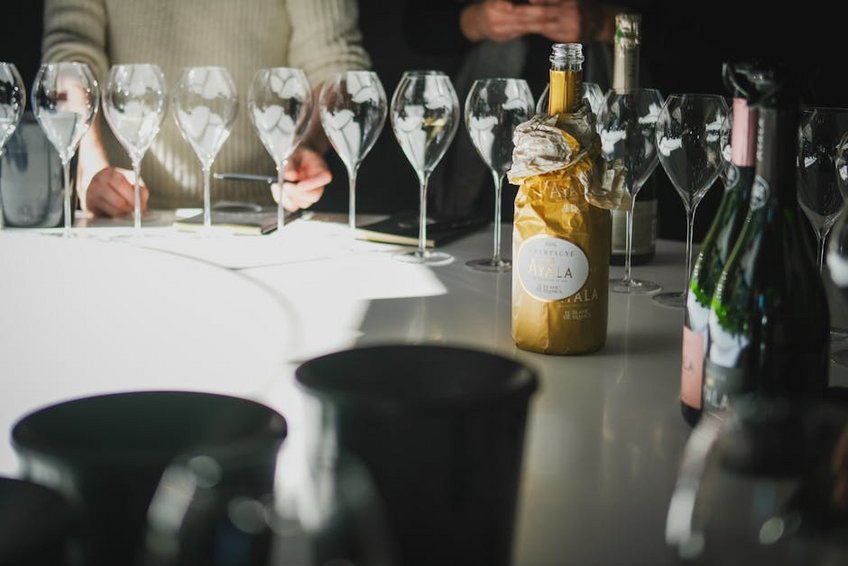
Alt: “bordeaux-vineyard-rolling-hills-historic-chateau-sunset”
Wine Region Tours in France – Planning Your Trip
Successfully planning wine region tours in France requires strategic decisions about timing, region selection, and travel style. The country’s vast offerings mean you must prioritize, as attempting to cover Bordeaux and Burgundy in one short trip involves excessive travel time. Instead, focus on one or two neighboring regions for a deeper, more relaxed immersion into their specific wine culture and countryside.
Your budget directly influences your experience. Self-guided touring with a rental car offers maximum flexibility, while joining small-group tours provides expert guidance and eliminates driving logistics. Luxury private tours offer bespoke itineraries with exclusive access to top estates. Each style has distinct advantages depending on your desired level of planning and engagement.
Best Time to Visit French Vineyards
The ideal months for French wine country travel are the shoulder seasons of May-June and September-October. During these periods, daytime temperatures range from a pleasant 60-75°F (15-24°C), crowds are thinner than in peak summer, and the vineyards are visually stunning—lush and green in spring or turning golden and red in autumn. September is particularly lively with the harvest (vendange), though some estates may restrict visits.
July and August bring warm weather, 80-90°F (27-32°C), but also European holiday crowds, higher prices, and potential closures in August. Winter (November-March) is very quiet, with temperatures of 35-50°F (2-10°C). While many wineries are open by appointment, the landscapes are dormant, and some rural restaurants and hotels may have limited hours.
Budget Planning and Costs
Daily costs can vary dramatically based on your choices for accommodation, tastings, and dining. Here’s a realistic breakdown.
Essential Preparation Checklist
Practical preparation ensures your wine-focused vacation is smooth and enjoyable. Beyond your passport, ensure your rental car has GPS (cell service can be spotty in rural areas) and familiarize yourself with local driving rules. If you plan to purchase wine to ship home, research international shipping services and customs allowances for your country in advance to avoid surprises.
Book key tasting appointments, especially at top châteaux or small domaines, at least one month ahead—two to three months for peak season. Pack a wine bottle protector sleeve or a small suitcase designed for bottles if you intend to transport a few special finds. Comfortable walking shoes are non-negotiable for vineyard walks and cellar tours, which often involve stone floors and stairs.
Top Tasting Experiences and Activities
Modern wine travel extends far beyond basic cellar visits. Many estates now offer immersive experiences like blending workshops, where you create your own cuvée, or vineyard tours by bicycle, electric bike, or even hot air balloon over Burgundy. Food pairing sessions, from simple cheese boards to elaborate multi-course lunches prepared by a resident chef, demonstrate the integral link between regional cuisine and wine.
Incorporate cultural elements to balance your itinerary. Spend a morning exploring a medieval village like Saint-Émilion in Bordeaux or Riquewihr in Alsace. Visit local food markets to gather picnic supplies. This holistic approach provides context and creates a more memorable journey than a relentless series of tastings alone.
Must-See Highlights by Region
In Bordeaux, the Cité du Vin museum in Bordeaux city offers a high-tech, global overview of wine culture before you head to the vineyards. A drive along the “Route des Châteaux” in the Médoc, visiting architectural icons like Château Margaux, is essential. Don’t miss the unique underground monolithic church carved into the limestone in Saint-Émilion.
In Burgundy, walk the hallowed paths of the Grand Cru vineyards on the slopes above Beaune, such as Romanée-Conti. Explore the ancient Hospices de Beaune with its iconic patterned roof. In Champagne, tour the vast, UNESCO-listed crayères (chalk cellars) of houses like Taittinger in Reims or Moët & Chandon in Épernay, which stretch for miles underground.
Hidden Gems and Local Favorites
Venture to lesser-known appellations for authentic encounters. In Bordeaux, explore the right bank’s Fronsac or Castillon areas for excellent value Merlot-based wines. In Burgundy, the villages of the Hautes-Côtes de Beaune or the Mâconnais region offer affordable, high-quality Burgundian styles without the prestige price tags of the Côte d’Or.
Seek out récoltant-manipulant (RM) producers in Champagne—growers who make and sell their own Champagne, often offering more distinctive, terroir-driven bottles than the large houses. In Provence, visit domaines in the inland, hilly areas away from the coast for more complex rosés and interesting reds, and combine your tasting with a visit to a local olive mill.
Masterclass and Workshop Opportunities
For a deeper educational dive, many regional wine schools or tourist boards offer short courses. In Bordeaux, the École du Vin offers introductory masterclasses. In Beaune, the Burgundy Wine School (L’École des Vins de Bourgogne) provides tastings and seminars. These sessions, often led by certified sommeliers, help you develop the vocabulary and tasting skills to better appreciate the nuances you’ll encounter throughout your journey.
Practical Travel Information for French Wine Country
Navigating French wine regions requires understanding local transportation and accommodation nuances. While major regions like Bordeaux and Burgundy have good train links between main cities (Bordeaux city, Dijon, Beaune), exploring the vineyards themselves almost always requires a car. This allows you to visit estates on your own schedule and discover scenic backroads. Consider hiring a driver for a day if you plan an intensive tasting itinerary.
Accommodation ranges from charming village bed-and-breakfasts to luxurious castle hotels. Staying in a central hub like Saint-Émilion, Beaune, or Reims gives you walkable access to restaurants and shops. Alternatively, a stay at a chambre d’hôte (guesthouse) on a working vineyard provides an immersive, agritourism experience, often with the hosts offering personal tasting recommendations.
| Transportation Type | Best For / Features | Approximate Daily Cost (USD) |
|---|---|---|
| Rental Car | Maximum flexibility for rural estates; requires designated driver; book automatic transmission early. | $50 – $120 + fuel |
| Private Driver/Guide | Full-day touring with expert commentary; no driving concerns; includes itinerary planning. | $500 – $900 per day |
| Small-Group Minibus Tour | Social, cost-effective; includes curated visits and transport from a central hub. | $120 – $250 per person/day |
| Regional Trains & Bikes | Best for specific compact areas like the Loire Valley (tours from Blois) or Alsace Wine Route. | $30 – $80 (train+bike rental) |