Waterfall Trips in Turkey: Your Guide to Cascading Adventures
Turkey’s diverse landscapes offer a unique adventure for nature enthusiasts, with waterfall trips providing an exceptional way to explore its hidden corners. From the roaring cascades of the Black Sea region to the serene pools of the Mediterranean, these journeys combine scenic beauty with refreshing escapes. This guide details the best routes, practical planning advice, and cultural insights for your Turkish waterfall exploration.
Essential Information About Turkish Waterfalls
Turkey’s waterfalls are spread across its seven geographical regions, each offering distinct scenery and climates. The lush, rainy northeast around Trabzon and Rize hosts powerful falls like Tortum and Uzungöl, fed by alpine snowmelt. In contrast, the southwestern Mediterranean coast near Antalya features falls like Düden and Kurşunlu, which flow year-round from underground rivers.
The geological history of Anatolia creates this variety, with tectonic activity and karst limestone formations shaping countless waterways. Many cascades hold cultural significance, featuring in local legends and often located near ancient ruins. Visiting these natural sites supports rural economies and promotes the conservation of Turkey’s vital freshwater ecosystems.
Regions and Their Signature Cascades
Understanding the regional layout helps you plan an efficient itinerary across this vast country.
- Black Sea Region (Karadeniz): Home to Turkey’s tallest and most powerful waterfalls, including the 48-meter Tortum Waterfall and the stunning Palovit Şelalesi near Ayder Yaylası. Expect verdant tea gardens, humid air, and a cooler climate.
- Mediterranean Region (Akdeniz): Features easily accessible falls like Antalya’s Düden and Manavgat, where water plunges directly into the sea. The climate is warmer, and these falls are often paired with beach visits.
- Eastern Anatolia Region: Offers remote and rugged cascades like the Cilo Sat Mountains’ falls, best for adventurous travelers seeking untouched landscapes and challenging access routes.
- Budget Traveler ($40-65/day): Rely on intercity buses and local dolmuş (shared minibuses) for transport. Stay in hostels or guesthouses, eat at local lokantas, and focus on free or low-cost entry waterfalls. This budget requires flexible timing and patience with public transit schedules.
- Mid-Range Explorer ($90-150/day): Rent a compact car for regional freedom, allowing access to remote cascades. Stay in comfortable boutique hotels or well-rated B&Bs, and enjoy meals at a mix of casual and mid-range restaurants. This offers the best balance of comfort and discovery.
- Luxury Nature Experience ($250+/day): Hire a private driver-guide with a 4×4 vehicle for off-road capability. Book stays at upscale eco-lodges or design hotels near natural parks, and dine at high-end restaurants featuring regional cuisine. This maximizes comfort, access, and interpretive guidance.
- Republic of Turkey Ministry of Culture and Tourism
- Lonely Planet Turkey Travel Guide
Seasonal Flow and Accessibility
Timing is crucial for a successful visit, as water volume changes dramatically. Spring (April to June) is peak flow season, with snowmelt creating thunderous cascades, especially in the northeast. Summer (July to September) offers warmer swimming conditions at coastal falls, though some mountain streams may reduce to a trickle by late August.
Autumn brings colorful foliage to forested waterfall areas, making October a picturesque time for photography. Winter visits are only feasible for lower-elevation falls near the southern coast, as many mountain roads in the Black Sea region close due to snow. Always check local conditions before traveling.
Conservation and Responsible Tourism
Many waterfall areas are protected within national parks or nature reserves. Adhering to marked trails prevents soil erosion and protects delicate plant life surrounding the waterways. Avoid using soaps or shampoos in the pools, as these chemicals disrupt aquatic ecosystems.
Support local communities by hiring regional guides, purchasing souvenirs from village cooperatives, and staying in family-run pensions. This sustainable approach helps ensure these natural wonders remain pristine for future visitors and continue to benefit the local population.
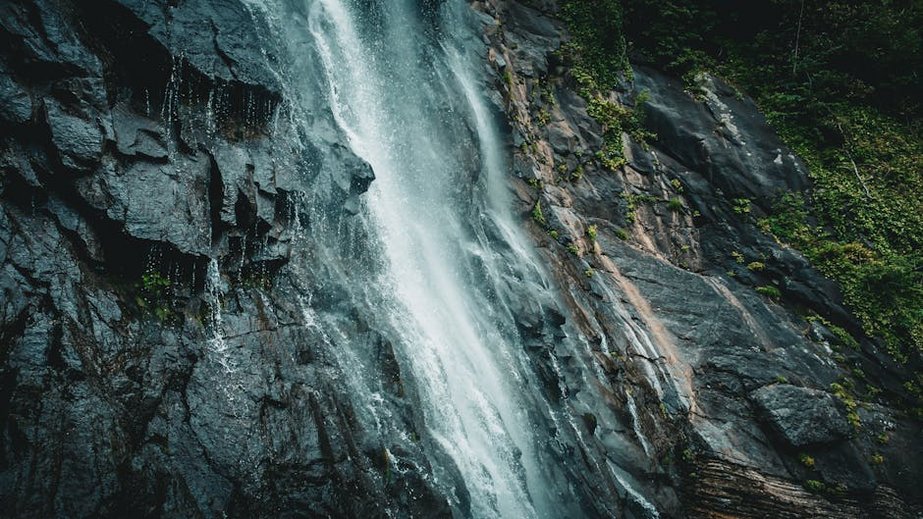
Alt: “tortum-waterfall-black-sea-region-turkey-lush-forest”
Waterfall Trips in Turkey – Planning Your Adventure
Organizing a multi-waterfall itinerary requires balancing geography, travel time, and personal interests. Focus on one or two regions per trip to maximize your time enjoying the scenery rather than driving. For a first-time visit, combining the Antalya coast waterfalls with a flight to Trabzon for the Black Sea highlights is highly effective.
Budget realistically for transportation, as reaching remote falls often requires rental cars or private drivers. Entrance fees for maintained park areas are typically modest, ranging from $2 to $5 per person. Allocate more funds for comfortable accommodations with hot water, a welcome amenity after a day of hiking and mist.
Best Time to Visit Turkish Waterfalls
Visit between late April and mid-June for the most impressive water displays across all regions. During these months, temperatures range from a pleasant 59-77°F (15-25°C), and the spring snowmelt ensures powerful flows. This period also avoids the peak domestic tourism rush in July and August.
Shoulder seasons like September and early October provide quieter visits with comfortable hiking weather, though some falls in the east may have reduced volume. For a winter escape, the waterfalls near Antalya remain accessible and dramatic, with average daily temperatures around 57°F (14°C) and fewer crowds.
Budget Planning and Costs
Your total cost depends heavily on transportation choices between dispersed natural sites.
Essential Preparation Checklist
Packing the right gear ensures safety and enjoyment on slippery trails and in changeable mountain weather. Waterproof hiking shoes with aggressive tread are non-negotiable. Bring a lightweight rain jacket, quick-dry trousers, and a spare set of clothes to change into after getting soaked by the mist.
Ensure your travel insurance covers moderate hiking and any potential activities like canyoning. For most Western passport holders, an e-Visa obtained online before arrival is required. Download offline maps like Maps.me for trail navigation, and carry a small first-aid kit with blister plasters.
Top Waterfall Attractions and Activities
Turkey’s most famous cascades offer more than just a photo opportunity. Düden Waterfall in Antalya splits into upper and lower sections, with the lower falls dramatically pouring directly into the Mediterranean Sea—a unique sight best viewed from a boat tour. Meanwhile, Manavgat Waterfall provides a broad, powerful flow perfect for a picnic on its surrounding rocks.
In the northeast, the Tortum Waterfall near Erzurum plunges 48 meters into a deep, emerald-green pool, with a viewing platform that lets you feel the spray. For a serene experience, the hidden pools and multiple tiers of Kurşunlu Waterfall near Antalya create a peaceful forest atmosphere ideal for birdwatching and relaxation.
Must-See Highlights
Prioritize these iconic falls for their accessibility and dramatic impact. Lower Düden Waterfall is easily reached via Antalya’s city bus network, with no entry fee for the seaside park. Visit in the late afternoon when the sun lights up the spray, and combine it with a walk along the adjacent cliffs.
Tortum Waterfall requires a longer journey but rewards with its sheer power. The viewing area has a small entry fee and basic facilities. For a full-day trip from Trabzon, pair it with a visit to the stunning Uzungöl lake. The sound and force of the water here are genuinely unforgettable.
Hidden Gems and Local Favorites
Venture beyond the guidebooks to discover cascades cherished by locals. Palovit Şelalesi, located on the road to Ayder Plateau, is a towering veil of water framed by ancient forest. Access involves a short, well-maintained path, and you’ll often find vendors selling fresh honey and tea from the region.
Near Fethiye, Saklıkent Canyon isn’t a traditional waterfall but offers a thrilling wading experience through a deep, cold gorge with rushing water—a fantastic alternative on a hot day. In the Bolu province, the Göynük Canyon waterfalls are a series of small, picturesque cascades along a beautiful hiking trail, often overlooked by international tourists.
Combining Waterfalls with Cultural Sites
Many waterfalls are situated near significant historical ruins, allowing for rich combination days. After visiting the Upper Düden Waterfall park, explore the ancient city of Termessos, an impressive Pisidian city built high in the mountains. The scenic drive connects nature and history seamlessly.
In the Black Sea region, a trip to the Sümela Monastery from Trabzon can easily include stops at smaller cascades along the Altındere Valley. This integration of natural wonder and cultural heritage defines the best Turkish travel experiences, providing depth and variety to your itinerary.
Practical Travel Information and Logistics
Navigating Turkey’s diverse terrain to reach waterfalls involves understanding the local transport ecosystem. Major hubs like Istanbul, Ankara, Izmir, and Antalya have international airports with frequent domestic connections to regional airports in Trabzon, Kayseri, and Dalaman. Domestic flights are affordable and save considerable time.
For maximum flexibility, especially for visiting multiple falls in a single region, renting a car is highly recommended. Turkish roads are generally good, though mountain passes in the northeast can be narrow and winding. Reliable bus companies like Metro and Kâmil Koç connect all major cities and many smaller towns.
| Accommodation Type | Best For/Features | Price Range (USD/Night) |
|---|---|---|
| Mountain Pensions (Pansiyon) | Authentic stays near remote falls; home-cooked meals, family-run. | $25 – $45 |
| City Boutique Hotels | Exploring urban-based falls like Düden; modern amenities, central location. | $60 – $120 |
| Riverside Eco-Lodges | Immersion in nature; sustainable design, guided hikes included. | $100 – $200 |
| Coastal Resort Hotels | Combining sea & waterfall trips; pools, spas, beach access. | $80 – $250+ |