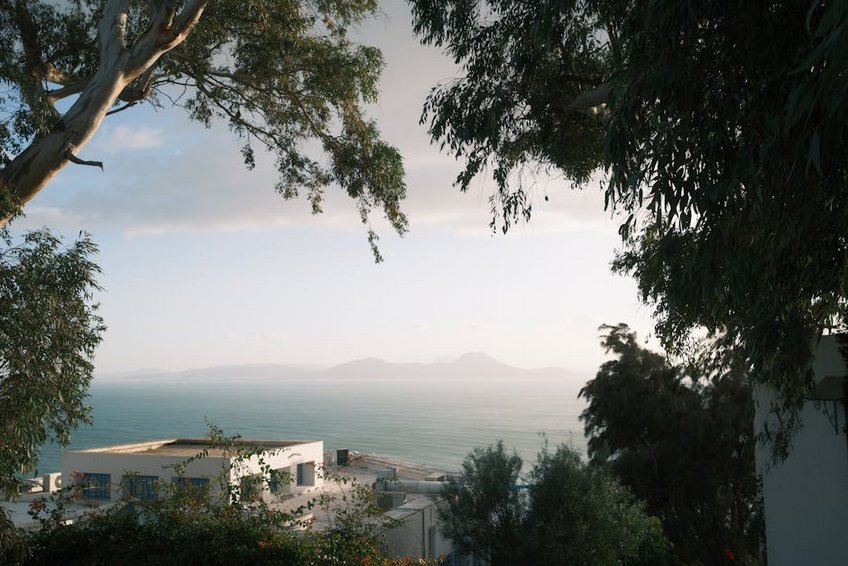
Tunis Travel Guide: Discover History, Culture, and Mediterranean Charm
Exploring the Tunisian capital offers a captivating blend of ancient history, vibrant souks, and serene Mediterranean coastline accessible within a short flight from Europe. Your comprehensive Tunis travel guide begins with navigating the UNESCO-listed Medina, tasting authentic couscous, and planning day trips to legendary Carthage. This guide details essential logistics, cultural etiquette, and hidden gems for a seamless North African adventure tailored to Western travelers.
Essential Tunis Information
Tunis serves as the political and cultural heart of Tunisia, a North African nation bordering Algeria and Libya along the Mediterranean Sea. The city’s climate features hot, dry summers and mild, rainy winters, with temperatures ranging from 50°F to 95°F (10°C to 35°C) annually. French and Arabic are the official languages, though English is commonly understood in tourist areas and major hotels.
The Tunisian Dinar (TND) is the local currency, and credit cards are widely accepted in established restaurants and shops. US and EU passport holders enjoy visa-free entry for stays up to 90 days, requiring only a passport valid for six months beyond departure. Modern Tunis blends European-inspired architecture in the Ville Nouvelle with the timeless alleyways of its ancient Arab Medina.
Key Historical Context
Understanding these historical layers enriches any visit to this multifaceted capital.
- Founded by Berbers, Tunis rose under the Hafsid dynasty in the 13th century, establishing its Great Mosque and Medina as major Islamic centers of trade and scholarship.
- Ottoman rule from the 16th century introduced new architectural styles and solidified the city’s role as a provincial capital, leaving landmarks like the Sidi Mahrez Mosque.
- The French Protectorate (1881-1956) created the modern Ville Nouvelle district, resulting in the striking contrast between the old walled city and the French colonial avenues seen today.
- Budget travelers can manage on $40-$60 per day by staying in a Medina guesthouse (Dar), eating street food like ‘brik’ and ‘shawarma,’ using the light rail (TGM), and visiting free public beaches and markets.
- Mid-range visitors spending $100-$150 daily enjoy boutique hotels in the Ville Nouvelle, restaurant meals, guided Medina tours ($20-$30), taxis for longer trips, and entrance fees to major sites like the Bardo Museum.
- Luxury trips at $250+ per day feature 5-star beachfront resorts in Gammarth, private chauffeur guides, fine dining at venues like Le Golfe, and curated shopping experiences for ceramics and carpets.
- Tunisia National Tourist Office (ONTT)
- Lonely Planet Tunisia Travel Guide
Navigating Cultural Norms
Tunisian culture is generally liberal by regional standards, but respecting local customs ensures a smoother experience. Dress modestly when visiting religious sites, covering shoulders and knees, though Western attire is acceptable in beach resorts and modern cafes. A friendly “Aslema” (hello) or “Shukran” (thank you) in Arabic is appreciated, even if most service staff speak functional French or English.
Haggling is expected in the Medina’s souks, but do so with a smile and respectful demeanor for the best prices on ceramics and textiles. Tipping is not mandatory but leaving 5-10% for good service in restaurants or a few dinars for guides is a standard practice. Friday is the Muslim holy day, so some smaller shops may close for midday prayers.
Health and Safety Overview
Tunis is considered safe for tourists, with a visible police presence in central areas and near hotels. Petty theft like pickpocketing can occur in crowded markets, so keep valuables secure and use hotel safes. Tap water in the city is generally treated but drinking bottled water is recommended for visitors to avoid stomach discomfort.
Pharmacies are plentiful and well-stocked, and major hospitals in the Lac and Berges du Lac districts meet international standards. Travel insurance covering medical evacuation is strongly advised. Summer sun is intense, requiring high-SPF sunscreen, hats, and constant hydration, especially when exploring open archaeological sites.
Alt: “tunis-medina-ancient-souk-arched-alleyway-merchant-stalls”
Tunis Travel Guide – Planning Your Trip
Strategic planning transforms a visit to this North African capital from good to exceptional, balancing historic exploration with coastal relaxation. Your Tunis travel guide itinerary should allocate days for the Medina’s labyrinth, Carthage’s ruins, and the blue-and-white village of Sidi Bou Said. Consider splitting your stay between a central hotel for culture and a seaside resort in La Marsa or Gammarth for beach access.
Book accommodations at least two months in advance for peak season visits between March and May. Travelers can manage a moderate budget here, as museum entry fees are low and delicious street food costs only a few dollars. A successful trip hinges on comfortable walking shoes for uneven Medina paths and a lightweight scarf for sun protection or mosque visits.
Best Time to Visit Tunis
Spring (March to May) offers the ideal conditions with mild temperatures between 60°F and 75°F (16°C-24°C), blooming jasmine, and minimal rain. This is the perfect window for walking tours before the summer heat intensifies and the peak tourist crowds arrive in June. Hotel rates are reasonable during this shoulder season, and cultural festivals often enliven the city.
Fall (September to November) provides similar pleasant weather, with warm sea temperatures ideal for swimming after the summer crowds dissipate. July and August bring intense heat exceeding 95°F (35°C), making midday exploration challenging, though coastal breezes offer relief. Winter (December-February) is cooler and rainy but uncrowded, with hotel discounts and a vibrant local scene.
Budget Planning and Costs
Daily costs vary significantly based on your travel style and accommodation choices.
Essential Preparation Checklist
Pack light, breathable clothing for summer, plus a jacket and umbrella for winter visits and mosque-appropriate attire. Essential items include a universal power adapter (Type C/E, 230V), high-SPF sunscreen, a reusable water bottle, and a cross-body bag for secure carrying in markets. Download offline maps and a translation app, as Wi-Fi can be sporadic in the old city’s narrow lanes.
Ensure your passport has six months’ validity and check entry requirements, though visas are not required for short tourist stays from the US, Canada, and EU. Book key guided tours and popular restaurants like Fondouk El Attarine at least a week in advance. Consider purchasing a local SIM card at Tunis-Carthage Airport for affordable data to navigate and translate on the go.
Top Attractions and Cultural Experiences
The Tunisian capital dazzles with layers of history, from Punic ruins to Ottoman palaces, all within a compact metropolitan area. Start your exploration in the heart of the old city, a UNESCO World Heritage site buzzing with artisan workshops and aromatic food stalls. Then, venture to the picturesque seaside suburbs where blue doors and bougainvillea create iconic Mediterranean scenes.
Allocate at least one full day for the Medina and another for the coastal circuit encompassing Carthage, Sidi Bou Said, and the modern Tunisian Heritage Museum. Many sites are within walking distance or a short, inexpensive taxi ride from central hotels. Purchase a combined ticket for the Carthage archaeological site to access multiple ruins efficiently.
Must-See Historical Highlights
The Bardo National Museum, housed in a 19th-century Beylical palace, holds the world’s finest collection of Roman mosaics, vividly depicting ancient daily life. Allow two hours to admire these intricate artworks and the Islamic art wing. Entry costs about 10 TND ($3.30), and guided tours in English are highly recommended to understand the historical context.
The Medina of Tunis, a maze of over 700 monuments, demands a half-day minimum. Key landmarks include the Zaytuna Mosque, the spiritual heart of the city, and the vibrant Souk des Chéchias, the traditional red felt cap market. Hiring a licensed guide for 40-50 TND ($13-$17) for 3 hours is invaluable for navigating and understanding the Medina’s history.
Ancient Carthage, a short train ride north, sprawls across a scenic seaside suburb. The Antonine Baths and the hilltop Byrsa district, offering panoramic views, are the most impressive ruins. The Carthage National Museum provides essential background. Plan for 3-4 hours to explore the scattered sites comfortably.
Hidden Gems and Local Favorites
Venture beyond the main souks to the tranquil Dar Ben Abdallah Palace, now the Museum of Popular Arts and Traditions, showcasing 18th-century aristocratic life. Its ornate courtyards offer a quiet respite from the Medina’s bustle. Similarly, the lesser-visited Dar Lasram, a beautifully restored mansion, provides insight into traditional Tunisian architecture without the crowds.
For a contemporary cultural fix, visit the bustling Lac Passage in the modern Lac district, lined with trendy cafes, art galleries, and design shops. Locals flock here in the evening. Another authentic experience is attending a football match at the Stade Olympique de Radès when the national team plays, immersing you in passionate local spirit.
Coastal Exploration: Sidi Bou Said & La Marsa
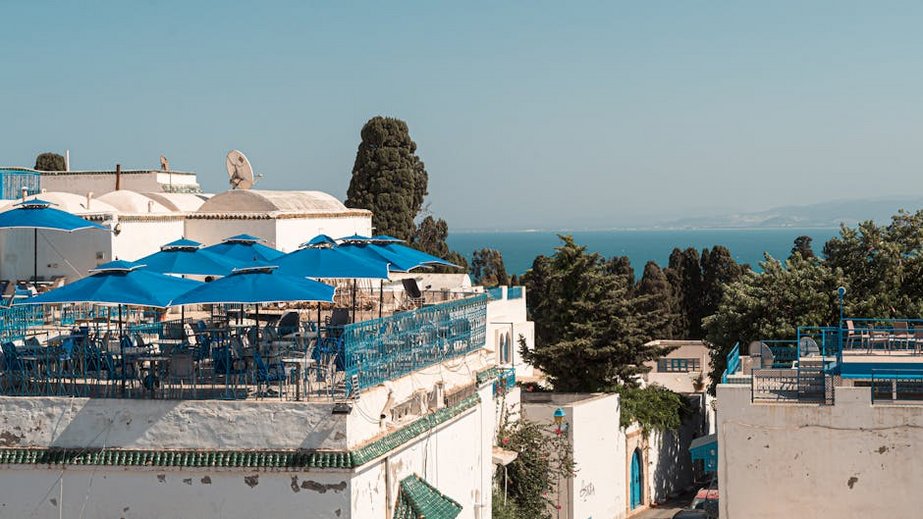
The cliffside village of Sidi Bou Said, with its iconic blue doors and white walls, is a photographer’s paradise just 20 minutes from central Tunis. Stroll along the main Rue Habib Thameur, sip mint tea at Café des Nattes, and browse the small art galleries. Go early to avoid the midday tour bus crowds for the best photos.
Adjacent La Marsa offers a more local beach scene at Plage de la Corniche and upscale seafood restaurants like Le Rest’O. This area is perfect for an afternoon of swimming and sunbathing after a morning of sightseeing. The TGM light rail line connects Tunis Marine station directly to both Sidi Bou Said and La Marsa for under 1 TND ($0.30).
Practical Travel Information and Logistics
Navigating this North African hub is straightforward with a basic understanding of its transportation networks and accommodation landscape. Tunis-Carthage International Airport (TUN) is the primary gateway, located just 5 miles (8 km) from the city center, making for quick transfers. Within the city, a mix of modern taxis, a light rail line (TGM), and a nascent metro system serves most tourist needs efficiently.
Accommodation options are diverse, from historic *dars* (traditional houses) in the Medina to international chain hotels along the Avenue Habib Bourguiba and luxurious seaside resorts. Booking platforms like Booking.com feature most properties, but some boutique riads prefer direct reservations via email or phone for the best rates and service.
| Accommodation Type | Best For / Features | Avg. Nightly Rate (USD) |
|---|---|---|
| Medina Guesthouse (Dar) | Atmosphere & culture, traditional architecture, central location for souks | $40 – $80 |
| City Center Business Hotel | Convenience & amenities, modern comfort, near Avenue Habib Bourguiba | $80 – $150 |
| Boutique Design Hotel | Style & experience, unique decor, personalized service in Lac or Berges du Lac | $120 – $250 |
| Beachfront Resort | Luxury & relaxation, pools, spas, and private beach access in Gammarth | $200 – $400+ |