Temple Routes in Thailand: A Cultural Journey Through Ancient Kingdoms
Exploring temple routes in Thailand offers a profound journey through the country’s spiritual heritage, architectural genius, and complex history. You will encounter structures ranging from ninth-century Khmer ruins to opulent eighteenth-century royal temples, each revealing different artistic influences and religious narratives. This guide provides the practical details and historical context needed to design your own pilgrimage through these sacred landscapes, focusing on accessibility, timing, and cultural respect.
Understanding Thailand’s Temple Heritage
Thai temples, known as ‘wats’, are active religious centers that serve as the heart of community life. They are classified into two main types: royal temples, which were built under royal patronage and often house important Buddha images, and public temples, which are funded by local communities. The architecture you see today is a result of centuries of evolution, from the Mon and Khmer influences in the north and northeast to the classic Sukhothai and elaborate Rattanakosin styles of the central plains.
The historical timeline is marked by distinct kingdoms. The Dvaravati period (6th-11th centuries) left few remains, while the Khmer Empire (9th-13th centuries) built magnificent stone temples like those found in Phimai. The Sukhothai Kingdom (13th-15th centuries) introduced the graceful ‘walking Buddha’ image and bell-shaped chedis. This era was followed by Ayutthaya, known for its towering prangs, and finally the current Rattanakosin era, which produced Bangkok’s glittering Grand Palace complex.
Key Architectural Styles to Recognize
Recognizing different styles will deepen your appreciation as you travel between regions. Here are the primary styles you will encounter on major temple circuits.
- Khmer Style: Found in Isaan (Northeastern Thailand), characterized by stone construction, intricate carvings of Hindu deities, and towering ‘prang’ towers. Prasat Hin Phimai is a perfect example, built as a Hindu shrine later adapted for Buddhism.
- Sukhothai Style: Notable for its lotus-bud chedis (stupas), slender walking Buddha statues, and mandapa-style assembly halls. The ruins at Sukhothai Historical Park showcase this elegant and uniquely Thai aesthetic born in the first Siamese capital.
- Ayutthaya Style: More robust and imposing, with taller, corn-cob shaped prangs, and brick-and-stucco construction. The iconic Buddha head entwined in tree roots at Wat Mahathat is a classic image from this powerful kingdom that ruled for over 400 years.
- Budget Traveler ($700-$1000): Costs cover dorm beds or basic guesthouses ($10-$20/night), local buses and trains, street food, and temple entry fees ($2-$8 per site). Focus on one or two regions, like Central Thailand (Ayutthaya, Lopburi) and the North (Sukhothai, Lampang), to minimize transport costs. Overnight buses are key for saving on accommodation while moving between cities.
- Mid-Range Traveler ($1800-$2800): Allows for private rooms in 3-4 star hotels ($40-$80/night), some domestic flights (e.g., Bangkok to Chiang Rai for $50-$80), guided day tours for specific parks, and meals at local restaurants. This budget provides more comfort and flexibility to visit three regions, such as adding Northeastern Thailand (Phimai, Phanom Rung) to the itinerary.
- Luxury Traveler ($4500+): Encompasses stays in luxury hotels and unique resorts ($150+/night), private car hire with a knowledgeable driver-guide, exclusive access to special temple areas or meditation sessions, and fine dining. This level allows for a comprehensive, relaxed circuit covering all major historical periods without logistical stress.
- Tourism Authority of Thailand
- The Fine Arts Department of Thailand – for historical site information
The Role of Buddhism in Temple Design
Every architectural element has symbolic meaning rooted in Theravada Buddhist teachings. The central chedi (stupa) represents the Buddha’s enlightenment and often contains relics. The viharn (assembly hall) is where monks and laypeople congregate for ceremonies, while the ubosot (ordination hall) is the most sacred building, demarcated by eight boundary stones.
Murals inside these halls are not mere decoration; they depict the Jataka tales (stories of the Buddha’s past lives), scenes of heaven and hell, and historical events. The orientation of buildings, the number of tiers on a roof, and the positioning of naga (serpent) guardians all follow cosmological principles designed to guide devotees toward mindfulness and merit-making.
Essential Temple Etiquette
Observing proper conduct is a sign of respect and will enhance your experience. Dress modestly by covering shoulders and knees; many popular temples offer sarong rentals at the entrance. Always remove your shoes before entering any building where a Buddha image is housed, which includes virtually all indoor structures.
When sitting in a temple, avoid pointing your feet toward Buddha images or monks, as feet are considered the lowest part of the body. Speak quietly, and never climb on ruins or Buddha statues for photos. Making a small donation when lighting incense or receiving a blessing is customary and supports the temple’s upkeep.
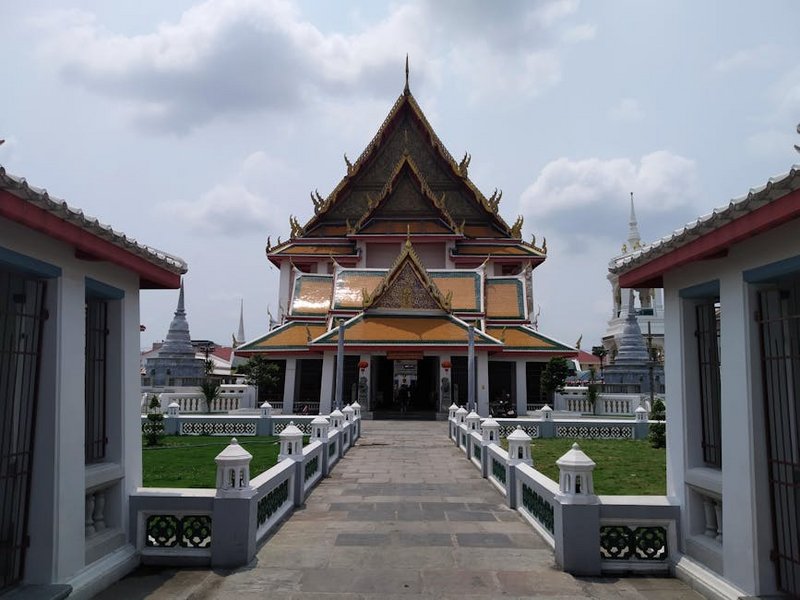
Alt: “ancient-thai-temple-prang-architecture-sunlight”
Temple Routes in Thailand – Planning Your Pilgrimage
Designing effective temple routes in Thailand requires balancing geographical logic with historical chronology. The country’s regions offer distinct temple experiences, from the jungle-clad ruins of the north to the Khmer sanctuaries of the northeast. A successful itinerary connects these dots with efficient travel, considers seasonal weather extremes, and allocates time for reflection beyond just photography.
Your budget will dictate pace and comfort. Backpacker routes rely on overnight buses and guesthouses near old city centers, while mid-range travelers can use domestic flights and boutique hotels. Luxury trips might include private guides with doctorates in art history and stays in restored heritage properties. Regardless of budget, always carry cash (Thai Baht) for entrance fees, local transport, and donations at smaller, less-commercialized wats.
Invest in a good guidebook for background reading and download offline maps like Maps.me for navigating large historical parks. Purchasing a combined ticket for parks like Ayutthaya or Sukhothai saves money if you plan to visit multiple sites. Remember that the cultural journey is as much about observing present-day worship as it is about admiring ancient stones.
Best Time to Visit Thai Temples
The ideal window for temple touring is during the cool, dry season from November to early February. Daytime temperatures range from a pleasant 75°F to 85°F (24°C to 29°C), with low humidity and minimal rain. This is peak tourist season, so expect crowds at major sites like Wat Arun and the Grand Palace; arrive at opening time (typically 8 AM) to avoid the worst of the heat and bus tours.
The hot season (March to June) sees temperatures soar above 95°F (35°C), making extensive walking in open historical parks challenging. The rainy season (July to October) brings lush greenery but daily downpours, which can flood some temple grounds. However, this period offers fewer tourists and dramatic skies for photography. Major Buddhist holidays like Makha Bucha or Visakha Bucha are beautiful times to witness ceremonies but can mean temple closures for parts of the day.
Budget Planning and Costs
A temple-focused trip can be tailored to any budget. Here is a breakdown of typical costs for a two-week journey.
Essential Preparation Checklist
Packing correctly is crucial for comfort and respect. Essential items include lightweight, loose-fitting clothing that covers shoulders and knees (pack a long scarf or sarong for quick cover-ups), comfortable walking shoes you can easily remove, a refillable water bottle, high-SPF sunscreen, and a wide-brimmed hat. A small headlamp is useful for exploring dimly lit temple interiors and mural halls.
Ensure your passport has at least six months validity. While most travelers receive a 30-day visa exemption on arrival, check requirements for your nationality. Purchase travel insurance that covers medical evacuation. Book key domestic flights and popular heritage hotels at least three months in advance for peak season travel. Download the Grab app for reliable taxi services in cities.
Top Regional Temple Circuits and Highlights
Thailand’s temple heritage is best explored regionally to minimize travel time and appreciate stylistic evolution. The Central Plains hold the ancient capitals of Ayutthaya and Sukhothai. The Northeast (Isaan) features magnificent Khmer ruins. The Northern Lanna Kingdom has its own distinctive aesthetic, while Bangkok showcases the grandeur of the current dynasty.
Each circuit requires a different base and travel strategy. The central routes are easily accessible from Bangkok by train or minivan. The northeastern circuit involves longer bus journeys but offers a more rustic, less-visited experience. Northern routes combine temple viewing with hill tribe culture and cooler climate. Mixing two circuits in one trip provides a well-rounded understanding of Siam’s artistic journey.
The Ancient Capitals Circuit: Sukhothai & Ayutthaya
Sukhothai Historical Park, a UNESCO site, is the birthplace of Thai art and architecture. Spend a full day renting a bicycle to explore its five zones, with the central zone containing the masterpiece Wat Mahathat. Stay in nearby New Sukhothai town and visit the complementary sites at Si Satchanalai, which are quieter and equally impressive.
Ayutthaya Historical Park, another UNESCO site, is a day trip from Bangkok but deserves an overnight stay. The park is sprawling, so hire a tuk-tuk driver for the day to see key ruins like Wat Phra Si Sanphet (the royal temple) and Wat Chaiwatthanaram, stunning at sunset. The newer Chao Sam Phraya National Museum is essential for viewing artifacts rescued from the ruins.
The Khmer Empire Corridor: Isaan’s Stone Temples
This route explores Thailand’s share of the Angkorian empire. Prasat Hin Phimai in Nakhon Ratchasima is the largest and most accessible, designed as a Buddhist temple with a layout mirroring Angkor Wat. Further east, Prasat Phanom Rung sits dramatically atop an extinct volcano, aligned so the sun shines through all fifteen doorways during solar phenomena in April and September.
Nearby Prasat Muang Tam, with its serene baray (reservoir) and intricate lintel carvings, completes a powerful day trip. Base yourself in either Nakhon Ratchasima (Korat) or Buriram. This circuit is best visited from October to March, as the summer heat in this region can be intense. These sites offer a profound sense of discovery with far fewer visitors than their Cambodian counterparts.
The Lanna Kingdom Trail: Chiang Mai, Chiang Rai & Lampang
Northern Thai temples reflect Burmese and Sri Lankan influences. In Chiang Mai, don’t miss Wat Phra Singh for classic Lanna architecture and Wat Doi Suthep, perched on a mountain with panoramic views. In Chiang Rai, the contemporary White Temple (Wat Rong Khun) and the striking Blue Temple (Wat Rong Suea Ten) offer a modern interpretation of sacred art.
Lampang, often overlooked, features unique Burmese-style temples like Wat Phra That Lampang Luang, a fortified wooden complex considered one of the finest examples of Lanna architecture. This northern circuit blends temple visits with opportunities for trekking, cooking classes, and cooler mountain climates, making for a varied and enriching travel experience.
Practical Travel and Logistics
Navigating Thailand’s temple routes requires a mix of transport modes. Domestic flights operated by airlines like Bangkok Airways, Air Asia, and Nok Air efficiently connect Bangkok (BKK or DMK) with Chiang Mai, Chiang Rai, Ubon Ratchathani (for Isaan), and Sukhothai (via small airport). For shorter hops, trains and buses are economical and scenic.
Accommodation ranges from hostels in old city quarters to resorts near national parks. In historical cities like Ayutthaya and Sukhothai, stay as close to the historical parks as possible to maximize early morning and late afternoon visiting times when light is best and crowds are thin. In Bangkok, the Rattanakosin Island area puts you within walking distance of the Grand Palace and Wat Pho.
| Route Type | Key Temples & Stops | Recommended Duration |
|---|---|---|
| Central Plains Loop | Ayutthaya, Lopburi, Sukhothai, Kamphaeng Phet | 5-7 Days |
| Isaan Khmer Circuit | Phimai, Phanom Rung, Muang Tam, Surin (for elephant festival) | 4-6 Days |
| Northern Lanna Trail | Chiang Mai (Doi Suthep, Old City), Chiang Rai (White Temple), Lampang | 5-7 Days |
| Bangkok & Nearby | Grand Palace/Wat Phra Kaew, Wat Arun, Wat Pho, Ayutthaya (day trip) | 3-4 Days |