Tbilisi Travel Guide: Explore Georgia’s Historic Capital
This Tbilisi travel guide introduces you to Georgia’s vibrant capital, a city layered with history at the crossroads of Europe and Asia. Your visit connects you to ancient thermal baths, a stunning Old Town, and a dynamic arts scene fueled by remarkable cuisine and wine. This guide provides essential logistics, cultural insights, and local tips to craft an authentic experience in this captivating metropolis.
Essential Tbilisi Information
Tbilisi serves as Georgia’s cultural and political heart, with a history stretching back to the 5th century. The city’s name derives from ‘tbili,’ meaning warm, referencing the sulfurous hot springs founding king Vakhtang Gorgasali supposedly discovered. This unique geography created a historic bathing district that remains central to the city’s identity today.
The city’s architecture tells a story of diverse influences, from Persian and Byzantine to Russian and modern European. You’ll find ornate Art Nouveau buildings alongside traditional wooden balconies and sleek contemporary structures. This blend creates a constantly evolving urban landscape that rewards exploration on foot.
Key Historical Context
Understanding a few historical pillars enriches any visit.
- Ancient Foundations: Established as the capital in the 6th century, Tbilisi’s strategic location on the Silk Road attracted various empires, including Persian, Arab, and Mongol, each leaving a distinct cultural imprint.
- Soviet Era & Independence: Following nearly 70 years under Soviet rule, Georgia declared independence in 1991. The subsequent decades involved significant transformation, with Tbilisi emerging as a symbol of national rebirth and European aspiration.
- Modern Renaissance: The last 15 years have seen massive urban renewal, particularly in the Old Town and Rike Park, blending restoration of historic sites with ambitious new projects like the Peace Bridge.
- Budget Traveler ($40-60 USD/day): Stay in a guesthouse or hostel, eat at local bakeries and casual ‘khingali’ (dumpling) joints, use the metro, and focus on free sights like hiking to the Mother of Georgia statue or exploring the Dry Bridge Market.
- Mid-Range Traveler ($80-120 USD/day): This budget allows for a comfortable boutique hotel in Sololaki, daily restaurant meals at excellent traditional eateries, taxi rides between districts, and paid entries to museums like the Georgian National Museum.
- Luxury Traveler ($200+ USD/day): Opt for a five-star hotel with a river view, private guided tours of historic sites, degustation menus at top-tier restaurants like Barbarestan, and private driver services for wine-tasting day trips to nearby regions.
- Georgia National Tourism Administration
- Lonely Planet Tbilisi Guide
Geography and Climate
Tbilisi sprawls along the steep banks of the Mtkvari River, nestled in the South Caucasus. This topography creates distinct neighborhoods with dramatic views. The city experiences a humid subtropical climate with marked seasonal shifts.
Summers are hot and dry, with July averages reaching 88°F (31°C). Winters are cold but relatively mild, with January lows around 32°F (0°C). Spring and autumn offer the most pleasant weather for extensive walking, with comfortable temperatures and blooming flora or colorful foliage.
Language and Local Customs
The official language is Georgian, which uses its own unique Mkhedruli script. While this can seem daunting, English is widely spoken in tourist areas, hotels, and by younger residents. Learning a few Georgian phrases like “gamarjoba” (hello) and “madloba” (thank you) is greatly appreciated.
Georgian hospitality is legendary, often expressed through supra (feasts) with endless toasts led by a tamada (toastmaster). When invited, participating respectfully in this ritual is a profound cultural experience. Always accept food and drink offerings when possible, as refusal can be seen as impolite.
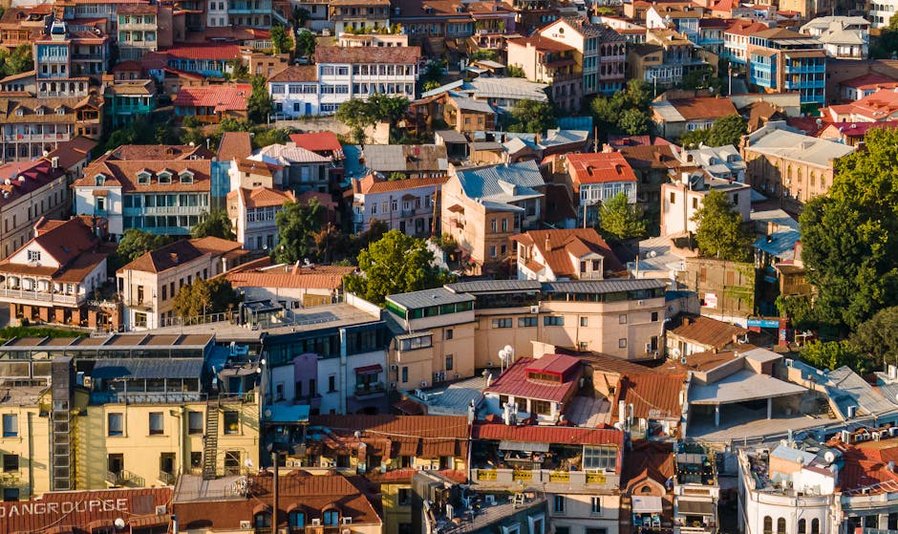
Alt: “tbilisi-old-town-sulfur-baths-cobblestone-streets”
Tbilisi – Planning Your Trip
Successful travel to this destination requires understanding its seasonal rhythms and logistical nuances. Your Tbilisi itinerary should balance iconic sights with leisurely exploration of its distinct neighborhoods. Advance planning for key attractions ensures you maximize your time without feeling rushed.
Consider your primary interests—history, food, wine, or hiking—to tailor your days effectively. The city is very walkable in its core, but comfortable shoes are non-negotiable for its cobbled hills. Allocate time simply for getting lost in the labyrinthine streets of Old Tbilisi.
Best Time to Visit Tbilisi
The ideal months are late April to early June and September to October. During these periods, daytime temperatures range from a pleasant 65-75°F (18-24°C). Crowds are manageable, and the weather is perfect for outdoor cafes and hiking to the Narikala Fortress.
July and August can be intensely hot, often exceeding 90°F (32°C), though this is peak festival season. Winter, from December to February, is cold with potential snow, creating a magical atmosphere but limiting some day trips. The thermal baths are particularly appealing during this cooler season.
Budget Planning and Costs
Georgia remains an excellent value destination, though Tbilisi is slightly pricier than rural areas.
Essential Preparation Checklist
Pack layers to accommodate variable weather, including a light jacket for cool evenings even in summer. A sturdy pair of walking shoes with good grip is the single most important item for navigating Tbilisi’s uneven, often steep, pathways and staircases.
Ensure your passport has at least six months’ validity. Most Western nationals (US, EU, UK, Canada, Australia) receive a one-year visa-free stay upon arrival. Purchase travel insurance that covers medical emergencies. For electronics, Georgia uses Type C and F plugs (220V), so bring a suitable adapter.
Top Attractions and Cultural Sites
The capital’s charm lies in its seamless mix of ancient landmarks and contemporary energy. Start in the Old Town, a UNESCO-listed area where you can feel centuries of history in the winding lanes. From there, explore districts like Sololaki for stunning Art Nouveau architecture or Mtatsminda for panoramic city views.
Beyond the obvious sites, dedicate time to the city’s vibrant creative scene. Visit the Tbilisi Auto Museum for a quirky collection or the Fabrika complex, a former Soviet sewing factory transformed into a hub for cafes, shops, and artist studios.
Must-See Historical Highlights
Narikala Fortress, dating to the 4th century, offers the city’s definitive postcard view. You can hike up or take a cable car from Rike Park. Nearby, the Kartlis Deda (Mother of Georgia) statue stands as a symbol of the national character, holding a sword for enemies and a cup of wine for friends.
The Holy Trinity Cathedral (Sameba) is one of the largest Eastern Orthodox cathedrals in the world. Its grandeur is breathtaking, especially at sunset. Entry is free, and it provides insight into the deep role of the Orthodox Church in Georgian society. Allow at least an hour to appreciate its scale and interior.
Hidden Gems and Local Favorites
Venture beyond the Old Town to the Marjanishvili district. This area boasts beautiful 19th-century architecture, trendy vinyl record stores, and some of the city’s best international cuisine. It’s a glimpse into the stylish, modern side of local life away from the main tourist trail.
For a unique experience, visit the Chronicles of Georgia monument, a massive Soviet-era structure north of the city. Its 35-meter-high columns depict Georgian kings and Christian history. It’s rarely crowded and provides another spectacular, albeit different, vantage point over the Tbilisi Sea reservoir.
The Sulfur Bath District (Abanotubani)
No visit is complete without exploring the iconic bath district, identifiable by its brick-domed roofs. These baths built over natural hot springs are central to the city’s origin story. You can choose between private rooms or public sections, with options for exfoliating massages (“kisi kisi”).
Orbeliani Baths, with its striking blue-tiled Persian facade, is the most photogenic. For a more local experience, try the simpler, more affordable baths. Remember to bring your own swimsuit and towel if not opting for a premium private package which typically includes these.
Practical Travel Information and Logistics
Navigating the city is straightforward thanks to an efficient and inexpensive metro system. Purchase a rechargeable MetroMoney card for 2 GEL (about $0.70 USD), then load it with credit. Each ride costs 1 GEL, and the card also works on city buses. The metro’s deep Soviet-era stations are attractions in themselves.
Taxis are plentiful and cheap by Western standards. Always use a meter or agree on a price beforehand to avoid overcharging. For maximum convenience and price transparency, use the Bolt or Yandex Go ride-hailing apps, which function identically to Uber.
| Accommodation Area | Best For & Vibe | Average Nightly Price (USD) |
|---|---|---|
| Old Town (Alt’ubani) | First-time visitors, history, walkability to major sites. Can be noisy. | $50 – $120 |
| Sololaki & Rustaveli | Architecture lovers, boutique hotels, central location, upscale dining. | $80 – $200 |
| Vera & Saburtalo | Local neighborhood feel, excellent dining, quieter streets, good metro access. | $40 – $90 |
| Avlabari | Views of Sameba Cathedral, good value, emerging food scene, slightly further walk. | $35 – $80 |