Svalbard Polar Bear Safari: Arctic Wildlife Adventure
Your Svalbard polar bear safari immerses you in the High Arctic wilderness where polar bears roam sea ice and glacial landscapes across Norway’s remote archipelago. Expedition cruises navigate fjords and pack ice while expert guides share insights on bear behavior, Arctic ecology, and photography techniques under the midnight sun or northern lights. This guide covers seasonal timing, safety protocols, budget options, and ethical wildlife viewing practices for planning your Arctic adventure responsibly.
Svalbard Essential Information
Svalbard lies between mainland Norway and the North Pole, governed under the Svalbard Treaty which grants unique international access rights while maintaining Norwegian administration. The archipelago spans 61,000 square kilometers with glaciers covering 60% of the land and permanent residents numbering around 2,900 across several settlements. Longyearbyen serves as the administrative capital and primary gateway for visitors arriving by air from Oslo or Tromsø.
Polar bears outnumber humans in Svalbard with an estimated population of 3,000 bears roaming the sea ice and coastal areas throughout the year. These apex predators primarily hunt seals on the pack ice but may approach settlements during summer months when ice retreats. The Svalbard Environmental Protection Act mandates carrying firearms outside settlements for protection and maintaining minimum distances from wildlife.
Arctic Geography and Climate
Svalbard’s position at 78 degrees north creates extreme seasonal variations with polar night from late October to mid-February and midnight sun from April through August. Winter temperatures frequently drop to -20°F (-29°C) while summer averages 37-45°F (3-7°C) with the warmest recorded temperature reaching 71°F (22°C). The archipelago contains seven national parks, fifteen bird sanctuaries, and six nature reserves protecting fragile tundra ecosystems.
Wildlife Conservation Framework
All tourism activities operate under strict regulations developed by the Governor of Svalbard and Visit Svalbard to minimize human impact on sensitive environments. Guides complete mandatory safety and environmental training while vessels follow designated routes avoiding sensitive denning areas during critical seasons. Tourism contributes directly to monitoring programs and research initiatives through mandatory fees and operator partnerships with scientific institutions.
Historical Context and Settlement
Whaling operations established temporary presence in the 17th century followed by coal mining communities developing permanent settlements during the early 20th century. Russia maintains the communities of Barentsburg and Pyramiden while Norway administers Longyearbyen, Ny-Ålesund, and Sveagruva with international research stations operating alongside tourism infrastructure. The Global Seed Vault and Svalbard Satellite Station represent modern scientific importance alongside traditional Arctic industries.
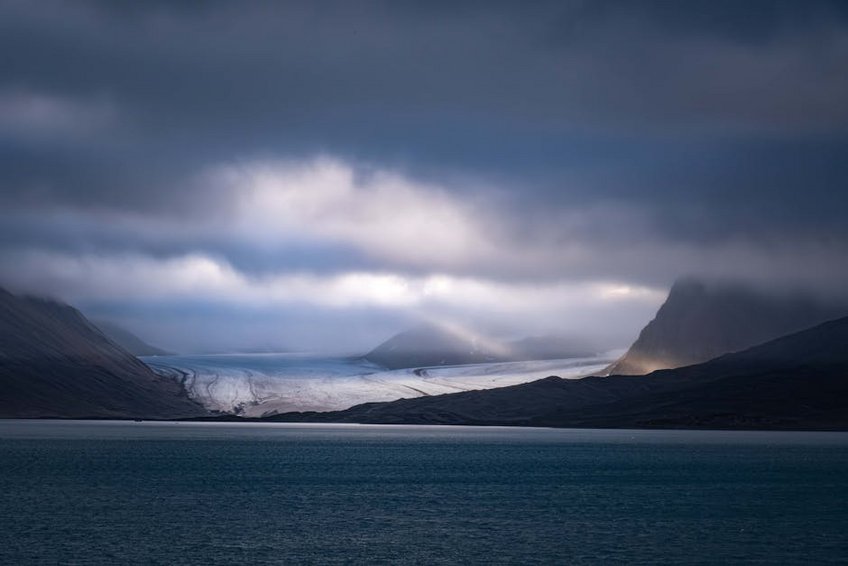
Alt: “svalbard-arctic-expedition-ship-polar-bear-watching”
Svalbard Polar Bear Safari – Planning Your Trip
Planning your Svalbard polar bear safari requires careful consideration of seasonal ice conditions, vessel types, and safety requirements that distinguish Arctic expeditions from conventional wildlife tours. Expedition cruises typically operate from May through September when navigable waters provide access to prime bear habitats while minimizing environmental disturbance. You should book six to twelve months in advance for preferred cabin categories and verify operator credentials through the Association of Arctic Expedition Cruise Operators.
Budget considerations extend beyond cruise fares to include international flights, specialized clothing rentals, travel insurance with polar coverage, and optional activities like dog sledding or glacier hiking. Mid-range expeditions offer the best value combining comfortable accommodations with expert guiding and Zodiac landings while luxury vessels provide enhanced amenities and smaller group sizes. Physical requirements remain moderate though passengers should manage expectations regarding variable weather and potential itinerary changes.
Best Time to Visit for Polar Bear Sightings
Visit Svalbard between late May and early September for optimal polar bear viewing when retreating sea ice concentrates bears along the ice edge where expedition vessels can safely observe them. June and July offer 24-hour daylight for extended photography opportunities with bears actively hunting seals on remaining ice floes throughout the archipelago. August and September feature dramatic light conditions and fewer vessels though bear sightings become less predictable as ice diminishes significantly.
Shoulder seasons in May and late September present higher weather variability with possible itinerary adjustments though potentially lower prices and unique photographic conditions. Winter months from October through April restrict access to limited land-based options with minimal bear viewing opportunities due to darkness and extensive ice coverage. For more details, read our Arctic expedition cruise planning guide covering additional seasonal considerations.
Budget Planning and Costs
Arctic expedition costs vary significantly based on vessel class, cabin category, and trip duration with these three primary budget tiers.
- Budget expeditions costing $5,000-7,000 per person typically use smaller vessels with shared facilities and focus primarily on wildlife viewing with basic amenities and fewer included activities beyond essential landings.
- Mid-range options between $8,000-12,000 provide comfortable cabins with private facilities, expert naturalist guides, included Zodiac operations, and educational programs with higher likelihood of reaching premium bear habitats.
- Luxury expeditions from $13,000-25,000 feature spacious suites, gourmet dining, wellness facilities, helicopter operations, and exclusive access to remote areas with maximum comfort and personalized service throughout your journey.
- Visit Svalbard Official Tourism
- Norwegian Polar Institute
Essential Preparation Checklist
Your packing list must include insulated waterproof layers, sturdy waterproof boots with grip, quality binoculars, multiple camera batteries, and polarized sunglasses for glare reduction on snow and ice. Specialized gear like rifle-trained guides and emergency communication equipment gets provided by operators though personal items require careful selection for Arctic conditions.
Documentation needs include valid passport, travel insurance with emergency evacuation coverage, and any required medications sufficient for potential itinerary extensions due to weather. Book flights with flexible tickets allowing date changes and confirm visa requirements if transiting through Norway mainland though Svalbard maintains separate entry regulations.
Top Attractions and Activities
Beyond polar bear viewing, Svalbard offers diverse Arctic experiences from historic sites and glacier hiking to bird watching and cultural encounters across its settlements and wilderness areas. The Northwest Spitsbergen National Park contains spectacular fjords, calving glaciers, and walrus colonies while the Hinlopen Strait features ice formations and abundant seabird cliffs. Each landing provides opportunities to observe Arctic foxes, reindeer, seals, and various whale species alongside the iconic polar bears.
Longyearbyen provides modern amenities including museums, restaurants, and shops alongside adventure operators offering dog sledding, snowmobiling, and northern lights tours during appropriate seasons. Ny-Ålesund represents the world’s northernmost civilian settlement with research facilities and historical mining structures accessible during summer months under guided supervision. For more details, read our Arctic wildlife photography guide covering techniques and equipment.
Must-See Highlights
Magdalenefjord features breathtaking glaciers and historical whaling remains alongside potential bear sightings along its ice-filled waters accessible primarily during summer months. The Monaco Glacier presents spectacular calving events and bird colonies while nearby waters often host beluga whales and bearded seals throughout the cruising season.
Pyramiden offers abandoned Soviet mining infrastructure frozen in time with guided tours available from Longyearbyen during summer providing unique photographic opportunities and historical insights. The Isfjord Radio station combines modern cuisine with remote wilderness atmosphere at the converted coastal radio station now operating as a boutique hotel with transfer options.
Hidden Gems and Local Favorites
Barentsburg maintains operating Russian community with cultural performances, brewery visits, and unique architecture contrasting with Norwegian settlements though access requires guided tours from Longyearbyen. The Svalbard Museum in Longyearbyen provides comprehensive natural and cultural history exhibits while the North Pole Expedition Museum focuses specifically on polar exploration achievements.
Local guides recommend lesser-visited fjords like Krossfjorden and Kongsfjorden for stunning landscapes with fewer vessels while Tempelfjorden offers dramatic mountain scenery and historical trapping stations. The eastern areas around Edgeøya and Barentsøya present challenging access conditions but potentially higher bear densities with minimal tourism pressure throughout the season.
Wildlife Photography Techniques
Use telephoto lenses from 200-600mm for bear photography maintaining safe distances while wider angles capture landscape context and Zodiac perspectives during shore landings. Fast shutter speeds above 1/1000th second freeze motion while high ISO settings manage low light conditions common under Arctic weather patterns.
Polarizing filters reduce glare from water and ice while multiple memory cards and portable storage prevent data loss during extended periods without power sources. Practice changing camera settings with gloves and protect equipment from moisture and extreme cold using specialized bags and silica gel packets.
Practical Travel Information
Svalbard’s infrastructure centers around Longyearbyen with limited services in other settlements requiring careful planning for transportation, accommodation, and communications throughout your visit. Flights arrive at Svalbard Airport (LYR) from Oslo (OSL) and Tromsø (TOS) with baggage allowances accommodating expedition gear though weight restrictions apply. Summer months see regular flight schedules while winter reduces frequency with potential weather-related cancellations.
Expedition vessels provide primary accommodation during cruises while Longyearbyen offers hotels, guesthouses, and hostel options for pre or post-cruise stays with limited availability during peak seasons. Local transportation includes taxis, shuttle buses, and rental cars for town access though most visitors join organized tours for activities beyond settlement boundaries.
| Category | Options/Features | Price Range (USD) |
|---|---|---|
| Expedition Cruises | Zodiac landings, expert guides, full board meals, educational programs | $5,000-25,000 |
| Longyearbyen Hotels | Central location, restaurant, shuttle service, tour booking | $150-400/night |
| Adventure Activities | Dog sledding, snowmobiling, glacier hiking, boat tours | $100-300/activity |
| Dining | Local seafood, international cuisine, brewery visits | $25-75/meal |