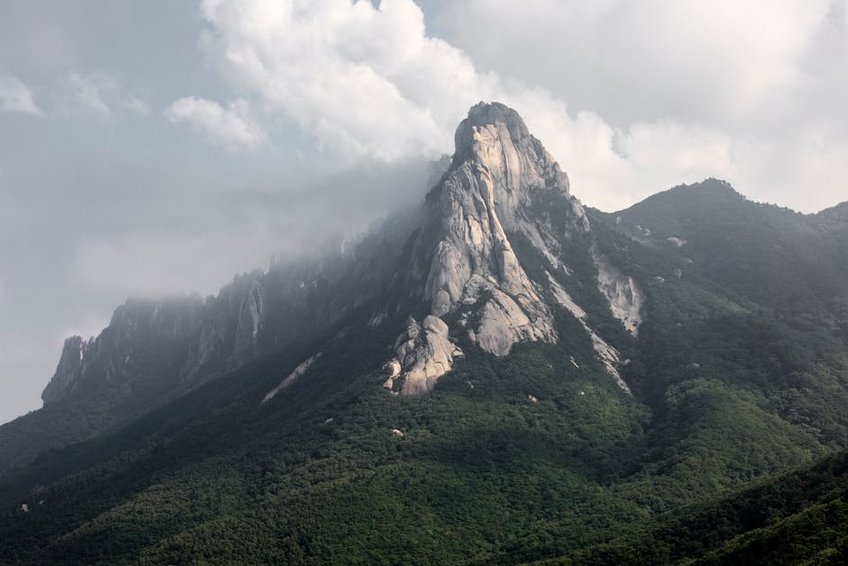
South Korea Seoraksan National Park: Mountain Adventures in Gangwon Province
South Korea Seoraksan National Park delivers dramatic granite peaks, deep valleys, and ancient Buddhist temples across its 398 square kilometers in Gangwon Province. Autumn transforms the landscape with vibrant maple and ginkgo foliage between late September and early November, while winter offers snow-dusted trails and frozen waterfalls from December through February. This guide covers essential hiking routes, cultural sites, seasonal considerations, and practical logistics for international visitors planning their Korean mountain adventure.
Essential Park Information
Seoraksan forms part of the Taebaek Mountain Range along Korea’s eastern coast, featuring Daecheongbong Peak at 1,708 meters as its highest point. The park divides into Outer Seorak, Inner Seorak, and Southern Seorak sections, each offering distinct landscapes from coastal cliffs to dense pine forests. UNESCO designated the area a Biosphere Reserve in 1982, protecting rare species like the Korean goral and Siberian flying squirrel.
Geographical Features and Zones
Outer Seorak attracts most visitors with accessible trails to Ulsanbawi Rock and Sinheungsa Temple, while Inner Seorak requires more advanced hiking through Heullim Valley and Biseondae Rock. Southern Seorak remains less crowded with opportunities for temple stays at Baekdamsa Temple and wildlife spotting in remote valleys. Each zone presents different elevation gains, trail conditions, and photographic opportunities throughout the seasons.
Historical and Cultural Significance
Buddhist monasteries like Sinheungsa date to the 7th century Silla Dynasty, housing cultural treasures including bronze statues and ancient prayer halls. The park’s name translates as “Snowy Crags Mountain,” reflecting its winter appearance and spiritual importance in Korean shamanistic traditions. Modern development introduced cable cars and resort facilities while maintaining conservation efforts through designated protected areas.
Climate Patterns and Seasonal Variations
Spring arrives in April with cherry blossoms and moderate temperatures between 50-68°F (10-20°C), though rainfall increases through May. Summer brings monsoon rains from June to August with high humidity and temperatures reaching 86°F (30°C), while autumn provides crisp 41-64°F (5-18°C) conditions perfect for foliage viewing. Winter temperatures drop to 14-32°F (-10 to 0°C) with substantial snowfall creating ideal conditions for snow hiking and photography.
South Korea Seoraksan National Park – Planning Your Trip
Successful visits require understanding seasonal accessibility, with some higher trails closing from November to March due to ice and snow hazards. Budget approximately $50-100 daily for mid-range independent travel, covering transportation from Seoul, park entrance fees, and basic accommodations. Reserve lodgings in Sokcho City or park-owned facilities three months ahead for autumn visits when domestic tourism peaks.
International travelers benefit from Korea’s visa-free policy for most Western passport holders, allowing 90-day stays without prior authorization. Purchase the Korea Tour Card for discounted public transportation and attraction entries, available at Incheon Airport and major stations. Download NAVER Map or KakaoMap applications for reliable offline navigation since Google Maps provides limited functionality in South Korea.
Best Time to Visit Seoraksan
Visit between late September and early November for spectacular autumn colors with daytime temperatures of 50-64°F (10-18°C) and minimal rainfall. June offers lush greenery with fewer crowds before monsoon season, while February provides pristine snowscapes and frozen waterfalls with temperatures averaging 23°F (-5°C). Avoid Korean holidays like Chuseok and Lunar New Year when domestic visitors overcrowd facilities and accommodation prices surge.
Budget Planning and Costs
Daily expenses vary significantly based on accommodation choices and dining preferences.
- Budget travelers spend $30-50 daily using hostel dorms, convenience store meals, and public transportation with park entrance fees of $3-5.
- Mid-range visitors allocate $80-120 for hotel rooms, restaurant dining, and occasional taxi use plus cable car tickets at $15 round-trip.
- Luxury experiences cost $150-250 featuring resort stays, guided hiking tours, and traditional Korean temple stay programs with multi-course meals.
- Korea Tourism Organization
- Korea National Park Service
Essential Preparation Checklist
Pack layered clothing including waterproof jackets, thermal base layers, and sturdy hiking boots with ankle support for uneven terrain. Bring portable power banks since charging facilities are limited on trails, plus cash for small vendors who don’t accept foreign credit cards. Check weather forecasts regularly through the Korea Meteorological Administration website, as mountain conditions change rapidly with temperature drops at higher elevations.
Obtain appropriate travel insurance covering emergency helicopter evacuation for hiking accidents, available through providers like World Nomads or SafetyWing. Learn basic Korean phrases for directions and emergencies, though most park staff understand essential English terminology. Book popular accommodations like Kensington Stars Hotel or Sorak Park Hotel six weeks in advance for peak season visits.
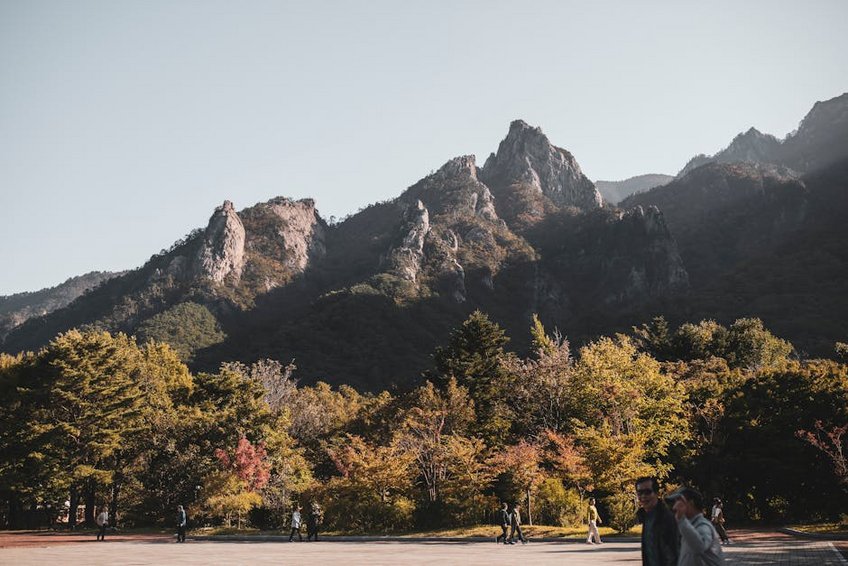
Alt: “seoraksan-national-park-ulsanbawi-rock-hiking-trail”
Top Attractions and Activities
Ulsanbawi Rock presents the park’s most iconic hike with 888 steps leading to panoramic views over the East Sea and surrounding peaks. Biryong Falls cascades through multiple tiers surrounded by ancient pine forests, accessible via a moderate 2.5-kilometer walk from the main parking area. The Gwongeumseong Fortress ruins combine history and scenery, reachable by cable car or strenuous hiking trail with elevation gains exceeding 800 meters.
Sinheungsa Temple houses Korea’s largest bronze Buddha statue at 14.6 meters tall, with original structures dating back to the 17th century Joseon Dynasty. The Heullim Gorge trail follows a crystal-clear stream through narrow rock formations, while Biseondae Rock features inscribed poems from ancient scholars. For more details, read our Korean national parks guide covering additional destinations.
Must-See Highlights
Ulsanbawi Rock requires 2-3 hours for the round-trip hike, best visited early morning to avoid crowds and capture optimal photography light. Biryong Falls flows strongest after summer rains, with viewing platforms providing safe access to the misty base area. The Seorak Cable Car operates year-round except during strong winds, transporting visitors to Gwongeumseong Peak in five minutes with 360-degree vistas.
Sinheungsa Temple opens from sunrise to sunset with no admission fee, though donations support maintenance of the historic complex. Yukdam Falls and Towangseong Falls form a spectacular duo in Inner Seorak, accessible via a 4-kilometer trail requiring moderate fitness levels. All major attractions maintain English signage and information centers with bilingual maps available for purchase.
Hidden Gems and Local Favorites
Baekdamsa Temple in Southern Seorak offers overnight temple stay programs including meditation sessions and monastic meals away from tourist crowds. The Sogeumgang Valley features unusual rock formations resembling the Guilin mountains, with tranquil walking paths rarely mentioned in guidebooks. Local hikers frequent the Dinosaur Ridge trail for sunrise views, requiring early departure and headlamps for the pre-dawn ascent.
Yangpok Village outside the park’s southern entrance serves authentic North Korean-style cold noodles at family-run restaurants overlooked by tour groups. The Seorak Waterpia hot springs provide therapeutic relaxation after hiking, with indoor and outdoor pools using natural mineral waters. For photography enthusiasts, the Daepo Port area captures fishing boats against mountain backdrops during golden hour.
Hiking Trails and Difficulty Levels
Beginner hikers manage the Biseondae Rock path covering 3.2 kilometers round-trip with minimal elevation gain and paved sections. Intermediate trails like Heullim Valley to Osaek Mineral Spring span 8 kilometers with rocky terrain and several river crossings requiring proper footwear. Advanced routes including Daecheongbong Peak summit demand 10-12 hours hiking time, technical sections with fixed ropes, and mandatory guide services during winter months.
All maintained trails feature color-coded markers indicating difficulty: blue for easy, yellow for moderate, and red for strenuous routes. Park rangers conduct regular safety patrols and maintain emergency shelters at key points along longer trails. Check current trail conditions at visitor centers since rockfall or weather events sometimes close specific sections without advance notice.
Practical Travel Information
Sokcho City serves as the primary gateway with express bus connections from Seoul’s Express Bus Terminal requiring 2.5-3 hours travel time. Local buses depart Sokcho Intercity Bus Terminal every 30 minutes for the park entrance, while taxis cost approximately $15-20 for the same journey. Rental cars provide flexibility for exploring multiple park sections, though narrow mountain roads require confident driving skills.
Accommodation ranges from traditional hanok guesthouses to international chain hotels, with the highest concentrations in Sokcho and smaller options near the park’s west entrance. Most establishments offer free WiFi, Western-style bathrooms, and English-speaking staff familiar with foreign visitor needs. For current weather updates and trail conditions, consult the Korea Tourism Organization website before departure.
| Accommodation Type | Features and Locations | Price Range (USD) |
|---|---|---|
| Budget Guesthouses | Shared facilities, Sokcho downtown location, basic breakfast included | $25-45 nightly |
| Mid-Range Hotels | Private bathrooms, mountain views, shuttle service to park | $65-120 nightly |
| Luxury Resorts | Spa facilities, multiple restaurants, guided activity packages | $140-250 nightly |
| Temple Stays | Cultural programs, vegetarian meals, meditation sessions | $40-70 nightly |