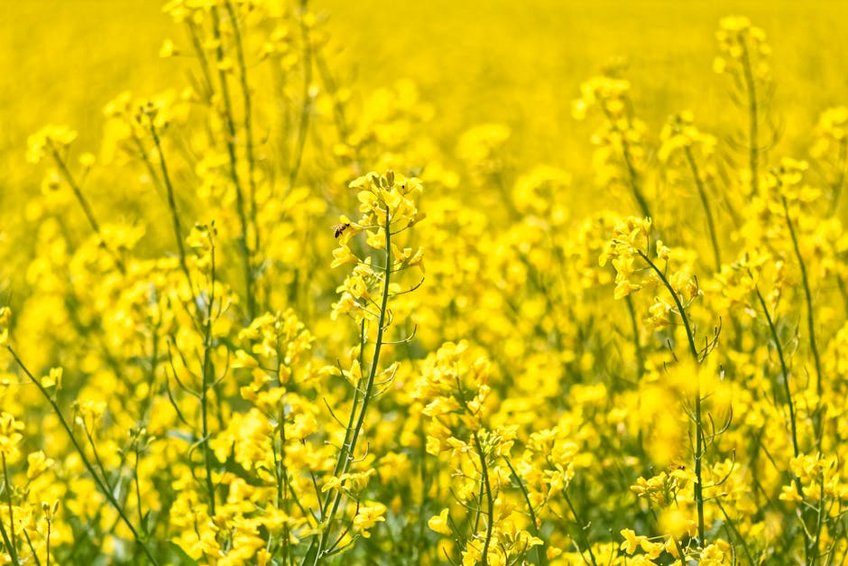
South Korea Jeju Canola Flowers: Your Guide to Spring’s Golden Sea
The arrival of spring on Jeju Island transforms the volcanic landscape into a breathtaking canvas of vibrant yellow. The South Korea Jeju canola flowers, or *yuchae* in Korean, create iconic seas of gold that stretch from coast to dramatic coast. This annual spectacle offers more than just photo opportunities; it’s a cultural celebration of renewal. This guide provides detailed seasonal advice, specific field locations, and essential travel tips to help you plan your perfect floral adventure on Korea’s largest island.
Jeju Island’s Spring Floral Phenomenon
Jeju Island, a volcanic UNESCO World Heritage site off the southern coast of the Korean peninsula, hosts a unique ecological display each spring. The cultivation of rapeseed, primarily for oil, serendipitously creates one of Asia’s most stunning seasonal attractions. The bloom coincides with the island’s mild spring weather, creating a perfect storm for tourism and photography. Fields are often planted in rotation with barley, adding contrasting green stripes to the golden vistas.
The tradition of enjoying the yellow blossoms is deeply woven into local culture, marking the end of the harsh, windy winter. Festivals and events spring up around the peak bloom, celebrating the island’s agricultural heritage and natural beauty. Visitors find that the flowers create a stunning juxtaposition against Jeju’s signature black basalt rock walls, coastal cliffs, and the distant silhouette of Hallasan Mountain.
Understanding the Bloom Cycle
Timing is everything for witnessing the iconic yellow fields at their peak. The bloom period is dependent on that year’s specific weather patterns, particularly winter temperatures and early spring rainfall.
- The flowering season typically begins in late February in the warmer southern coastal areas around Seogwipo, with peak color arriving in mid to late March.
- The northern and higher elevation fields, including those around Jeju City and on the slopes of Hallasan, generally hit their peak from late March through mid-April.
- By early May, most petals have fallen, and farmers begin harvesting the seed pods, though some late-blooming fields in sheltered areas may persist.
- Budget Traveler ($600-$800): Stay in hostels or guesthouses ($30-50/night), use public buses, eat at local markets and casual restaurants. Focus on free activities like hiking and visiting public beaches and flower fields. A flight from Seoul to Jeju can be found for under $100 round-trip if booked well in advance.
- Mid-Range Traveler ($1,000-$1,500): Comfortable hotels or design pensions ($80-120/night), a rental car for 3-4 days ($40-60/day), meals at well-regarded local restaurants, and paid entry to a few major attractions like Seongsan Ilchulbong Peak or a museum.
- Luxury Traveler ($2,500+): Five-star resorts like The Shilla Jeju ($250+/night), a premium SUV rental, fine dining experiences featuring Jeju black pork and abalone, and private guided tours to exclusive photo spots and cultural sites.
- Jeju Tourism Organization
- Lonely Planet Jeju Travel Guide
Cultural and Historical Significance
Beyond their beauty, canola flowers hold practical importance on Jeju. Rapeseed oil has been a staple in Korean cuisine for centuries, and the crop helps nourish the island’s volcanic soil. The vibrant yellow has become a symbol of hope and prosperity after winter. Many local artists and photographers draw inspiration from the dramatic contrast between the flowers, the dark lava stone, and the deep blue sea.
This seasonal transformation also signals the start of the busy tourist season. The island’s infrastructure, from hotels to tour operators, prepares for an influx of visitors from mainland Korea and abroad. The flowers are so iconic they are featured prominently in Korean television dramas and tourism marketing, further cementing their status as a must-see spring event.
The Volcanic Landscape as a Backdrop
Jeju’s geology plays a starring role in the floral display. The island was formed by volcanic activity, resulting in a dramatic terrain of craters, lava tubes, and oreum (parasitic cones). Canola fields are often planted on the gentle slopes of these oreum or in the flat plains between them. This creates unparalleled photographic scenes where vivid yellow meets rugged black rock and often frames the majestic Hallasan, South Korea’s highest mountain at 1,947 meters (6,388 feet).
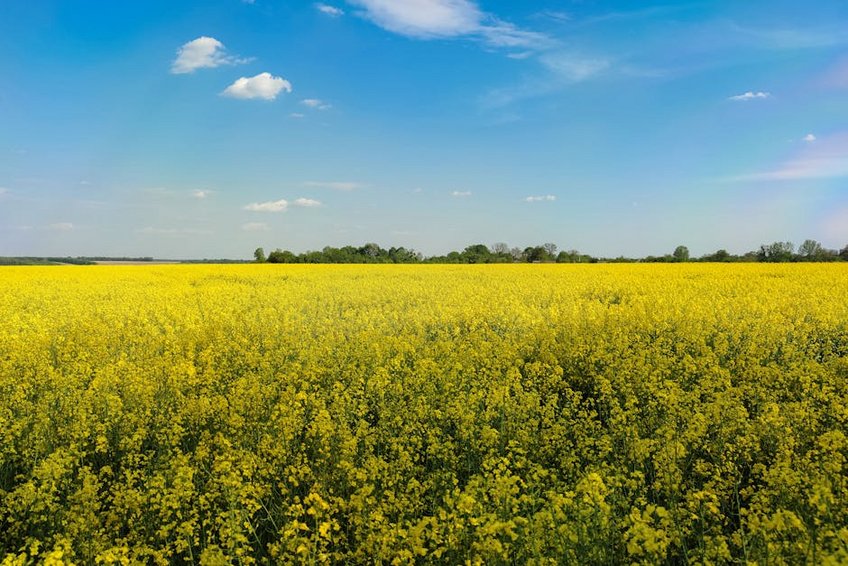
Alt: “jeju-island-canola-field-yellow-flowers-hallasan-mountain-background”
South Korea Jeju Canola Flowers – Planning Your Trip
A successful visit to see the Jeju canola blooms requires careful timing and logistical planning. Your target window for the most impressive displays falls between March 10 and April 20, though this shifts slightly each year. Monitor Korean weather blogs and the Jeju Tourism Organization website for near-real-time bloom updates in the weeks before your departure. You’ll want to balance your itinerary between famous fields and hidden gems to avoid the largest weekend crowds from Seoul.
Accommodation prices rise during the peak bloom, so booking your hotel or pension at least two to three months in advance is crucial for the best selection and rates. Renting a car is highly recommended, as public transport to many photogenic fields is limited. An International Driving Permit is required alongside your domestic license to rent a vehicle in South Korea. Pack layers, as spring weather can be unpredictable, with temperatures ranging from 8°C to 18°C (46°F to 64°F) and occasional rain showers.
Best Time to Visit for Peak Blooms
The optimal period for viewing the Jeju canola flowers is from mid-March to mid-April. During these weeks, daytime temperatures are a pleasant 10-16°C (50-61°F), and the risk of the island’s famous wind is lower than in winter. The first two weeks of April often see the most reliable and widespread blooms across the island. However, this is also the busiest time, coinciding with Korean school breaks and cherry blossom season.
For a balance of good weather and smaller crowds, target the last week of March or the third week of April. The shoulder seasons still offer fantastic displays, especially if you focus on microclimates. Southern coastal fields bloom earlier, while northern and elevated areas bloom later. Avoid the May holiday period (around May 5th), when domestic travel surges and many fields are already harvested.
Budget Planning and Costs
Costs for a Jeju spring trip vary significantly based on your travel style. Here’s a typical breakdown for a five-day trip.
Essential Preparation Checklist
Prepare for variable spring conditions. Pack a waterproof windbreaker, comfortable walking shoes for uneven terrain, and layers like sweaters and thermal undershirts. Photographers need a wide-angle lens for vast landscapes and a polarizing filter to manage glare from the bright yellow petals. Bring a portable power bank for your phone, as you’ll be using maps and translation apps frequently.
Ensure your passport is valid for the duration of your stay. U.S., Canadian, and EU passport holders can enter South Korea visa-free for up to 90 days. Purchase comprehensive travel insurance that covers potential flight delays due to Jeju’s famous fog. Download essential apps: Naver Maps (more accurate than Google Maps in Korea), Papago for translation, and Kakao T for taxis.
Top Locations and Flower Field Experiences
While canola flowers blanket much of the island’s farmland, certain locations offer particularly iconic or accessible views. From coastal cliffs to mountain foothills, each area provides a unique perspective on the yellow blossoms. Many fields are on private farmland, so always respect posted signs, stay on designated paths, and never pick the flowers. The most famous spots can get crowded, especially on weekends, so aim for early morning visits for the best light and atmosphere.
Must-See Canola Flower Fields
Jeoji-ri Canola Flower Field is one of the most photographed locations, featuring a classic windmill amidst rolling yellow hills. It’s easily accessible and has ample parking (small fee required). Another iconic spot is the Seogwipo Canola Flower Field along the scenic 1132 coastal road, where blossoms meet the cliff edge and the deep blue ocean. The view here is spectacular, especially at sunset.
For a postcard-perfect scene with Jeju’s hallmark stone walls, head to the fields surrounding Sanbangsan Mountain. The yellow flowers contrast beautifully with the green grass and the towering black lava dome. The Aewol Canola Flower Field, near the trendy Aewol Handam Coastal Walk, offers a more relaxed vibe with cafes nearby. Entry to most fields is free or requires a minimal parking or maintenance fee of 1,000-3,000 KRW ($0.75-$2.25).
Hidden Gems and Local Favorites
Venture to the slopes of Sara Oreum in Pyoseon for breathtaking 360-degree views of yellow fields against a backdrop of multiple oreum cones. It’s a popular hiking spot with fewer tour buses. The back roads around Gimnyeong and Haengwon on the northeast coast also hide stunning, less-visited fields that stretch toward the sea, often with horses grazing in the distance.
For a truly local experience, explore the rural areas south of Hallasan Mountain, like the villages in Andeok-myeon. Here, the fields are part of working farms, and the pace is slow. You might even see farmers tending to their crops. Always be respectful and ask for permission if a field appears to be on private land and you wish to take a closer photograph.
Combining Blooms with Coastal Walks
Jeju’s Olle Trails, a network of scenic walking paths around the island, provide a fantastic way to experience the flowers. Olle Trail Route 7, which passes through Gwangchigi Beach, often winds through coastal canola fields in spring. Similarly, sections of the Seogwipo Coastal Path are lined with blossoms. Combining a gentle hike with floral viewing allows you to appreciate the island’s diverse landscapes at a leisurely pace.
Practical Travel Information for Jeju Island
Navigating Jeju requires understanding its transportation network and accommodation landscape. The island is larger than many visitors expect, roughly the size of Los Angeles. While Jeju City in the north is the main transport hub, the southern city of Seogwipo offers a more relaxed coastal base. Spring is a peak season, so flexibility is key, and having a backup plan for rainy days is wise.
Accommodation ranges from international resorts to unique Korean “pensions” (guesthouses) and minbak (homestays). Booking platforms like Agoda, Booking.com, and the Korean site Yeogieottae work well. For an authentic stay, consider a pension in Aewol or near Seogwipo with an ocean view. Remember that many smaller establishments may not have English-speaking staff, but translation apps bridge the gap effectively.
| Category | Options/Features | Price Range (USD/Night) |
|---|---|---|
| Budget Stay | Hostel dorm bed or basic minbak; shared bathroom, simple breakfast | $25 – $50 |
| Mid-Range Hotel | 3-4 star business hotel in Jeju City or Seogwipo; private bathroom, amenities | $80 – $140 |
| Design Pension | Themed private accommodation, often with kitchenette, scenic view | $100 – $200 |
| Luxury Resort | 5-star resorts like Lotte or Hyatt; multiple pools, fine dining, spa | $250 – $500+ |